
 Megtekintés
 Küldés
 Megosztás
 Részletek
 Útmutató

 Letöltés
 Hasonló darabok
 X-ray felvétel
 Diavetítés
 Kérdések és válaszok
 Statisztika
Phoenix


 Összes részlet megjelenítése
Giclée / Műnyomat
Múzeumi minőségű giclée vagy vászonnyomat, gyors gyártással és rugalmas finomítási lehetőségekkel. ( Kézzel festett másolat rendelése Áttérés digitális képre)




P118B Ft10

P118H Ft10

P118W Ft10

P438Z Ft10

P508JH Ft12

P508YH Ft12

P805H Ft10

P805Z Ft10

P919BZ Ft10

P919G Ft10

P919XJ Ft10

P959ZH Ft10

P968JZ Ft12

W106C Ft8

W218G Ft10

W218JH Ft8

W218Y Ft10

W307PJ Ft10

W316G Ft10

W316PJ Ft8

W316Y Ft10

W398PJ Ft8

W4111J Ft10

W500HY Ft15

W500JH Ft15

W692G Ft12

W849H Ft8

W940BG Ft15

W953PJ Ft8




Válasszon előre meghatározott méreteink közül, amelyek megfelelnek a műalkotás eredeti arányainak.

Írja be a keretének vagy a falának megfelelő szélességet és magasságot. A nyomatot csak le lehet vágni, soha nem tehető nagyobbá, mint az eredeti kép, így egy eltérő alakú méretnél a kép egy része elveszik. Mielőtt bármit kinyatintanánk, küldünk egy digitális próbamodellt jóváhagyásra. Az oldalon látható kép nem tartalmazza a valós levágást — ezt csak a próbamodell mutatja meg.
Világszerte történő kiszállítás területére mindössze 2 hét alatt, a szokásos 4-5 hét helyett. (5 november)

Ingyenes globális expressz szállítás

Prémium minőségű len vászon

Teljes körű szállítási biztosítás

Vámvisszatérítési Garancia

Hiteles színarányosság garancia

100 napos visszaküldési lehetőség (csak hibás termékek esetén)

100% pénzvisszatérítési garancia

Több darab vásárlásakor kedvezmény
 Az üvegkeretes opció csak 110 cm alatti méretben érhető el

Phoenix
Giclée / Műnyomat
Reprodukció mérete
-


Összesített ár
Ft 26492
A Symphony of Renewal: Exploring Hokusai’s ‘Phoenix’
Katsushika Hokusai's 'Phoenix,' a captivating depiction of the mythical bird, transcends mere illustration; it is a profound meditation on rebirth, resilience, and the cyclical nature of existence. This artwork, echoing the master’s signature style yet imbued with a uniquely poignant sensibility, invites viewers into a world where ancient symbolism dances with delicate brushwork. The painting immediately draws the eye to the central phoenix, its wings spread in a glorious arc of color – fiery reds and oranges blending seamlessly with softer hues of gold and cream. The bird's elongated beak, a characteristic feature of Hokusai’s depictions, adds an element of dignified power, while the surrounding foliage, rendered in meticulous detail, creates a vibrant circle that reinforces the theme of wholeness and completion.
The Echoes of Edo: Style and Technique
‘Phoenix’ firmly establishes itself within the rich artistic tradition of Edo-period Japan. Hokusai's influence is undeniable, drawing heavily from the established conventions of Japanese woodblock printing – *Ukiyo-e*. However, this reproduction goes beyond a simple imitation; it demonstrates a nuanced understanding of perspective and composition, hallmarks of Hokusai’s mature style. The use of layered washes of color, characteristic of *sumi-e* (ink wash painting), lends the artwork an ethereal quality, softening the edges and creating a sense of depth. Notice the careful attention to detail in the smaller birds scattered throughout the scene – each one rendered with remarkable precision, contributing to the overall complexity and dynamism of the composition. The oriental style is particularly evident in the circular arrangement of leaves, a motif frequently employed in Japanese art to symbolize eternity and the cosmos.
Symbolism: Fire, Hope, and Transformation
The phoenix itself carries immense symbolic weight within both Eastern and Western cultures. In Japan, it represented not just fire but also immortality, renewal, and the triumph of good over evil. The act of rising from ashes is a potent metaphor for overcoming adversity and embracing transformation – a theme deeply resonant with Hokusai’s own life journey. The surrounding foliage further amplifies this symbolism; leaves represent growth, fertility, and the continuous cycle of life and death. The inclusion of multiple smaller birds suggests a multitude of opportunities for rebirth and reinforces the idea that hope can be found in even the smallest of forms. This artwork is more than just a beautiful image; it’s a carefully constructed narrative brimming with spiritual significance.
A Legacy Reimagined: Hokusai's Enduring Influence
Born in Tokyo around 1760, Katsushika Hokusai lived through a period of immense social and artistic change in Japan. His career spanned nearly nine decades, during which he produced an astonishing body of work that continues to captivate audiences worldwide. While best known for his iconic *Thirty-Six Views of Mount Fuji*, works like ‘Phoenix’ demonstrate the breadth of his talent and his ability to adapt and innovate within established traditions. This hand-painted reproduction offers a unique opportunity to own a piece of art history, allowing you to experience firsthand the genius of one of Japan's greatest masters. Its timeless themes and exquisite execution make it an ideal addition to any collection or a stunning focal point for interior design.
Kérdések és válaszok
Milyen reprodukciós méretet javasol a „Phoenix”, Hokusai alkotása alkotáshoz?
A „Phoenix”, Hokusai alkotása alkotáshoz egy Large méretű reprodukciót javasolunk. A méret az arányok megőrzésével módosítható.
Milyen közös tulajdonságokat oszt meg a "Phoenix" Hokusai további alkotásaival?
Hokusai munkásságán belül a "Phoenix" a Japanese Ukiyo-e stílus képét képviseli, a japanese symbolism, nature worship, ukiyo-e tradition, printmaking, spiritual rebirth, transformation themes, hokusai’s iconic imagery”, “exploring japanese artistic heritage” témakörével összefüggésben.
Mennyire fényes „Phoenix”, Hokusai alkotása?
A "Phoenix" színei Dark fényerőt mutatnak.
A művész életrajza
A Life Etched in Ink: A Journey Through the World of Katsushika Hokusai
Katsushika Hokusai, a name that echoes through the halls of art history, is far more than just the creator of *The Great Wave off Kanagawa*. He was a restless spirit, an insatiable learner, and a revolutionary artist who fundamentally reshaped Japanese visual culture during the Edo period. Born in Tokyo – then known as Edo – around 1760, his life wasn’t one of privilege or ease; rather, it was a relentless climb fueled by an unwavering passion for capturing the essence of the world around him. From humble beginnings as the son of a mirror maker, Hokusai's artistic journey began not with formal training, but with a deep-seated desire to draw, a talent he honed diligently from the age of six – a dedication that would ultimately define nearly nine decades of extraordinary creative output. His father, Nakajima Ise, recognizing this nascent gift, provided an early foundation, setting his son on a path toward artistic mastery.From Apprenticeship to Innovation: The Blossoming of a Unique Style
Hokusai’s formal artistic education began at the age of twelve when he entered the studio of Katsukawa Shunshō, a leading master of *ukiyo-e* – “pictures of the floating world.” This genre, immensely popular during the Edo period, offered a vibrant snapshot of Japanese society, depicting scenes from everyday life: actors performing in Kabuki theaters, beautiful courtesans, bustling cityscapes, and glimpses into the pleasures and dramas of urban existence. Under Shunshō’s guidance, Hokusai mastered the intricate techniques of woodblock printing – a demanding process requiring both precision and artistic vision. However, even within this established framework, Hokusai demonstrated an innate restlessness, a desire to push beyond mere imitation and explore new avenues of expression. He wasn't content simply replicating his teacher’s style; he experimented with diverse subjects, moving from book illustrations to single-sheet prints, constantly refining his skills and developing a distinctly personal visual language. This early experimentation was marked by frequent name changes – a practice common among *ukiyo-e* artists at the time, signifying shifts in artistic focus or affiliations with different schools. Initially known as Shunro, he later adopted other pseudonyms, reflecting his evolving style and creative explorations.Mount Fuji and the Floating World: Defining Masterpieces
Hokusai’s most enduring legacy rests upon a series of works that redefined *ukiyo-e* and established him as one of Japan's greatest artists. Perhaps the most iconic is *Thirty-Six Views of Mount Fuji*, a monumental undertaking spanning several years (circa 1830-1832). This wasn’t merely a collection of landscape prints; it was a profound meditation on nature, beauty, and the passage of time. Each view offered a unique perspective on Japan's sacred mountain – from dramatic storms to serene vistas – showcasing Hokusai’s mastery of composition, color, and line. Within this series, *The Great Wave off Kanagawa* stands as a testament to his genius, capturing the raw power and terrifying beauty of the ocean with breathtaking detail. The towering wave, poised to engulf three tiny fishing boats, is an image that has transcended its original context, becoming a symbol of both nature’s force and humanity's vulnerability. Beyond *Fuji*, Hokusai produced a wealth of other remarkable works, including *Fireworks at Ryōgoku Bridge* (1790), which captures the vibrant energy of a summer festival with dynamic brushstrokes and brilliant colors, and *Hokusai Manga* – a collection of sketches and studies encompassing people, animals, landscapes, and fantastical creatures. This series was groundbreaking in its scope and influence, foreshadowing the development of modern manga as an art form.A Legacy Beyond Borders: Hokusai's Enduring Influence
Hokusai’s impact extended far beyond the borders of Japan, profoundly influencing artists across Europe during the late 19th century – a period known as *Japonisme*. As Japan opened its doors to Western trade and influence, Japanese art, particularly *ukiyo-e*, captivated European collectors and artists. Hokusai's bold compositions, vibrant colors, and unconventional perspectives were particularly admired. Artists like Claude Monet, Edgar Degas, and Vincent van Gogh were deeply inspired by his work, incorporating elements of *Japonisme* into their own paintings. Van Gogh, in particular, famously recreated *The Great Wave off Kanagawa*, demonstrating the profound impact of Hokusai’s imagery on European art. Hokusai's influence wasn’t limited to Impressionism; it permeated various modern art movements, shaping the way artists approached composition, color, and subject matter. His emphasis on capturing fleeting moments, his dynamic use of line, and his ability to find beauty in everyday life resonated with a generation seeking new forms of expression. Even today, Hokusai’s work continues to inspire and challenge artists worldwide, solidifying his place as one of the most important figures in art history – an artist who bridged tradition and innovation, leaving behind a legacy that endures through time.- Major Influences: Ukiyo-e traditions, Chinese landscape painting, everyday life in Edo.
- Key Characteristics: Bold lines, vibrant colors, dynamic compositions, keen observation of nature.

Hokusai
1760 - 1849 , Japán
Rövid információk
- Artistic Movement Or Style: *Ukiyo-e*
- Artists Or Movements Influenced By This Artist: ['Impressionizmus']
- Artists Who Influenced This Artist:
- Katonaszervezetek
- Kano Schule
- Date Of Birth: 1760. 31. okt.
- Date Of Death: 1849. 10. maj.
- Full Name: Katsushika Hokusai
- Nationality: Japán
- Notable Artworks:
- A nagy hullám
- Fuji 36 tájja
- Hokusai manga
- Place Of Birth: Tókyó, Japán
Kapcsolódó cikkek
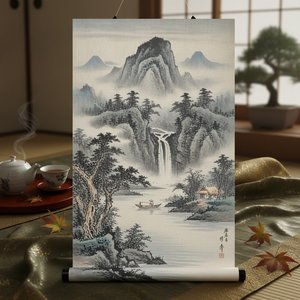
Serenity on Canvas: A Guide to the Timeless Beauty of Japanese Landscape Painting
Discover the serene beauty of Japanese landscape painting. From Hokusai's iconic woodblock prints to meditative sumi-e ink washes, explore a visual journey through the 'floating world' and learn how to bring this timeless Zen aesthetic into your modern home decor.
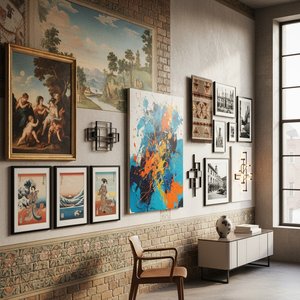
Transforming Spaces: A Comprehensive Exploration of Wall Decor Through Art History & Contemporary Practice
Explore the art of transforming spaces with our comprehensive guide to wall decor. From historical movements to contemporary trends, discover how to curate impactful interiors and commission bespoke artwork for a truly personalized aesthetic.

Katsushika Hokusai 25 Mesterműve: A Japán Art Élmény, Otthonodban – OriginalUniqueArt
Fedezze fel Katsushika Hokusai 25 legikonikusabb műalkotását! Merüljön el a japán ukiyo-e világában, ismerje meg a 'Nagy Hullám' történetét és más remekműveket. Museum minőségű reprodukciók otthonába – OriginalUniqueArt.com.
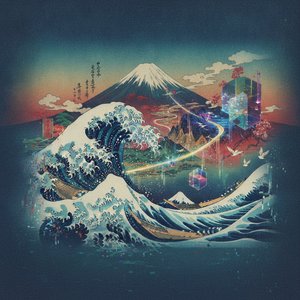
Beyond the Great Wave: The High-Impact Visual Revolution of Japanese Landscape Art
Go beyond Hokusai's Great Wave. Explore the high-impact, graphic world of Japanese Ukiyo-e landscapes and urban prints. Discover how these bold, vibrant woodblock masterpieces continue to shape modern pop culture and contemporary design aesthetics.

A falfestés reneszánsza: Miért a falmurálisok a luxus új kifejezésmódjai
Fedezze fel a luxus falmurálisok világát! Egyedi tervezésű, kézműves falfestmények hoteleknek és igényes otthonoknak. Prémium minőség, történelmi stílusok és modern megoldások.


