- Főoldal

- Olajfestmény reprodukció
- Hokusai
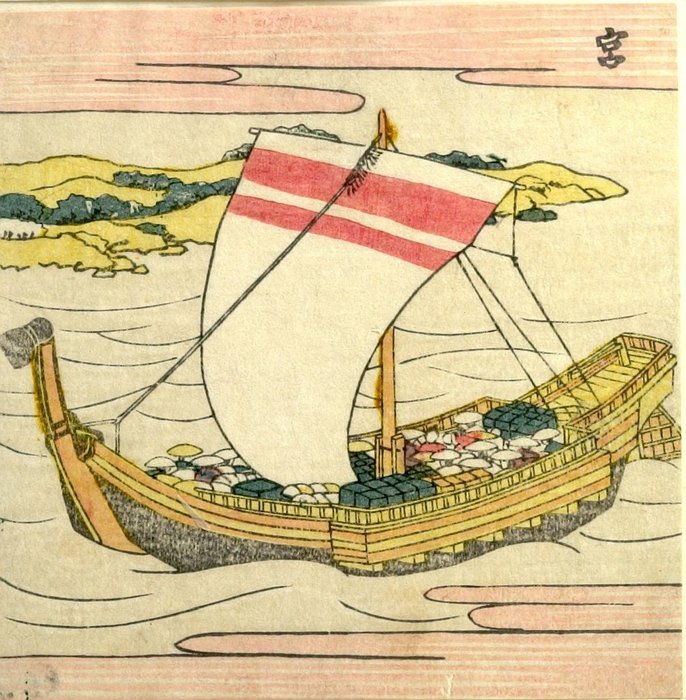
- Ferry Sailing To Shichiri Ferry
 Nyomat vásárlása Kép letöltése
 Megosztás
 Megosztás
 Részletek
 Kedvencekhez ad

 Letöltés
 Hasonló alkotások
 X-ray felvétel
 Diavetítés
Ferry Sailing To Shichiri Ferry

 Tovább olvasom
Kézzel készített olajfestmény reprodukció
Kézzel festett olajvastú vászon, az Ön által választott méretben és keretben, művészeink készítik meglévőre.




































Válasszon előre meghatározott méreteink közül, amelyek megfelelnek a műalkotás eredeti arányainak.

Ön megadhat saját méreteket egy adott kerethez vagy térhez igazításhoz. Ha a kiválasztott méret nem egyezik az eredeti kép arányával, akkor a műalkotást levágjuk, vagy további kézzel festett elemekkel meghosszabbítjuk a festményt. A gyártás megkezdése előtt küldünk Önnek egy digitális előnézetet jóváhagyásra.
Kérjük, vegye figyelembe, hogy a képernyőn megjelenő előnézet nem tükrözi a tényleges vágást vagy kiterjesztést. Csak az előnézet fog pontosan mutatni a végső kompozíciót.
Bár egyedi méretek állnak rendelkezésre, javasoljuk, hogy válasszon egy méretet az előre meghatározott listából az eredeti arányok megőrzése érdekében.
A rendelést követően a OriginalUniqueArt.com csapata e-mailt küld az ügyfélnek az instrukciókért, és biztosít egy előnézeti képet (mockup).
Világszerte elérhető szállítás () 3-4 hét alatt a szokásos 5 hét helyett. (16 július). A minőség nem kérdőjelezhető.

Ingyenes globális expressz szállítás

Prémium minőségű len vászon

Teljes szállítási biztosítás

Vámvisszatérítési Garancia

Tökéletes színpontosság garancia

60 napos visszaküldési lehetőség (csak gyártási hibák esetén)

100%-os pénzvisszatérítési garancia

Kedvezmény több termény esetén
 Az üvegkeretes opció csak 110 cm alatti méretben érhető el

Ferry Sailing To Shichiri Ferry
Reprodukciós technika
A reprodukció mérete
-


Összesített ár
-
A műalkotás leírása
A Moment Frozen in Time: Katsushika Hokusai’s “Ferry Sailing to Shichiri Ferry”
Katsushika Hokusai's "Ferry Sailing to Shichiri Ferry," a cornerstone of the famed *Thirty-Six Views of Mount Fuji* series, isn’t merely a depiction of a coastal scene; it’s a profound meditation on human connection with nature and the rhythms of daily life in Edo-period Japan. Completed around 1810, this woodblock print transcends its humble subject matter to become an emblem of Japanese artistry—a testament to Hokusai's unparalleled ability to capture both the grandeur of the landscape and the quiet dignity of ordinary people. The image immediately draws the eye with its dynamic composition: a small, brightly colored ferry battling against a towering wave, while three fishermen diligently cast their nets in the foreground. It’s a scene brimming with tension and serenity simultaneously, inviting the viewer to contemplate the forces at play – both natural and human.
- The Wave: The iconic wave dominates the composition, rendered with an almost violent energy. Its curling crest, a swirling vortex of blues and whites, embodies the power and unpredictability of nature. It’s not simply a depiction of a storm; it's a symbol of life itself – constantly shifting, ever-present, and capable of both destruction and renewal.
- The Ferry: The small ferry, laden with fishermen, represents human resilience and adaptability. Its sturdy construction and the figures aboard suggest a community bound together by necessity and tradition.
- The Fishermen: Their focused attention on their task speaks to the importance of labor and sustenance in Edo society. They are not idealized heroes; they are ordinary men engaged in an essential, albeit challenging, profession.
Technique and Materials – A Symphony of Color and Line
Hokusai’s mastery lies not only in his subject matter but also in his meticulous technique. As a master of *ukiyo-e*, he employed the traditional woodblock printing process, a collaborative art form involving an artist (the designer), a carver (who created the woodblocks from the design), and a printer. Hokusai’s prints are renowned for their bold outlines, vibrant colors achieved through the use of Prussian blue pigment – a relatively new import to Japan at the time that gave his work its distinctive hue – and skillful layering of inks. The print is executed on Japanese mulberry paper, chosen for its durability and ability to hold rich colors. Notice how Hokusai uses varying line weights to create depth and texture; the wave’s crest is defined by thick, energetic lines, while the fishermen's clothing and boats are rendered with finer details.
The use of Prussian blue was revolutionary for its time, lending a unique atmospheric quality to Hokusai’s work and contributing significantly to its enduring appeal.Historical Context – A World in Transition
“Ferry Sailing to Shichiri Ferry” is deeply rooted in the socio-cultural landscape of Edo Japan (1603–1867). The *Thirty-Six Views of Mount Fuji* series emerged during a period of significant social and economic change. The Tokugawa shogunate had established a stable, centralized government, fostering a flourishing merchant class and encouraging travel along the Tokaido highway – a major route connecting Edo with Kyoto. This increased mobility fueled a demand for images depicting landscapes and scenes of everyday life, reflecting the growing interest in experiencing the world beyond one’s immediate surroundings. The series itself was intended as a luxurious gift item, often purchased by wealthy merchants and travelers.
Symbolism and Emotional Resonance – A Window into the Japanese Soul
Beyond its technical brilliance, “Ferry Sailing to Shichiri Ferry” resonates with profound symbolic meaning. It speaks to the delicate balance between humanity and nature, highlighting our dependence on the natural world while acknowledging its power. The image evokes a sense of both vulnerability and resilience – mirroring the human condition itself. The scene’s quiet dignity and understated beauty invite contemplation, prompting us to consider our place within the larger tapestry of existence. It's a reminder that even in the midst of turbulent times, there is always an opportunity for connection, perseverance, and appreciation for the simple pleasures of life.
A művész életrajza
A Life Etched in Ink: A Journey Through the World of Katsushika Hokusai
Katsushika Hokusai, a name that echoes through the halls of art history, is far more than just the creator of *The Great Wave off Kanagawa*. He was a restless spirit, an insatiable learner, and a revolutionary artist who fundamentally reshaped Japanese visual culture during the Edo period. Born in Tokyo – then known as Edo – around 1760, his life wasn’t one of privilege or ease; rather, it was a relentless climb fueled by an unwavering passion for capturing the essence of the world around him. From humble beginnings as the son of a mirror maker, Hokusai's artistic journey began not with formal training, but with a deep-seated desire to draw, a talent he honed diligently from the age of six – a dedication that would ultimately define nearly nine decades of extraordinary creative output. His father, Nakajima Ise, recognizing this nascent gift, provided an early foundation, setting his son on a path toward artistic mastery.From Apprenticeship to Innovation: The Blossoming of a Unique Style
Hokusai’s formal artistic education began at the age of twelve when he entered the studio of Katsukawa Shunshō, a leading master of *ukiyo-e* – “pictures of the floating world.” This genre, immensely popular during the Edo period, offered a vibrant snapshot of Japanese society, depicting scenes from everyday life: actors performing in Kabuki theaters, beautiful courtesans, bustling cityscapes, and glimpses into the pleasures and dramas of urban existence. Under Shunshō’s guidance, Hokusai mastered the intricate techniques of woodblock printing – a demanding process requiring both precision and artistic vision. However, even within this established framework, Hokusai demonstrated an innate restlessness, a desire to push beyond mere imitation and explore new avenues of expression. He wasn't content simply replicating his teacher’s style; he experimented with diverse subjects, moving from book illustrations to single-sheet prints, constantly refining his skills and developing a distinctly personal visual language. This early experimentation was marked by frequent name changes – a practice common among *ukiyo-e* artists at the time, signifying shifts in artistic focus or affiliations with different schools. Initially known as Shunro, he later adopted other pseudonyms, reflecting his evolving style and creative explorations.Mount Fuji and the Floating World: Defining Masterpieces
Hokusai’s most enduring legacy rests upon a series of works that redefined *ukiyo-e* and established him as one of Japan's greatest artists. Perhaps the most iconic is *Thirty-Six Views of Mount Fuji*, a monumental undertaking spanning several years (circa 1830-1832). This wasn’t merely a collection of landscape prints; it was a profound meditation on nature, beauty, and the passage of time. Each view offered a unique perspective on Japan's sacred mountain – from dramatic storms to serene vistas – showcasing Hokusai’s mastery of composition, color, and line. Within this series, *The Great Wave off Kanagawa* stands as a testament to his genius, capturing the raw power and terrifying beauty of the ocean with breathtaking detail. The towering wave, poised to engulf three tiny fishing boats, is an image that has transcended its original context, becoming a symbol of both nature’s force and humanity's vulnerability. Beyond *Fuji*, Hokusai produced a wealth of other remarkable works, including *Fireworks at Ryōgoku Bridge* (1790), which captures the vibrant energy of a summer festival with dynamic brushstrokes and brilliant colors, and *Hokusai Manga* – a collection of sketches and studies encompassing people, animals, landscapes, and fantastical creatures. This series was groundbreaking in its scope and influence, foreshadowing the development of modern manga as an art form.A Legacy Beyond Borders: Hokusai's Enduring Influence
Hokusai’s impact extended far beyond the borders of Japan, profoundly influencing artists across Europe during the late 19th century – a period known as *Japonisme*. As Japan opened its doors to Western trade and influence, Japanese art, particularly *ukiyo-e*, captivated European collectors and artists. Hokusai's bold compositions, vibrant colors, and unconventional perspectives were particularly admired. Artists like Claude Monet, Edgar Degas, and Vincent van Gogh were deeply inspired by his work, incorporating elements of *Japonisme* into their own paintings. Van Gogh, in particular, famously recreated *The Great Wave off Kanagawa*, demonstrating the profound impact of Hokusai’s imagery on European art. Hokusai's influence wasn’t limited to Impressionism; it permeated various modern art movements, shaping the way artists approached composition, color, and subject matter. His emphasis on capturing fleeting moments, his dynamic use of line, and his ability to find beauty in everyday life resonated with a generation seeking new forms of expression. Even today, Hokusai’s work continues to inspire and challenge artists worldwide, solidifying his place as one of the most important figures in art history – an artist who bridged tradition and innovation, leaving behind a legacy that endures through time.- Major Influences: Ukiyo-e traditions, Chinese landscape painting, everyday life in Edo.
- Key Characteristics: Bold lines, vibrant colors, dynamic compositions, keen observation of nature.

Hokusai
1760 - 1849 , Japán
Rövid tények
- Artistic Movement Or Style: *Ukiyo-e*
- Artists Or Movements Influenced By This Artist: ['Impressionizmus']
- Artists Who Influenced This Artist:
- Katonaszervezetek
- Kano Schule
- Date Of Birth: 1760. 31. okt.
- Date Of Death: 1849. 10. maj.
- Full Name: Katsushika Hokusai
- Nationality: Japán
- Notable Artworks:
- A nagy hullám
- Fuji 36 tájja
- Hokusai manga
- Place Of Birth: Tókyó, Japán
Kapcsolódó cikkek

Katsushika Hokusai 25 Mesterműve: A Japán Art Élmény, Otthonodban – OriginalUniqueArt
Fedezze fel Katsushika Hokusai 25 legikonikusabb műalkotását! Merüljön el a japán ukiyo-e világában, ismerje meg a 'Nagy Hullám' történetét és más remekműveket. Museum minőségű reprodukciók otthonába – OriginalUniqueArt.com.
Tōshūsai Sharaku: A Fleeting Glimpse into Edo Period Kabuki – Life, Art, and the Enigma of a Ukiyo-e Master
Explore the captivating world of Tōshūsai Sharaku, the enigmatic Edo period ukiyo-e master. Discover his iconic Kabuki actor portraits and unravel the mystery behind this fleeting artistic genius. Learn about his unique style & lasting legacy.
Navigating Symbolism & Sentiment: A Comprehensive Exploration of Boats in Art History
Explore the rich history of boats in art! Discover symbolism & style from ancient myths to Impressionist masterpieces. Expert insights for collectors at OriginalUniqueArt.

A művészet vitorlái: 10 ikonikus hajóábrázolás a festészetben | OriginalUniqueArt
Fedezze fel a művészet vitorláit! 10 ikonikus hajóábrázolás Monet-tól Manet-ig. Ismerje meg a festmények történetét, technikáját és inspirációját. Luxus reprodukciók otthonra – OriginalUniqueArt.com
Ukiyo-e's Greatest Hits: 10 Masterpieces That Shaped a Movement | OriginalUniqueArt
Journey into Japan's 'Floating World'! Explore 10 Ukiyo-e masterpieces by Hokusai, Hiroshige & more. Discover the stories behind these iconic woodblock prints and bring timeless Japanese art to your home with OriginalUniqueArt.com. Explore the full collection online.