

 Megtekintés
 Küldés
 Megosztás
 Részletek

 Letöltés
 Hasonló darabok
 X-ray felvétel
 Diavetítés
Silver Chalice with Roses
 Acrylic On Canvas
- WallArt
- Impressionistic Style
 1882
1882 30.0 x 22.0 cm
 Thyssen-Bornemisza Múzeum
 Összes részlet megjelenítése
Giclée / Műnyomat
Múzeumi minőségű giclée vagy vászonnyomat, gyors gyártással és rugalmas finomítási lehetőségekkel. ( Kézzel festett másolat rendelése Kép letöltése)




P118B $10

P118H $10

P118W $10

P438Z $10

P508JH $12

P508YH $12

P805H $10

P805Z $10

P919BZ $10

P919G $10

P919XJ $10

P959ZH $10

P968JZ $12

W106C $8

W218G $10

W218JH $8

W218Y $10

W307PJ $10

W316G $10

W316PJ $8

W316Y $10

W398PJ $8

W4111J $10

W500HY $15

W500JH $15

W692G $12

W849H $8

W940BG $15

W953PJ $8




Válasszon előre meghatározott méreteink közül, amelyek megfelelnek a műalkotás eredeti arányainak.

Megadhat saját méreteket is egy konkrét kerethez vagy helyszínhez igazítva. Amennyiben a kiválasztott méret nem egyezik az eredeti kép arányokkal, a műalkotást le fogjuk vágni, vagy kiegészítjük a képet tükrözött vagy egyszínű szélekkel. A gyártás megkezdése előtt egy digitális tervezetet küldünk jóváhagyásra.
Kérjük, vegye figyelembe, hogy a képernyőn látható előnézet nem tükrözi a tényleges levágást vagy kiegészítést. Csak a tervezet mutatja pontosan a végső kompozíciót.
Bár az egyedi méretek is elérhetőek, az eredeti arányok megőrzése érdekében azt javasoljuk, hogy válasszon a előre meghatározott listából származó méretet.
Világszerte történő kiszállítás területére mindössze 2 hét alatt, a szokásos 4-5 hét helyett. (22 augusztus)

Ingyenes globális expressz szállítás

Prémium minőségű len vászon

Teljes körű szállítási biztosítás

Vámvisszatérítési Garancia

Hiteles színpontosság garancia

60 napos visszaküldési lehetőség (csak hibás termékek esetén)

100% pénzvisszatérítési garancia

Több darab vásárlása esetén kedvezmény
 Az üvegkeretes opció csak 110 cm alatti méretben érhető el

Silver Chalice with Roses
Giclée / Műnyomat
Reprodukció mérete
-


Összesített ár
$ 80
Gyűjthető leírása
A Moment Frozen in Impressionistic Light
Julian Alden Weir’s “Silver Chalice with Roses” transcends mere depiction; it's an invitation into a serene tableau of color and texture—a quintessential example of American Impressionism crafted in 1882. Currently residing at the Thyssen-Bornemisza Museum in Madrid, Spain, this oil on canvas measures precisely 30 x 22 cm, offering viewers a glimpse into Weir’s masterful approach to capturing fleeting impressions of nature and domestic tranquility. The painting immediately draws attention with its harmonious composition—a vase brimming with velvety yellow roses dominating the center stage, perched atop a polished silver chalice that reflects subtle hints of light and shadow.The Impressionist Vision: Light as Subject Matter
At its core, Weir’s artistic philosophy aligns perfectly with the tenets of Impressionism. Rejecting academic conventions favoring detailed realism, he prioritized observing and recording the effects of sunlight on surfaces—a technique championed by luminaries like Monet and Renoir. The artist skillfully utilizes broken brushstrokes and vibrant hues to convey not just what is seen but how it feels. Notice how Weir doesn’t strive for photographic accuracy; instead, he seeks to evoke an atmosphere of quiet contemplation, mirroring the stillness of a sunlit afternoon. This deliberate blurring of lines contributes significantly to the painting's emotional resonance—a feeling of peaceful beauty and understated elegance.Technical Brilliance: Texture and Color Harmony
The execution of “Silver Chalice with Roses” demonstrates Weir’s technical prowess. The oil paint medium lends itself beautifully to capturing nuanced tonal variations, allowing for a rich textural surface that invites tactile exploration. Weir employs layering techniques—applying thin glazes over thicker underpaintings—to build up depth and luminosity. Furthermore, the color palette is carefully considered, dominated by warm yellows of the roses contrasted against cooler tones of the vase and table surface. This harmonious balance creates visual equilibrium and reinforces the painting’s contemplative mood. The artist's meticulous attention to detail ensures that every petal glows with captured light, furthering the impressionistic aesthetic.Historical Significance: Weir Within the Hudson River School Legacy
“Silver Chalice with Roses” stands as a fascinating intersection between tradition and innovation. While Weir absorbed influences from the Hudson River School—a movement known for grand landscapes celebrating American wilderness—he decisively embraced Impressionism’s experimental spirit. He was a founding member of “The Ten,” an influential group of artists who challenged established artistic norms, advocating for subjective experience over objective representation. The painting's placement within the Thyssen-Bornemisza Museum underscores its importance as part of a broader narrative concerning the evolution of American art—a testament to Weir’s ability to synthesize stylistic elements and convey profound emotional depth.A Continuing Influence: Inspiration for Contemporary Artists
Julian Alden Weir’s legacy extends far beyond his own lifetime, continuing to inspire artists today who gravitate towards still life compositions and Impressionistic styles. His masterful use of color and texture serves as a benchmark for those seeking to emulate his artistic vision—a reminder that beauty can be found in simplicity and observation. For those desiring to delve deeper into Weir’s oeuvre or explore similar artworks, “Silver Chalice with Roses” and Cristina Agulló Tecles: “The espartero” are exceptional choices available on OriginalUniqueArt. And don't hesitate to visit the museum's website for a more immersive experience of its celebrated collection.A művész életrajza
Early Life and Artistic Foundations
Julian Alden Weir, born August 30, 1852, at West Point, New York, was steeped in art from his earliest days. His father, Robert Walter Weir, a respected painter and drawing professor at the United States Military Academy, instilled within young Julian not just an appreciation for beauty but also a deep understanding of artistic technique. The Weir home itself became a vibrant studio—a space filled with the tools of creation, overflowing with inspiration and echoing with the voices of artists. This nurturing environment extended to his elder brother, John Ferguson Weir, who would later become a celebrated landscape artist in his own right. Julian’s formal training began at the National Academy of Design in New York City around 1870, providing him with a solid foundation in traditional methods and styles. However, it was his journey to Paris in 1873 that truly ignited his artistic development—a pivotal moment that would reshape his entire approach to painting. Studying under Jean-Léon Gérôme at the École des Beaux-Arts exposed him to the rigorous standards of academic art, demanding meticulous detail and a mastery of classical forms. Yet, it was through friendships forged with artists like Jules Bastien-Lepage that Weir began to broaden his perspective, exploring the possibilities beyond the confines of strict tradition. Initially, Weir harbored a strong skepticism towards the emerging Impressionist movement, dismissing its perceived lack of structure and form as “horrible.” This early resistance—a reaction against what he saw as a chaotic abandonment of established principles—would prove to be a crucial turning point in his artistic evolution, ultimately leading him to embrace the very style he had initially rejected.The Connecticut Years and Artistic Transformation
A significant shift in Weir’s life occurred with his marriage to Anna Dwight Baker in 1883 and their subsequent move to Branchville, Connecticut. Seeking respite from the bustling art world of New York City, he purchased a farm there—a decision that would profoundly influence his artistic focus. This rural setting, far removed from the pressures of urban life, became more than just a retreat; it transformed into a wellspring of inspiration. The tranquil landscapes—the rolling hills, the quiet streams, and the ever-changing light—began to subtly shape his artistic vision. While he continued to produce portraits and still lifes in a traditional style during this period, there was an undeniable shift occurring beneath the surface. He found himself increasingly drawn to capturing the fleeting effects of light, the subtle nuances of color, and the overall atmosphere of the Connecticut countryside. Around 1891, this inclination blossomed into a full-fledged embrace of Impressionism—a movement that had initially seemed so objectionable. Influenced by fellow artists like John Twachtman and Theodore Robinson, Weir began experimenting with broken brushstrokes, vibrant palettes, and an emphasis on subjective perception—a departure from the meticulous realism he had previously favored. This wasn’t a sudden abandonment of his earlier training; rather, it was a sophisticated synthesis of academic skill with the innovative spirit of the new movement, resulting in a uniquely personal style. He also demonstrated considerable talent as an engraver, particularly through his skillful use of aquatint techniques, adding another layer to his artistic repertoire.A Leading Voice in American Art
By the late 19th century, Julian Alden Weir had firmly established himself as a prominent figure within the burgeoning American art scene. He played a crucial role in forming “The Ten,” a group of ten independent-minded painters who sought to challenge the dominance of traditional institutions like the National Academy of Design and forge their own artistic path. This collective—including artists such as Childe Hassam, Willard Leroy Metcalf, and Edmund Tarbell—represented a significant step towards artistic autonomy and helped shape the direction of American painting during this period. Weir’s leadership within “The Ten” was characterized by his commitment to fostering a spirit of collaboration and experimentation. He wasn't merely an observer; he actively encouraged his fellow artists to push boundaries, explore new techniques, and develop their own unique voices. In 1912, Weir was elected the first president of the Association of American Painters and Sculptors—a testament to the respect he had earned from both progressive and conservative factions within the art community. He later served as president of the National Academy of Design itself, demonstrating his enduring influence on the landscape of American art. His key works from this period—such as *On the Shore* (1892), a vibrant coastal scene brimming with light and movement; *New England Barnyard* (1904), a charming depiction of rural life that captures the essence of small-town America; and *Upland Pasture* (1905)—exemplify his mastery of Impressionistic techniques and his ability to evoke a sense of place and atmosphere.Legacy and Enduring Influence
Julian Alden Weir’s contributions extend far beyond his individual paintings. He played a pivotal role in bridging the gap between traditional academic painting and the innovative spirit of Impressionism, paving the way for future generations of American artists. His dedication to fostering artistic independence through “The Ten” challenged established norms and helped create a more vibrant and diverse art landscape. Today, Weir Farm National Historic Site in Branchville, Connecticut, stands as a poignant reminder of his life and work—a carefully preserved farm that offers visitors a glimpse into the world that inspired him. Preserved as it was during his time, the farm provides an intimate connection to the landscapes he so lovingly depicted, allowing us to appreciate the beauty and tranquility that fueled his artistic vision. Weir’s family’s artistic legacy – stemming from his father Robert Walter Weir, a Hudson River School painter – further cements Julian Alden Weir's place within the broader narrative of American art history. He died in New York City on December 8, 1919, leaving behind a body of work that continues to captivate and inspire, reminding us of the power of art to capture the beauty and essence of the world around us.- Key Works: *On the Shore* (1892), *New England Barnyard* (1904), *Upland Pasture* (1905)
- Artistic Style: Impressionism, Tonalism
- Associations: “The Ten,” National Academy of Design

Julian Alden Weir
1852 - 1919 , Egyesült Államok
A művészről röviden
- Artistic Movement Or Style: Impressionista, Tonalista
- Artists Or Movements Influenced By This Artist:
- The Ten
- Hudson River School
- Artists Who Influenced This Artist:
- Gérôme
- Bastien-Lepage
- Date Of Birth: 1852. augusztus 30.
- Date Of Death: 1919. dec. 8.
- Full Name: Julian Alden Weir
- Nationality: Amerikai
- Notable Artworks:
- A part mentén
- Újságíró tanya
- Upland Pasture
- Place Of Birth: West Point, USA
Kapcsolódó cikkek
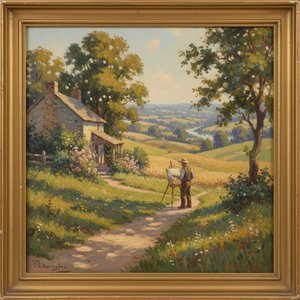
Julian Alden Weir: A Quiet Master of American Impressionism & Rural Life
Discover Julian Alden Weir, a leading American Impressionist painter celebrated for his serene landscapes & depictions of rural life. Explore his artistic evolution, influence on 'The Ten', and legacy at Weir Farm.

Silent Narratives: Exploring the Enduring Appeal of Still Life Painting Across Centuries
Explore the rich history of still life painting with OriginalUniqueArt. Discover Dutch Masters, decode vanitas symbolism & learn about collecting timeless art. Expert insights and museum-quality reproductions.

Paul Cézanne 25 Mesterműve: A Modern Művészet Úttörői | OriginalUniqueArt
Fedezze fel Paul Cézanne 25 legikonikusabb művét! Ismerje meg a posztimpresszionizmus úttörőjének festményeit, technikáját és inspirációit. Vászonképek, portrék, tájképfestmények – minden otthonba. Böngéssze gyűjteményünket a OriginalUniqueArt-on!
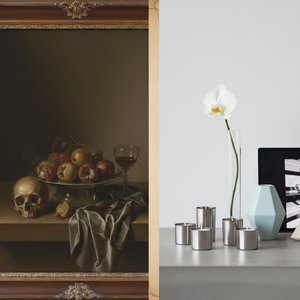
The Enduring Appeal of Still Life: A Historical & Contemporary Exploration
Explore the rich history & symbolism of still life painting with OriginalUniqueArt. Discover masterpieces from the Dutch Golden Age, learn about vanitas art, and find expert guidance for collecting timeless artworks.

A benyomásosok mesterművei: 10 ikonikus festmény a művészetben és otthonában
Fedezze fel a 10 legikonikusabb impresszionista festményt! Monet, Renoir és más mesterek művészete életre kel OriginalUniqueArt.com-on. Vászonképek, faliképek – inspirálja otthonát a benyomásosok színeivel és hangulatával! Explore the full collection online.

