Megtekintés
 Küldés
 Megosztás
 Részletek
 Útmutató

 Letöltés
 Hasonló darabok
 X-ray felvétel
 Diavetítés
 Kérdések és válaszok
 Statisztika
Christ

- 80.0 x 60.0 cm


 Összes részlet megjelenítése
Giclée / Műnyomat
Múzeumi minőségű giclée vagy vászonnyomat, gyors gyártással és rugalmas finomítási lehetőségekkel. ( Kézzel festett másolat rendelése Áttérés digitális képre)




P118B Ft10

P118H Ft10

P118W Ft10

P438Z Ft10

P508JH Ft12

P508YH Ft12

P805H Ft10

P805Z Ft10

P919BZ Ft10

P919G Ft10

P919XJ Ft10

P959ZH Ft10

P968JZ Ft12

W106C Ft8

W218G Ft10

W218JH Ft8

W218Y Ft10

W307PJ Ft10

W316G Ft10

W316PJ Ft8

W316Y Ft10

W398PJ Ft8

W4111J Ft10

W500HY Ft15

W500JH Ft15

W692G Ft12

W849H Ft8

W940BG Ft15

W953PJ Ft8




Válasszon előre meghatározott méreteink közül, amelyek megfelelnek a műalkotás eredeti arányainak.

Írja be a keretének vagy a falának megfelelő szélességet és magasságot. A nyomatot csak le lehet vágni, soha nem tehető nagyobbá, mint az eredeti kép, így egy eltérő alakú méretnél a kép egy része elveszik. Mielőtt bármit kinyatintanánk, küldünk egy digitális próbamodellt jóváhagyásra. Az oldalon látható kép nem tartalmazza a valós levágást — ezt csak a próbamodell mutatja meg.
Világszerte történő kiszállítás területére mindössze 2 hét alatt, a szokásos 4-5 hét helyett. (6 november)

Ingyenes globális expressz szállítás

Prémium minőségű len vászon

Teljes körű szállítási biztosítás

Vámvisszatérítési Garancia

Hiteles színarányosság garancia

100 napos visszaküldési lehetőség (csak hibás termékek esetén)

100% pénzvisszatérítési garancia

Több darab vásárlásakor kedvezmény
 Az üvegkeretes opció csak 110 cm alatti méretben érhető el

Christ
Giclée / Műnyomat
Reprodukció mérete
-


Összesített ár
Ft 26460
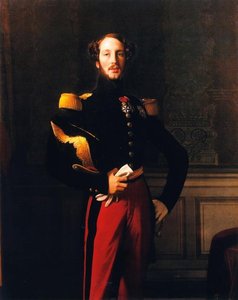
A Timeless Portrait of Serenity: Ingres’s ‘Christ’
Jean-Auguste-Dominique Ingres's “Christ,” painted in 1834, is more than just a depiction of the subject of Christian faith; it’s an embodiment of classical ideals rendered with breathtaking precision and imbued with a profound sense of calm. Measuring 80 x 60 cm, this oil on canvas work immediately draws the viewer into its serene world, showcasing Ingres's mastery of the neo-classical style – a style defined by clean lines, subtle color palettes, and an almost obsessive attention to detail. The painting’s impact stems not just from its subject matter but from the artist’s deliberate choices in composition and technique, creating a visual experience that transcends time.
The Language of Neo-Classicism
Ingres was a pivotal figure in the neo-classical movement, rejecting the dramatic flourishes of the Romantic era in favor of a return to the clarity and order of ancient Greece and Rome. “Christ” exemplifies this approach perfectly. The subject’s pose – hands raised towards the heavens – is deliberately reminiscent of classical sculpture, evoking notions of piety, contemplation, and connection with the divine. The smooth, polished surfaces achieved through Ingres' meticulous brushwork contribute to a sense of monumental stillness, further emphasizing the painting’s formal qualities. Notice how the light falls across Christ’s form, highlighting his musculature in a way that recalls idealized representations of the human body found in ancient statues – a testament to Ingres’s deep understanding and respect for classical art history.
Technical Mastery and Color Palette
The painting's technical execution is remarkable. Executed in oil on canvas, Ingres employed a layering technique that builds up depth and texture with incredible subtlety. The color palette is restrained – primarily composed of muted blues, browns, and creams – contributing to the overall atmosphere of tranquility. This deliberate choice avoids any sense of emotional excess, allowing the viewer’s focus to remain firmly fixed on Christ's face and hands. The artist’s control over light and shadow further enhances the painting’s realism, creating a three-dimensional effect that invites close inspection.
Symbolism and Emotional Resonance
Beyond its formal qualities, “Christ” carries significant symbolic weight. The raised hands are not merely a gesture of prayer; they represent surrender, faith, and the acceptance of divine will. Christ’s expression – serene, almost beatific – conveys a sense of peace and hope, offering a visual representation of spiritual solace. The painting's enduring appeal lies in its ability to evoke these powerful emotions, connecting with viewers on a deeply personal level. It is a reminder of humanity's search for meaning and purpose, a timeless theme explored through the lens of Ingres’s artistic genius.
A Legacy of Beauty
"Christ" by Jean-Auguste-Dominique Ingres remains a cornerstone of neo-classical art. Its meticulous detail, balanced composition, and profound sense of serenity continue to captivate audiences today. This reproduction offers an exceptional opportunity to experience the beauty and intellectual depth of one of Ingres’s most celebrated works – a piece that speaks volumes about the enduring power of classical ideals and the artist's unparalleled skill.
Kérdések és válaszok
Hol tudom letölteni a(t) „Christ”, Ingres alkotása?
A „Christ”, Ingres alkotása letölthető a mű Letöltés oldaláról, magas felbontású digitális kép letöltése formátumban.
Milyen érzést közvetít ajándékként a "Christ"?
A „Christ”, Ingres alkotása Calm hangulata tökéletesen illeszkedik a javasolt ajándékozási alkalomhoz: Wedding.
A "Christ" egy híres Neo-Classical Style művészeti alkotás?
A katalógban a Neo-Classical Style művek körében a "Christ" Iconic rangsorolást kapott.
A művész életrajza
A Legacy of Line and Form: The World of Jean-Auguste-Dominique Ingres
Jean-Auguste-Dominique Ingres, a name synonymous with Neoclassical precision and an almost sculptural approach to painting, occupies a unique position in the history of art. Born in Montauban, France, in 1780, his artistic journey was one of unwavering dedication to classical ideals, tempered by a burgeoning sensuality and a willingness to challenge convention. Ingres wasn’t merely replicating the past; he was engaging in a profound dialogue with it, forging a style that would both define an era and anticipate the revolutions to come.
His early life provided a solid foundation for his future artistic pursuits. His father, Jean-Marie-Joseph Ingres, was himself a painter and sculptor, instilling in young Dominique a love for form and technique from a tender age. This initial training was followed by studies at the Académie Royale de Peinture, Sculpture et Architecture in Toulouse, where he honed his skills under Guillaume-Joseph Roques. However, it was his move to Paris in 1797 and subsequent apprenticeship with Jacques-Louis David that truly set him on his path. David, the leading figure of Neoclassicism, imparted a rigorous discipline and an emphasis on line, form, and historical subject matter – principles that would remain central to Ingres’s work throughout his career.
The Pursuit of Ideal Beauty
Ingres' artistic philosophy was deeply rooted in admiration for the Italian Renaissance masters—Raphael, in particular, served as a constant source of inspiration. He believed in the power of line to define form and convey emotion, striving for an idealized beauty that transcended mere representation. This pursuit is evident in his early works, such as The Ambassadors of Agamemnon in the Tent of Achilles (1801), which earned him the prestigious Prix de Rome. The painting showcases his meticulous attention to detail, precise draftsmanship, and a clear narrative focus—hallmarks of Neoclassical style.
However, Ingres wasn’t simply a copyist. He gradually developed a distinctive voice, infusing classical principles with a unique blend of sensuality and psychological insight. His portraits, in particular, demonstrate this evolution. While maintaining the formal elegance characteristic of Neoclassicism, he began to subtly distort forms and spaces, creating an unsettling yet captivating effect that foreshadowed the expressive distortions of later movements like Cubism. Portrait of Monsieur Bertin (1833-1834), with its elongated hands and intense gaze, is a prime example of this innovative approach.
Beyond History: Orientalism and Late Masterpieces
While celebrated for his historical and mythological paintings—like The Vow of Louis XIII (1827)—Ingres also explored other genres, most notably Orientalism. His depictions of exotic scenes and female nudes, such as The Turkish Bath (1862), completed when he was an astonishing 83 years old, reveal a fascination with the sensual and the mysterious. These works, though sometimes criticized for their idealized representations, demonstrate his continued willingness to experiment and push boundaries.
Ingres’s later career saw him navigate a changing artistic landscape. The rise of Romanticism challenged the dominance of Neoclassicism, but Ingres remained steadfast in his commitment to classical ideals while simultaneously incorporating elements of Romantic sensibility into his work. He became a highly influential teacher, shaping the next generation of artists and solidifying his position as a bridge between tradition and modernity.
A Lasting Influence
Jean-Auguste-Dominique Ingres died in Paris in 1867, leaving behind a legacy that continues to resonate today. His emphasis on line, form, and idealized beauty profoundly influenced artists across generations. Remarkably, his work captivated even those who championed radically different styles—artists like Henri Matisse and Pablo Picasso admired his innovative approach to composition and his ability to imbue classical forms with a sense of vitality and emotion.
Ingres’s paintings are now housed in major museums around the world, serving as testaments to his enduring artistic vision. He remains a pivotal figure in art history—a master who not only preserved the traditions of the past but also paved the way for the future. His work invites us to contemplate the nature of beauty, the power of line, and the timeless allure of classical ideals.
Notable Works
- The Ambassadors of Agamemnon in the Tent of Achilles (1801)
- The Vow of Louis XIII (1827)
- Portrait of Monsieur Bertin (1833-1834)
- The Turkish Bath (1862)
- Grande Odalisque (1814)

Ingres
1780 - 1867 , Franciaország
Rövid információk
- Artistic Movement Or Style: Neoklasszicizmus
- Artists Or Movements Influenced By This Artist:
- Matisse
- Picasso
- Artists Who Influenced This Artist:
- David
- Poussin
- Raffaello
- Date Of Birth: 1780. augusztus 29.
- Date Of Death: 1867. jan. 14.
- Full Name: Jean-Auguste-Dominique Ingres
- Nationality: Francia
- Notable Artworks:
- Ambassadorok
- Veszvét
- Bertin portréja
- Török fürdő
- Nagy Odaliszka
- Place Of Birth: Montauban, Francia
Kapcsolódó cikkek

The Enduring Legacy of Oil on Canvas: Technique, History & Aesthetic Impact
Explore the rich history & techniques of oil painting – from Renaissance masters to Impressionism. Discover pigments, layering methods, and why this timeless medium endures. Expert insights for artists & art enthusiasts.

A Neoklasszicizmus 10 Mesterműve: Klasszikus Stílusú Festmények és Dekorációk a OriginalUniqueArt-on
Fedezze fel a neoklasszicizmus 10 legikonikusabb műalkotását! Jacques-Louis David, Ingres és más mesterek klasszikus festményeinek története. Vászonképek, faliképek - inspirálja otthonát OriginalUniqueArt.com kínálatával! Fedezze fel a teljes gyűjteményt online.

The Soul of Impressionism: Why Oil on Canvas Captures Eternal Light and Timeless Emotion
Discover the enchanting alchemy of Impressionism. Explore how the mastery of oil on canvas, through glazing and impasto, captures eternal light and emotion. Perfect for lovers of Monet and Van Gogh seeking the profound depth of hand-painted fine art.

Oil on Canvas: A Historical & Technical Exploration of a Timeless Artistic Medium
Explore the rich history & enduring techniques of oil painting on canvas. Discover the science behind its longevity, conservation practices, and contemporary relevance. Expert insights for art enthusiasts.

Az olajfestészet örökös hagyatéka: technika, történelem és kortárs gyakorlat
Fedezze fel az olajfestészet történetét, technikáit és a kortárs művészeti trendeket! Szakértői útmutatók, híres festők alkotásai és tippek az olajfestmény ápolásához. Inspirálódjon most!