 Megtekintés
 Küldés
 Megosztás
 Részletek
 Útmutató

 Letöltés
 Hasonló darabok
 X-ray felvétel
 Diavetítés
 Q&A
Q&A Statisztika
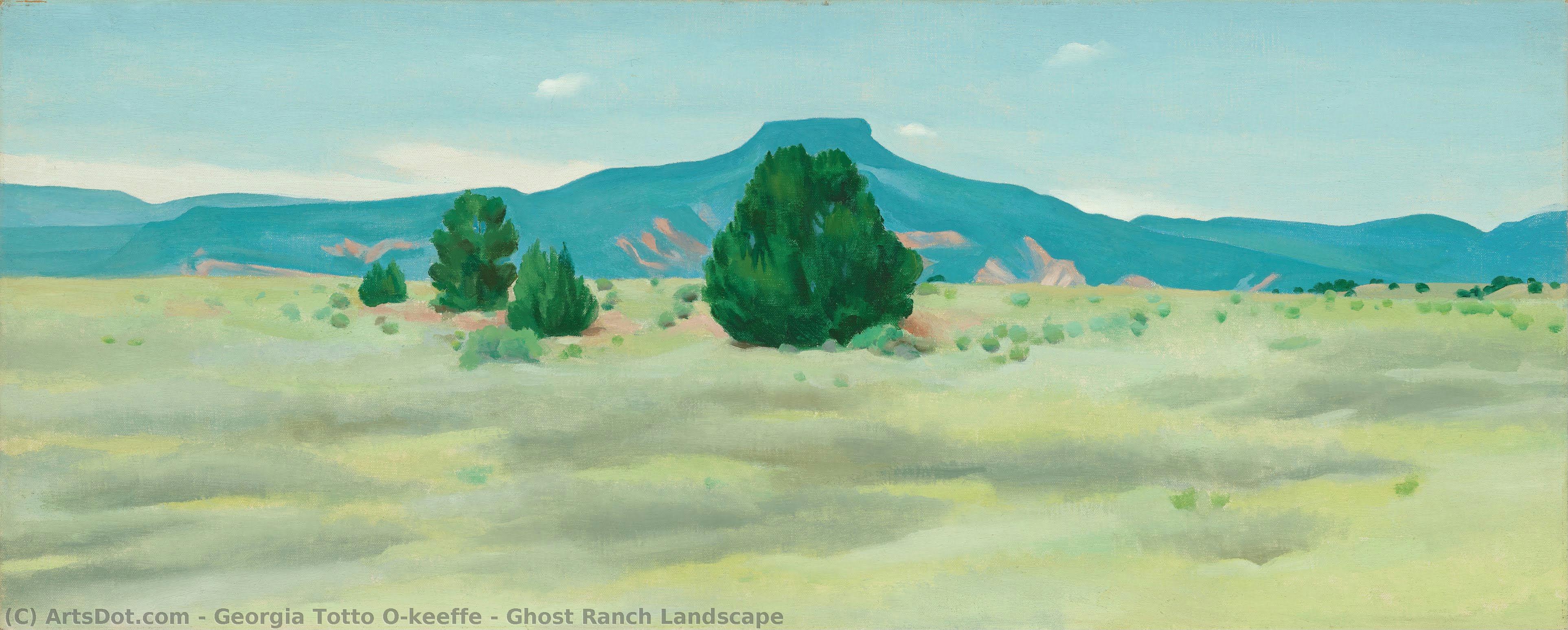
Ghost Ranch Landscape


 Összes részlet megjelenítése
Az ezen az oldalon megjelenített műalkotások szerzői jogi védelem alatt állnak, ami azt jelenti, hogy törvényileg nem készíthetünk és nem adhatunk el belőlük pontos másolatokat. Ez a védelem olyan nemzetközi megállapodások alapján érvényesül, mint például a Berni Egyezmény és a nemzeti jogszabályok által, beleértve azokat is, amelyeket meghatározott Az USA szerzői jogi törvénye – 17. cím.
Ez a módszer teljes mértékben megfelel a szerzői jogi szabályozásnak, mivel nem tartalmazza a védett műalkotás másolását vagy duplikálását. Ehelyett ez egy kreatív újinterpretáció – egy új festmény, amely az eredetivel való összefüggései miatt hatással van rá, de nem az az.
Giclée / Műnyomat
Múzeumi minőségű giclée vagy vászonnyomat, gyors gyártással és rugalmas finomítási lehetőségekkel. ( Kézzel festett másolat rendelése Áttérés digitális képre)




P118B Ft10

P118H Ft10

P118W Ft10

P438Z Ft10

P508JH Ft12

P508YH Ft12

P805H Ft10

P805Z Ft10

P919BZ Ft10

P919G Ft10

P919XJ Ft10

P959ZH Ft10

P968JZ Ft12

W106C Ft8

W218G Ft10

W218JH Ft8

W218Y Ft10

W307PJ Ft10

W316G Ft10

W316PJ Ft8

W316Y Ft10

W398PJ Ft8

W4111J Ft10

W500HY Ft15

W500JH Ft15

W692G Ft12

W849H Ft8

W940BG Ft15

W953PJ Ft8




Válasszon előre meghatározott méreteink közül, amelyek megfelelnek a műalkotás eredeti arányainak.

Írja be a keretének vagy a falának megfelelő szélességet és magasságot. A nyomatot csak le lehet vágni, soha nem tehető nagyobbá, mint az eredeti kép, így egy eltérő alakú méretnél a kép egy része elveszik. Mielőtt bármit kinyatintanánk, küldünk egy digitális próbamodellt jóváhagyásra. Az oldalon látható kép nem tartalmazza a valós levágást — ezt csak a próbamodell mutatja meg.
Világszerte történő kiszállítás területére mindössze 2 hét alatt, a szokásos 4-5 hét helyett. (2 november)

Ingyenes globális expressz szállítás

Prémium minőségű len vászon

Teljes körű szállítási biztosítás

Vámvisszatérítési Garancia

Hiteles színarányosság garancia

100 napos visszaküldési lehetőség (csak hibás termékek esetén)

100% pénzvisszatérítési garancia

Több darab vásárlásakor kedvezmény
 Az üvegkeretes opció csak 110 cm alatti méretben érhető el

Ghost Ranch Landscape
Giclée / Műnyomat
Reprodukció mérete
-


Összesített ár
Ft 26198
Georgia O’Keeffe's Ghost Ranch Landscape: A Meditation on Southwestern Silence
The painting “Ghost Ranch Landscape,” created in 1936 by Georgia O’Keeffe, transcends mere depiction; it embodies a profound stillness—a visual echo of the arid beauty and contemplative spirit of New Mexico. More than just capturing a vista, O’Keeffe transforms the rugged terrain into an emblem of resilience and inner peace, reflecting her own artistic philosophy rooted in simplification and observation.Subject Matter and Composition
At first glance, the landscape presents itself as deceptively serene. Dominating the lower half of the canvas is a relatively flat expanse punctuated by sparse shrubs and trees—primarily juniper bushes—that cling to the hillside. A single, mature tree stands prominently in the center, anchoring the composition and drawing the eye upwards towards Pedernal Peak, which rises majestically in the distance. This peak, a geological landmark significant to Pueblo culture and O’Keeffe herself, serves as a focal point for contemplation. The artist meticulously rendered the textures of the earth—the rough bark of the tree, the prickly foliage of the shrubs—creating an immersive experience for the viewer.Style and Technique: Minimalism Embodied
O’Keeffe's approach to painting exemplifies the tenets of American Modernism championed by artists like Arthur Wesley Dow. Rejecting academic realism, she prioritized conveying emotion through reductive forms and harmonious color palettes. The landscape is rendered in oil on canvas using a technique characterized by thick impasto—a layering of paint that builds up substantial texture—particularly around the tree trunk and branches. This tactile quality invites viewers to engage with the artwork physically, mirroring O’Keefe's desire to capture not just what she saw but how it *felt*. The color scheme is muted yet deliberate: earthy browns and ochres dominate, punctuated by subtle hints of violet and crimson—colors that evoke the hues of twilight and imbue the scene with an aura of melancholy beauty.Historical Context and Artistic Influences
Painted during O’Keeffe's formative years in New Mexico, “Ghost Ranch Landscape” reflects her growing fascination with Southwestern landscapes and Native American culture. Inspired by Dow’s teachings—specifically his emphasis on distilling visual experience into its essential elements—O’Keefe sought to distill the grandeur of the desert into a single, evocative image. The painting aligns itself with the broader modernist movement's rejection of traditional conventions and embrace of subjective expression. It anticipates O’Keeffe’s later explorations of abstraction, where she would further reduce forms and colors to convey pure emotion—a stylistic trajectory that cemented her legacy as one of America’s most influential artists.Symbolism: Resilience and Inner Reflection
Beyond its aesthetic qualities, “Ghost Ranch Landscape” carries symbolic weight. The tree represents strength and endurance—a visual metaphor for O’Keeffe's own unwavering determination to pursue her artistic vision despite obstacles. Pedernal Peak symbolizes permanence and spiritual contemplation—a reminder of the enduring beauty of the natural world and the importance of introspection. The overall stillness of the scene speaks to a deeper yearning for serenity and acceptance—themes that resonate powerfully with O’Keeffe's personal philosophy and contribute to the painting’s lasting emotional impact. It is a testament to O’Keefe’s ability to transform observation into profound artistic expression, capturing not just what she saw but what it meant to her soul.Kérdések és válaszok
Hová sorolható a Georgia O'Keeffe pályájának mely szakaszába a "Ghost Ranch Landscape"?
A "Ghost Ranch Landscape" Georgia O'Keeffe alkotói pályájának Mature Period szakaszát képviseli.
Milyen más nevét vagy álneveit használ még Georgia O'Keeffe?
Georgia O'Keeffe a következő más néven is ismert: Georgia Totto OKeeffe.
„Ghost Ranch Landscape”, Georgia O'Keeffe alkotása színei élénkek vagy fakók?
A „Ghost Ranch Landscape”, Georgia O'Keeffe alkotása színei Balanced Soft telítettséget és Vivid intenzitást mutatnak be.
A művész életrajza
Early Life and Artistic Foundations
Georgia Totto O’Keeffe, a name synonymous with American modernism, emerged from the unassuming landscape of Sun Prairie, Wisconsin, in 1887. Born into a family of Irish and Hungarian descent engaged in dairy farming, young Georgia displayed an artistic inclination early on, deciding by age ten that she would dedicate her life to art. This determination was nurtured through lessons with local watercolorist Sara Mann, followed by formal studies at the School of the Art Institute of Chicago from 1905 to 1906 and later at the University of Virginia. However, it was her encounter with Arthur Wesley Dow’s principles – emphasizing personal expression and a harmonious balance of color and line – that truly ignited her artistic path. Dow's teachings steered O’Keeffe away from strict realism toward a more subjective and emotionally resonant approach to art, an approach that would define her career. These formative years weren’t without their challenges; periods of illness and dissatisfaction led her to temporarily abandon painting, but the creative impulse always drew her back, evolving with each new experience and influence.New York and the Stieglitz Circle
A pivotal moment arrived in 1916 when O’Keeffe’s abstract charcoal drawings were discovered by Alfred Stieglitz, a renowned photographer and art dealer. He exhibited her work without her prior knowledge, sparking a dialogue that would profoundly shape both their lives and the course of American art. Stieglitz recognized an exceptional talent in O’Keeffe, one that resonated with his own modernist sensibilities. He invited her to New York City in 1918, providing not only professional support but also fostering a deep personal connection. Their relationship blossomed into marriage in 1924, creating a dynamic artistic partnership and intellectual exchange. Stieglitz championed O’Keeffe’s work, showcasing it at his gallery “291” and promoting her as a leading figure in the American avant-garde. During this period, she began to develop her signature style – bold, simplified forms and intensely saturated colors – initially expressed through depictions of New York skyscrapers and, most famously, magnified flower paintings. These floral works, often interpreted (though consistently denied by O’Keeffe herself) as veiled representations of female anatomy, challenged conventional notions of beauty and sexuality in art.The Allure of the Southwest
While New York provided a crucial platform for her early success, it was the landscapes of the American Southwest that truly captured O’Keeffe’s imagination and profoundly influenced her artistic vision. Her first visit to New Mexico in 1929 marked the beginning of a lifelong love affair with the region's stark beauty, vibrant colors, and unique cultural heritage. The vastness of the desert, the dramatic rock formations, and the ancient Pueblo architecture resonated deeply within her, inspiring a new series of paintings that reflected the spirit of the land. Works like *Cow’s Skull: Red, White, and Blue* (1931) and *Summer Days* (1936) are powerful testaments to this influence, transforming seemingly mundane objects into iconic symbols of the American West. She eventually settled permanently in New Mexico in 1949 following Stieglitz’s death, establishing a home and studio in Abiquiu that became integral to her artistic process and identity.Technique and Style
O'Keeffe’s distinctive style evolved over decades, yet certain elements remained constant. She favored large-scale canvases, often employing a limited palette of intense colors – reds, blues, yellows, and greens – to create dramatic effects. Her brushwork was typically loose and expressive, prioritizing the suggestion of form over precise detail. She frequently used a technique called “pushing,” where she applied paint in layers, building up texture and depth through repeated applications. This method created a shimmering surface that seemed to vibrate with energy. O’Keeffe's compositions were often carefully constructed, with elements arranged to create a sense of balance and harmony. Her subjects—flowers, landscapes, animals—were rendered with an almost sculptural quality, emphasizing their three-dimensionality and inviting viewers to contemplate them from multiple perspectives. The influence of Arthur Wesley Dow is evident in her use of color and line, but O’Keeffe ultimately developed a unique visual language that was both intensely personal and profoundly influential.Legacy and Enduring Influence
Georgia O'Keeffe continued to paint prolifically throughout her life, experimenting with new subjects and pushing the boundaries of abstraction. Her later works included aerial views of clouds and skies, reflecting a fascination with the vastness and ethereal quality of the natural world. She remained fiercely independent and uncompromising in her artistic vision, refusing to be categorized or defined by prevailing art movements. O’Keeffe’s impact on American art is immeasurable. She paved the way for future generations of female artists, challenging societal norms and asserting her own unique voice in a male-dominated field. Her paintings continue to captivate audiences with their bold simplicity, emotional depth, and evocative power. The establishment of the Georgia O'Keeffe Museum in Santa Fe in 1997 further solidified her legacy, preserving her art and providing a space for ongoing scholarship and appreciation. In 2014, *Jimson Weed/White Flower No. 1* sold for $44.4 million, setting a record price for a work by a female artist – a testament to the enduring value and significance of her artistic contribution. O’Keeffe's influence extends beyond painting; she became an icon of American individualism and self-reliance, inspiring countless artists and admirers with her unwavering commitment to her craft and her unique perspective on the world. Her work remains a powerful reminder of the transformative power of art and the enduring beauty of the natural world.Key Works & Museum Presence
- Red Canna: Exemplifies her early exploration of floral abstraction.
- Cow’s Skull: Red, White, and Blue (1931): A powerful symbol of the American Southwest and a meditation on mortality.
- Summer Days (1936): Captures the essence of the New Mexico landscape with its vibrant colors and simplified forms.
- Jimson Weed/White Flower No. 1: A monumental floral painting that showcases her mastery of scale and composition.
- Georgia O'Keeffe Museum (Santa Fe)
- Museum of Modern Art (New York)
- Art Institute of Chicago
- National Gallery of Art (Washington, D.C.)

Georgia O'Keeffe
1887 - 1986 , Egyesült Államok
Rövid információk
- Artistic Movement Or Style: Modernizmus
- Artists Or Movements Influenced By This Artist:
- Dow
- Modernizmus
- Artists Who Influenced This Artist:
- Arthur Dow
- Stieglitz
- Date Of Birth: November 15, 1887
- Date Of Death: March 6, 1986
- Full Name: Georgia Totto O'Keeffe
- Nationality: Amerikai
- Notable Artworks:
- Red Canna
- Kosfej
- Summer Days
- Place Of Birth: Sun Prairie, USA
Kapcsolódó cikkek

A Romantikus Tájképfestészet 10 Legikonikusabb Műalkotása – OriginalUniqueArt.com
Fedezze fel a romantikus tájképfestészet 10 legikonikusabb műalkotását! Caspar David Friedrich, J.M.W. Turner és más mesterek festményeinek története – inspiráló olajfestmények otthonába. OriginalUniqueArt.com: múzeumi minőségű reprodukciók és egyedi dekorációk online.

Evocations of Place: A Historical Journey Through Landscape Art
Explore the rich history of landscape art with OriginalUniqueArt. Discover renowned artists, movements like Impressionism & tonalism, and expert guidance for collecting timeless pieces. Find your perfect serene escape today!

John Constable 25 Mesterműve: A Természet Lényege Vászonon – OriginalUniqueArt.com
Fedezze fel John Constable 25 legszebb művészeti alkotását! Ismerje meg a romantika ikonikus tájképeit, Dedham Vale szépségét és a természet lenyűgöző ábrázolásait. Vászonkép reprodukcióinkkal eleganciát csempészhet otthonába – OriginalUniqueArt.com

Georgia O'Keeffe: Redefining Modernism Through Symbolism & the American Landscape
Explore the captivating world of Georgia O'Keeffe! Discover her groundbreaking flower paintings, New Mexico landscapes & lasting impact on American Modernism. Expert analysis and insights.

Evocations of Place: A Historical Journey Through Landscape Art
Explore the rich history of landscape art with OriginalUniqueArt. Discover renowned artists, movements like Impressionism & Romanticism, and expert guidance for collecting timeless pieces. Find your perfect serene escape today!


