Megtekintés
 Küldés
 Megosztás
 Részletek
 Útmutató

 Letöltés
 Hasonló darabok
 X-ray felvétel
 Diavetítés
 Statisztika
Triptych


 Összes részlet megjelenítése
Giclée / Műnyomat
Múzeumi minőségű giclée vagy vászonnyomat, gyors gyártással és rugalmas finomítási lehetőségekkel. ( Kézzel festett másolat rendelése Áttérés digitális képre)




P118B Ft10

P118H Ft10

P118W Ft10

P438Z Ft10

P508JH Ft12

P508YH Ft12

P805H Ft10

P805Z Ft10

P919BZ Ft10

P919G Ft10

P919XJ Ft10

P959ZH Ft10

P968JZ Ft12

W106C Ft8

W218G Ft10

W218JH Ft8

W218Y Ft10

W307PJ Ft10

W316G Ft10

W316PJ Ft8

W316Y Ft10

W398PJ Ft8

W4111J Ft10

W500HY Ft15

W500JH Ft15

W692G Ft12

W849H Ft8

W940BG Ft15

W953PJ Ft8




Válasszon előre meghatározott méreteink közül, amelyek megfelelnek a műalkotás eredeti arányainak.

Írja be a keretének vagy a falának megfelelő szélességet és magasságot. A nyomatot csak le lehet vágni, soha nem tehető nagyobbá, mint az eredeti kép, így egy eltérő alakú méretnél a kép egy része elveszik. Mielőtt bármit kinyatintanánk, küldünk egy digitális próbamodellt jóváhagyásra. Az oldalon látható kép nem tartalmazza a valós levágást — ezt csak a próbamodell mutatja meg.
Világszerte történő kiszállítás területére mindössze 2 hét alatt, a szokásos 4-5 hét helyett. (27 október)

Ingyenes globális expressz szállítás

Prémium minőségű len vászon

Teljes körű szállítási biztosítás

Vámvisszatérítési Garancia

Hiteles színarányosság garancia

100 napos visszaküldési lehetőség (csak hibás termékek esetén)

100% pénzvisszatérítési garancia

Több darab vásárlásakor kedvezmény
 Az üvegkeretes opció csak 110 cm alatti méretben érhető el

Triptych
Giclée / Műnyomat
Reprodukció mérete
-


Összesített ár
Ft 25827
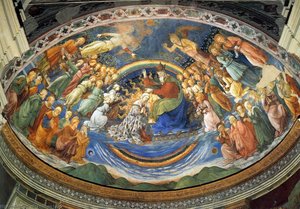
A Vision in Tempera: Exploring Fra Filippo Lippi's Triptych
To stand before a work like this Triptych by Fra Filippo Lippi is to step directly into the luminous heart of the Early Renaissance. Dating from 1437, this piece transcends mere decoration; it is a profound meditation on faith, humanity, and divine mystery, rendered with an exquisite delicacy that speaks volumes of its creator's genius. The very structure—the three distinct yet harmoniously connected panels—invites the viewer into a narrative journey, guiding the eye from one sacred moment to the next.
Lippi, a master whose life was as complex as his art, captured the burgeoning spirit of humanism within deeply religious iconography. His ability to imbue monumental subjects with such palpable tenderness is what makes this triptych so enduringly captivating. The meticulous application of tempera paint allows for a jewel-like vibrancy in the colors, while the underlying structure speaks to an emerging mastery of perspective, giving weight and believable depth to every figure.
Composition and Sacred Narrative
The genius of the composition lies in its tripartite division, each panel serving as a self-contained yet related devotional scene. In the central focus, we encounter the Madonna and Child, a timeless tableau where Mary’s serene blue cloak speaks of purity, cradling the vibrant life symbolized by the infant Jesus robed in red. Flanking this core mystery are supporting figures—on the left, perhaps a bishop or cardinal holding scripture, grounding the scene in scholarly tradition; and on the right, another saintly figure contemplating sacred texts.
The architectural elements visible in the background, reminiscent of grand Gothic cathedrals, serve not only as setting but as symbolic anchors to the enduring Church. These scenes are richly framed by elaborate gold borders, which do more than simply adorn; they elevate the depicted moments to an almost ethereal plane of opulence and sanctity.
Technique and Material Brilliance
The choice of tempera medium is crucial to appreciating this artwork's technical brilliance. This egg-based paint allowed Lippi unparalleled control, enabling him to achieve those breathtakingly fine details—the folds in the drapery, the delicate rendering of halos, the subtle expressions on the faces.
When considering a reproduction of such a piece for your home or collection, understanding this technique is key. The luminosity achieved by tempera is unlike oil paint; it possesses a matte, jewel-toned richness that speaks to centuries of careful craftsmanship. It is a testament to the artist's hand, where every brushstroke feels deliberate and imbued with purpose.
Symbolism and Emotional Resonance
Beyond the narrative, the triptych pulses with deep symbolism. The interplay between the rich blues, the passionate reds, and the solemn greens creates a visual vocabulary of divinity, humanity, and sacrifice. It is an artwork that does not merely depict holiness; it evokes the *feeling* of reverence. For the modern collector or designer, this piece offers more than just aesthetic beauty; it offers a focal point for contemplation—a quiet corner imbued with historical weight and spiritual depth.
To bring such a masterpiece into your space is to invite a dialogue between Renaissance artistry and contemporary life. It suggests an appreciation for enduring narratives, meticulous skill, and the profound beauty found at the intersection of art and faith.
Kérdések és válaszok
Mely művészeti irányba és mely korszakba sorolható a „Triptych”, Filippo Lippi alkotása?
„Triptych”, Filippo Lippi alkotása alkotásművében a Early Renaissance irányzat találkozik a Reneszánsz korszakkal.
Milyen technikával készült a „Triptych”, Filippo Lippi alkotása?
A „Triptych”, Filippo Lippi alkotása technikája Tempera. A reprodukciók célja ezen technika megjelenítésének hiteles återadása.
Megtekinthető a "Triptych" teljes képernyős diaporámaként is?
A "Triptych" diaporámája megtekinthető a mű Diaváltás oldalán.
A művész életrajza
A Florentine Rebel: The Life and Art of Filippo Lippi
Filippo di Tommaso Lippi, a name forever intertwined with both artistic brilliance and scandalous intrigue, stands as one of the most compelling figures of the Italian Renaissance. Born in Florence around 1406 to a butcher father and a mother who tragically died shortly after his birth, young Filippo’s early life was marked by profound loss and an unusual upbringing. He was entrusted to the care of his aunt, Mona Lapaccia, a woman whose unconventional methods – including reportedly sending him out to beg for discarded grapes – shaped his early experiences and perhaps contributed to his later rebellious spirit. At the tender age of eight, he entered the Carmelite convent, a decision that would profoundly influence both his artistic development and the trajectory of his life.From Religious Vows to Artistic Innovation
The cloistered walls of the Carmelite priory provided Filippo with an education far beyond the typical monastic routine. He quickly demonstrated a remarkable aptitude for learning, though not necessarily in traditional subjects; accounts suggest he spent much of his time filling books with caricatures rather than studying scripture. However, it was within this environment that his passion for painting truly ignited. Giorgio Vasari, the renowned art historian, recounts how Lippi became utterly captivated by Masaccio’s groundbreaking frescoes in the Brancacci Chapel – an encounter that served as a pivotal catalyst for his artistic evolution. Masaccio's innovative use of light, perspective, and naturalism profoundly impacted Lippi, leading him to abandon the more rigid conventions of earlier devotional art. His early works, such as the *Tarquinia Madonna*, reveal this nascent influence: a newfound realism begins to emerge, subtly challenging established norms. Yet, Lippi was not merely an imitator; he quickly developed his own distinctive style – characterized by lyrical grace, delicate coloring, and a remarkable ability to infuse religious scenes with a sense of intimacy and human connection.A Master of Composition and Controversy
Lippi’s artistic career flourished in Florence, where he gained recognition for his skill and garnered commissions from prominent families, including the powerful Medici clan. His works during this period – such as *The Annunciation and the Seven Saints* – demonstrate a mastery of composition, incorporating intricate symbolism and elegant detail. The *Coronation of the Virgin*, completed in 1441 for the nuns of Sant’Ambrogio, stands out as particularly significant; it features a half-length figure that many scholars believe to be a self-portrait of Lippi himself – a bold declaration of artistic identity within a context where religious art often prioritized anonymity. However, Lippi's life was far from serene. He frequently faced financial difficulties, legal disputes, and accusations of forgery, fueled by his unconventional lifestyle and rumored indiscretions. The most sensational episode involved his abduction of Lucrezia Buti, a nun from Prato, with whom he eventually married after years of scandal and controversy – an act that defied societal expectations and cemented his reputation as a rebellious figure.The Scandalous Marriage and Artistic Flourishing
Despite the turmoil surrounding his personal life, Lippi continued to produce some of the most beautiful and celebrated works of the Florentine Renaissance. His workshop became a breeding ground for future masters, including Sandro Botticelli and Francesco di Pesello (Pesellino), both of whom benefited from Lippi’s tutelage and went on to achieve significant acclaim in their own right. His influence can be seen throughout Florentine painting during the late Quattrocento – a period marked by a shift towards greater emotional expression and a more humanistic approach to religious subjects. Works like *The Annunciation* showcase his ability to blend spiritual piety with worldly realism, creating images that are both deeply moving and visually stunning. Lippi’s technical skill was exceptional; he possessed an unparalleled mastery of color, composition, and detail, earning him the admiration of contemporaries such as Giorgio Vasari, who described his work as “astonishingly graceful” and “finely composed.”Legacy and Influence
Filippo Lippi died in Spoleto in 1469, leaving behind a legacy that continues to fascinate and inspire. His life – a blend of artistic genius, scandalous romance, and unwavering defiance of convention – serves as a potent reminder of the complexities inherent in Renaissance Italy. His art remains a testament to the power of human creativity and the enduring allure of beauty, solidifying his place as one of the most important and captivating figures of the Italian Renaissance. His story is not simply that of a painter; it’s the tale of a man who dared to challenge societal norms, embrace personal happiness, and leave an indelible mark on the art world.
Filippo Lippi
1406 - 1469 , Olaszország
Rövid információk
- Artistic Movement Or Style: Quattrocento
- Artists Or Movements Influenced By This Artist: ['Botticelli']
- Artists Who Influenced This Artist: ['Masaccio']
- Date Of Birth: 1406 körül
- Date Of Death: 1469
- Full Name: Filippo di Tommaso Lippi
- Nationality: Olasz
- Notable Artworks:
- Tarquinia Madonna
- Az Ítélet
- Szent György
- Place Of Birth: Firenze, Olaszország
Kapcsolódó cikkek
Filippo Lippi: Bridging Renaissance Devotion & Artistic Innovation
Explore the life & revolutionary art of Filippo Lippi, a pivotal Renaissance painter. Discover his masterpieces, influence on Botticelli, and investment potential. Expert analysis at OriginalUniqueArt.
Raphael 25 Mesterműve: A Reneszánsz Zsenialitása – Vásároljon Kiváló Minőségű Reprodukciókat!
Fedezze fel Raphael 25 legpárásabb műalkotását! Olvasson a reneszánsz zsenialitásáról, festészeti technikáiról és ikonikus képeiről. Vásároljon exkluzív olajfestmény reprodukciókat otthona díszítésére a OriginalUniqueArt.com-on!

Filippino Lippi: Renaissance Innovation Bridging Faith & Humanism
Explore the captivating world of Filippino Lippi, a Renaissance master bridging faith & humanism through innovative art. Discover his key works, influences, and lasting legacy with OriginalUniqueArt.
Fra Angelico Mesterek: A 25 Legszebb Műalkotás a Lelki Békeért – OriginalUniqueArt.com
Fedezze fel Fra Angelico 25 legszebb műalkotását! Reneszánsz festmények, angyalok és spirituális ikonfestészet a firenzei iskola mesterétől. Vásároljon exkluzív olajfestmény reprodukciókat otthonába a OriginalUniqueArt.com-on. Explore the full collection online!
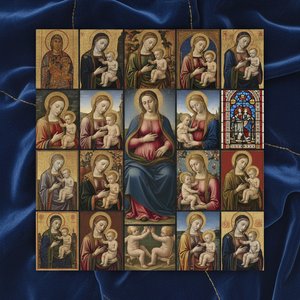
Divine Love: A Curated Guide to the Most Iconic Madonna and Child Masterpieces in Art History
Embark on a sophisticated journey through art history with our curated guide to the most iconic Madonna and Child masterpieces. Discover the profound beauty, theological depth, and enduring legacy of these sacred Renaissance treasures.