A szöveg mérete

() ·

Egy Önnek készült, kézzel festett alkotás

Triptych

Kézzel készített olajfestmény reprodukció

Kézzel festett olajvastú vászon, az Ön által választott méretben és keretben, művészeink készítik meglévőre. ( Váltás nyomtatványra Áttérés digitális képre)

A gyűjtemény leírása

Experience the vibrant Early Renaissance depth of Lippi's Triptych, featuring Madonna and Child scenes with meticulous detail; discover this masterpiece today.

A művész életrajza

Lippo Lippi (1406-1469): A szenvedélyes életű, de kiváló festő, aki a reneszánsz lírai madonáival és innovatív kompozícióival hódított. A Botticelli mestertanár volt! Fedezd fel az életét és művészetét!

előbb ·

1. fejezet

Mekkora méretű legyen?

Húzza a csúszkát a méret megváltoztatásához; a bal oldali kép a keret valós szélességét mutatja. Az eredeti arányok megmaradnak.

Standard méret
egyedi méretű
CM
INCH

Válasszon előre meghatározott méreteink közül, amelyek megfelelnek a műalkotás eredeti arányainak.

szélesség
magasság

Írja be a kívánt szélességet és magasságot, hogy illeszkedjen a keretéhez vagy a falához. Mivel ez kézzel festett alkotás, egy eltérő formájú méret esetén a művész akár festhet is valamivel többet a kép körül, vagy korolathat is belőle — az Ön döntésének megfelelően. A festés megkezdése előtt küldünk egy digitális tervezetet jóváhagyásra. Az oldalon látható kép nem tartalmazza a végeredményt — csak a tervezet mutatja meg a valódi eredményt.

2. fejezet

Hogyan érkezzen meg?

Válaszd ki a feszített vászon széleit

Válassza ki a keretet

Corner sample of the WhiteWrap canvas edge finish, stretched on tömörfa bars
Fehér Ft1
Corner sample of the BlurSideWrap canvas edge finish, stretched on tömörfa bars
Elmosódott szélek Ft1
Corner sample of the ExtendedWrap canvas edge finish, stretched on tömörfa bars
Kiterjesztett Ft1
Corner sample of the P118B picture frame: formázott polisztirol, 5 cm wide and 3 cm thick
P118B Ft10
Corner sample of the P118H picture frame: formázott polisztirol, 5 cm wide and 3 cm thick
P118H Ft10
Corner sample of the P118W picture frame: formázott polisztirol, 5 cm wide and 3 cm thick
P118W Ft10
Corner sample of the P438Z picture frame: formázott polisztirol, 5.5 cm wide and 3.5 cm thick
P438Z Ft10
Corner sample of the P508JH picture frame: formázott polisztirol, 7 cm wide and 3.5 cm thick
P508JH Ft12
Corner sample of the P508YH picture frame: formázott polisztirol, 7 cm wide and 3.5 cm thick
P508YH Ft12
Corner sample of the P805H picture frame: formázott polisztirol, 5 cm wide and 3.5 cm thick
P805H Ft10
Corner sample of the P805Z picture frame: formázott polisztirol, 5 cm wide and 3.5 cm thick
P805Z Ft10
Corner sample of the P919BZ picture frame: formázott polisztirol, 7 cm wide and 3.5 cm thick
P919BZ Ft10
Corner sample of the P919G picture frame: formázott polisztirol, 7 cm wide and 3.5 cm thick
P919G Ft10
Corner sample of the P919XJ picture frame: formázott polisztirol, 7 cm wide and 3.5 cm thick
P919XJ Ft10
Corner sample of the P959ZH picture frame: formázott polisztirol, 5 cm wide and 3 cm thick
P959ZH Ft10
Corner sample of the P968JZ picture frame: formázott polisztirol, 6 cm wide and 4 cm thick
P968JZ Ft12
Corner sample of the W106C picture frame: tömörfa, 5 cm wide and 3 cm thick
W106C Ft8
Corner sample of the W218G picture frame: tömörfa, 5 cm wide and 3 cm thick
W218G Ft10
Corner sample of the W218JH picture frame: tömörfa, 5 cm wide and 3 cm thick
W218JH Ft8
Corner sample of the W218Y picture frame: tömörfa, 5 cm wide and 3 cm thick
W218Y Ft10
Corner sample of the W307PJ picture frame: tömörfa, 6 cm wide and 3 cm thick
W307PJ Ft10
Corner sample of the W316G picture frame: tömörfa, 6 cm wide and 3 cm thick
W316G Ft10
Corner sample of the W316PJ picture frame: tömörfa, 6 cm wide and 3 cm thick
W316PJ Ft8
Corner sample of the W316Y picture frame: tömörfa, 6 cm wide and 3 cm thick
W316Y Ft10
Corner sample of the W398PJ picture frame: tömörfa, 5 cm wide and 3 cm thick
W398PJ Ft8
Corner sample of the W4111J picture frame: tömörfa, 6.5 cm wide and 3.5 cm thick
W4111J Ft10
Corner sample of the W500HY picture frame: tömörfa, 7 cm wide and 5 cm thick
W500HY Ft15
Corner sample of the W500JH picture frame: tömörfa, 7 cm wide and 5 cm thick
W500JH Ft15
Corner sample of the W692G picture frame: tömörfa, 8 cm wide and 4 cm thick
W692G Ft12
Corner sample of the W849H picture frame: tömörfa, 5 cm wide and 3 cm thick
W849H Ft8
Corner sample of the W940BG picture frame: tömörfa, 7.5 cm wide and 4.5 cm thick
W940BG Ft15
Corner sample of the W953PJ picture frame: tömörfa, 6 cm wide and 3.5 cm thick
W953PJ Ft8
Corner sample of the H24-GOLD picture frame: faragott fa gesszóval, 10 cm wide and 6 cm thick
H24-GOLD Ft30
Corner sample of the H24-SILVER picture frame: faragott fa gesszóval, 10 cm wide and 6 cm thick
H24-SILVER Ft30
Corner sample of the H36-GOLD picture frame: faragott fa gesszóval, 15 cm wide and 6.5 cm thick
H36-GOLD Ft45
Corner sample of the H36-SILVER picture frame: faragott fa gesszóval, 15 cm wide and 6.5 cm thick
H36-SILVER Ft45

Keretprofil: . A kerettel együtt vett teljes méret: .

3. fejezet

Ki festi, és változtatni kellene-e bármit?

Példák a módosíthatóságra: Az arc kicserélése a vásárló fotójára; háziállat hozzáadása (pl. macska kicserélése kutyára); rejtett üzenet elhelyezése a háttérben; a háttér tájéképének vagy elemeinek megváltoztatása.
A megrendelést követően a OriginalUniqueArt.com csapat e-mailt küld a vásárlónak az instrukciókkal, és biztosítja a tervezeti előnézetet

Világszerte elérhető szállítás () 3-4 hét alatt a szokásos 5 hét helyett. (4 november). A minőség nem kérdőjelezhető.

4. fejezet

Az utolsó finomhangolás

Egy felirat, mint egy múzeumban?

A gravírozott bronztábla részletei

This elegant plaque features the artist's name and the title of the artwork, finely engraved for a timeless presentation.

It is made from bronze with a refined, elegant finish. The text is precisely laser-engraved for a sharp and permanent result. Measuring 9x2 cm, the plaque is compact yet easy to read. It's built to be durable and scratch-resistant, offering a professional, museum-quality look. Mounting is simple thanks to the included adhesive backing.

Átlátszó akril tábla részletei

The plaque includes essential engraved details such as the artist's name, the title of the artwork, the date it was created, the type of media used-like oil on canvas or watercolor-a brief description of the piece, and a QR code that links to the complete artwork information.

It is crafted from clear acrylic, offering a sleek, modern appearance. The text is UV-engraved in black to ensure strong visual contrast. With a size of 10x15 cm, it ensures optimal readability. It comes equipped with two metal hooks for secure wall mounting. The plaque is designed to be weather-resistant, making it suitable for various environments, and it includes interactive features that work seamlessly with smartphone scanning.

Fekete akril tábla részletei

This elegant plaque includes engraved information such as the artist's name, the title of the artwork, the date it was created, the type of media used (like oil on canvas or watercolor), a short description of the artwork, and a QR code for quick access to more information.

The plaque itself is made from refined black acrylic with a premium finish. The text is laser-engraved in white for high contrast and readability. Its size is 10x15 cm, designed to be easy to read. It comes with two metal hooks for professional mounting. The design is sleek and fits any interior style. It is also weather-resistant and durable, with built-in digital integration for mobile compatibility.

Egy védőréteg?

Mikor lenne szüksége rá?

5. fejezet

Az Ön által megrendelt festmény

Triptych

Reprodukciós technika

Reprodukció mérete

-

Kiváló mesterművész

Nagyobb részletesség, finomság és bővített gyártási idő

-

Reprodukció keretezése

-

-

A bármely oldalsó méretét túlszálaló 105 cm (kb. 41 hüvelyk) meghaladó műalkotások vagy reprodukciók esetében a keret összeszerelhető készletként, szétszerelve kerül szállításra. Ez a módszer biztosítja a biztonságos szállítást, és megakadályozza a szállítás során fellépő sérüléseket.

Szakmész összeszerelést igényel – ez nem DIY (önösszeszerelhető) termék.
A készletet egy tapasztalt keretező szakembernek kell összeszerelnie és a vásznat feszítenie kell, fa ragasztó (nem tartalmazza a csomag), vásznfeszítő fogó és szorítók használatával, amelyek a ragasztó száradásáig a keretrészeket egymáshoz vuôngjba tartják. A helytelen összeszerelés vagy a nem egyenletes vásznfeszítés maradandó károsíthatja a műalkotást, és ez nem része a garanciánknak.

  • A készlet tartalmazza az összes tömörfa rudat, pontosan méretre vágva.

  • A mellékelt csavarokkal, valamint a sarokszerekhez szükséges faütő ragasztóval kell összeszerelnie (ez nem tartalmazható a csomagban), így a keretrendezőnek külön kell beszereznie.

  • A csomag nem tartalmazza a szükséges professzionális eszközöket: egy vászonfeszítőt és klipseket a rácsok vízszintes tartásához a ragasztó megszáradásáig.

Fontos:
A sarokcsatlakozásokhoz fánylagra van szükség, a keretrudakat szorítókapcsokkal kell rögzíteni, amíg a rag teljesen meg nem szárad, a kész keretre feszített vászonhoz pedig vászonfeszítő fogat szükséges. Ezek egyike sem található meg a készletben. Kérjük, rendelés előtt győződjön meg róla, hogy rendelkezik tapasztalt keretező szakemberrel.

Névtábla

-

-

Védőréteg (Lakk)

Fényes lakk (intenzívabb színek, védelem a fény és a nedvesség hatása ellen)

-

Műalkotásom egyedi igényre szabása

Példák a módosíthatóságra: az arc kicserélése az ügyfél fotójára; háziállat hozzáadása (pl. macska helyett kutya); rejtett üzenet elhelyezése a háttérben; a háttér tájainak vagy elemeinek megváltoztatása.

-

Sürgős

Világszerte szóló szállítás () mindössze 3-4 hét alatt, a szokásos 5 hét helyett. (4 november). A minőség nem kérdőjelezhető.

-

Express szállítás

Világszerte elérhető szállítás területre 5 héten belül. (11 november).

A szállítás díja tartalmazza

Összesített ár

Ft 97410

Összesített ár Ft 97410

Az üvegkeretes opció csak 110 cm alatti méretben érhető el

Minden rendelés mellé tartalmazva

  • Ingyenes globális expressz szállítás
  • Prémium minőségű len vászon
  • Teljes körű szállítási biztosítás
  • Vámvisszatérítési Garancia
  • Hiteles színarányosság garancia
  • 100 napos visszaküldési lehetőség (csak hibás termékek esetén)
  • 100% pénzvisszatérítési garancia
  • Több darab vásárlásakor kedvezmény

A Vision in Tempera: Exploring Fra Filippo Lippi's Triptych

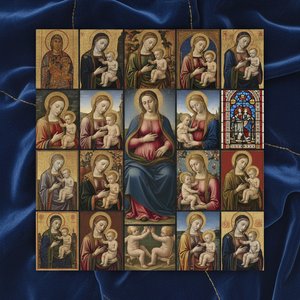
To stand before a work like this Triptych by Fra Filippo Lippi is to step directly into the luminous heart of the Early Renaissance. Dating from 1437, this piece transcends mere decoration; it is a profound meditation on faith, humanity, and divine mystery, rendered with an exquisite delicacy that speaks volumes of its creator's genius. The very structure—the three distinct yet harmoniously connected panels—invites the viewer into a narrative journey, guiding the eye from one sacred moment to the next.

Lippi, a master whose life was as complex as his art, captured the burgeoning spirit of humanism within deeply religious iconography. His ability to imbue monumental subjects with such palpable tenderness is what makes this triptych so enduringly captivating. The meticulous application of tempera paint allows for a jewel-like vibrancy in the colors, while the underlying structure speaks to an emerging mastery of perspective, giving weight and believable depth to every figure.

Composition and Sacred Narrative

The genius of the composition lies in its tripartite division, each panel serving as a self-contained yet related devotional scene. In the central focus, we encounter the Madonna and Child, a timeless tableau where Mary’s serene blue cloak speaks of purity, cradling the vibrant life symbolized by the infant Jesus robed in red. Flanking this core mystery are supporting figures—on the left, perhaps a bishop or cardinal holding scripture, grounding the scene in scholarly tradition; and on the right, another saintly figure contemplating sacred texts.

The architectural elements visible in the background, reminiscent of grand Gothic cathedrals, serve not only as setting but as symbolic anchors to the enduring Church. These scenes are richly framed by elaborate gold borders, which do more than simply adorn; they elevate the depicted moments to an almost ethereal plane of opulence and sanctity.

Technique and Material Brilliance

The choice of tempera medium is crucial to appreciating this artwork's technical brilliance. This egg-based paint allowed Lippi unparalleled control, enabling him to achieve those breathtakingly fine details—the folds in the drapery, the delicate rendering of halos, the subtle expressions on the faces.

When considering a reproduction of such a piece for your home or collection, understanding this technique is key. The luminosity achieved by tempera is unlike oil paint; it possesses a matte, jewel-toned richness that speaks to centuries of careful craftsmanship. It is a testament to the artist's hand, where every brushstroke feels deliberate and imbued with purpose.

Symbolism and Emotional Resonance

Beyond the narrative, the triptych pulses with deep symbolism. The interplay between the rich blues, the passionate reds, and the solemn greens creates a visual vocabulary of divinity, humanity, and sacrifice. It is an artwork that does not merely depict holiness; it evokes the *feeling* of reverence. For the modern collector or designer, this piece offers more than just aesthetic beauty; it offers a focal point for contemplation—a quiet corner imbued with historical weight and spiritual depth.

To bring such a masterpiece into your space is to invite a dialogue between Renaissance artistry and contemporary life. It suggests an appreciation for enduring narratives, meticulous skill, and the profound beauty found at the intersection of art and faith.

Kérdések és válaszok

A „Triptych”, Filippo Lippi alkotása a keresett Early Renaissance művészeti alkotások közé tartozik?

A „Triptych”, Filippo Lippi alkotása a Iconic kategóriába tartozik, és a Early Renaissance irányzat részeként tekinthető.

Mely művészeti irány része a „Triptych”, Filippo Lippi alkotása?

A „Triptych”, Filippo Lippi alkotása művészeti irányata a Early Renaissance. Ez a klasszifikáció a művet a kapcsolódó alkotók és alkotások közé sorolja.

Hogyan ötvölik a kontraszt és a harmónia a(z) "Triptych" alkotásban?

A "Triptych" alkotásban egy Statement kontraszt párosul egy Balanced Harmony harmóniával.

Több információ erről a festményről

Megtekintés AR előnézet Váltás nyomtatványra Áttérés digitális képre Küldés
Részletek Útmutató Kedvencekhez ad Letöltés Hasonló darabok X-ray felvétel Diavetítés Kérdések és válaszok Statisztika

Számokban kifejezve

  • 1437a festés éve
  • 29választható keretek
  • standard méretek, saját arányokkal
  • 5hetek a festésre és a kézbesítésre
Filippo Lippi

Filippo Lippi

1406 - 1469, Olaszország

Gyors információk Filippo Lippi művészről

  • Artistic Movement Or Style: Quattrocento
  • Artists Or Movements Influenced By This Artist: ['Botticelli']
  • Artists Who Influenced This Artist: ['Masaccio']
  • Date Of Birth: 1406 körül
  • Date Of Death: 1469
  • Full Name: Filippo di Tommaso Lippi
  • Nationality: Olasz
  • Notable Artworks:
    • Tarquinia Madonna
    • Az Ítélet
    • Szent György
  • Place Of Birth: Firenze, Olaszország

A művész életrajza

A Florentine Rebel: The Life and Art of Filippo Lippi

Filippo di Tommaso Lippi, a name forever intertwined with both artistic brilliance and scandalous intrigue, stands as one of the most compelling figures of the Italian Renaissance. Born in Florence around 1406 to a butcher father and a mother who tragically died shortly after his birth, young Filippo’s early life was marked by profound loss and an unusual upbringing. He was entrusted to the care of his aunt, Mona Lapaccia, a woman whose unconventional methods – including reportedly sending him out to beg for discarded grapes – shaped his early experiences and perhaps contributed to his later rebellious spirit. At the tender age of eight, he entered the Carmelite convent, a decision that would profoundly influence both his artistic development and the trajectory of his life.

From Religious Vows to Artistic Innovation

The cloistered walls of the Carmelite priory provided Filippo with an education far beyond the typical monastic routine. He quickly demonstrated a remarkable aptitude for learning, though not necessarily in traditional subjects; accounts suggest he spent much of his time filling books with caricatures rather than studying scripture. However, it was within this environment that his passion for painting truly ignited. Giorgio Vasari, the renowned art historian, recounts how Lippi became utterly captivated by Masaccio’s groundbreaking frescoes in the Brancacci Chapel – an encounter that served as a pivotal catalyst for his artistic evolution. Masaccio's innovative use of light, perspective, and naturalism profoundly impacted Lippi, leading him to abandon the more rigid conventions of earlier devotional art. His early works, such as the *Tarquinia Madonna*, reveal this nascent influence: a newfound realism begins to emerge, subtly challenging established norms. Yet, Lippi was not merely an imitator; he quickly developed his own distinctive style – characterized by lyrical grace, delicate coloring, and a remarkable ability to infuse religious scenes with a sense of intimacy and human connection.

A Master of Composition and Controversy

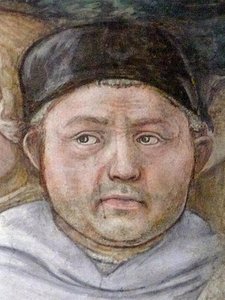
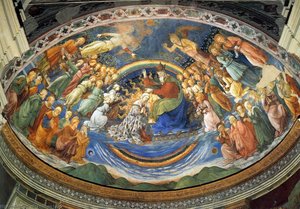
Lippi’s artistic career flourished in Florence, where he gained recognition for his skill and garnered commissions from prominent families, including the powerful Medici clan. His works during this period – such as *The Annunciation and the Seven Saints* – demonstrate a mastery of composition, incorporating intricate symbolism and elegant detail. The *Coronation of the Virgin*, completed in 1441 for the nuns of Sant’Ambrogio, stands out as particularly significant; it features a half-length figure that many scholars believe to be a self-portrait of Lippi himself – a bold declaration of artistic identity within a context where religious art often prioritized anonymity. However, Lippi's life was far from serene. He frequently faced financial difficulties, legal disputes, and accusations of forgery, fueled by his unconventional lifestyle and rumored indiscretions. The most sensational episode involved his abduction of Lucrezia Buti, a nun from Prato, with whom he eventually married after years of scandal and controversy – an act that defied societal expectations and cemented his reputation as a rebellious figure.

The Scandalous Marriage and Artistic Flourishing

Despite the turmoil surrounding his personal life, Lippi continued to produce some of the most beautiful and celebrated works of the Florentine Renaissance. His workshop became a breeding ground for future masters, including Sandro Botticelli and Francesco di Pesello (Pesellino), both of whom benefited from Lippi’s tutelage and went on to achieve significant acclaim in their own right. His influence can be seen throughout Florentine painting during the late Quattrocento – a period marked by a shift towards greater emotional expression and a more humanistic approach to religious subjects. Works like *The Annunciation* showcase his ability to blend spiritual piety with worldly realism, creating images that are both deeply moving and visually stunning. Lippi’s technical skill was exceptional; he possessed an unparalleled mastery of color, composition, and detail, earning him the admiration of contemporaries such as Giorgio Vasari, who described his work as “astonishingly graceful” and “finely composed.”

Legacy and Influence

Filippo Lippi died in Spoleto in 1469, leaving behind a legacy that continues to fascinate and inspire. His life – a blend of artistic genius, scandalous romance, and unwavering defiance of convention – serves as a potent reminder of the complexities inherent in Renaissance Italy. His art remains a testament to the power of human creativity and the enduring allure of beauty, solidifying his place as one of the most important and captivating figures of the Italian Renaissance. His story is not simply that of a painter; it’s the tale of a man who dared to challenge societal norms, embrace personal happiness, and leave an indelible mark on the art world.

Gyors információk

  • Location: Albertina Academy of Fine Arts
  • Artistic style: Renaissance art
  • Year: 1437
  • Title: Triptych
  • Medium: Tempera painting

Művészeti kvíz

Minden kérdésre csak egy helyes válasz létezik.

Kérdés 1:
What is the title of the artwork discussed?
Kérdés 2:
In what year was this Triptych by Fra Filippo Lippi created?
Kérdés 3:
What primary artistic medium was used for this painting?
Kérdés 4:
Which panel of the triptych typically depicts the Madonna and Child?
Kérdés 5:
Fra Filippo Lippi was known for his connection to which religious order?