Pointers In A Landscape (Edwin Cooper)
Edwin Cooper (1785–1833) megalkotta: Pointers In A Landscape.

 Megtekintés

 Kézzel festett olajfestmény
 Küldés
 Megosztás
 Információs lap


 Letöltés
 Hasonló darabok
 X-ray felvétel
 Diavetítés
 Kérdések és válaszok

 Statisztika
Pointers In A Landscape röviden
- Cím
- Pointers In A Landscape
- Művész
- Edwin Cooper (1785–1833)
- A művész születési helye
- Bury St Edmunds, United Kingdom
- Téma
- landscape
Pointers In A Landscape nagy felbontású képei
Felfüggesztett szerzői jogok: a művész 1833-ben halt meg.
Edwin Cooper, Pointers In A Landscape. Felfüggeszthető jogforrás
A színeket egy digitális szakértő az eredetivel megegyezővé állította, a fájlt finom retusáláson segítve, hűen visszaadva a művész ecsettöredékét.
Töltse le a nagy felbontású fájltPointers In A Landscape kapcsán felmerülő kérdések megválaszolva
Mit ábrázol a „Pointers In A Landscape”, Edwin Cooper alkotása?
„Pointers In A Landscape”, Edwin Cooper alkotása a következőket ábrázolja: landscape.
A „Pointers In A Landscape” művészeti alkotás mentes a szerzői jogoktól?
A „Pointers In A Landscape”, Edwin Cooper alkotása közösségi tulajdon – a szerzői jog lejártt státuszú mű. Ez a jogi státusz határozza meg, hogy a mű képmásolata hogyan reproduzható.
Ki a "Pointers In A Landscape" mögött álló művész?
A "Pointers In A Landscape" alkotója Edwin Cooper. A mű Edwin Cooper nevére van katalógusozva.
Mi magyarázza a „Pointers In A Landscape”, Edwin Cooper alkotása szerzői jogi helyzetét?
Edwin Cooper alkotása, a "Pointers In A Landscape", közösségi tulajdon – a szerzői jog lejártt státuszban van. A szerzői jogi védelem a művész halálától számítod, Edwin Cooper pedig 1833 évben hunyt meg.
A művészről: Edwin Cooper
1785–1833, United Kingdom
Edwin Cooper
A Life Painted in Light: The World of Edwin Cooper Edwin Cooper, born in 1785 and passing in 1833, remains a somewhat enigmatic figure within the landscape of 19th-century British art. While not enjoying the widespread renown of contemporaries like Turner or Constable, his work possesses a quiet dignity and a meticulous attention to detail that speaks volumes about the era’s evolving artistic sensibilities. Cooper's paintings, often depicting idyllic rural scenes and historical narratives, offer a fascinating glimpse into the social and aesthetic values of the time. His career unfolded during a period of significant change – the transition from Neo-Classicism towards Romanticism – and his art reflects this tension between order and emotion, restraint and passion.
Edwin Cooper további művei
 Michael Beverley With His Whipper In And Harriers,1831
 London To Glasgow Royal Mail On The Open Road
 Preparing to set off
 A foxhound and her litter
Esszék a Pointers In A Landscape körül
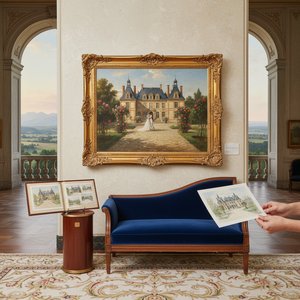 Örökítsük meg esküvői helyszínedet egyedi festményen – A tájképi műalkotások népszerűsége a történelmi terekben és egzotikus célállomásokon házasodó párok körébenÖrökítsük meg esküvője egyedi festményen! Professzionális művészekkel készítünk tájképeket történelmi helyszínekről és egzotikus célállomás…
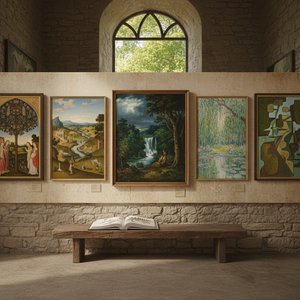 Evoking Eden: Nature's Enduring Presence in Painting Across Historical MovementsExplore the rich history of landscape painting from ancient times to modern art! Discover renowned artists like Monet & Robinson, learn abo…
 The Art of Noticing: How Masterpiece Landscapes Capture Quiet ObservationDiscover how masters like Corot use light to capture stillness. Explore the profound art of landscape observation today.