


1


Frissítve: október 2026 · rangsorolva népszerűségi pontszámunk alapján (minden mű keresései, látogatásai és megrendelései alapján) · 25 mű Edwin Cooper alkotása a katalógusunkban
Röviden
Michael Beverley With His Whipper In And Harriers, (1831) az a Edwin Cooper festmény, amely a legtöbb tekintetet felvonja. Ezután a tekintet London To Glasgow Royal Mail On The Open Road és "Banker", a Racehorse Belonging to Frederick, Duke of York elemre irányul. A Edwin Cooper 25 műve közül a katalógusunkban megtalálható 25 legnépesebb alkotás, melyeket az év, a múzeum és az örökévalóságának okai kísérnek.


 A Gentleman Driving Tandem To A Jaunting CaYale Center for British Art
12
 A Bay Hunter In A LandscapeCalke Abbey
13
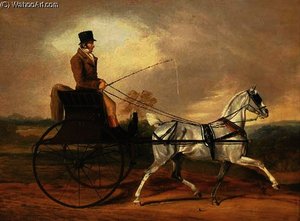 A gentleman riding a horse and gig
14A foxhound and her litter
15
 A Grey Carriage Horse In A StableCalke Abbey
16
 A Huntsman Leading A Bay Hunter, With Hounds Outside Kennels
17
 A Chestnut Hunter And A Terrier In An Extensive Landscape
18
 Elevation Of The Public Library, Marylebone Road
19
 Preparing to set off
20
 A Chestnut Hunter And A Grey Hunter By A Manger, With A River Landscape Beyond
21
 Lord grosvenor's enterprise winning from waty and hannibal at brighton races
22
 A liver chestnut in an extensive landscape
23
 Fighting Cocks
24
 Sir Jacob Astley, 6th Bt, 16th Baron Hastings, On A Grey Hunter, With Huntsmen And Hounds At Melton Constable
25
 A Sportsman With Shooting Pony And Gun DogsYale Center for British Art
A négy leggyakorobban előforduló téma ebben az eredeti művekben, mindegyik a legkiválóbb példájával.
A 3 olyan múzeum, amely a legtöbb ezen az oldalon szereplő festményet őrzi.
| Múzeum | Város | Edwin Cooper művei | Ebből a listából származó festmények |
|---|---|---|---|
 Calke Abbey |
3 | A Chestnut Hunter In A Field, A Bay Hunter In A Landscape, A Grey Carriage Horse In A Stable | |
 Yale Center for British Art |
New Haven | 2 | A Gentleman Driving Tandem To A Jaunting Ca, A Sportsman With Shooting Pony And Gun Dogs |
 Royal Collection |
London | 1 | "Banker", a Racehorse Belonging to Frederick, Duke of York |
Az összes itt látható, 1831 évszámmal ellátott Edwin Cooper eredeti mű, amely egyetlen évre, 1831-rees sorozatosan vonatkozik: a népszerűség szerint, sorrendben jelennek meg.
Váasszon egy évet az eredetiek megtekintéséhez.
Michael Beverley With His Whipper In And Harriers, (1831). Ezt követi London To Glasgow Royal Mail On The Open Road és "Banker", a Racehorse Belonging to Frederick, Duke of York.
46 éves: Michael Beverley With His Whipper In And Harriers, 1831-ből származik, Edwin Cooper pedig 1785-ben született.
Michael Beverley With His Whipper In And Harriers,, London To Glasgow Royal Mail On The Open Road, "Banker", a Racehorse Belonging to Frederick, Duke of York, A Chestnut Hunter In A Field, Pointers In A Landscape, Mounted Dragoon By The Sea, A Bay Hunter With A Dog By A Fence, Two Gentlemen With Their Hunters, In An Extensive Landscape, A dark bay horse and a terrier in a landscape és Three Greyhounds In A Landscape. A fenti rangsor a művek évszamarát és a múzeumát jelzi.
Katalógusunkban 25 mű található Edwin Cooper alkotótól.
Leginkább Calke Abbey, Yale Center for British Art (New Haven) és Royal Collection (London) található. A fenti múzeumi táblázatban mindegyik felsorolásra került.
Hunting (8), Landscape (7) és Beach (4), a jelen oldalon található 25 műművészeti alkotás között.
A Chestnut Hunter In A Field, A Bay Hunter In A Landscape és A Grey Carriage Horse In A Stable: a Calke Abbey 3 művet őrzi ezen az oldalon.


