
 Megtekintés
 Küldés
 Megosztás
 Részletek
 Útmutató

 Letöltés
 Hasonló darabok
 X-ray felvétel
 Diavetítés
 Kérdések és válaszok
 Statisztika
Montesquieu


 Összes részlet megjelenítése
Giclée / Műnyomat
Múzeumi minőségű giclée vagy vászonnyomat, gyors gyártással és rugalmas finomítási lehetőségekkel. ( Kézzel festett másolat rendelése Áttérés digitális képre)




P118B Ft10

P118H Ft10

P118W Ft10

P438Z Ft10

P508JH Ft12

P508YH Ft12

P805H Ft10

P805Z Ft10

P919BZ Ft10

P919G Ft10

P919XJ Ft10

P959ZH Ft10

P968JZ Ft12

W106C Ft8

W218G Ft10

W218JH Ft8

W218Y Ft10

W307PJ Ft10

W316G Ft10

W316PJ Ft8

W316Y Ft10

W398PJ Ft8

W4111J Ft10

W500HY Ft15

W500JH Ft15

W692G Ft12

W849H Ft8

W940BG Ft15

W953PJ Ft8




Válasszon előre meghatározott méreteink közül, amelyek megfelelnek a műalkotás eredeti arányainak.

Írja be a keretének vagy a falának megfelelő szélességet és magasságot. A nyomatot csak le lehet vágni, soha nem tehető nagyobbá, mint az eredeti kép, így egy eltérő alakú méretnél a kép egy része elveszik. Mielőtt bármit kinyatintanánk, küldünk egy digitális próbamodellt jóváhagyásra. Az oldalon látható kép nem tartalmazza a valós levágást — ezt csak a próbamodell mutatja meg.
Világszerte történő kiszállítás területére mindössze 2 hét alatt, a szokásos 4-5 hét helyett. (7 november)

Ingyenes globális expressz szállítás

Prémium minőségű len vászon

Teljes körű szállítási biztosítás

Vámvisszatérítési Garancia

Hiteles színarányosság garancia

100 napos visszaküldési lehetőség (csak hibás termékek esetén)

100% pénzvisszatérítési garancia

Több darab vásárlásakor kedvezmény
 Az üvegkeretes opció csak 110 cm alatti méretben érhető el

Montesquieu
Giclée / Műnyomat
Reprodukció mérete
-


Összesített ár
Ft 26460
A Stoic Vision: Claude Michel (Clodion)’s Bust of Montesquieu
The stark elegance of Claude Michel’s (Clodion) marble bust of Montesquieu, created in 1783, is more than a mere portrait; it's a distilled essence of Enlightenment thought captured in stone. This remarkable sculpture, now meticulously reproduced, offers a profound glimpse into the mind of the influential French philosopher and his era – an age defined by reason, reform, and the burgeoning spirit of intellectual liberty. The piece immediately commands attention with its dramatic simplicity: a seated figure, rendered in the cool, contemplative tones of classical Neoclassicism, presented against a backdrop that emphasizes both the subject’s gravitas and the sculpture's inherent power.
Clodion, born Benjamin West in 1738, was a pivotal figure bridging the worlds of American and European art. Initially trained by his father, a tavern keeper, he eschewed formal artistic education, instead developing an extraordinary talent through observation and tireless practice. This unconventional path shaped his unique style – characterized by a remarkable realism combined with a subtle theatricality. His early years in Pennsylvania instilled a deep appreciation for the natural world, which is subtly reflected in the meticulous detail of Montesquieu’s features, particularly the thoughtful furrow of his brow and the carefully rendered texture of his hair. The sculpture's creation coincided with West’s move to Paris, where he quickly gained recognition for his portraiture skills, often commissioned by European nobility.
The Language of Stone: Technique and Form
Clodion’s mastery lies in his ability to coax a remarkable sense of life from cold marble. The bust is executed with painstaking precision, utilizing the subtractive method – carefully chipping away at the stone to reveal the form beneath. This technique, perfected over decades, allows for an incredible level of detail, particularly evident in the subtle modeling of Montesquieu’s face and the folds of his drapery. Note the way light plays across the surface, creating a dynamic interplay of highlights and shadows that imbue the sculpture with a palpable sense of volume and depth. The smooth, polished finish speaks to Clodion's dedication to achieving an almost photographic realism – a testament to his keen eye for detail and his understanding of how light interacts with different materials.
The composition itself is carefully considered. Montesquieu’s seated posture conveys a sense of intellectual authority and quiet contemplation, while the elevated pedestal subtly reinforces his importance. The three-quarter view allows us to fully appreciate the nuances of his expression – a mixture of seriousness, wisdom, and perhaps even a hint of melancholy. The restrained use of drapery adds to the sculpture’s elegance without distracting from the central figure.
Symbolism and the Enlightenment
More than just a likeness, Clodion's bust is laden with symbolic meaning. Montesquieu, renowned for his theories on separation of powers and the importance of individual liberty, embodies the core tenets of the Enlightenment. His thoughtful gaze invites us to contemplate the complexities of governance and the pursuit of knowledge. The classical style itself – characterized by its emphasis on reason, order, and harmony – reflects the philosophical ideals that shaped the era. The choice of marble, a material associated with permanence and intellectual pursuits, further underscores the sculpture’s significance as a celebration of Enlightenment thought.
Furthermore, the bust's creation in 1783, just before the French Revolution, adds another layer of historical context. It represents a moment of intense intellectual ferment – a time when traditional hierarchies were being challenged and new ideas were rapidly spreading across Europe. The sculpture serves as a poignant reminder of the philosophical currents that ultimately led to profound social and political upheaval.
A Timeless Reflection: Emotional Impact and Reproduction
Clodion’s bust of Montesquieu is not merely an artistic achievement; it's a powerful emotional experience. The sculpture’s quiet dignity and intellectual intensity evoke a sense of reverence for the philosopher’s legacy and a reflection on our own pursuit of knowledge and understanding. The reproduction, meticulously crafted to capture every nuance of the original, offers a remarkable opportunity to bring this timeless work of art into your home or office.
Whether displayed as a statement piece in a study or a subtle accent in a salon, Clodion’s bust is sure to spark conversation and inspire contemplation. It's a testament to the enduring power of art to capture not only likeness but also the spirit of an age – a reminder that even across centuries, the pursuit of wisdom remains a fundamental human endeavor.
Kérdések és válaszok
Honnan érkeznek a „Montesquieu”, Claude Michel (Clodion) alkotása látogatói?
A "Montesquieu" számára létre van hozva egy Statisztikák oldal. Ez az oldal ábrázolja a mű és a művész többi alkotásának havi látogatottságát, országon és nyelvenként bontva.
Hogyan ötvöli a technika és a stílus magát a "Montesquieu" alkotást?
A "Montesquieu" alkotás Acrylic On Canvas technikával készült, a Neoclassical Style stílusban.
Mennyire világos összességében a "Montesquieu"?
Összességében a "Montesquieu" alkotás deep_shadow fényerőséget mutat. A tapasztalt fényerő azt írja le, hogy a mű mennyire tűnik világosnak vagy sötétnek.
Kapcsolódó cikkek

The Enduring Form: Exploring Themes & Techniques in Sculpture Across Historical Periods
Explore the rich history of sculpture from ancient masterpieces to contemporary innovations. Discover key techniques, influential artists & investment potential for discerning art collectors.
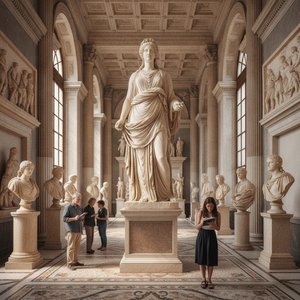
Timeless Grandeur: Exploring the Eternal Beauty and Art-Historical Legacy of Marble Sculpture
Explore the profound legacy of marble sculpture, from Classical antiquity to Neoclassical mastery. A definitive guide for elite collectors and designers seeking to integrate the luminous, eternal beauty of stone into sophisticated, high-end architectural spaces.

A művészettörténet 10 legikonikusabb bronzszobra – OriginalUniqueArt.com
Fedezze fel a művészettörténet 10 legikonikusabb bronzszobrát! Ismerje meg Rodint, Michelangelót és más mestereket. Luxus minőségű nyomatok otthonába – OriginalUniqueArt.com.

The Enduring Allure of Marble in Art History: From Classical Sculpture to Modern Abstraction
Explore the captivating history of marble sculpture from ancient Greece to modern art. Discover renowned artists like Canova & Michelangelo, carving techniques, and investment insights at OriginalUniqueArt.

Timeless Elegance: A Complete Guide to the Sublime Beauty and Artistry of Marble Sculpture
Discover the sublime beauty of marble art through an expert exploration of Renaissance and Neoclassical masterpieces. From the delicate textures of Carpeaux to the grandeur of Sansovino, immerse yourself in a guide to timeless elegance and sculptural perfection.