Fauvism · 1923
Nude (André Derain, 1923)
André Derain (1880–1954) megalkotta: Nude. 1923-ből származik. A Fauvism irányzathoz tartozik. Oil On Canvas anyagból készült. Mérete 44 × 58 cm.
- 1923
- Oil On Canvas
- 44 × 58 cm

 Megtekintés

 Kézzel festett olajfestmény
 Küldés
 Megosztás
 Információs lap


 Letöltés
 Hasonló darabok
 X-ray felvétel
 Diavetítés
 Kérdések és válaszok

 Statisztika
Nude röviden
- Cím
- Nude
- Művész
- André Derain (1880–1954)
- A művész születési helye
- Chatou, Franciaország
- Dátum
- 1923
- Műszaki adatok
- Oil On Canvas
- Méretek
- 44 × 58 cm
- Mozgalom
- Fauvism
- Időszak
- Modern
- Téma
- woman, nude, female figure, grayscale, seated woman
Mit ábrázol a Nude?
Identification of the Nude by André Derain
In this 1923 work, titled Nude, André Derain turns his attention to the quietude of the human form. The painting presents a nude female figure, captured in a moment of stillness that invites a closer, more intimate observation. It is a study of presence and form, rendered with a focus on the essential character of the subject.
The artist, André Derain, approaches the figure with a sense of restraint. Rather than relying on the loud, unmixed hues of his earlier Fauvist period, this piece reflects a more disciplined sensibility. The subject is seated and facing forward, occupying the central space of the composition. There is a certain gravity to her pose, suggesting a state of introspection or perhaps a quiet contemplation of her surroundings.
This work belongs to a period in the artist's career where structure and form began to take precedence. The figure is defined by simplified shapes and a deliberate use of line. It is a direct encounter with the subject, stripped of unnecessary distraction, allowing the viewer to focus entirely on the weight and volume of the female form as it exists within the frame.
Composition and Visual Elements
The figure is centrally positioned within the frame, creating a quiet sense of balance that draws the eye immediately to the subject. She is seated in a moment of stillness, her pose defined by arms crossed and resting upon her legs. This arrangement suggests a state of introspection or perhaps a simple, unhurried relaxation. The composition avoids complex spatial arrangements, opting instead for a relatively flat perspective that lacks a strong sense of depth, keeping the viewer's attention fixed on the immediate presence of the form.
There is a deliberate simplification in how the human form is rendered. The artist employs simplified geometric shapes to represent the body, using curves to trace the silhouette while sharper angles define the features of the face, such as the nose and eyebrows. This structural approach gives the figure a certain weight and presence despite the lack of environmental detail. The background remains largely undefined, which serves to isolate the subject and emphasize the contours of her body.
The palette is strictly monochromatic, relying on a controlled range of shades including gray, white, and black. Rather than using color to create volume, the artist uses subtle variations in tone to model the figure. Strong, visible brushstrokes define the contours of the body and the facial features. These lines are not blended into smooth transitions; instead, they retain an individual character that adds a tactile energy to the surface. The interplay between these textured strokes and the softer areas of the skin creates a visual rhythm that is both disciplined and expressive.
Technique and Material Details
This work is an oil on canvas, executed with a deliberate and tactile approach to the medium. The artist employs visible brushstrokes that remain unblended in many areas, creating a surface defined by its physical texture. These marks are not merely marks of application but are essential to the structural definition of the figure, providing a sense of energy and movement across the form.
There is a clear evidence of layering and careful blending used to achieve subtle tonal variations. This technique allows for a nuanced transition between light and shadow, giving the subject a sense of volume and presence. The interplay of these layers creates a depth that relies on the weight of the paint rather than a reliance on linear perspective. The result is a surface where the materiality of the oil paint is as much a part of the composition as the subject itself.
Nude nagy felbontású képei

Felfüggesztett szerzői jogok: a művész 1954-ben halt meg.
Egyéb méretek, kivágások és idézetforrás →André Derain, Nude (1923). Felfüggeszthető jogforrás
Nude kapcsán felmerülő kérdések megválaszolva
Mikor készült a(z) „Nude”, André Derain alkotása?
A „Nude”, André Derain alkotása alkotása 1923-ben készült.
Milyen technikával készült a „Nude”, André Derain alkotása?
A "Nude" alkotás Oil On Canvas technikával készült.
Mekkora méretű az eredeti "Nude"?
A(z) "Nude" eredeti mérete 44 x 58 cm. Az eredeti adatok hasznos referenciát nyújtanak a reprodukció méretének kiválasztásakor.
Milyen témák jelennek meg a(z) „Nude”, André Derain alkotása alkotásban?
A „Nude”, André Derain alkotása alkotás témái közé tartozik a woman, nude, female figure, grayscale, seated woman. Ezek együtt foglalják össze a mű tárgyát.
Szabadon reprodukálható-e a/az „Nude”, André Derain alkotása képe?
A „Nude”, André Derain alkotása közösségi tulajdon – a szerzői jog lejártt státuszú mű. Ez a jogi státusz határozza meg, hogy a mű képmásolata hogyan reproduzható.
Ki a "Nude" mögött álló művész?
A „Nude” műtémét André Derain alkotójának tulajdonítják.
Mely művészeti irány része a „Nude”, André Derain alkotása?
A "Nude" a Fauvism egyik alkotása. A művészeti irány meghatározza azt a művészeti hagyományt, amelybe a mű beágyazódik.
Hová sorolható a André Derain pályájának mely szakaszába a "Nude"?
A "Nude" André Derain alkotói pályájának Return to order szakaszát képviseli.
Mennyi éves volt André Derain, amikor 1923 évben megalkotta a "Nude" alkotást?
Amikor a "Nude" alkotása 1923-ben készült, André Derain – aki 1880-ben született – 43 éves volt.
A művészről: André Derain
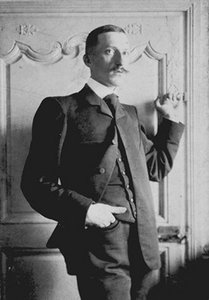
1880–1954, Franciaország
André Derain
Korai élet, család és képzés 1880-ban André Derain a Franciaország Yvelines tartományában fekvő, békés Chatou falujában jött a világra. Korai éveket az Île-de-France csendes tájai formálták, ahol a környezete iránti természetes kíváncság kezdődött meg és gyökerezett el a szívében. Már 1895-re olyan mértékű elhivatottsággal kezdte meg öntanulmányozását, hogy a vizuális világot nem a formális oktatás, hanem a saját szemein keresztül próbálta megérteni. Ez az önvezérelt felfedezések időszaka lehetővé tette számára, hogy saját látásmódot alakítson ki, mielőtt az akadémiai nevelés szigorú szabályrendszere megállítaná fejlődési folyamatát.
André Derain további művei
 bathers1907
 London Bridge1906
 Charing Cross from sw1906
 Landscape at L'Estaque1906
Esszék a Nude körül
 French artworks of the 1920sIconic French works by Matisse and Léger define the 1920s. Explore the full collection online at OriginalUniqueArt.com.
 The Evolving Human Form: Tracing Light and Flesh from Impressionism to Post-ImpressionismExplore the evolution of the human form from academic realism to Post-Impressionism. Trace the history of light and flesh with us.
 The Architecture of Stillness: A Curated Study of Seated Figures in Art HistoryExplore the psychological depth of seated figures from Rembrandt to Roman realism. Discover the secrets of art history now.