Fauvism · 1912
Cliffs (André Derain, 1912)
André Derain (1880–1954) megalkotta: Cliffs. 1912-ből származik. A Fauvism irányzathoz tartozik.
- 1912

 Megtekintés

 Kézzel festett olajfestmény
 Küldés
 Megosztás
 Útmutató


 Letöltés
 Hasonló darabok
 X-ray felvétel
 Diavetítés
 Kérdések és válaszok

 Statisztika
Cliffs: alapvető információk
- Cím
- Cliffs
- Művész
- André Derain (1880–1954)
- A művész születési helye
- Chatou, Franciaország
- Dátum
- 1912
- Mozgalom
- Fauvism
- Téma
- landscape, cliffs, mountains, village, waterfall, fauvism
Mit ábrázol a Cliffs?
A Vision of Verdant Majesty: André Derain's "Cliffs"
André Derain’s “Cliffs,” painted in 1912 and residing within the esteemed State Hermitage Museum, is more than just a landscape; it's a vibrant testament to the revolutionary spirit of Fauvism. This artwork captures a breathtaking vista of mountains, cliffs, and cascading waterfalls, transporting viewers to a realm where nature’s power and tranquility intertwine. The scene unfolds with a charming village nestled in the valley below, framed by majestic peaks blanketed in lush greenery – an idyllic paradise rendered through Derain's distinctive lens. Two quaint houses near the bottom left corner add a touch of human presence to this otherwise wild expanse. The overall impression is one of dynamic energy and harmonious balance, showcasing nature’s grandeur alongside the quiet resilience of human settlement.Fauvism in Full Bloom: Style & Technique
"Cliffs" exemplifies the core tenets of Fauvism, a groundbreaking art movement that emerged in the early 20th century. Characterized by its bold use of color and expressive brushstrokes, Fauvism sought to liberate painting from representational constraints, prioritizing emotional impact over strict realism. Derain, alongside contemporaries like Henri Matisse, was a pivotal figure in this movement. The technique employed here is immediately striking: colors are applied directly to the canvas with loose, gestural strokes, creating a textured surface that vibrates with energy. Notice how the blues of the sky aren't blended seamlessly but rather layered and juxtaposed, contributing to a sense of atmospheric depth. The simplification of forms – cliffs rendered as sweeping planes of color rather than meticulously detailed rock faces – further emphasizes the painting’s emotional intensity. The lack of precise detail encourages viewers to engage with the artwork on a visceral level, responding to its raw energy and vibrant hues.Historical Context & Artistic Influences
Painted in 1912, "Cliffs" reflects a period of significant artistic experimentation. Following the Impressionists' focus on capturing fleeting moments of light, Fauvism pushed boundaries even further, embracing subjectivity and emotional expression. Derain’s work during this time was also influenced by his exploration of London, where he captured the city with a radical perspective distinct from previous depictions. The movement itself arose as a reaction against the academic traditions that dominated the art world at the time, seeking to forge a new path for artistic innovation and personal expression. Derain’s willingness to break free from conventional representation positioned him at the forefront of this transformative era.Symbolism & Emotional Resonance
Beyond its aesthetic appeal, "Cliffs" carries symbolic weight. The imposing cliffs themselves can be interpreted as symbols of strength, permanence, and the enduring power of nature. The small village nestled below suggests human resilience and adaptability in the face of such grandeur. The cascading waterfall represents a constant cycle of renewal and transformation. Ultimately, Derain’s "Cliffs" evokes a profound sense of tranquility and awe. It invites viewers to contemplate the beauty and majesty of the natural world while simultaneously celebrating the power of artistic expression to convey complex emotions and ideas. The painting's vibrant colors and dynamic composition create an uplifting and inspiring experience, making it a timeless masterpiece that continues to resonate with audiences today.Cliffs nagy felbontásban

Felfüggesztett szerzői jogok: a művész 1954-ben halt meg.
További méretek, kivágások és idézetforrás →André Derain, Cliffs (1912). Felfüggeszthető jogforrás
A digitális szakértő az eredeti festménnyel összehasonlítja a színeket, majd a fájlt a művész vonalvezetésének hűen retusálja.
Megveszem a nagy felbontású képetCliffs kapcsán felmerülő kérdések
Mikor készült a "Cliffs"?
A „Cliffs”, André Derain alkotása alkotásának éve 1912.
Milyen témák jelennek meg a(z) „Cliffs”, André Derain alkotása alkotásban?
A "Cliffs" alkotás tárgyai: landscape, cliffs, mountains, village, waterfall, fauvism, hermitage.
A „Cliffs”, André Derain alkotása jogtalanul védett (public domain)?
A „Cliffs”, André Derain alkotása közösségi tulajdon – a szerzői jog lejártt státuszú mű. Ez a jogi státusz határozza meg, hogy a mű képmásolata hogyan reproduzható.
Ki a "Cliffs" mögött álló művész?
A "Cliffs" alkotója André Derain. A mű André Derain nevére van katalógusozva.
Mely művészeti irány része a „Cliffs”, André Derain alkotása?
A "Cliffs" a Fauvism egyik alkotása. A művészeti irány meghatározza azt a művészeti hagyományt, amelybe a mű beágyazódik.
A „Cliffs” André Derain pályájának mely szakaszát képviseli?
A "Cliffs" André Derain alkotói pályájának Early Fauvist Period szakaszát képviseli.
Mennyi volt André Derain életkora, amikor a "Cliffs" készült?
André Derain 32 éves volt, amikor 1912 évben megalkotta a "Cliffs" alkotást. A korúsítás az alkotó születési évéből, 1880 fel основании került kiszámítva.
A André Derain alkotása, a "Cliffs", a jogi szabadhasználatban (public domain) áll-e, és miért?
A „Cliffs”, André Derain alkotása közösségi tulajdon – a szerzői jog lejártt állapotban van. A szerzői jogi védelem időtartama a művész halálától számítódik, amely 1954 évben történt.
Hogyan illeszkedik a "Cliffs" André Derain témáiba és stílusába?
A "Cliffs" André Derain Fauvism korszakának alkotása, melynek témakörében represents a key work in derain's fauvist phase., celebrates nature’s beauty, tranquility, and vibrancy. is feltűlik.
A művészről: André Derain
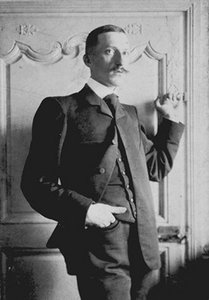
1880–1954, Franciaország
André Derain
Korai élet, család és képzés 1880-ban André Derain a Franciaország Yvelines tartományában fekvő, békés Chatou falujában jött a világra. Korai éveket az Île-de-France csendes tájai formálták, ahol a környezete iránti természetes kíváncság kezdődött meg és gyökerezett el a szívében. Már 1895-re olyan mértékű elhivatottsággal kezdte meg öntanulmányozását, hogy a vizuális világot nem a formális oktatás, hanem a saját szemein keresztül próbálta megérteni. Ez az önvezérelt felfedezések időszaka lehetővé tette számára, hogy saját látásmódot alakítson ki, mielőtt az akadémiai nevelés szigorú szabályrendszere megállítaná fejlődési folyamatát.
André Derain további művei
 bathers1907
 London Bridge1906
 Charing Cross from sw1906
 Landscape at L'Estaque1906

Esszék a Cliffs körül
 André Derain: Fauvism's Bold Visionary & the Evolution of Modern ColorExplore the revolutionary art of André Derain, co-founder of Fauvism. Discover his bold use of color, evolution from radical expressionism …
 The Architecture of Awe: Examining the Sublime Power of Cliffs in Romantic Landscape ArtExplore the profound power of cliffs in Romantic art through expert analysis of the sublime. Discover the masters of landscape today.
 Fauvism vs German Expressionism: Distinguishing Color and EmotionMaster the differences between Fauvism and German Expressionism through expert analysis. Learn to decode the emotion behind the color today.