

 Pregledaj u realnoj veličini
 Pošalji
 Podijeli
 Detalji o umjetničkom djelu
 Vodič
Vodič

 Preuzmi umjetničko djelo
 Slični predmeti
 Rentgenska snimka
 Slide show
 Statistika
Поликрат


 Prikaži više
Preuzmite datoteku spremnu za tisak koja nadilazi kvalitetu web prikaza. Svaka digitalna slika koju prodajemo potječe iz visokorezolucijske master datoteke iz naše baze — obično širine od 5.000 do 15.000 piksela — što vam omogućuje tisak velikih dimenzija, precizno izrezivanje ili sigurnu reprodukciju najfinijih detalja.
Nijedna datoteka ne napušta naš studio netaknuta. Digitalni stručnjak uspoređuje boje s izvornom slikom i po potrebi ih ispravlja, a zatim poboljšava jasnoću i detalje pomoću profesionalnih alata za retuširanje — uvijek ostajući vjerni umjetnikovim potezima četkice i stilu. Rezultat je prikaz koji izgleda kao slika, a ne kao sken s filtrima.
Odobravate prije završetka: naš stručnjak šalje sliku e-poštom u roku od 72 sata na vaš pregled. Niste zadovoljni? Zatražite poboljšanja ili ispravke, ili tražite povrat novca ako kvaliteta ne ispunjava vaša očekivanja.
To je kvaliteta na koju se oslanjaju izdavači, dizajn studiji, galerije i tiskare.
Digitalna slika
Preuzmite datoteku visoke rezolucije za osobnu izložbu, tisak i kreativne projekte. ( Prebacite na printove Kupi ručno oslikano djelo)
Uključeno uz svaku narudžbu digitalne slike
Profesionalna digitalna dostava, zajamčena
Odabirom OriginalUniqueArt.com ne dobivate samo sliku – dobivate profesionalno unapređeno digitalno umjetničko djelo, izrađeno s najvećom preciznošću uz jamstvo zadovoljstva. Evo svega što automatski dolazi uz vašu narudžbu:

Brza dostava e-poštom
Vaša digitalna slika visoke rezolucije bit će vam poslana e-mailom u roku od 72 sata od trenutka narudžbe – spremna za neposrednu upotrebu.

Digitalna datoteka poboljšana umjetnom inteligencijom
Vaše umjetničko djelo profesionalno je optimizirano pomoću naprednih AI alata i ručnog uređivanja, čime se osigurava maksimalna razina detalja, oštrine i točnosti boja.

Besplatna doživotna ponovna dostava
Slučajno ste obrisali ili izgubili svoju datoteku? Ne brinite – ponovno ćemo vam je poslati u bilo kojem trenutku, potpuno besplatno.

Bez uvoznih pristojnika – ikada
Uživajte u svojim umjetničkim djelima trenutno, bez carina, pristojbi ili troškova dostave – digitalni downloadi uvijek su oslobođeni poreza.

Jamstvo točnosti boja
Uz pomoć profesionalnih alata i upravljanja bojama, osiguravamo da vaša digitalna slika što vjernije odražava izvorne boje.

Jamstvo zadovoljstva u trajanju od 100 dana
Ako niste zadovoljni svojom digitalnom slikom, revidirat ćemo je ili vratiti 100% iznosa u roku od 100 dana – bez suvišnih pitanja.

100% Jamstvo povrata novca
Niste zadovoljni? Osigurajte puni povrat novca u roku od 100 dana od primitka digitalne datoteke – bez suvišnih pitanja.

Popusti na velike narudžbe
Kupite 3 slike, uštedite 10% - Kupite 5 slika, uštedite 15% - Kupite 10+ slika, uštedite 20%. Odlično za kreativne projekte, galerije i agencije.
Polycrates – A Titan’s Struggle Embodied in Marble
The sculpture of Polycrates by Mikhail Kozlovsky, created in 1790, stands as a testament to the Romantic spirit of its time—a period obsessed with heroic narratives and dramatic emotion. Executed in alabaster (likely gypsum), this monumental piece captures a moment of profound struggle, reflecting the anxieties surrounding political upheaval and the yearning for freedom that characterized European intellectual life during the Napoleonic era. Kozlovsky’s masterful craftsmanship elevates it beyond mere representation; he strives to convey not just what Polycrates looked like but also his inner turmoil—a palpable tension between aspiration and defeat.- Subject Matter: The sculpture depicts Polycrates, King of Samos, a figure revered for his intellect and military prowess, caught in the throes of death – specifically crucifixion. This imagery draws heavily from Christian iconography, symbolizing sacrifice and redemption, yet it’s interpreted within a broader context of classical heroism.
- Style: Kozlovsky adheres to Neoclassical principles, prioritizing idealized human form and restrained emotion. Unlike Baroque sculpture's opulent grandeur, Polycrates embodies a solemn dignity rooted in classical ideals of beauty and virtue. The pose is dynamic—the king reaches upwards with one arm, attempting to defy his fate, while his body twists downwards, conveying vulnerability and despair.
- Technique: Kozlovsky’s skill lies in his meticulous carving and polishing process. He utilizes alabaster – a relatively soft stone – skillfully shaping it into a form that maximizes visual impact. The surface is remarkably smooth, reflecting light with subtle nuances that accentuate the contours of the figure and create an illusion of depth. Careful attention to detail—particularly in rendering the drapery—demonstrates Kozlovsky’s dedication to achieving realism within the framework of classical aesthetics.
- Historical Context: Created during Napoleon's reign, Polycrates reflects the broader preoccupation with themes of heroism and mortality prevalent in Romantic art. The sculpture serves as a poignant reminder of human vulnerability against the forces of destiny—a sentiment that resonated deeply with audiences grappling with political instability and social change.
Provenance & Reproduction
The sculpture resides in the State Russian Museum in St. Petersburg, where it continues to inspire admiration for its artistic merit and historical significance. OriginalUniqueArt.com offers high-quality reproductions of Polycrates, meticulously crafted to preserve the original artwork’s texture and luminosity—allowing collectors and enthusiasts alike to experience Kozlovsky's masterpiece firsthand. Explore our selection today!Pitanja i odgovori
Tko je umjetnik koji stoji iza djela "Поликрат"?
"Поликрат" je djelo koje je stvorio/la Mihail Ivanič Kozlovski. Informacije na ovoj stranici opisuju izvorni rad umjetnika Mihail Ivanič Kozlovski.
Kakav osjećaj prenosi "Поликрат" autora Mihail Ivanič Kozlovski?
U djelu "Поликрат", Dramatičan raspoloženje prati Dramatičan emocija.
Koliko svjetlosti se čini da boje djela "Поликрат" reflektiraju?
Zabilježena luminancija za "Поликрат" autora Mihail Ivanič Kozlovski iznosi Tamno.
Biografija umjetnika
The Sculptor of Enlightenment Ideals
Mikhail Ivanovich Kozlovsky stands as a preeminent figure in the landscape of Russian Neoclassical sculpture, a master whose hands shaped the very essence of the Age of Enlightenment. Born in Saint Petersburg, Russia, his artistic journey began within the prestigious halls of the Imperial Academy of Arts. Under the tutelage of Anton Losenko, Kozlovsky embarked on a path that would eventually lead him far beyond the borders of his homeland, seeking inspiration in the great art capitals of Europe. His travels to Rome and Paris were not merely educational excursions but transformative odysseys that allowed him to absorb the burgeoning Neoclassical spirit sweeping through the continent.
The evolution of Kozlovsky’s style is a fascinating study in artistic maturation. His earliest endeavors retained a lingering connection to the dramatic, emotive sensibilities of the Baroque period. However, as he matured, his work underwent a profound metamorphosis, shedding ornamental excess in favor of Neoclassical monumentality and clarity. This transition saw him embracing the ideals of reason, order, and anatomical precision, mirroring the intellectual shifts of his era. By the time he returned to Paris in 1788 to supervise Russian students abroad, he had emerged as a sculptor capable of translating complex mythological narratives into enduring, dignified forms.
Mastery of Form and Mythological Narrative
Kozlovsky’s oeuvre is characterized by an extraordinary ability to breathe life into bronze and marble, capturing both the physical prowess of heroes and the ethereal grace of the divine. His works often serve as profound emblems of classical mythology, utilized to convey contemporary values of strength and wisdom. In pieces such as Hercules on Horseback, one observes a masterclass in realism; the meticulous rendering of equine and human musculature creates a sense of dynamic vitality that draws the viewer into the heart of the legend. His use of composition, often employing powerful diagonal thrusts, directs the eye through scenes of intense action and heroic struggle.
Beyond the depiction of raw power, Kozlovsky possessed a delicate touch for allegorical subjects. His sculpture Minerva and the Genius of the Arts, commissioned during the reign of Catherine II, exemplifies his ability to embody Enlightenment thought. Through the figures of the Roman goddess of wisdom and her artistic companion, he sculpted more than just myth; he captured the very aspiration of human intellect toward higher truth and order. His technical repertoire was equally diverse, ranging from the dramatic, gilded bronze of Samson Rending the Lion's Jaws—a centerpiece for the Grand Cascade at Peterhof Palace—to the expressive, martial character of the Suvorov Monument.
Legacy and Artistic Significance
The historical significance of Mikhail Kozlovsky lies in his role as a bridge between eras and a foundational pillar of Russian sculptural tradition. As a professor at the Academy of Arts, he played a crucial role in shaping the next generation of sculptors, ensuring that the principles of Neoclassicism would flourish in Saint Petersburg long after his passing. His contributions to the decorative splendor of imperial sites like Pavlovsk and Peterhof helped define the visual identity of the Russian Empire during a period of immense cultural growth.
His life's work remains a testament to the power of classical influence when wedded to technical mastery. Through his ability to adapt his manner from Baroque sensibility to Neoclassical grandeur, Kozlovsky achieved a level of permanence that transcends time. His sculptures continue to be celebrated for their:
- Anatomical Precision: A remarkable skill in rendering the complexities of human and animal forms with photographic realism.
- Symbolic Depth: The use of mythological figures to represent the enduring ideals of heroism, wisdom, and national triumph.
- Technical Versatility: An expert command over diverse media, including bronze casting and marble carving.
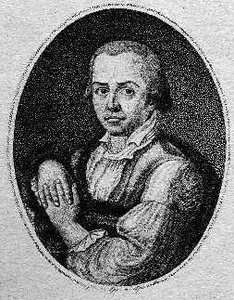
Mihail Ivanič Kozlovski
1753 - 1802 , Rusija