Prebacite na printove
 Prikaži više







































 Za umjetnička djela ili reprodukcije veće od 105 cm (približno 41 inč) na bilo kojoj strani, okvir će biti isporučen u obliku rastavljenog seta za montažu. Ovaj način osigurava sigurnu dostavu i sprječava oštećenja tijekom transporta.


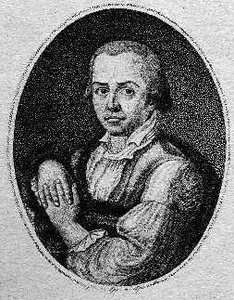
Polycrates – A Titan’s Struggle Embodied in Marble
The sculpture of Polycrates by Mikhail Kozlovsky, created in 1790, stands as a testament to the Romantic spirit of its time—a period obsessed with heroic narratives and dramatic emotion. Executed in alabaster (likely gypsum), this monumental piece captures a moment of profound struggle, reflecting the anxieties surrounding political upheaval and the yearning for freedom that characterized European intellectual life during the Napoleonic era. Kozlovsky’s masterful craftsmanship elevates it beyond mere representation; he strives to convey not just what Polycrates looked like but also his inner turmoil—a palpable tension between aspiration and defeat.- Subject Matter: The sculpture depicts Polycrates, King of Samos, a figure revered for his intellect and military prowess, caught in the throes of death – specifically crucifixion. This imagery draws heavily from Christian iconography, symbolizing sacrifice and redemption, yet it’s interpreted within a broader context of classical heroism.
- Style: Kozlovsky adheres to Neoclassical principles, prioritizing idealized human form and restrained emotion. Unlike Baroque sculpture's opulent grandeur, Polycrates embodies a solemn dignity rooted in classical ideals of beauty and virtue. The pose is dynamic—the king reaches upwards with one arm, attempting to defy his fate, while his body twists downwards, conveying vulnerability and despair.
- Technique: Kozlovsky’s skill lies in his meticulous carving and polishing process. He utilizes alabaster – a relatively soft stone – skillfully shaping it into a form that maximizes visual impact. The surface is remarkably smooth, reflecting light with subtle nuances that accentuate the contours of the figure and create an illusion of depth. Careful attention to detail—particularly in rendering the drapery—demonstrates Kozlovsky’s dedication to achieving realism within the framework of classical aesthetics.
- Historical Context: Created during Napoleon's reign, Polycrates reflects the broader preoccupation with themes of heroism and mortality prevalent in Romantic art. The sculpture serves as a poignant reminder of human vulnerability against the forces of destiny—a sentiment that resonated deeply with audiences grappling with political instability and social change.
Provenance & Reproduction
The sculpture resides in the State Russian Museum in St. Petersburg, where it continues to inspire admiration for its artistic merit and historical significance. OriginalUniqueArt.com offers high-quality reproductions of Polycrates, meticulously crafted to preserve the original artwork’s texture and luminosity—allowing collectors and enthusiasts alike to experience Kozlovsky's masterpiece firsthand. Explore our selection today!Pitanja i odgovori
Koristi li "Поликрат" autora Mihail Ivanič Kozlovski snažne kontraste ili meke harmonije?
Analiza boja djela "Поликрат" autora Mihail Ivanič Kozlovski bilježi Blag kontrast i Ujednačena paleta harmoniju.
Nalazi li se "Поликрат" autora Mihail Ivanič Kozlovski u domovini umjetnika?
Ne – umjetničko djelo se nalazi izvan zemlje umjetnika. Rodna zemlja umjetnika Mihail Ivanič Kozlovski je Rusija, dok se muzej u kojem se čuva izvornik djela "Поликрат" nalazi u državi Ruska Federacija.
Preporučena veličina ispisa za "Поликрат" je?
Preporučena veličina tiska za "Поликрат" je Veliki format. Dostupne su i druge veličine istih proporcija.
 Pregledaj u realnoj veličini
 Pošalji
 Podijeli
 Detalji o umjetničkom djelu
 Vodič
Vodič

 Preuzmi umjetničko djelo
 Slični predmeti
 Rentgenska snimka
 Slide show
 Q&A
Q&A Statistika