- Početna stranica

- Otisak na platnu
- Georges Braque
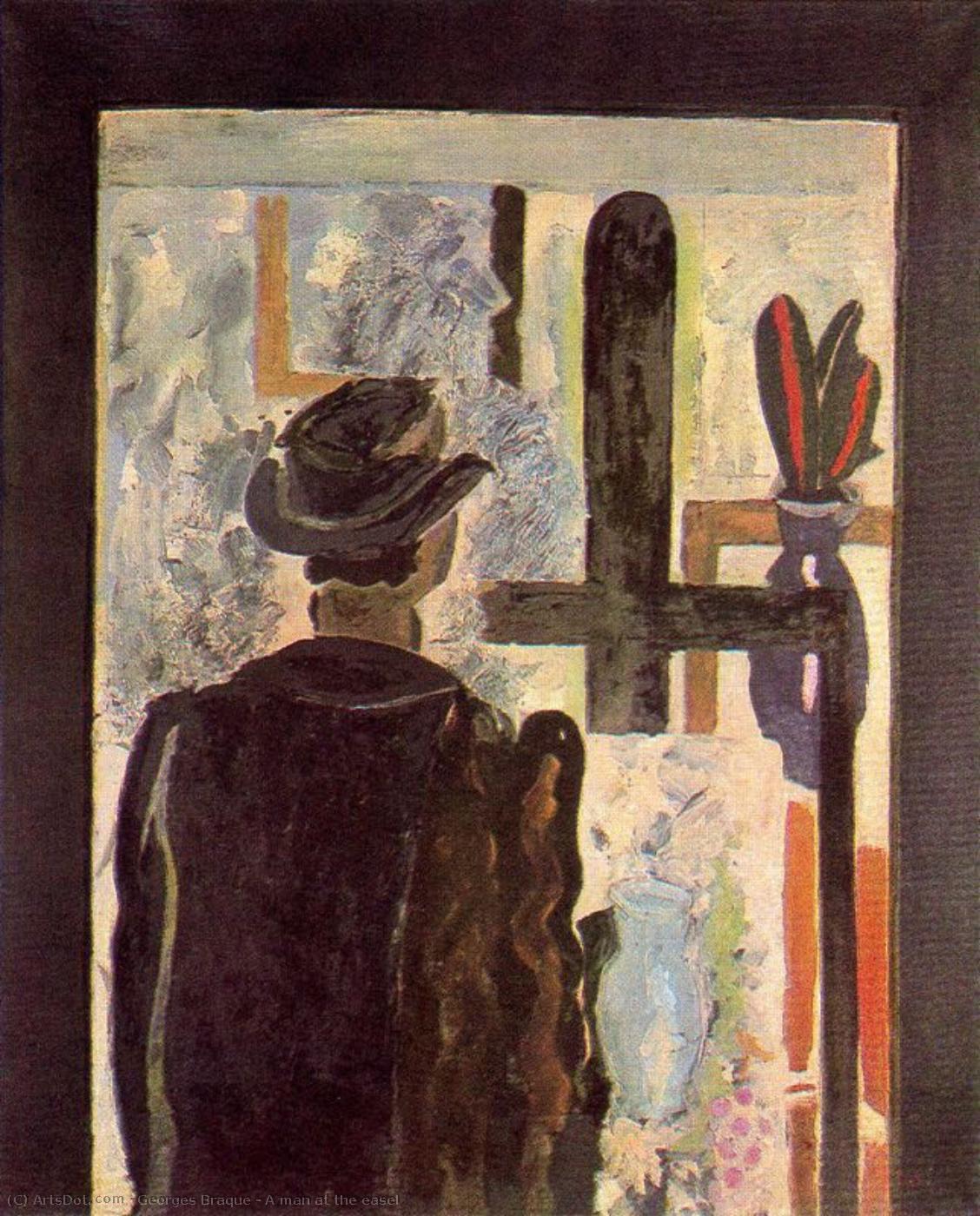
- A man at the easel
 Naručite reprodukciju Kupi digitalnu sliku
 Pošalji
 Podijeli
 Detalji o umjetničkom djelu
 Dodaj u omiljene

 Preuzmi
 Slični predmeti
 Rentgenska snimka
 Automatska prezentacija
A man at the easel


 Prikaži više
Giclée / Umjetnički otisak
Giclée tisak muzejske kvalitete ili otisak na platnu uz brzu proizvodnju i fleksibilne opcije završne obrade.




































Odaberite jednu od naših unaprijed definiranih veličina koje odgovaraju izvornim proporcijama umjetničkog djela.

Možete unijeti vlastite dimenzije kako biste umjetničko djelo prilagodili specifičnom okviru ili prostoru. Ako odabrana veličina ne odgovara proporcijama izvornog rada, izrezat ćemo dio slike ili je proširiti pomoću ogledalnog efekta ili jednobojne rubne površine. Digitalni prikaz (mockup) bit će vam poslan na odobrenje prije početka proizvodnje.
Imajte na umu da pregled na zaslonu ne odražava stvarno izrezivanje ili proširivanje. Samo će mockup točno prikazati konačnu kompoziciju.
Iako su dostupne prilagođene veličine, preporučujemo odabir dimenzije iz unaprijed definirane liste kako biste očuvali izvorne proporcije.
Dostava širom svijeta () u roku od 2 tjedna umjesto standardnih 4/5 tjedana. (18 Srpanj)

Besplatna ekspresna dostava širom svijeta

Visokokvalitetno laneno platno

Potpuno osiguranje dostave

Jamstvo povrata carine i uvoznih poreza

Garancija vjernog podudaranja boja

Politika povrata u roku od 60 dana (samo u slučaju nedostataka)

Jamstvo povrata 100% novca

Popust na više proizvoda
 Opcija stakla dostupna je samo za dimenzije manje od 110 cm

A man at the easel
Giclée / Umjetnički otisak
Veličina reprodukcije
-


Ukupna cijena
-
Opis djela
Georges Braque’s “A Man at the Easel”: A Window Into Cubism's Quiet Contemplation
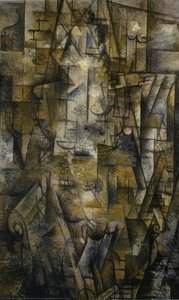
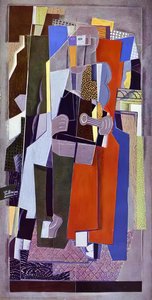
The painting "A Man at the Easel," executed by Georges Braque in 1942, stands as a testament to the enduring power of quiet observation within the revolutionary fervor of Cubist art. More than just a depiction of an artist’s workspace—it’s a carefully constructed visual puzzle that invites viewers to delve into the complexities of perception and representation during a pivotal moment in artistic history. Braque's masterful use of oil on board captures not merely what is seen, but how it *feels* to see it, reflecting the core tenets of Cubism’s intellectual exploration.The Anatomy of Fragmentation: Style and Technique
Braque’s stylistic approach firmly establishes him within the vanguard of Cubism alongside Pablo Picasso. Unlike Impressionists who sought to capture fleeting moments of light and color, Braque prioritized geometric abstraction—breaking down objects into fragmented planes that simultaneously exist in multiple viewpoints. This technique isn't merely about visual novelty; it’s a deliberate attempt to dismantle traditional illusionistic space, mirroring the artist’s own process of intellectual dissection. The painting exemplifies this brilliantly: the easel itself is fractured into interlocking shapes, suggesting not just its physical form but also the multifaceted nature of artistic creation. Notice how Braque utilizes subtle tonal variations—primarily muted browns and greens—to unify these disparate planes, creating a harmonious balance despite the inherent instability of the composition.A Reflection of Uncertainty: Historical Context
Created during World War II, “A Man at the Easel” embodies the anxieties and introspection characteristic of the era. The looming shadow of conflict underscores the painting’s contemplative mood—a stark contrast to the dynamism often associated with Cubism's earlier years. However, Braque wasn’t simply reacting to external pressures; he was actively grappling with fundamental questions about art’s role in confronting reality. The artist himself famously stated that he wished to “destroy” perspective and representation, aiming instead for a more profound engagement with the subject matter. This ambition aligns perfectly with the broader philosophical currents of Surrealism and Expressionism, which were influencing artists across Europe at the time.Symbolic Layers: Plants, Vase, and Window
Beyond its formal concerns, "A Man at the Easel" is laden with symbolic significance. The potted plant—a recurring motif in Braque’s oeuvre—represents growth, resilience, and perhaps even a yearning for beauty amidst hardship. Its placement on the right side of the canvas draws the eye outwards, suggesting an aspiration beyond the confines of the studio. Similarly, the vase contributes to the overall sense of stillness and contemplation. The window itself is particularly noteworthy; its geometric shape—a stylized cross—introduces an element of architectural detail that simultaneously symbolizes faith and spiritual reflection. It’s as if Braque invites us to consider not just what we see but also what lies beyond our immediate perception.Emotional Resonance: Quiet Intensity
Ultimately, “A Man at the Easel” succeeds in conveying a remarkable emotional depth despite its apparent simplicity. The muted palette and fragmented composition evoke a feeling of quiet intensity—a sense that Braque is capturing not just an image but also a state of mind. It’s a painting that speaks to the artist's own inner world, mirroring his ongoing engagement with artistic innovation while simultaneously acknowledging the pervasive influence of historical circumstance. Reproductions offer a chance to experience this subtle yet powerful aesthetic – a glimpse into the heart of Cubist contemplation.Biografija umjetnika
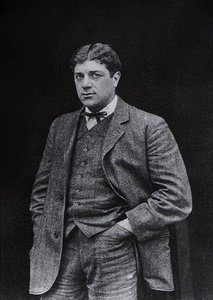
Georges Braque
Georges Braque was at the forefront of the revolutionary art movement of Cubism. His work throughout his life focused on still lifes and means of viewing objects from various perspectives through color, line, and texture. While his collaboration with Pablo Picasso and their Cubist works are best known, Braque had a long painting career that continued well beyond that period.Though Braque started out as a member of the Fauves—a group that included Henri Matisse and André Derain among others—he began developing a Cubist style after meeting Pablo Picasso. While their paintings shared many similarities in palette, style and subject matter, Braque stated that unlike Picasso, his work was “devoid of iconological commentary,” and was concerned purely with pictorial space and composition.
Braque’s early works were impressionistic, but after seeing the work exhibited by the Fauves in 1905, Braque adopted a Fauvist style. The Fauves, a group that included Henri Matisse and André Derain among others, used brilliant colors and loose structures of forms to capture the most intense emotional response.
He conducted an intensive study of the effects of light and perspective and the technical means that painters use to represent these effects, time dovodeći u pitanje najstandardnije umjetničke konvencije. In his village scenes, for example, Braque redovito smanjivao arhitektonsku strukturu do geometrijske forme slične kocki, no predočio je njezinu sjenu tako da ona izgleda i ravna i trodimenzionalna.
A decisive moment in its development occurred during the summer of 1907, when Georges Braque and Pablo Picasso painted side by side in Céret, in the French Pyrenees, each artist producing paintings that are difficult—sometimes virtually impossible—to distinguish from those of the other.
Together, Braque and Picasso developed Analytical Cubism, dissecting objects into fragmented geometric shapes and presenting multiple viewpoints simultaneously. Works like Houses at L'Estaque demonstrate this early phase, showcasing a radical departure from conventional perspective and a focus on the underlying structure of forms.
Their palette became deliberately muted, emphasizing form over color, as they sought to represent the totality of an object’s presence rather than merely its appearance.
The invention of Cubism was a joint effort between Picasso and Braque, then residents of Montmartre, Paris. These artists were the movement’s main innovators.
Georges Braque
1882 - 1963 , Francuska
Osnovne informacije
- Artistic Movement Or Style: Kubizam i Fovizam
- Artists Who Influenced This Artist:
- Henri Matisse
- André Derain
- Paul Cézanne
- Date Of Birth: 13. svibnja 1882.
- Date Of Death: 31. kolovoza 1963.
- Full Name: Georges Braque
- Nationality: Francuski
- Notable Artworks:
- Kuće L'Estaque
- Strpljenje
- Violina i Paletu
- Place Of Birth: Argenteuil, Francuska
Srodni članci
Umjetnost personalizacije: Zašto su vrhunski digitalni portreti i reprodukcije fotografija nadmašili tradicionalne metode?
Otkrijte umjetnost personalizacije s vrhunskim digitalnim portretima i reprodukcijama! Ekskluzivna kvaliteta, stručne konsultacije & garancija zadovoljstva. Stvorite trajno nasljedje ili jedinstveni poklon.
From Imagination to Canvas: Commissioning Bespoke Fantasy Art with Traditional Oil Painting Techniques
Commission breathtaking bespoke fantasy art with skilled oil painters. Explore techniques, artist selection & preservation tips. Invest in a unique masterpiece today!
Kuboeksizam: 10 Remekdjela Koja Su Definirala Umjetnički Pokret
Otkrijte 10 remekdjela koja su definirala kubizam! Istražite Picasso, Braque i druge majstore moderne umjetnosti. Detaljne priče o tehnikama i značenju. Inspirirajte se za svoj interijer s vrhunskim reprodukcijama na OriginalUniqueArt.com!
Ulje na Platnu Naspram Tiska: Zašto Ručno Oslikane Slike Trajno Pobjeđuju – Usporedba Kvalitete, Teksture i Arhivske Vrijednosti
OriginalUniqueArt.com – Ručno oslikane slike vrhunske kvalitete za elite kolekcionare. Personalizirane reprodukcije, portreti po narudžbi i stručne konsultacije. Investirajte u umjetnička djela koja traju generacijama.

Georges Braque: 25 Remek-djela Kubizma i Modernog Umjetnosti za Vaš Dom
Uronite u svijet Georges Braquea! Otkrijte 25 remek-djela kubizma i moderne umjetnosti. Saznajte priče iza slika, tehnike i inspiraciju ovog francuskog slikara. Kupite reprodukcije vrhunske kvalitete za vaš dom na OriginalUniqueArt.com