

 Pregledaj u stvarnoj veličini
 Podijeli
 Podijeli
 Detalji
 Vodič
Vodič

 Preuzmi datoteku
 Slični predmeti
 Rentgenska snimka
 Slide show
 Statistika
Chaos
 Oil On Canvas
- WallArt
- Symbolist Movement
 1875
1875- 19th Century
 304.0 x 106.0 cm
 Tate Britain
 Pročitajte više
Giclée / Umjetnički otisak
Giclée tisak muzejske kvalitete ili otisak na platnu uz brzu proizvodnju i fleksibilne opcije završne obrade. ( Naručite ručno oslikano reprodukciju Prebacite na digitalnu prodaju slika)




P118B €10

P118H €10

P118W €10

P438Z €10

P508JH €12

P508YH €12

P805H €10

P805Z €10

P919BZ €10

P919G €10

P919XJ €10

P959ZH €10

P968JZ €12

W106C €8

W218G €10

W218JH €8

W218Y €10

W307PJ €10

W316G €10

W316PJ €8

W316Y €10

W398PJ €8

W4111J €10

W500HY €15

W500JH €15

W692G €12

W849H €8

W940BG €15

W953PJ €8




Odaberite jednu od naših unaprijed definiranih veličina koje odgovaraju izvornim proporcijama umjetničkog djela.

Unesite širinu i visinu koja vam je potrebna, kako bi odgovarali vašem okviru ili zidu. Print se može samo izrezati, nikada ne može biti veći od slike, stoga veličina s drugačijim oblikom gubi dio slike. Šaljemo vam digitalni prikaz (mockup) na odobrenje prije bilo kakve štampe. Slika prikazana na ovoj stranici ne prikazuje stvarni rez — to čini samo digitalni prikaz.
Dostava širom svijeta () u roku od 2 tjedna umjesto standardnih 4/5 tjedana. (24 Listopad)

Besplatna ekspresna dostava širom svijeta

Visokokvalitetno laneno platno

Potpuno osiguranje transporta

Jamstvo povrata carine i uvoznih poreza

Jamstvo vjernosti boja

Politika povrata u roku od 100 dana (samo u slučaju nedostataka)

Jamstvo povrata 100% novca

Popust na više proizvoda
 Opcija stakla dostupna je samo za dimenzije manje od 110 cm

Chaos
Giclée / Umjetnički otisak
Veličina reprodukcije
-


Ukupna cijena
€ 70
A Symphony of Doubt and Resolve: Exploring George Frederic Watts’ “Chaos”
“Chaos,” painted by George Frederic Watts in 1875–82, stands as a monumental testament to the Symbolist movement's preoccupation with psychological complexity and the interplay between opposing forces. Measuring an impressive 304 x 106 cm, this oil on canvas captures a scene of profound contemplation amidst a turbulent landscape—a deliberate juxtaposition designed to provoke reflection on the human condition. Watts’ masterful technique employs thick impasto strokes, layering pigment onto the surface to convey both textural richness and emotional intensity. The artist meticulously rendered the mountainous backdrop, mirroring the internal struggles faced by those depicted within the frame.The Landscape as Mirror of Inner Turmoil
Watts' choice of setting is far from accidental. The rugged peaks of Dartmoor—where he undertook this ambitious project—were deliberately selected to represent the challenges and uncertainties inherent in life’s journey. These mountains aren’t merely decorative elements; they embody resistance, obstacles, and the daunting task of confronting one's fears. Below them stands a group of figures – Watts himself included – engaged in a solemn procession towards the water’s edge. Their postures convey a sense of determination tempered by apprehension, suggesting that progress requires acknowledging doubt while striving relentlessly toward a goal.Symbolism Rooted in Classical Tradition
Watts drew heavily upon classical mythology and philosophy to infuse “Chaos” with symbolic resonance. The figures are reminiscent of depictions of Psyche and Eros from Greek legend—a narrative exploring themes of love, loss, and redemption. Psyche’s unwavering devotion symbolizes the human spirit's capacity for perseverance despite adversity, while Eros embodies desire and transformation. This allusion to mythology underscores Watts’ belief that art should transcend mere representation, communicating deeper truths about human experience. The water itself represents fluidity, change, and the subconscious—a realm where anxieties and aspirations converge.Impasto Technique: Capturing Emotion Through Texture
Watts' distinctive impasto technique – applying paint thickly onto the canvas – is crucial to conveying the painting’s emotional impact. This method allows for a palpable sense of physicality, mirroring the turbulent emotions depicted within the scene. The textured surface captures the dynamism of movement and reinforces the feeling that these figures are wrestling with internal conflicts. Furthermore, Watts' meticulous attention to detail—evident in the rendering of individual faces and garments—adds to the painting’s realism while simultaneously emphasizing its symbolic significance. It is a technique that elevates “Chaos” beyond mere visual beauty, transforming it into an immersive experience for the viewer.A Legacy of Psychological Depth
“Chaos” remains a powerfully evocative artwork decades after its creation. Watts' exploration of psychological themes—doubt, resolve, and the confrontation with inner demons—continues to resonate with audiences today. It exemplifies the Symbolist movement’s commitment to portraying the complexities of human consciousness and capturing the elusive nature of emotion. More than just a depiction of a landscape, “Chaos” is an invitation to contemplate our own struggles and triumphs as we navigate life's path—a timeless masterpiece that speaks volumes about the enduring power of art to illuminate the human spirit.Pitanja i odgovori
Od čega je izrađeno "Chaos"?
"Chaos" je izvedeno u tehnici Oil On Canvas.
Iz kojeg razdoblja potječe "Chaos"?
Povijesni period djela "Chaos" autora George Frederic Watts je 19th Century. Ova klasifikacija smješta rad u povijest umjetnosti.
Gdje se "Chaos" smješta unutar opsega djela umjetnika George Frederic Watts?
"Chaos" pripada Symbolist Movement djelu umjetnika George Frederic Watts, čije su zabilježene teme uključivale classical tradition, victorian morality, philosophical depth, mythological narrative, watts legacy.
Biografija umjetnika
Rano život i obrazovanje
George Frederic Watts, istaknuta figura simbolističkog pokreta, rođen je 23. veljače 1817. u Maryleboneu, London. Njegovo rano djetinjstvo obilježili su krhko zdravlje i prerana gubitak majke. Wattsov otac, graditelj klavira, osigurao mu je konzervativno kršćansko obrazovanje i upoznao ga s klasikom, uključujući Iliadu. Taj klasični utjecaj kasnije će postati temelj njegovog umjetničkog stila.Karijera
Watts je svoj umjetnički put započeo već s deset godina, učeći kiparstvo pod vodstvom Williama Behnesa. Kasnije se, sa šeznaest godina, upisao kao student u Royal Academy Schools. Njegova prva izložba u Akademiji 1837. godine označila je početak njegove plodne karijere.- Caractacus, crtež podnesen na natječaj za dizajn zidnih slika za novo Zgranje parlamenta, donio je Wattsu prvu nagradu 1843. godine.
- Njegova naknadna putovanja u Italiju (1843.-1847.) i suradnja s britanskim veleposlanikom Henryjem Foxom utjecali su na njegov stil, što se vidi u njegovom portretu Lady Holland, izloženom 1848. godine.
- Wattsov povratak u Britaniju doveo je do osvajanja posla za fresku u Zgradi parlamenta, koju je dovršio između predavanja 1848. i 1853. godine.
Simbolistička remek-djela
Wattsova najpoznatija djela uključuju:- "Nada" (Hope) i "Ljubav i život" (Love and Life), zamišljeni kao dio epskog simboličkog ciklusa pod nazivom "Kuća života" (House of Life).
- "Trijumf crvenog viteza" (The Triumph of the Red Cross Knight), dovršen 1852.-53., koji prikazuje njegovo majstorstvo u alegorijskim temama.
- Njegov portret glumice Ellen Terry, naslikan 1864. godine, primjer je njegove sposobnosti da uhvati samu bit svojih subjekata.
Naslijeđe
Wattsov utjecaj na umjetnički svijet je neosporan. Njegova povezanost sa simbolističkim pokretom te njegova inovativna upotreba boje i forme učinili su ga voljenom figurom u povijesti britanske umjetnosti. Pogledajte djela Georgea Frederica Wattsa na OriginalUniqueArt.comMuzeji koji prikazuju Wattsova djela
- Lincoln's Inn, koji sadrži njegovu fresku "Pravda, polukrug zakonodavaca" (Justice, a hemicircle of lawgivers).
- Watts Gallery – Artists' Village u Guildfordu, Ujedinjeno Kraljevstvo, posvećen očuvanju Wattsovih djela i radova drugih umjetnika.

George Frederic Watts
1817 - 1904 , Ujedinjeno Kraljevstvo
Brzi pregled
- Artistic Movement Or Style: Simbolizam
- Artists Or Movements Influenced By This Artist:
- Romantizam
- Pre-rafaeliti
- Artists Who Influenced This Artist:
- William Behnes
- Henry Fox
- Date Of Birth: 23. veljače 1817.
- Date Of Death: 1. srpnja 1904.
- Full Name: George Frederic Watts
- Nationality: Britanac
- Notable Artworks: ['', 'Ljubav i život', 'Trijumf viteza Crvenog križa']
- Place Of Birth: Marylebone, Ujedinjeno Kraljevstvo
Povezani članci
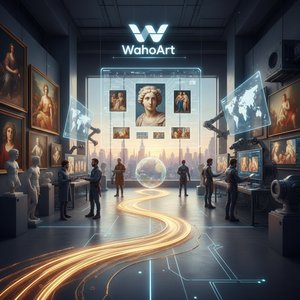
Beyond the Canvas: Scaling Your Creative Legacy Through OriginalUniqueArt’s Automated Print & Oil Reproduction Ecosystem
Unlock your creative potential with OriginalUniqueArt. Learn how to scale your art business through our automated print and premium oil reproduction services, transforming your original works into a global, passive income stream without compromising academic excellence.
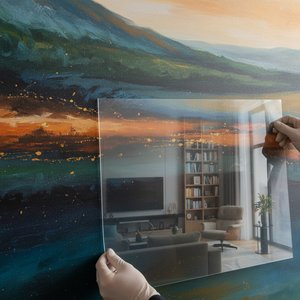
Giclée Prints Explained: The Ultimate Guide to Museum-Quality Art Reproductions
Master the nuances of Giclée printing with our expert guide. Discover how pigment-based inks and museum-grade substrates create fade-resistant, high-fidelity art reproductions designed for discerning collectors seeking unparalleled quality and longevity.
Umjetnost personalizacije: Zašto su vrhunski digitalni portreti i reprodukcije fotografija nadmašili tradicionalne metode?
Otkrijte umjetnost personalizacije s vrhunskim digitalnim portretima i reprodukcijama! Ekskluzivna kvaliteta, stručne konsultacije & garancija zadovoljstva. Stvorite trajno nasljedje ili jedinstveni poklon.

Giclée Prints: Archival Quality & Aesthetic Nuances for the Discerning Collector
Explore the world of giclée prints with OriginalUniqueArt. Learn about archival quality, aesthetic nuances & investment potential. Expert guidance for discerning art collectors seeking museum-quality reproductions and lasting value.
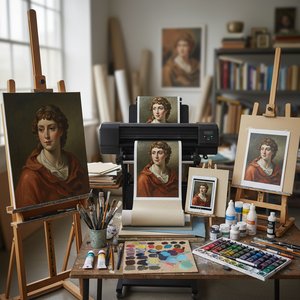
Reprodukcija Umjetnosti: Vodič kroz Ulje, Platno i Papir kao Medije Reprodukcije
Otkrijte svijet vrhunskih reprodukcija umjetnosti! Vodič kroz ulje na platnu, giclée printove i papirne tehnike. Savjeti za odabir, njegu i investicijske mogućnosti. Kvaliteta zajamčena!