

 Pregledaj u stvarnoj veličini
 Pošalji
 Podijeli
 Detalji o umjetničkom djelu

 Preuzmi
 Slični predmeti
 Rentgenska snimka
 Automatska prezentacija
 Stats
StatsOld Elms

 Prikaži više
Ručno rađena uljana reprodukcija
Ručno oslikano uljanim bojama na platnu u dimenzijama i okviru po vašem izboru, izrađeno po narudžbi od strane naših umjetnika. ( Switch to Print Switch to Digital Image)




































Odaberite jednu od naših unaprijed definiranih veličina koje odgovaraju izvornim proporcijama umjetničkog djela.

Možete unijeti vlastite dimenzije kako bi odgovarale određenom okviru ili prostoru. Ako odabrana veličina ne odgovara proporcijama izvorne slike, izrezat ćemo umjetničko djelo ili proširiti sliku dodatnim ručno oslikanim elementima. Digitalni nacrt bit će vam poslan na odobrenje prije početka proizvodnje.
Imajte na umu da pregled na ekranu ne prikazuje stvarno izrezivanje ili proširivanje. Samo će nacrt točno prikazati konačni sastav.
Iako su dostupne prilagođene veličine, preporučujemo odabir dimenzije s preddefiniranog popisa kako bismo očuvali izvorne proporcije.
Nakon narudžbe, tim OriginalUniqueArt.com kontaktirat će klijenta putem e-pošte radi dobivanja uputa te dostaviti probni prikaz (mockup).
Isporuka širom svijeta () u roku od 3-4 tjedna umjesto standardnih 5 tjedana. (8 Rujan). Bez kompromisa u kvaliteti.

Besplatna ekspresna dostava širom svijeta

Visokokvalitetno laneno platno

Potpuno osiguranje dostave

Jamstvo povrata carine i uvoznih poreza

Garancija vjernog podudaranja boja

Politika povrata u roku od 100 dana (samo u slučaju nedostataka)

Jamstvo povrata 100% novca

Popust na više proizvoda
 Opcija stakla dostupna je samo za dimenzije manje od 110 cm

Old Elms
Tehnika reprodukcije
Veličina reprodukcije
-


Ukupna cijena
$ 300
Biografija umjetnika
The Soul of the Venetian Horizon: The Life and Art of Friedrich Nerly
Friedrich Nerly, a master of the German Romantic tradition, possessed an extraordinary ability to translate the ephemeral light of the Mediterranean into enduring oil on canvas. Born in 1808 in Erfurt, Germany, Nerly’s artistic journey was deeply rooted in a lineage of landscape mastery. His earliest instruction came from his father, a respected painter who instilled in him a reverence for the natural world and a technical precision that would later define his career. This foundational training prepared him for his transformative move to Italy, where he sought to capture the sublime atmosphere of the Venetian landscape. Enrolling at the Academy of Fine Arts in Venice, Nerly studied under luminaries such as Eugène de Blaas, Federico Moja, and Pompeo Mariano Molmenti, absorbing the nuances of light, shadow, and architectural grandeur that characterize the veduta tradition.
The essence of Nerly’s work lies in his profound connection to the Italian coast and its shifting atmospheres. His travels were not merely geographical expeditions but spiritual quests for beauty. From the dramatic coastal vistas of Olevano to the bustling maritime scenes of the Adriatic, Nerly’s brush captured the intersection of human endeavor and the overwhelming power of nature. His military service in the mid-19th century briefly interrupted his creative flow, yet the diverse landscapes he encountered across Europe—from the forests of Weimar to the urban centers of Munich and Dresden—only served to enrich his visual vocabulary. This period of movement allowed him to refine a style that blended meticulous detail with an evocative, almost melancholic, atmospheric perspective.
Mastery of Light and Landscape
Nerly’s oeuvre is characterized by a remarkable versatility in subject matter, ranging from intimate coastal studies to sweeping architectural panoramas. His technique often employed a rich, textured application of paint to convey the weight of stone or the translucency of water. In works such as "Old Elms," one can witness his ability to manipulate shadow and depth, creating a sense of timelessness through towering trees and moody, darkened compositions. Conversely, his maritime paintings demonstrate a lighter touch, where the sun-drenched surfaces of the sea reflect the vibrant life of the Adriatic. His talent for capturing the veduta—the detailed view of a city or landscape—allowed him to document the architectural splendor of places like Palermo and Rome with both historical accuracy and romantic flair.
The emotional resonance of his work is perhaps most evident in his depictions of labor and movement within the landscape. In "Transporting Marble to the Sculptor Thorvaldsen in Rome," Nerly presents a dramatic narrative of human effort set against a somber, classical backdrop, utilizing a balanced composition to highlight the tension between man and material. His ability to weave together these elements—the monumental and the minute—is what elevates his work from mere documentation to high art. This skill earned him significant acclaim among the European elite, with his masterpieces finding homes in prestigious collections, including those of Emperor Wilhelm II and the Civic Museum of Danubia.
Legacy and Historical Significance
The historical significance of Friedrich Nerly resides in his role as a bridge between the structured traditions of classical landscape painting and the emotive, atmospheric explorations of the Romantic era. He did not merely paint what he saw; he painted how the light felt upon the skin and how the sea sounded against the shore. His legacy is preserved through several key artistic contributions:
- The Refinement of the Venetian Veduta: Nerly breathed new life into the architectural panorama, infusing it with a sense of movement and atmospheric depth that moved beyond static representation.
- A Pan-European Vision: By integrating the influences of German Romanticism with Italian luminosity, he created a unique visual language that resonated across borders.
- Documentary Beauty: His works serve as vital historical records of 19th-century Mediterranean life, capturing coastal vistas and urban landscapes before the onset of modern industrialization.
Today, Nerly’s paintings continue to captivate collectors and historians alike, standing as testaments to a period when art sought to find the divine within the natural world. His ability to freeze a fleeting moment—a wave breaking, a shadow lengthening, or a ship approaching the harbor—ensures that his vision of a romanticized, luminous Italy remains eternally vibrant.
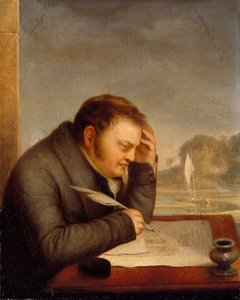
Friedrich Nerly
1808 - 1878 , Germany
Osnovne informacije
- Artistic Movement Or Style: Romantic Painting
- Artists Or Movements Influenced By This Artist: ['Venetian Vedute']
- Artists Who Influenced This Artist:
- Eugene De Blaas
- Federico Moira
- Pompeo Mariano Molmenti
- Date Of Birth: 1808
- Full Name: Friedrich Nerly
- Nationality: German
- Notable Artworks:
- Fishing in the Gulf of Siracusa
- I Bragozzi Dell' Adriatico
- Palermo, Veduta
- Place Of Birth: Erfurt, Germany
Srodni članci

The Sublime and the Picturesque: Exploring Emotion & Nature in Romantic Landscape Painting
Explore the emotional power of Romantic landscape painting! Discover the sublime & picturesque traditions, key artists like Friedrich & Cole, and find your perfect artwork at OriginalUniqueArt.

Caspar David Friedrich: Romanticism's Master of Landscape & the Sublimity of Inner Experience
Explore the profound landscapes of Caspar David Friedrich, a master of German Romanticism. Discover the symbolism, themes & enduring influence of this iconic artist. A deep dive into his life and work.

Glavna 10 Remek-djela Romantizma: Uljepšajte Svoj Dom Umjetnošću
Otkrijte 10 remek-djela romantizma koja su definirala pejzažno slikarstvo! Uronite u svijet Friedricha, Turnera i Aivazovskog. Inspirirajte svoj interijer vrhunskim umjetničkim djelima. Kupujte reprodukcije na OriginalUniqueArt.com!
The Enchanted Canopy: Exploring Forests in Art History – From Romantic Idealization to Ecological Consciousness
Explore the rich history of forests in art! Discover Romantic masterpieces by Friedrich & Monet, Symbolist depths, and contemporary visions. Find inspiration & quality reproductions at OriginalUniqueArt.
Evoking Nature's Sublime: A Comprehensive Exploration of 19th-Century Landscape Painting
Explore the captivating world of 19th-century landscape painting! Discover renowned artists like Friedrich & Monet, key movements, and find the perfect artwork to bring nature's serenity into your home. Expert insights at OriginalUniqueArt.