
 Pregledaj u realnoj veličini
 Pošalji
 Podijeli
 Detalji o umjetničkom djelu
 Vodič
Vodič

 Preuzmi umjetničko djelo
 Slični predmeti
 Rentgenska snimka
 Slide show
 Pitanja i odgovori
 Statistika
Interior with a Lady Playing the Virginal


 Prikaži više
Giclée / Umjetnički otisak
Giclée tisak muzejske kvalitete ili otisak na platnu uz brzu izradu i raznolike opcije završne obrade. ( Kupi ručno oslikano djelo Prebacite na digitalnu sliku)




P118B €10

P118H €10

P118W €10

P438Z €10

P508JH €12

P508YH €12

P805H €10

P805Z €10

P919BZ €10

P919G €10

P919XJ €10

P959ZH €10

P968JZ €12

W106C €8

W218G €10

W218JH €8

W218Y €10

W307PJ €10

W316G €10

W316PJ €8

W316Y €10

W398PJ €8

W4111J €10

W500HY €15

W500JH €15

W692G €12

W849H €8

W940BG €15

W953PJ €8




Odaberite jednu od naših unaprijed definiranih veličina koje odgovaraju izvornim proporcijama umjetničkog djela.

Unesite potrebnu širinu i visinu kako bi odgovarali vašem okviru ili zidu. Print se može samo izrezati, nikada ne može biti veći od slike, stoga format s drugačijim omjerom stranica uzrokuje gubitak dijela slike. Prije bilo kakve štampe šaljemo vam digitalni prikaz (mockup) na odobrenje. Slika prikazana na ovoj stranici ne prikazuje stvarni rez — to prikazuje isključivo digitalni prikaz.
Dostava širom svijeta () u roku od 2 tjedna umjesto standardnih 4/5 tjedana. (7 Studeni)

Besplatna ekspresna dostava širom svijeta

Visokokvalitetno laneno platno

Potpuno osiguranje dostave

Jamstvo povrata carine i uvoznih poreza

Jamstvo vjernosti boja

Politika povrata u roku od 100 dana (samo u slučaju nedostataka)

Jamstvo povrata 100% novca

Popust na više proizvoda
 Opcija stakla dostupna je samo za dimenzije manje od 110 cm

Interior with a Lady Playing the Virginal
Giclée / Umjetnički otisak
Veličina reprodukcije
-


Ukupna cijena
€ 72
A Glimpse into Dutch Golden Age Intimacy
Emanuel de Witte’s “Interior with a Lady Playing the Virginal” isn't merely a painting; it’s a carefully constructed invitation. Completed around 1665, this oil on canvas transports us to a private chamber within a grand Dutch house, radiating an atmosphere of quiet contemplation and subtle drama. De Witte, a master of capturing the essence of space and light, eschews the meticulous architectural documentation favored by his contemporary, Pieter Saenredam, instead focusing on the *feeling* of being present within this intimate scene. The painting whispers stories of domestic life, musical performance, and perhaps even a touch of melancholy – all rendered with an exquisite sensitivity to color, texture, and the play of light.
The composition is immediately arresting. A woman, elegantly dressed and absorbed in her music, dominates the central space. She plays a virginal, a keyboard instrument popular during the period, its intricate workings hinted at by the surrounding instruments – a violin resting against a wall and a harpsichord subtly visible in the background. The room itself is richly detailed: a checkered floor suggesting a sense of order, a chandelier casting a warm glow, and two figures observing the performance from doorways—one standing, one seated. De Witte’s skill lies not just in depicting these objects but in creating an illusion of depth and perspective that draws us into the scene.
The Language of Light and Shadow
De Witte's mastery of chiaroscuro – the dramatic contrast between light and shadow – is central to the painting’s power. He doesn’t simply illuminate the room; he sculpts it with light, creating a sense of intimacy and drawing our attention to key elements. The light source, unseen but implied, casts long shadows that define the forms of the furniture and figures, adding a layer of mystery and sophistication. Notice how the light catches the woman's face, highlighting her expression of concentration, while leaving other areas in soft shadow. This technique isn’t just aesthetic; it contributes to the painting’s overall mood – a blend of serenity and quiet introspection.
The use of color is equally deliberate. De Witte employs a restrained palette of browns, golds, and reds, creating a harmonious and refined atmosphere. The rich hues of the fabrics and furniture are subtly contrasted with the cooler tones of the walls and floor, further enhancing the sense of depth and perspective. He avoids bright, flashy colors, opting instead for muted shades that evoke the warmth and comfort of a domestic setting.
Symbolism and Context
“Interior with a Lady Playing the Virginal” is more than just a snapshot of 17th-century life; it’s laden with symbolism. The virginal itself represents refinement, education, and musical skill – qualities highly valued in aristocratic society. The presence of multiple instruments suggests a gathering or performance, hinting at social interaction and cultural pursuits. Some art historians interpret the scene as a meditation on love and erotic melancholy, perhaps referencing the fleeting nature of beauty and pleasure. The figure observing from the doorway could represent an unspoken longing or a detached contemplation of domestic life.
Created during the Dutch Golden Age, a period of unprecedented prosperity and artistic flourishing, the painting reflects the values and sensibilities of the time. De Witte’s work aligns with the broader trends of the era – a fascination with interior spaces, an interest in capturing fleeting moments of everyday life, and a commitment to realism and naturalism. The painting is currently housed at the Museum Boijmans Van Beuningen in Rotterdam, offering visitors a chance to experience this remarkable masterpiece firsthand.
A Timeless Masterpiece
Emanuel de Witte’s “Interior with a Lady Playing the Virginal” remains a captivating work of art, demonstrating his exceptional skill and artistic vision. Its evocative atmosphere, masterful use of light and shadow, and subtle symbolism continue to resonate with viewers today. Whether you're an art enthusiast, a collector seeking a piece of Dutch history, or simply someone looking for a beautiful addition to your home, this painting offers a glimpse into a bygone era – a world of refined elegance, quiet contemplation, and enduring artistic beauty.
Pitanja i odgovori
Kolika je razina kontrasta u djelu "Interior with a Lady Playing the Virginal" autora Emanuel De Witte?
Razina kontrasta djela "Interior with a Lady Playing the Virginal" autora Emanuel De Witte je Serene.
Kako se "Interior with a Lady Playing the Virginal" autora Emanuel De Witte može iskoristiti u uređenju doma?
"Interior with a Lady Playing the Virginal" se preporučuje za Statement, a idealan prostor za nju je Living Room.
Kako mogu nabaviti print djela "Interior with a Lady Playing the Virginal" autora Emanuel De Witte?
Print djela "Interior with a Lady Playing the Virginal" autora Emanuel De Witte možete jednostavno naručiti na njegovoj stranici Umjetnička litografija: umjetnički otisak na pamučnom platnu ili arhivskom kanvas papiru.
Biografija umjetnika
Život u Perspektivi: Svijet Emanuela de Wittea
Emanuel de Witte, ime koje možda nije odmah prepoznatljivo kao nekih njegovih kolega iz Zlatnog doba Nizozemske, ipak zauzima značajnu i fascinantnu nišu unutar panteona majstora 17. stoljeća. Rođen u Alkmaaru 1617. godine, de Witteov umjetnički put bio je obilježen kako izvanrednim talentom tako i značajnom osobnim turbulencijom – dualitet koji se čini da se neprimjetno prožima kroz samu atmosferu njegovih slika. Nije ga vođena pažljiva arhitektonska dokumentacija poput Pietra Saenredama; umjesto toga, tražio je uhvatiti osjećaj prostora, kvalitet svjetlosti i suptilni dramati koji se razvijaju unutar svetih interijera. Njegovi platni nisu samo prikaz crkava; oni su uranjiva iskustva, koja posjetitelje pozivaju u svijet tihe kontemplacije i duhovne rezonancije.Od Obuke u Delftu do Oslobođenja u Amsterdamu
De Witteov rani život pružio je čvrst temelj za njegove umjetničke težnje. Njegov otac, učitelj, usadio mu je naklonost učenju i intelektualnoj znatiželji – kvalitete koje će kasnije projačit u njegovom pažljivom posmatranju perspektive i svjetlosti. Formalno je ušao u svijet umjetnosti pridruživanjem Gildiji sv. Luke u Alkmaaru 1636., ali njegova naknadna pripravnica kod Evrta van Aelsta u Delftu pokazala se kao posebno oblikujuća. Van Aelst, poznati slikar mrtvih prikaza, usadio je de Witteu oštar pogled za detalje i majstorski vladanje svjetlošću i sjajem – vještine koje će postati znakovi njegovog zrelog stila. Iзначаlno je de Witte istraživao različite žanrove – portrete, mitološke scene, vjerske narative – ali tek kada se preselio u Amsterdam 1651., pronašao je svoj pravi poziv. Bogatstvo veličanstvenih crkava grada pružilo je neiscrpiv izvor inspiracije, i počeo je specijalizirati se za prikaz njihovih zadivljujućih interijera.Majstor Atmosfere i Maštovitih Prostora
Amsterdam se pokazao ključnim za umjetnički razvoj de Wittea. On nije samo replikovao postojeće crkvene prostore; umjesto toga, vješto je sintezirao elemente iz različitih zgrada, stvarajući idealizirane interijere koji su djelovali istovremeno i poznato i blago nezemaljski. Oude Kerk u Amsterdamu postala je učestica, pojavljujući se ponovno na njegovim plićima s raznih preglednih točaka. Ali ovo nisu bili jednostavni prikazi. De Witte manipulirao perspektivom, igrao sa svjetlošću i sjajem, popunjavajući prostore pažljivo aranžiranim likovima kako bi izazvao određeno raspoloženje ili atmosferu. Kao što je zapažio Walter Liedtke, njegov glavni interes nije bio u samoj arhitekturi, već u „samom prostoru – njegovoj svjetlosti, boji, čisto obimu i raspoloženju“. Ovaj naglasak na atmosferskom efektu razlikuje ga od topografskih slikarica tog doba koji su bili rigidniji. Nije ga brinula precizna točnost; zanimalo ga je stvaranje osjećaja veličanstvenosti, poštovanja i duhovne dubine.Život Obeleženjen Sjajem
Unatoč umjetničkom uspjehu, de Witteov privatni život bio je proganut nevoljama. Smrt njegove prve žene donijela mu je duboku tugu, a naknadni pravni problemi koji su uključivali njegovu drugu ženu i kćerkicu bacili su dug sjaj na njegove kasnije godine. Financijske poteškoće dovele su ga do ponižavajuće pozicije u stanovanju kao službenik umjetničkog trgovca, Joris de Wijs, situacija koju je na kraju prekršio, što je dovelo do daljnjih komplikacija. Savremeni izvori sliču sliku nestabilnog temperamenta – čovjeka sklonog vikanju klijentima i upuštanju svađa. Ova unutarnja nemirica možda je doprinijela neravnomjernosti njegovog kasnijeg rada, ali dodaje i još jedan sloj složenosti našem razumijevanju umjetnika i njegovih stvorenja. Tragično, de Witteov život došao je do razarajućeg kraja 1692. godine kada je navodno pokušao samoubojstvo obješenjem s mosta nad kanalom; konopca se puknuo i utopio je. To je bilo mračno zaokružje za čovjeka koji je posvetio svoj život hvatanju ljepote i spokojstva svetih prostora.Naslijeđe i Trajni Utjecaj
Emanuel de Witte stoji kao važna figura u posljednjoj fazi arhitektonskog slikarstva u Nizozemskoj, premošćujući jaz između pažljive dokumentacije i atmosferske interpretacije. Njegova inovativna upotreba svjetlosti i perspektive utjecala je na kasnije generacije umjetnika, a njegove slike i dalje nude vrijedne uvide u nizozemski vjerski život i društvene običaje 17. stoljeća. Danas se djela de Wittea čuvaju u prestižnim kolekcijama širom svijeta – u Metropolitan Museum of Artu, National Gallery of Art i Rijksmuseumu, između ostalih – svjedočanstvo njegovog trajne naslijeđa kao majstora perspektive, atmosfere i emocionalne rezonancije. Podsjeća nas da umjetnost nije samo ono što vidimo, već kako se osjećamo kada gledamo.
Emanuel De Witte
1617 - 1692 , Netherlands
Osnovne informacije
- Artistic Movement Or Style: Barokna umjetnost
- Artists Or Movements Influenced By This Artist: ['Kasniji umjetnici']
- Artists Who Influenced This Artist: ['Evert van Aelst']
- Date Of Birth: 1617.
- Date Of Death: 1692.
- Full Name: Emanuel de Witte
- Nationality: Holandski
- Notable Artworks:
- Oude Kerk u Amsterdamu...
- Interijer Oude Kerka
- Protestantska gotička crkva
- Place Of Birth: Alkmaar, Nizozemska
Srodni članci

Zlatno Dobo Nizozemske: 10 Remekdjela Koja Su Definirala Umjetnost i Dekor
Otkrijte remekdjela nizozemskog Zlatnog doba! Uronite u svijet Rembrandta, Vermeera i drugih majstora. 10 slika koje su definirale holandsku umjetnost & barokni stil. Inspirirajte se za dekoraciju doma s OriginalUniqueArt.com – reprodukcije vrhunske kvalitete!

Mastering Light & Shadow: A Journey Through the Dutch Golden Age's Luminous Legacy
Embark on a cultural journey through the Dutch Golden Age. Explore the masterful interplay of light and shadow in 17th-century masterpieces, from Rembrandt to Vermeer, and discover how this era of profound realism continues to inspire fine art collectors today.

Golden Light & Dutch Skies: The Timeless Magic of Dutch Golden Age Landscapes
Discover the breathtaking beauty of Dutch Golden Age landscapes. Explore the mastery of light, chiaroscuro, and 17th-century realism through an expert art history lens, celebrating the enduring legacy of the Dutch Masters for discerning collectors and art lovers.

Golden Age Reflections: Dutch Baroque Painting & Cultural Innovation
Explore the Dutch Golden Age of painting! Discover key artists like Vermeer & ter Borch, their innovative techniques, and the rich cultural context behind these Baroque masterpieces. Learn about collecting & appreciating this iconic art period.
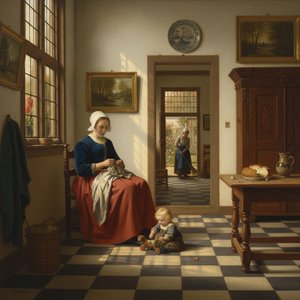
Pieter de Hooch: Illuminating Dutch Domestic Life & Golden Age Charm
Explore the captivating world of Pieter de Hooch, a master of Dutch Golden Age painting. Discover his innovative use of light, intimate domestic scenes, and lasting influence on art history. Learn more at OriginalUniqueArt.