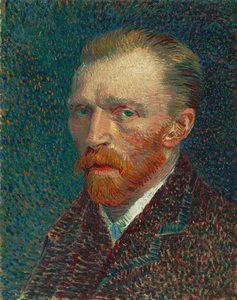
Vincent van Gogh (1853-1890): Istražite život i umjetnost holandskog postimpresionističkog majstora iza djela 'Zvezdana noć' i 'Sunčnice'. Otkrijte njegov hrabri stil i trajni utjecaj na modernu umjetnost.
Otkrijte Hieronimusa Boscha (oko 1450.-1516.), nizozemskog slikara poznatog po svojim fantastičnim i simboličkim djelima, uključujući 'Vrt zemaljskih užitaka'. Istražite njegov jedinstveni stil i utjecaj na umjetnost!
Pieter Bruegel Stariji (c. 1525–1569): Nizozemski majstor pejzaža i ljudskog života. Poznati su po detaljnim scenama, inovativnoj svetlosnoj igri i trajnom uticaju na nizozemsku umetnost. otkrijte ikoniske slike!
A Legacy Forged in Patronage: The Heart of Dutch Artistic Heritage
Nestled within Rotterdam’s vibrant Museumpark, Museum Boijmans Van Beuningen stands as more than just a repository of art; it's a living chronicle of Dutch artistic evolution, a testament to centuries of patronage and visionary collecting. Founded in 1849 with the generous bequest of Frans Jacob Otto Boijmans, and subsequently enriched by the substantial contributions of Daniël George van Beuningen in 1958, this institution began as a personal collection—a passionate pursuit of beauty that quickly blossomed into one of Europe’s most significant art museums. The story isn't simply about accumulating masterpieces; it’s about a lineage of dedication to artistic endeavor, a tradition established by Boijmans himself and carried forward through generations. The museum’s very architecture reflects this commitment – designed by the brilliant Alexander Van der Steur in 1935, the building embodies a philosophy of service to art, prioritizing the artwork itself through subtle design choices that minimize visitor fatigue and maximize the impact of each piece. Notice the gentle level changes, the unobtrusive stairwells, all meticulously crafted to ensure the viewer’s focus remains firmly on the art within.
Frans Jacob Otto Boijmans:
A pioneering collector whose initial holdings laid the foundation for the museum's breadth and depth. He possessed an unwavering belief in the transformative power of artistic expression, shaping his collection with meticulous care and discerning taste. His vision extended beyond mere aesthetic appreciation; he sought to illuminate the cultural context surrounding each artwork, fostering a deeper understanding of its significance within broader historical narratives.
Daniël George van Beuningen:
His transformative donation in 1958 solidified the museum’s position as a leading cultural institution, ensuring its continued growth and relevance. Recognizing the importance of preserving artistic heritage for future generations, Van Beuningen championed innovative conservation techniques—a commitment that continues to guide the museum's research endeavors and informs its programmatic initiatives. His generosity propelled Boijmans Van Beuningen into an era of unprecedented scholarly engagement and public outreach.
Alexander Van der Steur’s Design:
A masterpiece of functional architecture, prioritizing the artwork's experience over imposing grandeur. The building’s design reflects a profound respect for artistic contemplation—a deliberate avoidance of theatrical displays that would overshadow the artworks themselves. Instead, Van der Steur opted for understated elegance and meticulous attention to detail, creating an environment conducive to focused observation and fostering a connection between visitor and masterpiece.
A Kaleidoscope of Artistic Voices: The Museum’s Remarkable Collection
Boijmans Van Beuningen boasts an astonishing breadth, encompassing a staggering array of artistic styles and periods—from the spiritual fervor of medieval religious iconography to the groundbreaking explorations of Surrealism and beyond. Within its walls reside masterpieces by Rembrandt and Rubens, their dramatic lighting and masterful brushstrokes captivating visitors with scenes of biblical drama and opulent courtly life. The influence of Monet is palpable in his delicate depictions of light and water, while Picasso’s vibrant Cubist works challenge our perceptions of form and space. Sculptures by Rodin and Brancusi stand as powerful testaments to the human condition, their dynamic forms inviting contemplation. But perhaps most notably, the museum's collection includes a remarkable series of works by Peter Paul Rubens, particularly the monumental ‘Achilles series,’ a project that captivated audiences upon its unveiling and continues to inspire awe and admiration today. Beyond these iconic figures, Boijmans Van Beuningen’s holdings encompass decorative arts reflecting diverse cultural traditions—ceramics from Asia, textiles from South America, and furniture showcasing the craftsmanship of various European nations.
Highlights Include:
Rembrandt's "The Return of the Prodigal Son" – This poignant depiction captures the emotional depth characteristic of Rembrandt’s oeuvre, demonstrating his unparalleled ability to convey human experience through masterful brushwork and nuanced tonal gradations. The painting’s composition—centered around a father figure embracing his repentant son—resonates with universal themes of forgiveness and reconciliation.
Rubens’ “Achilles series” – This ambitious undertaking showcases Rubens' monumental scale and dramatic flair, transporting viewers into the heroic world of Greek mythology. Each canvas embodies a meticulous attention to detail—from the musculature of Achilles to the expressive faces of his companions—creating immersive visual narratives that capture the grandeur and pathos of classical storytelling.
Monet’s “Impression, Sunrise” – Monet's seminal Impressionist painting exemplifies his revolutionary approach to capturing fleeting moments of light and atmosphere. The hazy hues and textured brushstrokes evoke the misty dawn over Le Havre harbor, conveying a sense of immediacy and subjective perception—a cornerstone of Impressionism’s artistic philosophy.
Picasso’s Cubist works – Picasso's groundbreaking Cubist explorations dismantle traditional notions of perspective and representation, presenting fragmented forms that simultaneously depict multiple viewpoints. The resulting visual complexity challenges viewers to reconsider their understanding of space and form—marking a pivotal moment in the history of modern art.
Rodin and Brancusi sculptures – Rodin’s emotive sculptures embody his masterful manipulation of material—particularly bronze—to convey psychological depth and expressive dynamism. Similarly, Brancusi's minimalist sculptures prioritize essential forms—often abstracted representations of natural objects—creating contemplative artworks that invite viewers to engage in profound reflection.
Innovation in Preservation: The Depots of Boijmans
Recognizing the limitations of a single physical space, Museum Boijmans Van Beuningen embarked on an innovative solution: the creation of Depot Boijmans Van Beuningen. Inaugurated in 2021, this vast, architecturally striking building serves as a public art depot—a place where the majority of the museum’s collection is safely stored and accessible to researchers, artists, and the general public. Designed by MVRDV, Depot Boijmans Van Beuningen isn't merely a warehouse; it’s an immersive experience that demystifies the process of conservation science. Visitors can witness firsthand how artworks are handled, protected, and studied—gaining a deeper appreciation for the complexities involved in preserving cultural heritage. The building itself is a marvel of engineering, featuring reflective plates that create a mirrored landscape, inviting contemplation and offering a unique perspective on the surrounding environment. Furthermore, Depot Boijmans Van Beuningen actively fosters dialogue between past and present through rotating exhibitions and educational programs, ensuring that the museum remains a vital force in shaping artistic understanding and inspiring creativity for generations to come.
Contemporary Engagement & Future Horizons
Recent years have witnessed a renewed commitment to contemporary engagement at Museum Boijmans Van Beuningen. Exhibitions like “Beyond Surrealism” showcase collaborations with artists from around the globe, reflecting the museum’s role as a catalyst for innovation and cross-cultural dialogue. The ongoing renovation of the main building—a project slated to reopen in 2030—promises to further enhance the visitor experience while preserving the museum's legacy. The spirit of experimentation and accessibility continues at Depot Boijmans Van Beuningen, offering unprecedented insight into art preservation and fostering a deeper appreciation for cultural heritage. As Rotterdam celebrates its vibrant artistic landscape, Museum Boijmans Van Beuningen remains steadfast in its conviction that art belongs to everyone, inspiring wonder and shaping our understanding of the world around us.
Journey through the Golden Age with our guide to the Top 10 Dutch Baroque masterpieces! Explore iconic paintings by Rembrandt, Vermeer & Frans Hals. Find museum-quality art reproductions and elevate your home decor at OriginalUniqueArt.com.
Uronite u svijet Rembrandta van Rijna! Otkrijte 25 najpoznatijih djela nizozemskog baroka, priče iza portreta i biblijskih scena te majstorstvo svjetla i sjene. Kupite reprodukcije vrhunske kvalitete za vaš dom na OriginalUniqueArt.com
Explore the life & art of Rembrandt van Rijn, a Dutch Golden Age master. Discover his innovative techniques, iconic paintings like 'The Night Watch', and enduring legacy. Expert insights for collectors & enthusiasts.