
 Aperçu en situation
 Envoyer
 Partager
 Détails de l'œuvre

 Télécharger
 Articles similaires
 Radiographie
 Diaporama
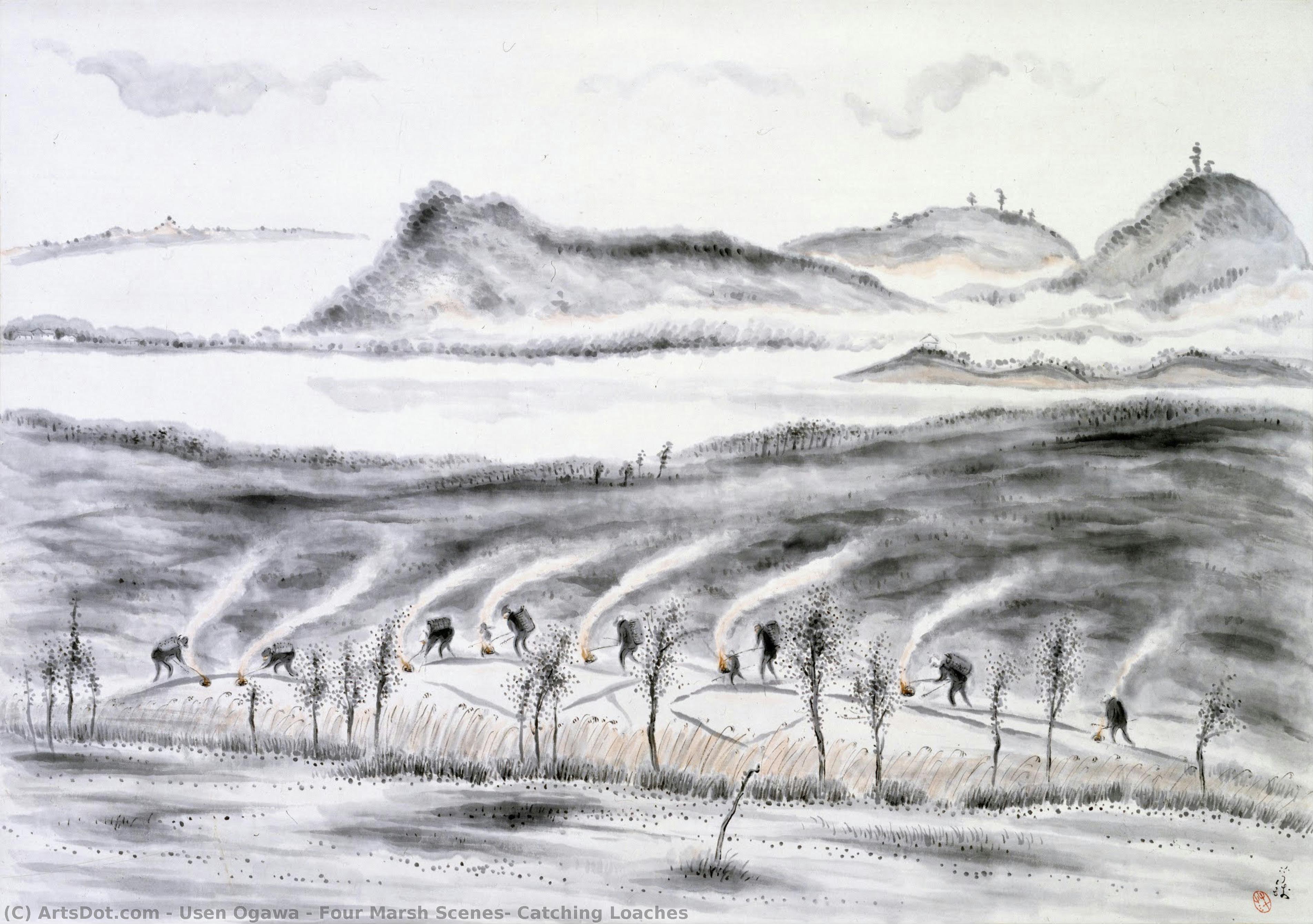
Four Marsh Scenes: Catching Loaches
 1922
1922 92.0 x 65.0 cm
 Musée Préfectoral d'Art de la Préfecture d'Aichi
 Lire la suite
Giclées et impressions d'art
Impressions giclées ou sur toile de qualité musée, avec une production rapide et des finitions au choix. ( Commander la reproduction peinte à la main Acheter l'image haute résolution)




































Choisissez parmi nos formats prédéfinis qui respectent les proportions originales de l’œuvre.

Vous pouvez saisir vos propres dimensions pour vous adapter à un cadre ou à un espace spécifique. Si la taille sélectionnée ne correspond pas aux proportions de l'image originale, nous recadrerons l'œuvre ou étendrons l'image avec une bordure en miroir ou une couleur unie. Une maquette numérique vous sera envoyée pour approbation avant le début de la production.
Veuillez noter que l'aperçu à l'écran ne reflète pas le recadrage ou l'extension réelle. Seule la maquette montrera avec précision la composition finale.
Bien que des tailles personnalisées soient disponibles, nous vous recommandons de choisir une dimension dans la liste prédéfinie afin de préserver les proportions originales.
Livraison dans le monde entier () en 2 semaines au lieu des 4/5 semaines habituelles. (30 août)

Livraison express gratuite dans le monde entier

Toile de lin de qualité supérieure

Assurance transport complète

Garantie de remboursement des droits de douane

Garantie de fidélité des couleurs

Politique de retour de 60 jours (uniquement en cas de défaut)

Garantie de remboursement à 100%

Offre de tarifs dégressifs
 L'option verre n'est disponible que pour les dimensions inférieures à 110 cm.

Four Marsh Scenes: Catching Loaches
Giclées et impressions d'art
Format de la reproduction
-


Prix total
$ 80
Biographie de l'artiste
usen ogawa: A Pioneer of Shin-hanga Landscape Painting
usen ogawa (1885 – 1951) stands as a cornerstone figure in the revitalized landscape painting tradition known as shin-hanga, marking a pivotal moment in Japanese art history. Born in Tokyo amidst the burgeoning industrial era, Ogawa’s artistic journey was profoundly shaped by his exposure to Western Impressionism and Japonisme—the fascination with Japanese aesthetics that gripped European artists at the turn of the century—influences which he skillfully integrated into his distinctive style. Early Life & Influences: Ogawa’s formative years were spent studying Western art techniques, particularly Impressionism under Auguste Renoir and Claude Monet. This immersion in Impressionist principles instilled a deep appreciation for capturing fleeting moments of light and atmosphere, an element that would become central to his artistic vision. He recognized the transformative potential of blending Eastern sensibilities with Western innovation—a path he wholeheartedly embraced throughout his career. The Shin-hanga Movement: Ogawa joined the Shin-hanga movement in 1908, spearheaded by artists like Hiroshi Yoshida and Tsuguro Yoshida. This collective aimed to revive traditional woodblock printing methods while embracing modern sensibilities, rejecting academic conventions and prioritizing direct observation of nature. Recognizing the importance of preserving cultural heritage alongside artistic experimentation, Ogawa championed this movement's ethos—a commitment that would define his artistic endeavors for decades to come. The Shin-hanga artists sought to recapture the spirit of Edo-period prints, elevating them to a new level of sophistication and beauty. Ogawa’s Artistic Vision: Ogawa’s artistic vision centered on capturing the ephemeral beauty of Japanese landscapes—particularly marshes and ponds—with breathtaking precision and vibrant color palettes. He meticulously studied botanical specimens and employed innovative techniques to achieve remarkable textural detail, mirroring the meticulous craftsmanship of Edo-period prints. His compositions often conveyed a sense of tranquility and contemplation, reflecting Zen Buddhist principles prevalent in Japanese culture. The artist’s unwavering dedication to portraying nature's subtleties—the interplay of light, shadow, and color—established him as one of Shin-hanga’s foremost practitioners. He believed that art should serve as a conduit for experiencing the profound harmony between humanity and the natural world. Notable Works: “Four Marsh Scenes: Duck Coop” exemplifies Ogawa’s masterful use of color and texture, depicting a serene pond teeming with waterfowl. The artist skillfully utilized layering techniques to create depth and luminosity, capturing the shimmering surface reflections of sunlight on the water—a hallmark of Shin-hanga aesthetics. “Four Marsh Scenes: Hibara” showcases his ability to convey subtle tonal variations and atmospheric perspective—a testament to his mastery of printmaking principles. Similarly, "Four Marsh Scenes: Catching Loaches" demonstrates Ogawa’s meticulous attention to detail, capturing the movement of fish in water with remarkable realism. These works stand as enduring symbols of Shin-hanga's artistic excellence. Legacy & Historical Significance: usen ogawa’s contribution extended beyond individual artworks; he actively mentored younger artists and championed the preservation of traditional printing techniques. His influence resonated throughout the Shin-hanga movement and inspired subsequent generations of Japanese painters. Ogawa’s unwavering belief in blending Eastern and Western traditions solidified his place as an enduring symbol of Japan's artistic heritage—a legacy that continues to inspire admiration and scholarly study today. He died in 1951 leaving behind a substantial body of work that continues to captivate audiences worldwide, cementing his status as one of the most important figures in modern Japanese art.
Usen Ogawa
1885 - 1951 , Japon
L'essentiel de l'artiste
- Artistic Movement Or Style: Shin-hanga
- Date Of Birth: 1885
- Full Name: usen ogawa
- Nationality: Japanese
- Notable Artworks:
- Four Marsh Scenes: Duck Coop
- Four Marsh Scenes: Hibara
- Place Of Birth: Tokyo, Japan

