
 Aperçu en situation
 Envoyer
 Partager
 Détails de l'œuvre

 Télécharger
 Articles similaires
 Radiographie
 Diaporama
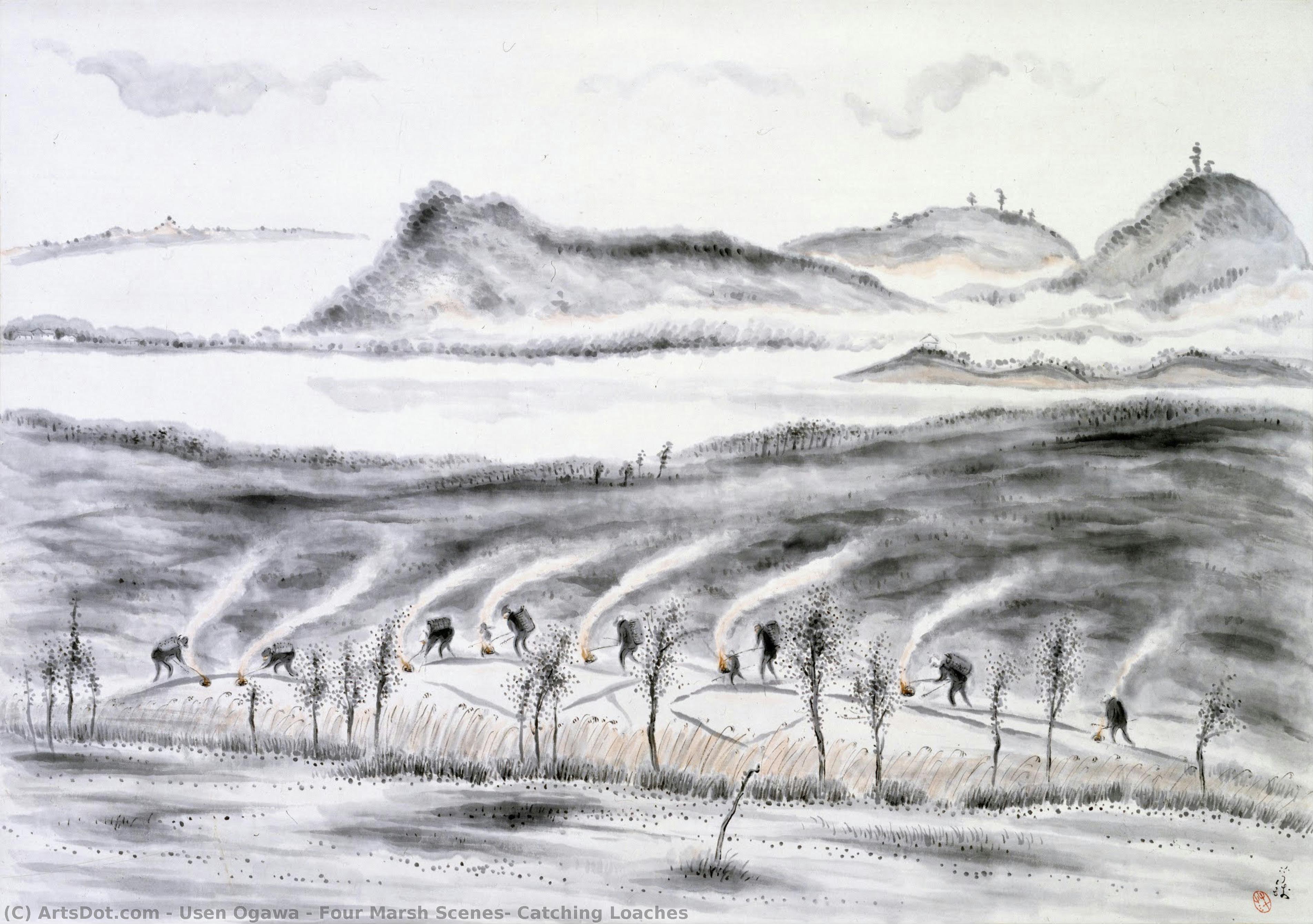
Four Marsh Scenes: Catching Loaches
 1922
1922 92.0 x 65.0 cm
 Musée Préfectoral d'Art de la Préfecture d'Aichi
 Lire la suite
Acquérez une image numérique haute résolution et optimisée, d'une qualité bien supérieure à l'aperçu en ligne.
Chaque fichier est méticuleusement préparé par nos spécialistes internes à l'aide d'outils avancés et d'une retouche manuelle experte. Nous garantissons que chaque image possède une clarté exceptionnelle, une précision des couleurs irréprochable et un niveau de détail fin.
Le fichier final est livré par e-mail sous 72 heures, optimisé pour une utilisation immédiate dans des contextes professionnels, éditoriaux et d'impression. Il offre la même qualité de confiance que celle utilisée par les plus grands studios de création, éditeurs et galeries.
Image numérique
Téléchargez un fichier haute résolution pour votre usage personnel, l'impression et vos projets créatifs. ( Commander l'impression Commander la reproduction peinte à la main)
Inclus avec chaque commande d'image numérique
Livraison numérique experte, garantie.
En choisissant OriginalUniqueArt.com, vous n'obtenez pas seulement une simple image : vous recevez une œuvre numérique sublimée avec professionnalisme, conçue avec précision et accompagnée d'une garantie de satisfaction. Voici tout ce qui accompagne automatiquement votre commande :

Envoi rapide par e-mail
Votre fichier d'image numérique haute résolution vous sera envoyé par e-mail sous 72 heures après votre commande — prêt à un usage immédiat.

Fichier numérique optimisé par l'IA
Votre œuvre d'art bénéficie d'une optimisation professionnelle grâce à des outils d'IA avancés et une retouche manuelle, garantissant un niveau maximal de détail, de clarté et de fidélité chromatique.

Réexpédition gratuite à vie
Vous avez accidentellement supprimé ou perdu votre fichier ? Pas d'inquiétude — nous vous le renverrons gratuitement, quand vous le souhaitez.

Aucuns frais de douane — À jamais
Profitez de votre œuvre d'art instantanément sans frais de douane ni de livraison — les téléchargements numériques sont toujours exonérés de taxes.

Garantie de fidélité des couleurs
Nous garantissons que votre image numérique reproduit les couleurs de l'original aussi fidèlement que possible grâce à des outils professionnels et une gestion rigoureuse des couleurs.

Garantie satisfaction 60 jours
Si vous n'êtes pas satisfait de votre image numérique, nous la retoucherons ou vous rembourserons 100% sous 60 jours — sans poser de questions.

Garantie de remboursement à 100%
Pas satisfait ? Obtenez un remboursement intégral dans les 60 jours suivant la réception de votre fichier numérique — sans aucune question posée.

Réductions sur les commandes groupées
Achetez 3 images, économisez 10% - Achetez 5, économisez 15% - Achetez 10+, économisez 20%. Idéal pour les projets créatifs, les galeries et les agences.
Biographie de l'artiste
usen ogawa: A Pioneer of Shin-hanga Landscape Painting
usen ogawa (1885 – 1951) stands as a cornerstone figure in the revitalized landscape painting tradition known as shin-hanga, marking a pivotal moment in Japanese art history. Born in Tokyo amidst the burgeoning industrial era, Ogawa’s artistic journey was profoundly shaped by his exposure to Western Impressionism and Japonisme—the fascination with Japanese aesthetics that gripped European artists at the turn of the century—influences which he skillfully integrated into his distinctive style. Early Life & Influences: Ogawa’s formative years were spent studying Western art techniques, particularly Impressionism under Auguste Renoir and Claude Monet. This immersion in Impressionist principles instilled a deep appreciation for capturing fleeting moments of light and atmosphere, an element that would become central to his artistic vision. He recognized the transformative potential of blending Eastern sensibilities with Western innovation—a path he wholeheartedly embraced throughout his career. The Shin-hanga Movement: Ogawa joined the Shin-hanga movement in 1908, spearheaded by artists like Hiroshi Yoshida and Tsuguro Yoshida. This collective aimed to revive traditional woodblock printing methods while embracing modern sensibilities, rejecting academic conventions and prioritizing direct observation of nature. Recognizing the importance of preserving cultural heritage alongside artistic experimentation, Ogawa championed this movement's ethos—a commitment that would define his artistic endeavors for decades to come. The Shin-hanga artists sought to recapture the spirit of Edo-period prints, elevating them to a new level of sophistication and beauty. Ogawa’s Artistic Vision: Ogawa’s artistic vision centered on capturing the ephemeral beauty of Japanese landscapes—particularly marshes and ponds—with breathtaking precision and vibrant color palettes. He meticulously studied botanical specimens and employed innovative techniques to achieve remarkable textural detail, mirroring the meticulous craftsmanship of Edo-period prints. His compositions often conveyed a sense of tranquility and contemplation, reflecting Zen Buddhist principles prevalent in Japanese culture. The artist’s unwavering dedication to portraying nature's subtleties—the interplay of light, shadow, and color—established him as one of Shin-hanga’s foremost practitioners. He believed that art should serve as a conduit for experiencing the profound harmony between humanity and the natural world. Notable Works: “Four Marsh Scenes: Duck Coop” exemplifies Ogawa’s masterful use of color and texture, depicting a serene pond teeming with waterfowl. The artist skillfully utilized layering techniques to create depth and luminosity, capturing the shimmering surface reflections of sunlight on the water—a hallmark of Shin-hanga aesthetics. “Four Marsh Scenes: Hibara” showcases his ability to convey subtle tonal variations and atmospheric perspective—a testament to his mastery of printmaking principles. Similarly, "Four Marsh Scenes: Catching Loaches" demonstrates Ogawa’s meticulous attention to detail, capturing the movement of fish in water with remarkable realism. These works stand as enduring symbols of Shin-hanga's artistic excellence. Legacy & Historical Significance: usen ogawa’s contribution extended beyond individual artworks; he actively mentored younger artists and championed the preservation of traditional printing techniques. His influence resonated throughout the Shin-hanga movement and inspired subsequent generations of Japanese painters. Ogawa’s unwavering belief in blending Eastern and Western traditions solidified his place as an enduring symbol of Japan's artistic heritage—a legacy that continues to inspire admiration and scholarly study today. He died in 1951 leaving behind a substantial body of work that continues to captivate audiences worldwide, cementing his status as one of the most important figures in modern Japanese art.
Usen Ogawa
1885 - 1951 , Japon
En bref
- Artistic Movement Or Style: Shin-hanga
- Date Of Birth: 1885
- Full Name: usen ogawa
- Nationality: Japanese
- Notable Artworks:
- Four Marsh Scenes: Duck Coop
- Four Marsh Scenes: Hibara
- Place Of Birth: Tokyo, Japan

