
 Aperçu en situation
 Envoyer
 Partager
 Détails de l'œuvre
 Guide
Guide

 Télécharger l'image
 Articles similaires
 Radiographie
 Diaporama
 Questions et réponses
 Statistiques
Grass and Insects


 Lire la suite
Giclées et impressions d'art
Impressions giclées ou sur toile de qualité musée, avec une production rapide et des finitions au choix. ( Commander la reproduction peinte à la main Passer au format numérique)




P118B €10

P118H €10

P118W €10

P438Z €10

P508JH €12

P508YH €12

P805H €10

P805Z €10

P919BZ €10

P919G €10

P919XJ €10

P959ZH €10

P968JZ €12

W106C €8

W218G €10

W218JH €8

W218Y €10

W307PJ €10

W316G €10

W316PJ €8

W316Y €10

W398PJ €8

W4111J €10

W500HY €15

W500JH €15

W692G €12

W849H €8

W940BG €15

W953PJ €8




Choisissez parmi nos formats prédéfinis qui respectent les proportions originales de l’œuvre.

Saisissez la largeur et la hauteur souhaitées pour qu'elles s'adaptent à votre cadre ou à votre mur. Une impression peut être recadrée, mais jamais agrandie au-delà de l'image originale ; ainsi, un format de forme différente entraînera la perte d'une partie de l'image. Nous vous envoyons une maquette numérique pour approbation avant toute impression. L'image présentée sur cette page ne montre pas le recadrage réel — seule la maquette le permet.
Livraison dans le monde entier () en 2 semaines au lieu des 4/5 semaines habituelles. (7 novembre)

Livraison express gratuite dans le monde entier

Toile de lin de qualité supérieure

Assurance transport complète

Garantie de remboursement des droits de douane

Garantie de fidélité des couleurs

Politique de retour de 100 jours (uniquement en cas de défaut)

Garantie de remboursement à 100%

Offre de tarifs dégressifs
 L'option verre n'est disponible que pour les dimensions inférieures à 110 cm.

Grass and Insects
Giclées et impressions d'art
Format de la reproduction
-


Prix total
€ 72
A Symphony of Nature’s Palette: Exploring Shin Saimdang's "Grass and Insects"
Shin Saimdang’s “Grass and Insects,” a captivating panel from the monumental ten-panel folding screen created in 1504, offers a profound glimpse into the world as perceived by one of Korea’s most celebrated female artists. More than merely a depiction of flora and fauna, this work embodies a delicate balance between meticulous observation and poetic interpretation – a hallmark of Saimdang's artistic philosophy. The painting, now housed within the National Museum of Korea in Seoul, is not simply a representation of nature; it’s an invitation to contemplate its intricate beauty and transient qualities.
The composition immediately draws the eye into a vibrant microcosm teeming with life. A profusion of meticulously rendered plants – watermelons plump with ripeness, eggplants hinting at earthy sweetness, poppies ablaze with scarlet intensity, and hibiscus bursting with delicate pinks – compete for attention alongside an array of insects. Dragonflies flit amongst the blossoms, dung beetles diligently roll their spheres, mantises stalk their prey, and cicadas buzz with a summer’s energy. Each creature is rendered with remarkable detail, showcasing Saimdang's mastery of brushwork and her keen eye for capturing subtle textures and movements. The artist skillfully employs layering techniques to create depth and dimension, drawing the viewer into this miniature world.
The Legacy of Joseon Dynasty Art
“Grass and Insects” is deeply rooted in the artistic traditions of the Joseon dynasty (1392-1910), a period characterized by a refined aesthetic sensibility and a reverence for nature. The painting’s style aligns closely with the *hyangga* tradition – a form of Korean lyric poetry that often incorporated vivid imagery of the natural world. Saimdang, herself a prolific poet and calligrapher, likely infused her paintings with similar poetic sensibilities. The panel's inclusion within a larger folding screen—a common format during this era—suggests it was intended for use in a scholar’s study or as a decorative element within a refined domestic setting. The meticulous detail and harmonious color palette reflect the Joseon ideal of *jeong*, a concept encompassing harmony, balance, and mutual respect – principles that permeated all aspects of Korean life.
Symbolism Woven into the Scene
Beyond its aesthetic beauty, “Grass and Insects” is rich in symbolic meaning. The abundance of plants represents fertility, prosperity, and the cyclical nature of life. The insects, often associated with transformation and decay, serve as a reminder of mortality and the ephemeral quality of existence. The inclusion of specific flowers – poppies for remembrance, hibiscus for beauty, and day lilies for longevity – adds layers of symbolic depth to the composition. Furthermore, the presence of animals like frogs and lizards speaks to the interconnectedness of all living things within the natural world.
A Window into a Remarkable Life
The painting’s creation provides a fascinating insight into the life of Shin Saimdang herself – a woman who defied societal expectations by pursuing artistic endeavors alongside her roles as a mother, wife, and scholar. Born in 1504 and tragically passing away in 1551, she was a true pioneer for women artists during that time. Her legacy extends beyond this single masterpiece; it’s embodied in the enduring appreciation of her work and the recognition of her contributions to Korean art history. “Grass and Insects” stands as a testament to her artistic skill, poetic vision, and profound connection with the natural world – an artwork that continues to resonate with viewers centuries after its creation.
Questions et réponses
Où et pour quel usage l'œuvre "Grass and Insects" est-elle recommandée ?
L'utilisation (Accent) et l'espace (Living Room) sont les deux recommandations enregistrées pour «Grass and Insects» de Shin Saimdang.
L'œuvre « Grass and Insects » se trouve-t-elle dans le pays de son créateur ?
Oui — l'œuvre est conservée dans le pays d'origine de l'artiste. « Grass and Insects » est conservée en Corée du Sud, tandis que Shin Saimdang est né(e) en Corée du Sud.
Quelle émotion Grass and Insects dégage-t-il ?
«Grass and Insects» est empreint d'un sentiment Nostalgic. La tonalité émotionnelle décrit l'impression qui se dégage de l'œuvre.
Biographie de l'artiste
A Trailblazing Female Artist in Joseon Dynasty Korea
Shin Saimdang (1504-1551), a multifaceted artist from South Korea, lived during the Joseon Dynasty, leaving an indelible mark on Korean art history. Born on October 29, 1504, in Gangneung, Gangwon Province, she was not only a painter but also a writer, calligraphist, and poet—a rare combination for women of her time. Her artistic talent emerged early; at just seven years old, she imitated the painting style of An Gyeon, another prominent Korean artist, demonstrating an exceptional aptitude for visual arts from a young age. Her birthplace, Ojukheon – also her maternal family’s home – remains remarkably preserved today, offering visitors a glimpse into the life of this extraordinary woman.Artistic Contributions and Style
Shin Saimdang's paintings are characterized by meticulous brushstrokes and vibrant colors, reflecting the refined aesthetic sensibilities of Joseon art. Her most celebrated work is a ten-panel folding screen depicting “Grass and Insects,” featuring an impressive array of subjects—watermelons, eggplants, poppies, hibiscus flowers, and various insects—a masterful representation of nature’s beauty. This masterpiece resides in the National Museum of Korea (Seoul, South Korea), continuing to inspire art enthusiasts worldwide. Her style is notable for its delicate precision and harmonious blending of hues, aligning with the prevailing artistic trends of the era. She pioneered the “Chochungdo” technique—the depiction of plants and insects—a stylistic innovation that solidified her place as a visionary artist.Notable Works & Influences
Beyond "Grass and Insects," Shin Saimdang produced numerous other paintings showcasing landscapes and floral compositions, demonstrating her unwavering dedication to capturing the essence of Korean scenery. Her artistic influences stemmed from An Gyeon, another influential painter of the early Joseon period, whose stylistic approach undoubtedly shaped Shin Saimdang’s own creative vision. Furthermore, she excelled in calligraphy and poetry, expressing herself through written word with equal grace and artistry—a testament to her intellectual curiosity and multifaceted talents.Legacy & Impact
Shin Saimdang's influence extends beyond her artistic achievements; she is revered as the mother of Yi I (이원수), a distinguished scholar and politician who played a pivotal role in shaping Joseon Dynasty history. Her life embodies the ideals of Confucian virtue—harmony, filial piety, and scholarly pursuits—inspiring generations of Koreans. She stands as an emblem of female empowerment during a time when women’s roles were largely confined to domestic duties, defying societal expectations and achieving remarkable success in multiple disciplines.Recognition & Remembrance
Shin Saimdang's legacy is commemorated on the 50,000 won banknote issued by South Korea—a symbolic gesture honoring her contribution to Korean culture and recognizing her as a role model for women’s accomplishments. Her image graces the coin, representing her enduring spirit and artistic brilliance.
Shin Saimdang
1504 - 1551 , Corée du Sud
L'essentiel de l'artiste
- Artistic Movement Or Style: Joseon Dynasty Art
- Artists Who Influenced This Artist: ['An Gyeon']
- Date Of Birth: October 29, 1504
- Date Of Death: 1551
- Full Name: Shin Saimdang
- Nationality: Korean
- Notable Artworks: ['Grass and Insects']
- Place Of Birth: Gangneung, South Korea
Articles connexes
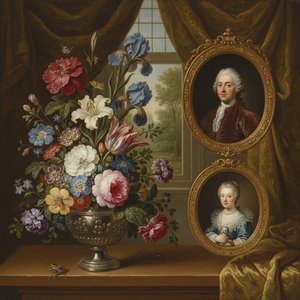
Jan van Kessel the Elder: A Baroque Master of Floral Still Life & Miniature Portraiture
Discover the exquisite detail of Jan van Kessel the Elder's Baroque floral still lifes & captivating miniatures. Explore his artistic legacy, scientific precision, and lasting influence on 17th-century Flemish painting.
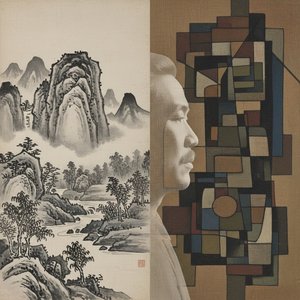
Yi Eungro: Bridging East & West in the Landscape of Korean Modernism
Explore the captivating world of Yi Eungro (Lee Ungno), a pivotal figure in Korean modernism. Discover his unique fusion of Eastern and Western artistic traditions, abstract masterpieces, and lasting legacy. A must-read for discerning art collectors.
