Sommaire


L'essentiel
- Emotional tone:
- tranquille
- nostalgie douce-amère
- Also known as: Sin Saimdang
- Color intensity: vif
- Mediums: acrylique sur toile
- Museums on this site:
- Musée national de Corée
- Musée de l’Université féminine Sookmyung
- Nationality: Corée du Sud
- Creative periods: période de la mi-joseon
- Copyright status: Public domain
Quelle est l'œuvre la plus emblématique de Shin Saimdang ?
Avant tout Herbes et insectes ; puis Grass and Insects.
Quiz
Chaque question ne comporte qu'une seule bonne réponse.
Question 1:
Quel est le domaine artistique dans lequel Shin Saimdang est principalement connue ?
Question 2:
Dans quelle dynastie Shin Saimdang a-t-elle vécu ?
Question 3:
Shin Saimdang était célèbre pour autre chose que la peinture ?
Question 4:
Les peintures de Shin Saimdang représentent souvent des sujets tels que :
Question 5:
Où pouvez-vous trouver la célèbre œuvre « Grass and Insects » ?
Articles connexes
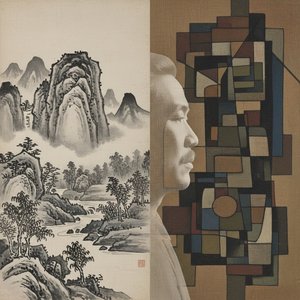
Yi Eungro: Bridging East & West in the Landscape of Korean Modernism
Explore the captivating world of Yi Eungro (Lee Ungno), a pivotal figure in Korean modernism. Discover his unique fusion of Eastern and Western artistic traditions, abstract masterpieces, and lasting legacy. A must-read for discerning art collectors.


Maîtriser la Lumière : Les 25 Chefs-d'œuvre Incontournables de Corot
Explorez les 25 chefs-d'œuvre de Corot et la lumière du paysage français. Découvrez ces trésors sur OriginalUniqueArt.com.

Simone Martini: Innovation, Spirituality & Courtly Refinement in Sienese Painting
Explore the captivating world of Simone Martini, a pivotal figure in Sienese painting & the International Gothic style. Discover his innovative techniques, spiritual depth, and lasting influence on early Renaissance art.


Questions et réponses
Quels médiums Shin Saimdang utilise-t-il ?
Les œuvres de Shin Saimdang répertoriées sur ce site sont principalement acrylique sur toile.
Où puis-je admirer les œuvres de Shin Saimdang dans une galerie en 3D ?
Où puis-je voir les peintures de Shin Saimdang ?
Les peintures de Shin Saimdang sont exposées à Musée national de Corée et Musée de l’Université féminine Sookmyung.
Où et en quelle année Shin Saimdang est-il né ?
Shin Saimdang est né à Gangneung en 1504.
L'œuvre de Shin Saimdang est-elle dans le domaine public ?
Oui. Shin Saimdang est décédé(e) en 1551, et ses œuvres sont dans le domaine public.
Quelles sont les peintures les plus célèbres de Shin Saimdang ?
Découvrez les peintures les plus célèbres de Shin Saimdang, classées par importance.
En quelle année Shin Saimdang est-il/elle décédé(e) ?
Shin Saimdang est décédé(e) en 1551, à l'âge d'environ 47 ans.
Quelles émotions les œuvres de Shin Saimdang expriment-elles ?
Découvrez les œuvres de Shin Saimdang classées par émotion : chaque œuvre est présentée selon son atmosphère.
À quel mouvement artistique Shin Saimdang appartenait-il ?
Shin Saimdang est associé au mouvement Joseon Dynasty Art.