

 Aperçu en situation
 Envoyer
 Partager
 Détails de l'œuvre
 Guide
Guide

 Télécharger l'image
 Articles similaires
 Radiographie
 Diaporama
 Statistiques
Grass and Insects


 Lire la suite
Reproduction à l'huile faite à la main
Huile sur toile peinte à la main, avec cadre et dimensions personnalisés, réalisée sur commande par nos artistes. ( Passer au format impression Passer au format numérique)




P118B €10

P118H €10

P118W €10

P438Z €10

P508JH €12

P508YH €12

P805H €10

P805Z €10

P919BZ €10

P919G €10

P919XJ €10

P959ZH €10

P968JZ €12

W106C €8

W218G €10

W218JH €8

W218Y €10

W307PJ €10

W316G €10

W316PJ €8

W316Y €10

W398PJ €8

W4111J €10

W500HY €15

W500JH €15

W692G €12

W849H €8

W940BG €15

W953PJ €8




Choisissez parmi nos formats prédéfinis qui respectent les proportions originales de l’œuvre.

Saisissez la largeur et la hauteur souhaitées, pour s'adapter à votre cadre ou à votre mur. Cette œuvre est peinte à la main ; ainsi, pour un format de forme différente, l'artiste peut peindre un peu plus autour du tableau ou réduire légèrement les bords — c'est vous qui choisissez. Nous vous envoyons une maquette numérique pour approbation avant que la peinture ne commence. L'image présentée sur cette page ne reflète pas le résultat réel — seule la maquette le fait.
Après la commande, l’équipe OriginalUniqueArt.com contactera le client par e-mail pour recueillir ses instructions et lui fournira une maquette d’aperçu
Livraison dans le monde entier () en 3 à 4 semaines au lieu des 5 semaines habituelles. (25 octobre). Aucun compromis sur la qualité.

Livraison express gratuite dans le monde entier

Toile de lin de qualité supérieure

Assurance transport complète

Garantie de remboursement des droits de douane

Garantie de fidélité des couleurs

Politique de retour de 100 jours (uniquement en cas de défaut)

Garantie de remboursement à 100%

Offre de tarifs dégressifs
 L'option verre n'est disponible que pour les dimensions inférieures à 110 cm.

Grass and Insects
Technique de reproduction
Format de la reproduction
-


Prix total
€ 263
Sin Saimdang's "Grass and Insects": A Window into Joseon Dynasty Korea
“Grass and Insects,” painted in 1500 by the remarkable Sin Saimdang, offers a captivating glimpse into the artistic sensibilities of the Joseon dynasty. This exquisite piece, part of a ten-panel folding screen, transcends mere botanical illustration; it’s a vibrant testament to a woman's creative genius within a rigidly structured society. Born in Gangneung in 1504, Saimdang was far more than just a painter – she was a poet, calligrapher, and writer, deeply connected to her family’s legacy at Ojukheon, a site still preserved as a cultural treasure today. The painting's meticulous detail and luminous colors speak volumes about the artistic traditions of the time, reflecting a profound appreciation for nature’s beauty and a mastery of brushwork that would influence generations of Korean artists.
A Symphony of Natural Detail
The scene depicted is a meticulously rendered garden teeming with life. Saimdang's skill lies in her ability to capture the essence of each element – from the plump watermelons and vibrant eggplants to the delicate poppies, hibiscus, and intricate patterns of cockscomb feathers and princess flowers. A remarkable array of insects populate the composition: long-headed grasshoppers, frogs, lizards, dragonflies, dung beetles, mantises, and cicadas, each rendered with astonishing precision. The inclusion of bees flitting around a purple flower highlights the artist's keen observation of the natural world and her ability to translate it onto silk. This isn’t simply a representation; it’s an immersive experience of a Korean garden at its most vibrant.
Technique and Symbolism
The painting is executed with characteristic fine brushstrokes, a hallmark of Saimdang's style, and employs vivid colors achieved through mineral pigments – a testament to the sophisticated techniques employed during the Joseon period. The tenth panel adds another layer of meaning, featuring a critique by O Sechang, a prominent art critic of the time. This suggests that Saimdang’s work was not only admired for its aesthetic qualities but also subjected to rigorous artistic evaluation, reflecting the importance placed on scholarly discourse within Korean art circles. The selection of specific plants and insects likely held symbolic significance, though interpretations vary; watermelons often represented prosperity, while certain flowers were associated with particular virtues or seasons.
Historical Context and Legacy
Created in 1500, “Grass and Insects” provides a valuable window into the artistic landscape of the Joseon dynasty. Saimdang’s work stands as a remarkable achievement for a woman operating within a patriarchal society where artistic pursuits were often considered secondary to domestic duties. Her influence extended beyond her own creations; she mentored younger artists and contributed significantly to the development of Korean painting techniques. Today, reproductions of this stunning artwork offer an opportunity to appreciate not only Saimdang’s exceptional talent but also the rich cultural heritage of Korea – a legacy that continues to inspire awe and admiration.
Questions et réponses
Quelle est la couleur dominante de «Grass and Insects» de Shin Saimdang ?
Driftwood (#c99865) est la couleur dominante de «Grass and Insects» de Shin Saimdang.
Où puis-je acheter une impression de «Grass and Insects» de Shin Saimdang ?
Vous pouvez commander une impression de «Grass and Insects» de Shin Saimdang directement sur sa page Tirage d'art fine art : une impression d'art sur toile de coton ou sur papier canvas d'archive.
Quelle place occupe « Grass and Insects » parmi les thèmes récurrents de Shin Saimdang ?
Parmi les thèmes récurrents de Shin Saimdang — an gyeon influence, korean court culture, female artistic legacy, ten-panel screen format, o sechang critique — « Grass and Insects » met l'accent sur korean painting, shin saimdang, folding screen, plants & insects, joseon dynasty, calligraphy critique, garden scene.
Biographie de l'artiste
A Trailblazing Female Artist in Joseon Dynasty Korea
Shin Saimdang (1504-1551), a multifaceted artist from South Korea, lived during the Joseon Dynasty, leaving an indelible mark on Korean art history. Born on October 29, 1504, in Gangneung, Gangwon Province, she was not only a painter but also a writer, calligraphist, and poet—a rare combination for women of her time. Her artistic talent emerged early; at just seven years old, she imitated the painting style of An Gyeon, another prominent Korean artist, demonstrating an exceptional aptitude for visual arts from a young age. Her birthplace, Ojukheon – also her maternal family’s home – remains remarkably preserved today, offering visitors a glimpse into the life of this extraordinary woman.Artistic Contributions and Style
Shin Saimdang's paintings are characterized by meticulous brushstrokes and vibrant colors, reflecting the refined aesthetic sensibilities of Joseon art. Her most celebrated work is a ten-panel folding screen depicting “Grass and Insects,” featuring an impressive array of subjects—watermelons, eggplants, poppies, hibiscus flowers, and various insects—a masterful representation of nature’s beauty. This masterpiece resides in the National Museum of Korea (Seoul, South Korea), continuing to inspire art enthusiasts worldwide. Her style is notable for its delicate precision and harmonious blending of hues, aligning with the prevailing artistic trends of the era. She pioneered the “Chochungdo” technique—the depiction of plants and insects—a stylistic innovation that solidified her place as a visionary artist.Notable Works & Influences
Beyond "Grass and Insects," Shin Saimdang produced numerous other paintings showcasing landscapes and floral compositions, demonstrating her unwavering dedication to capturing the essence of Korean scenery. Her artistic influences stemmed from An Gyeon, another influential painter of the early Joseon period, whose stylistic approach undoubtedly shaped Shin Saimdang’s own creative vision. Furthermore, she excelled in calligraphy and poetry, expressing herself through written word with equal grace and artistry—a testament to her intellectual curiosity and multifaceted talents.Legacy & Impact
Shin Saimdang's influence extends beyond her artistic achievements; she is revered as the mother of Yi I (이원수), a distinguished scholar and politician who played a pivotal role in shaping Joseon Dynasty history. Her life embodies the ideals of Confucian virtue—harmony, filial piety, and scholarly pursuits—inspiring generations of Koreans. She stands as an emblem of female empowerment during a time when women’s roles were largely confined to domestic duties, defying societal expectations and achieving remarkable success in multiple disciplines.Recognition & Remembrance
Shin Saimdang's legacy is commemorated on the 50,000 won banknote issued by South Korea—a symbolic gesture honoring her contribution to Korean culture and recognizing her as a role model for women’s accomplishments. Her image graces the coin, representing her enduring spirit and artistic brilliance.
Shin Saimdang
1504 - 1551 , Corée du Sud
L'essentiel de l'artiste
- Artistic Movement Or Style: Joseon Dynasty Art
- Artists Who Influenced This Artist: ['An Gyeon']
- Date Of Birth: October 29, 1504
- Date Of Death: 1551
- Full Name: Shin Saimdang
- Nationality: Korean
- Notable Artworks: ['Grass and Insects']
- Place Of Birth: Gangneung, South Korea
Articles connexes
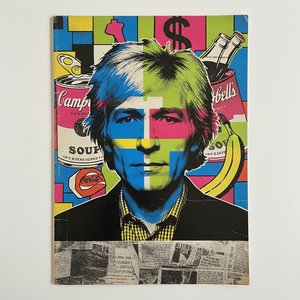
Andy Warhol : Déconstruction de la culture populaire et redéfinition de l'expression artistique
Explorez l'univers révolutionnaire d'Andy Warhol et du Pop Art. Découvrez sa technique unique, son impact sur la culture et les conseils d'experts pour collectionner ses œuvres emblématiques. OriginalUniqueArt.
Points Ben-Day et Sérigraphie : Les Secrets de l'Esthétique Industrielle du Pop Art des Années 60
Découvrez les secrets techniques de la sérigraphie et des points Ben-Day dans le Pop Art. Explorez l'histoire du mouvement dès maintenant.

L'Art de l'Éternité : Transformez vos Souvenirs en Chefs-d'œuvre Impressionnistes grâce à la Magie de l'IA et du Pinceau
Sublimez vos photos en véritables chefs-d'œuvre impressionnistes. Grâce à l'IA et au talent de nos maîtres peintres, transformez vos souvenirs en peintures à l'huile uniques sur toile. Un héritage artistique personnalisé, réalisé avec passion pour une décoration d'exception.
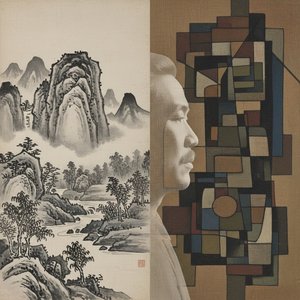
Yi Eungro: Bridging East & West in the Landscape of Korean Modernism
Explore the captivating world of Yi Eungro (Lee Ungno), a pivotal figure in Korean modernism. Discover his unique fusion of Eastern and Western artistic traditions, abstract masterpieces, and lasting legacy. A must-read for discerning art collectors.
L'Art de la Machine : Les Secrets Industriels du Pop Art et de la Sérigraphie
Explorez les secrets industriels du Pop Art et de la sérigraphie. Découvrez l'héritage technique de Lichtenstein dès maintenant.
