

 Aperçu en situation
 Envoyer
 Partager
 Détails de l'œuvre
 Guide
Guide

 Télécharger l'image
 Articles similaires
 Radiographie
 Diaporama
 Statistiques
Grass and Insects


 Lire la suite
Giclées et impressions d'art
Impressions giclées ou sur toile de qualité musée, avec une production rapide et des finitions au choix. ( Commander la reproduction peinte à la main Passer au format numérique)




P118B €10

P118H €10

P118W €10

P438Z €10

P508JH €12

P508YH €12

P805H €10

P805Z €10

P919BZ €10

P919G €10

P919XJ €10

P959ZH €10

P968JZ €12

W106C €8

W218G €10

W218JH €8

W218Y €10

W307PJ €10

W316G €10

W316PJ €8

W316Y €10

W398PJ €8

W4111J €10

W500HY €15

W500JH €15

W692G €12

W849H €8

W940BG €15

W953PJ €8




Choisissez parmi nos formats prédéfinis qui respectent les proportions originales de l’œuvre.

Saisissez la largeur et la hauteur souhaitées pour qu'elles s'adaptent à votre cadre ou à votre mur. Une impression peut être recadrée, mais jamais agrandie au-delà de l'image originale ; ainsi, un format de forme différente entraînera la perte d'une partie de l'image. Nous vous envoyons une maquette numérique pour approbation avant toute impression. L'image présentée sur cette page ne montre pas le recadrage réel — seule la maquette le permet.
Livraison dans le monde entier () en 2 semaines au lieu des 4/5 semaines habituelles. (25 octobre)

Livraison express gratuite dans le monde entier

Toile de lin de qualité supérieure

Assurance transport complète

Garantie de remboursement des droits de douane

Garantie de fidélité des couleurs

Politique de retour de 100 jours (uniquement en cas de défaut)

Garantie de remboursement à 100%

Offre de tarifs dégressifs
 L'option verre n'est disponible que pour les dimensions inférieures à 110 cm.

Grass and Insects
Giclées et impressions d'art
Format de la reproduction
-


Prix total
€ 70
A Delicate Tapestry of Nature's Bounty: Exploring Shin Saimdang’s “Grass and Insects”
Shin Saimdang (1504 – 1551), a remarkable woman artist from Joseon Dynasty Korea, stands as a beacon of creativity within a period largely dominated by male artists. Her legacy resides not only in her artistic prowess but also in her pioneering role as one of the first formally recognized female painters in Korean history—a testament to her unwavering dedication and talent despite societal constraints. This exquisite folding screen painting, “Grass and Insects,” exemplifies her masterful technique and profound understanding of natural beauty, offering a glimpse into the aesthetic sensibilities of her time.The Painting's Composition: A Symphony of Color and Texture
“Grass and Insects” is more than just a depiction of flora; it’s an immersive experience for the viewer. Created around 1500 CE, the screen showcases a meticulously crafted landscape brimming with vibrant hues—deep greens representing lush grasses interwoven with splashes of crimson poppies and hibiscus blossoms. Delicate pinks and yellows punctuate the scene, mirroring the subtle variations found in nature itself. The artist’s brushstrokes are remarkably fluid, conveying an impressionistic quality that captures the ephemeral beauty of sunlight filtering through foliage. Notice particularly the textured surface achieved through layering thin glazes—a technique characteristic of Joseon painting—which lends depth and luminosity to each element.Symbolism Rooted in Confucian Ideals
Korean art during Shin Saimdang’s era was heavily influenced by Confucian philosophy, which emphasized harmony with nature and reverence for ancestors. The inclusion of insects – meticulously rendered dragonflies, cicadas, beetles, and butterflies – carries symbolic significance beyond mere representation. These creatures embody concepts of longevity, transformation, and spiritual enlightenment—themes central to Confucian thought. Furthermore, the arrangement of plants and insects reflects a carefully considered balance, mirroring the ideal Korean garden aesthetic: serene contemplation combined with appreciation for seasonal changes. The presence of watermelons and eggplants adds visual interest while subtly hinting at prosperity and fertility – values deeply ingrained in Joseon culture.A Critique from O Sechang: Artistic Dialogue Across Generations
Adding another layer to this artistic masterpiece is a critique penned by O Sechang, a celebrated calligrapher and art critic of the late 19th century. His commentary underscores the painting’s enduring relevance and acknowledges Shin Saimdang's exceptional skill in capturing the essence of Korean landscape painting. O Sechang praised her ability to convey “the spirit of the mountains” – a concept paramount in Korean artistic tradition—demonstrating that Shin Saimdang’s work resonated with artists and intellectuals long after its creation. This collaborative effort exemplifies the importance of artistic dialogue and ensures that "Grass and Insects" continues to inspire admiration for centuries to come.Bringing Shin Saimdang's Vision Home: Reproductions That Capture Authenticity
Today, reproductions of “Grass and Insects” are available from reputable art dealers like OriginalUniqueArt.com, allowing collectors and interior designers alike to experience the beauty and tranquility of this iconic Korean artwork firsthand. Selecting a high-quality print ensures that you retain the painting’s original vibrancy and textural detail—a tangible connection to Shin Saimdang's artistic legacy and a celebration of Korea’s rich cultural heritage.Questions et réponses
L'œuvre « Grass and Insects » est-elle disponible en tirage d'art ?
« Grass and Insects » est disponible en tant que une impression d'art sur toile de coton ou sur papier canvas d'archive. Les commandes s'effectuent sur sa page Tirage d'art fine art, dans le format de votre choix.
Quand "Grass and Insects" a-t-il été créé, et à quel mouvement appartient-il ?
«Grass and Insects» de Shin Saimdang date de 1500 et appartient au mouvement Korean Landscape Painting.
Quelle origine nationale sous-tend le Korean Landscape Painting de « Grass and Insects » ?
L'œuvre Korean Landscape Painting « Grass and Insects » a été réalisée par un artiste né en Corée du Sud.
Biographie de l'artiste
A Trailblazing Female Artist in Joseon Dynasty Korea
Shin Saimdang (1504-1551), a multifaceted artist from South Korea, lived during the Joseon Dynasty, leaving an indelible mark on Korean art history. Born on October 29, 1504, in Gangneung, Gangwon Province, she was not only a painter but also a writer, calligraphist, and poet—a rare combination for women of her time. Her artistic talent emerged early; at just seven years old, she imitated the painting style of An Gyeon, another prominent Korean artist, demonstrating an exceptional aptitude for visual arts from a young age. Her birthplace, Ojukheon – also her maternal family’s home – remains remarkably preserved today, offering visitors a glimpse into the life of this extraordinary woman.Artistic Contributions and Style
Shin Saimdang's paintings are characterized by meticulous brushstrokes and vibrant colors, reflecting the refined aesthetic sensibilities of Joseon art. Her most celebrated work is a ten-panel folding screen depicting “Grass and Insects,” featuring an impressive array of subjects—watermelons, eggplants, poppies, hibiscus flowers, and various insects—a masterful representation of nature’s beauty. This masterpiece resides in the National Museum of Korea (Seoul, South Korea), continuing to inspire art enthusiasts worldwide. Her style is notable for its delicate precision and harmonious blending of hues, aligning with the prevailing artistic trends of the era. She pioneered the “Chochungdo” technique—the depiction of plants and insects—a stylistic innovation that solidified her place as a visionary artist.Notable Works & Influences
Beyond "Grass and Insects," Shin Saimdang produced numerous other paintings showcasing landscapes and floral compositions, demonstrating her unwavering dedication to capturing the essence of Korean scenery. Her artistic influences stemmed from An Gyeon, another influential painter of the early Joseon period, whose stylistic approach undoubtedly shaped Shin Saimdang’s own creative vision. Furthermore, she excelled in calligraphy and poetry, expressing herself through written word with equal grace and artistry—a testament to her intellectual curiosity and multifaceted talents.Legacy & Impact
Shin Saimdang's influence extends beyond her artistic achievements; she is revered as the mother of Yi I (이원수), a distinguished scholar and politician who played a pivotal role in shaping Joseon Dynasty history. Her life embodies the ideals of Confucian virtue—harmony, filial piety, and scholarly pursuits—inspiring generations of Koreans. She stands as an emblem of female empowerment during a time when women’s roles were largely confined to domestic duties, defying societal expectations and achieving remarkable success in multiple disciplines.Recognition & Remembrance
Shin Saimdang's legacy is commemorated on the 50,000 won banknote issued by South Korea—a symbolic gesture honoring her contribution to Korean culture and recognizing her as a role model for women’s accomplishments. Her image graces the coin, representing her enduring spirit and artistic brilliance.
Shin Saimdang
1504 - 1551 , Corée du Sud
L'essentiel de l'artiste
- Artistic Movement Or Style: Joseon Dynasty Art
- Artists Who Influenced This Artist: ['An Gyeon']
- Date Of Birth: October 29, 1504
- Date Of Death: 1551
- Full Name: Shin Saimdang
- Nationality: Korean
- Notable Artworks: ['Grass and Insects']
- Place Of Birth: Gangneung, South Korea
Articles connexes
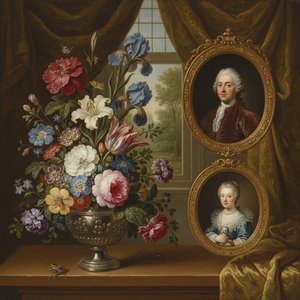
Jan van Kessel the Elder: A Baroque Master of Floral Still Life & Miniature Portraiture
Discover the exquisite detail of Jan van Kessel the Elder's Baroque floral still lifes & captivating miniatures. Explore his artistic legacy, scientific precision, and lasting influence on 17th-century Flemish painting.
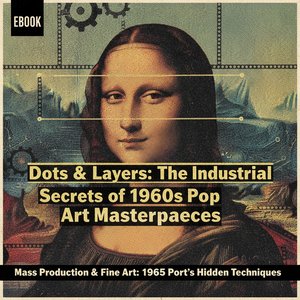
Points Ben-Day et Sérigraphie : Les Secrets de l'Esthétique Industrielle du Pop Art des Années 60
Découvrez les secrets techniques de la sérigraphie et des points Ben-Day dans le Pop Art. Explorez l'histoire du mouvement dès maintenant.

Blossoms of Time: A Historical & Aesthetic Exploration of Floral Painting Across Cultures
Explore the rich history of floral painting! Discover symbolism, techniques & masterpieces from Van Huysum to O'Keeffe. Expert insights for art lovers & collectors at OriginalUniqueArt.
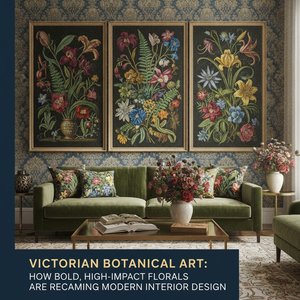
Victorian Botanical Art: How Bold, High-Impact Florals are Reclaiming Modern Interior Design
Discover how Victorian botanical art is transforming modern spaces. Explore high-impact floral aesthetics, from Marianne North's tropical drama to bold, hand-painted reproductions that bring vintage scientific beauty into contemporary urban design.
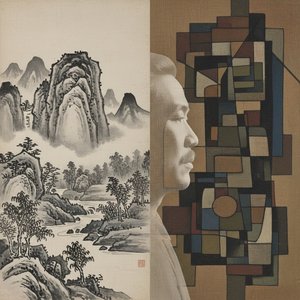
Yi Eungro: Bridging East & West in the Landscape of Korean Modernism
Explore the captivating world of Yi Eungro (Lee Ungno), a pivotal figure in Korean modernism. Discover his unique fusion of Eastern and Western artistic traditions, abstract masterpieces, and lasting legacy. A must-read for discerning art collectors.
