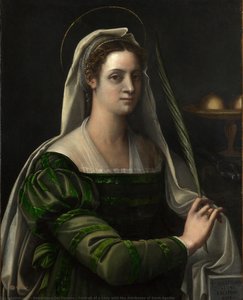
Aperçu en situation
 Envoyer
 Partager
 Détails de l'œuvre
 Guide
Guide

 Télécharger l'image
 Articles similaires
 Radiographie
 Diaporama
 Q&A
Q&A Statistiques
Polyphemus


 Lire la suite
Giclées et impressions d'art
Impressions giclées ou sur toile de qualité musée, avec une production rapide et des finitions au choix. ( Commander la reproduction peinte à la main Passer au format numérique)




P118B €10

P118H €10

P118W €10

P438Z €10

P508JH €12

P508YH €12

P805H €10

P805Z €10

P919BZ €10

P919G €10

P919XJ €10

P959ZH €10

P968JZ €12

W106C €8

W218G €10

W218JH €8

W218Y €10

W307PJ €10

W316G €10

W316PJ €8

W316Y €10

W398PJ €8

W4111J €10

W500HY €15

W500JH €15

W692G €12

W849H €8

W940BG €15

W953PJ €8




Choisissez parmi nos formats prédéfinis qui respectent les proportions originales de l’œuvre.

Saisissez la largeur et la hauteur souhaitées pour qu'elles s'adaptent à votre cadre ou à votre mur. Une impression peut être recadrée, mais jamais agrandie au-delà de l'image originale ; ainsi, un format de forme différente entraînera la perte d'une partie de l'image. Nous vous envoyons une maquette numérique pour approbation avant toute impression. L'image présentée sur cette page ne montre pas le recadrage réel — seule la maquette le permet.
Livraison dans le monde entier () en 2 semaines au lieu des 4/5 semaines habituelles. (2 novembre)

Livraison express gratuite dans le monde entier

Toile de lin de qualité supérieure

Assurance transport complète

Garantie de remboursement des droits de douane

Garantie de fidélité des couleurs

Politique de retour de 100 jours (uniquement en cas de défaut)

Garantie de remboursement à 100%

Offre de tarifs dégressifs
 L'option verre n'est disponible que pour les dimensions inférieures à 110 cm.

Polyphemus
Giclées et impressions d'art
Format de la reproduction
-


Prix total
€ 71
A Venetian Vision in Roman Marble
The Villa Farnesina’s courtyard holds more than just architectural grandeur; it cradles one of the most poignant emblems of Renaissance artistic evolution – Sebastiano del Piombo's *Polyphemus*. Painted in 1512, this fresco isn’t merely a depiction of Homeric myth; it’s a testament to how Venetian colorism wrestled with Roman sculptural idealism, resulting in an image that transcends its formal constraints and speaks directly to the viewer’s soul.- The Myth Revisited: Del Piombo reimagines Polyphemus, the Cyclops of Odysseus's epic voyage, not as a monstrous brute but as a figure of contemplative repose. Unlike earlier portrayals emphasizing brute force, Sebastiano presents him seated upon a rocky outcrop, leaning heavily on a staff—a gesture imbued with both physical vulnerability and intellectual solemnity.
- Roman Influence: The villa itself is a deliberate echo of Roman architectural principles, designed to rival the grandeur of imperial palaces. This context underscores Del Piombo’s ambition to elevate Venetian painting beyond its regional traditions, aligning it with the monumental scale and clarity of Roman art.
Technique & Material: Oil Paint on Panel – A Delicate Balance
Del Piombo's mastery lies in his meticulous application of oil paint onto a panel—a medium notoriously difficult to control. The artist skillfully employs layering and glazing techniques, creating subtle gradations of color that imbue the scene with an ethereal luminescence. Careful observation reveals the painstaking detail invested in capturing textures – from the rough surface of the stone to the smooth skin tones of Polyphemus – demonstrating a profound understanding of visual perception.- Atmospheric Perspective: Del Piombo expertly utilizes atmospheric perspective, drawing inspiration from Leonardo da Vinci’s pioneering explorations into optical illusion. Distant hills and trees fade into hazy blues and greens, conveying depth and creating an immersive experience for the viewer.
- Color Harmony: The palette is dominated by warm earth tones—ochre, browns, and muted reds—harmoniously blended to evoke a sense of tranquility and contemplation. These colors are juxtaposed against cooler blues and greens in the landscape, reinforcing the painting’s overall mood.
Symbolism & Emotional Resonance: Beyond Mythic Narrative
Beyond its retelling of Odysseus's encounter with Polyphemus, *Polyphemus* resonates deeply with broader symbolic concerns. The staff symbolizes authority and guidance—a subtle nod to the humanist ideals that underpinned Renaissance thought—while the sack represents burdens or responsibilities—perhaps reflecting Del Piombo’s own personal reflections on artistic endeavor. The painting's stillness invites introspection, prompting viewers to consider themes of resilience, wisdom, and the enduring power of myth to illuminate human experience. Its luminous palette and masterful technique elevate it beyond mere representation, transforming it into a conduit for emotional contemplation—a timeless masterpiece that continues to captivate audiences centuries after its creation.Villa Farnesina: A Legacy of Artistic Patronage
Located in Rome’s elegant Farnesina district, the villa itself stands as a testament to papal patronage and artistic ambition. It houses an impressive collection of Renaissance paintings—including works by Raphael and Carracci—further enriching its cultural significance. Visiting Villa Farnesina offers a unique opportunity to immerse oneself in the splendor of Italian High Renaissance art and to appreciate Del Piombo’s contribution to this pivotal moment in Western artistic history.Questions et réponses
Quel usage est suggéré pour «Polyphemus» de Sebastiano del Piombo ?
Cette impression de « Polyphemus » est idéale pour Accent.
L'œuvre « Polyphemus » est-elle disponible en tirage d'art ?
Pour obtenir une impression de «Polyphemus» de Sebastiano del Piombo, il vous suffit de la commander sur sa page Tirage d'art fine art : une impression d'art sur toile de coton ou sur papier canvas d'archive.
À quelle étape de la carrière de Sebastiano del Piombo s'inscrit « Polyphemus », compte tenu de sa date ?
«Polyphemus», créé en 1512, appartient à la période Mature Renaissance de la carrière de Sebastiano del Piombo.
Biographie de l'artiste
Jeunesse et Formation
Sebastiano del Piombo, peintre italien de la Haute Renaissance, a laissé une marque indélébile sur le monde de l'art grâce à son mélange unique de couleurs vénitiennes et de formes monumentales romaines. Né à Venise vers 1485, sa vie précoce reste entourée de mystère, mais il est établi qu’il commença sa formation en peinture relativement tard, devenant l'élève de Giorgione (1477/78 ou 1473/74 - 1510), un peintre majeur de la Haute Renaissance de l'école vénitienne.Ascension à Rome et Collaboration
L’ascension professionnelle de Sebastiano s’accéléra lorsqu’il déménagea à Rome en 1511, où il travailla aux côtés de Raphaël et devint l’un des rares peintres à bien s'entendre avec Michel-Ange, qui l'encouragea à concourir pour des commandes contre Raphaël. Cette exposition le mena à devenir le peintre principal de Rome après la mort de Raphaël en 1520.Œuvres Notables et Influences
- Les Trois Philosophes (Kunsthistorisches Museum, Vienne, Autriche), une collaboration avec Giorgione, met en valeur son style unique.
- Moïse Recevant les Tables de la Loi (détail) (Madonna dell'orto, Venise, Italie) démontre sa maîtrise de l’huile sur toile.
Développement Artistique et Style
Sebastiano del Piombo a développé un style caractérisé par des couleurs riches et profondes, une composition soignée et une attention particulière aux détails anatomiques. Son travail montre une influence de Raphaël dans la composition et l'expression, mais il a également intégré les éléments puissants et dramatiques du style de Michel-Ange. Il est connu pour ses portraits saisissants et ses scènes religieuses empreintes d’émotion.Héritage et Importance Historique
Malgré son statut de peintre majeur de son époque, l'influence de Sebastiano del Piombo sur les autres artistes fut limitée par le manque d'élèves notables et la diffusion relativement faible de ses œuvres dans des gravures imprimées. Cependant, son mélange unique de couleurs vénitiennes et de formes monumentales romaines continue d’inspirer les passionnés d'art. Son travail témoigne de la transition entre la Haute Renaissance et le maniérisme, marquant une étape importante dans l'histoire de l'art italien.
Sebastiano del Piombo
1485 - 1547 , Italie
L'essentiel de l'artiste
- Artistes Influents:
- Giorgione
- Raphaël
- Michel-Ange
- Date De Décès: 21 juin 1547
- Date De Naissance: c. 1485
- Lieu De Naissance: Venise, Italie
- Mouvement Artistique: Haute Renaissance
- Nationalité: Italienne
- Nom Complet: Sebastiano del Piombo
- Oeuvres Notables:
- Les Trois Philosophes
- Moïse recevant les tables
- La Visitation
Articles connexes
Cecco del Caravaggio: Rediscovering the Shadowy Genius of Francesco Buoneri
Explore the captivating world of Cecco del Caravaggio (Francesco Buoneri), a pivotal Baroque artist. Discover his dramatic realism, mysterious life, and lasting legacy with OriginalUniqueArt's expert analysis.
Andrea del Sarto: Florentine Grace, Technical Mastery & Artistic Ambition
Explore the life & art of Andrea del Sarto, a Florentine Renaissance master renowned for harmonious compositions & technical brilliance. Discover his frescoes, portraits, and lasting influence on art history.

Échos de la Côte Azur : Stratégies de sélection artistique pour les intérieurs de villas méditerranéennes – Harmoniser l'espace, la lumière et l'héritage
Sublimez votre villa méditerranéenne avec notre guide expert en décoration et architecture. Découvrez comment harmoniser espace, lumière et art pour un intérieur raffiné et authentique. Conseils de collectionneurs.

Perspectives Fragmentées, Espaces Unifiés : Intégrer l'Art d'Inspiration Cubiste dans la Conception de Villas Modernes – Guide à l'Innovation Esthétique et aux Considérations Juridiques
Guide expert pour intégrer l'art cubiste dans votre villa moderne. Découvrez les principes clés, les matériaux idéaux et les aspects juridiques essentiels pour un design unique et réussi.
Sebastiano del Piombo: Bridging Venetian Colorism & Roman Grand Manner Portraiture
Explore the captivating art of Sebastiano del Piombo, a Renaissance master bridging Venetian colorism & Roman grandeur. Discover his iconic portraits and lasting influence on art history. Learn more at OriginalUniqueArt.