() ·

A painting made for you, by hand

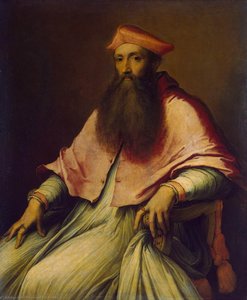
Polyphemus

Reproduction à l'huile faite à la main

Huile sur toile peinte à la main, avec cadre et dimensions personnalisés, réalisée sur commande par nos artistes. ( Passer au format impression Passer au format numérique)

Description de la pièce

Explore Sebastiano del Piombo’s ‘Polyphemus,’ a 1512 High Renaissance fresco in Villa Farnesina, Rome. Admire its classical style & masterful detail of the cyclops myth.

Biographie de l'artiste

Découvrez Sebastiano del Piombo (1485-1547), peintre de la Haute Renaissance alliant couleurs vénitiennes et monumentalité romaine. Portraits, scènes religieuses & collaborations!

from ·

Chapter 1

How large should it be?

Slide to change the size; the picture on the left shows the frame at its real width. The proportions of the original are kept.

Format standard
sur mesure
CM
INCH

Choisissez parmi nos formats prédéfinis qui respectent les proportions originales de l’œuvre.

largeur
hauteur

Saisissez la largeur et la hauteur souhaitées, pour s'adapter à votre cadre ou à votre mur. Cette œuvre est peinte à la main ; ainsi, pour un format de forme différente, l'artiste peut peindre un peu plus autour du tableau ou réduire légèrement les bords — c'est vous qui choisissez. Nous vous envoyons une maquette numérique pour approbation avant que la peinture ne commence. L'image présentée sur cette page ne reflète pas le résultat réel — seule la maquette le fait.

Chapter 2

How should it arrive?

Choose the edges of the stretched canvas

Choose your frame

Corner sample of the WhiteWrap canvas edge finish, stretched on bois massif bars
White €1
Corner sample of the BlurSideWrap canvas edge finish, stretched on bois massif bars
Blurside €1
Corner sample of the ExtendedWrap canvas edge finish, stretched on bois massif bars
Extended €1
Corner sample of the P118B picture frame: polystyrène moulé, 5 cm wide and 3 cm thick
P118B €10
Corner sample of the P118H picture frame: polystyrène moulé, 5 cm wide and 3 cm thick
P118H €10
Corner sample of the P118W picture frame: polystyrène moulé, 5 cm wide and 3 cm thick
P118W €10
Corner sample of the P438Z picture frame: polystyrène moulé, 5.5 cm wide and 3.5 cm thick
P438Z €10
Corner sample of the P508JH picture frame: polystyrène moulé, 7 cm wide and 3.5 cm thick
P508JH €12
Corner sample of the P508YH picture frame: polystyrène moulé, 7 cm wide and 3.5 cm thick
P508YH €12
Corner sample of the P805H picture frame: polystyrène moulé, 5 cm wide and 3.5 cm thick
P805H €10
Corner sample of the P805Z picture frame: polystyrène moulé, 5 cm wide and 3.5 cm thick
P805Z €10
Corner sample of the P919BZ picture frame: polystyrène moulé, 7 cm wide and 3.5 cm thick
P919BZ €10
Corner sample of the P919G picture frame: polystyrène moulé, 7 cm wide and 3.5 cm thick
P919G €10
Corner sample of the P919XJ picture frame: polystyrène moulé, 7 cm wide and 3.5 cm thick
P919XJ €10
Corner sample of the P959ZH picture frame: polystyrène moulé, 5 cm wide and 3 cm thick
P959ZH €10
Corner sample of the P968JZ picture frame: polystyrène moulé, 6 cm wide and 4 cm thick
P968JZ €12
Corner sample of the W106C picture frame: bois massif, 5 cm wide and 3 cm thick
W106C €8
Corner sample of the W218G picture frame: bois massif, 5 cm wide and 3 cm thick
W218G €10
Corner sample of the W218JH picture frame: bois massif, 5 cm wide and 3 cm thick
W218JH €8
Corner sample of the W218Y picture frame: bois massif, 5 cm wide and 3 cm thick
W218Y €10
Corner sample of the W307PJ picture frame: bois massif, 6 cm wide and 3 cm thick
W307PJ €10
Corner sample of the W316G picture frame: bois massif, 6 cm wide and 3 cm thick
W316G €10
Corner sample of the W316PJ picture frame: bois massif, 6 cm wide and 3 cm thick
W316PJ €8
Corner sample of the W316Y picture frame: bois massif, 6 cm wide and 3 cm thick
W316Y €10
Corner sample of the W398PJ picture frame: bois massif, 5 cm wide and 3 cm thick
W398PJ €8
Corner sample of the W4111J picture frame: bois massif, 6.5 cm wide and 3.5 cm thick
W4111J €10
Corner sample of the W500HY picture frame: bois massif, 7 cm wide and 5 cm thick
W500HY €15
Corner sample of the W500JH picture frame: bois massif, 7 cm wide and 5 cm thick
W500JH €15
Corner sample of the W692G picture frame: bois massif, 8 cm wide and 4 cm thick
W692G €12
Corner sample of the W849H picture frame: bois massif, 5 cm wide and 3 cm thick
W849H €8
Corner sample of the W940BG picture frame: bois massif, 7.5 cm wide and 4.5 cm thick
W940BG €15
Corner sample of the W953PJ picture frame: bois massif, 6 cm wide and 3.5 cm thick
W953PJ €8
Corner sample of the H24-GOLD picture frame: bois sculpté et apprêté au gesso, 10 cm wide and 6 cm thick
H24-GOLD €30
Corner sample of the H24-SILVER picture frame: bois sculpté et apprêté au gesso, 10 cm wide and 6 cm thick
H24-SILVER €30
Corner sample of the H36-GOLD picture frame: bois sculpté et apprêté au gesso, 15 cm wide and 6.5 cm thick
H36-GOLD €45
Corner sample of the H36-SILVER picture frame: bois sculpté et apprêté au gesso, 15 cm wide and 6.5 cm thick
H36-SILVER €45
Aperçu du cadre
Sous cadre

Moulding: . Overall size with the frame: .

Chapter 3

Who paints it, and should anything change?

Examples of what can be changed: Replace face with customer photo; Add pet (e.g., replace cat with dog); Include hidden message in background; Change background landscape or elements.
After order, OriginalUniqueArt.com team will email client for instructions and provide a mockup preview

Livraison dans le monde entier () en 3 à 4 semaines au lieu des 5 semaines habituelles. (2 novembre). Aucun compromis sur la qualité.

Chapter 4

The finishing touches

A nameplate, as in a museum?

Détails de la plaque en bronze gravée

This elegant plaque features the artist's name and the title of the artwork, finely engraved for a timeless presentation.

It is made from bronze with a refined, elegant finish. The text is precisely laser-engraved for a sharp and permanent result. Measuring 9x2 cm, the plaque is compact yet easy to read. It's built to be durable and scratch-resistant, offering a professional, museum-quality look. Mounting is simple thanks to the included adhesive backing.

Détails de la plaque en acrylique transparent

The plaque includes essential engraved details such as the artist's name, the title of the artwork, the date it was created, the type of media used-like oil on canvas or watercolor-a brief description of the piece, and a QR code that links to the complete artwork information.

It is crafted from clear acrylic, offering a sleek, modern appearance. The text is UV-engraved in black to ensure strong visual contrast. With a size of 10x15 cm, it ensures optimal readability. It comes equipped with two metal hooks for secure wall mounting. The plaque is designed to be weather-resistant, making it suitable for various environments, and it includes interactive features that work seamlessly with smartphone scanning.

Détails de la plaque en acrylique noir

This elegant plaque includes engraved information such as the artist's name, the title of the artwork, the date it was created, the type of media used (like oil on canvas or watercolor), a short description of the artwork, and a QR code for quick access to more information.

The plaque itself is made from refined black acrylic with a premium finish. The text is laser-engraved in white for high contrast and readability. Its size is 10x15 cm, designed to be easy to read. It comes with two metal hooks for professional mounting. The design is sleek and fits any interior style. It is also weather-resistant and durable, with built-in digital integration for mobile compatibility.

A protective varnish?

When do you need it?

Chapter 5

Your painting, as you ordered it

Polyphemus

Technique de reproduction

Format de la reproduction

-

Artiste de prestige

Plus de détails, de finesse et un temps de production accru

-

Cadre de reproduction

-

-

Pour les œuvres ou reproductions dont un côté mesure plus de 105 cm (environ 41 pouces), le cadre sera expédié sous forme de kit démonté. Cette méthode garantit une livraison sécurisée et prévient tout dommage pendant le transport.

Assemblage professionnel requis - ce produit n'est pas destiné au bricolage (DIY).
Le kit doit être assemblé et la toile tendue par un encadreur professionnel expérimenté, en utilisant de la colle à bois (non fournie), une pince à tendre la toile et des serre-joints pour maintenir les traverses d'équerre pendant le séchage de la colle. Un assemblage incorrect ou une tension inégale de la toile peut endommager l'œuvre de manière irréversible et n'est pas couvert par notre garantie.

  • Toutes les baguettes en bois massif sont incluses, découpées avec précision à la taille requise.

  • À assembler avec les vis fournies, ainsi qu'avec de la colle à bois pour les assemblages d'angles (non fournie), à prévoir par votre encadreur.

  • L'utilisation d'outils professionnels est requise et non incluse : une pince à tendre la toile (tendeur) et des serre-joints pour maintenir les baguettes bien d'équerre pendant le séchage de la colle.

Important :
L'assemblage des angles nécessite de la colle à bois, les barres doivent être maintenues avec des serre-joints jusqu'au séchage complet de la colle, et le tendage de la toile sur le châssis assemblé nécessite une pince à tendre la toile. Aucun de ces éléments n'est inclus dans le kit. Veuillez consulter un encadreur professionnel expérimenté avant de commander ce format.

Cartel

-

-

Vernis de protection

Vernis brillant (intensifie les couleurs, protège de la lumière et de l'humidité)

-

Personnaliser mon œuvre

Exemples de personnalisation : remplacer le visage par une photo du client ; ajouter un animal de compagnie (par exemple, remplacer un chat par un chien) ; inclure un message caché en arrière-plan ; modifier le paysage ou les éléments d'arrière-plan.

-

Livraison urgente

Livraison dans le monde entier () en 3 à 4 semaines au lieu des 5 semaines habituelles. (2 novembre). Aucune concession sur la qualité.

-

Livraison express

Livraison dans le monde entier () sous 5 semaines. (9 novembre).

Inclus

Prix total

€ 267

Prix total € 267

L'option verre n'est disponible que pour les dimensions inférieures à 110 cm.

Included with every order

  • Livraison express gratuite dans le monde entier

  • Toile de lin de qualité supérieure
  • Assurance transport complète
  • Garantie de remboursement des droits de douane
  • Garantie de fidélité des couleurs
  • Politique de retour de 100 jours (uniquement en cas de défaut)
  • Garantie de remboursement à 100%
  • Offre de tarifs dégressifs

A Venetian Vision in Roman Marble

The Villa Farnesina’s courtyard holds more than just architectural grandeur; it cradles one of the most poignant emblems of Renaissance artistic evolution – Sebastiano del Piombo's *Polyphemus*. Painted in 1512, this fresco isn’t merely a depiction of Homeric myth; it’s a testament to how Venetian colorism wrestled with Roman sculptural idealism, resulting in an image that transcends its formal constraints and speaks directly to the viewer’s soul.
  • The Myth Revisited: Del Piombo reimagines Polyphemus, the Cyclops of Odysseus's epic voyage, not as a monstrous brute but as a figure of contemplative repose. Unlike earlier portrayals emphasizing brute force, Sebastiano presents him seated upon a rocky outcrop, leaning heavily on a staff—a gesture imbued with both physical vulnerability and intellectual solemnity.
  • Roman Influence: The villa itself is a deliberate echo of Roman architectural principles, designed to rival the grandeur of imperial palaces. This context underscores Del Piombo’s ambition to elevate Venetian painting beyond its regional traditions, aligning it with the monumental scale and clarity of Roman art.

Technique & Material: Oil Paint on Panel – A Delicate Balance

Del Piombo's mastery lies in his meticulous application of oil paint onto a panel—a medium notoriously difficult to control. The artist skillfully employs layering and glazing techniques, creating subtle gradations of color that imbue the scene with an ethereal luminescence. Careful observation reveals the painstaking detail invested in capturing textures – from the rough surface of the stone to the smooth skin tones of Polyphemus – demonstrating a profound understanding of visual perception.
  • Atmospheric Perspective: Del Piombo expertly utilizes atmospheric perspective, drawing inspiration from Leonardo da Vinci’s pioneering explorations into optical illusion. Distant hills and trees fade into hazy blues and greens, conveying depth and creating an immersive experience for the viewer.
  • Color Harmony: The palette is dominated by warm earth tones—ochre, browns, and muted reds—harmoniously blended to evoke a sense of tranquility and contemplation. These colors are juxtaposed against cooler blues and greens in the landscape, reinforcing the painting’s overall mood.

Symbolism & Emotional Resonance: Beyond Mythic Narrative

Beyond its retelling of Odysseus's encounter with Polyphemus, *Polyphemus* resonates deeply with broader symbolic concerns. The staff symbolizes authority and guidance—a subtle nod to the humanist ideals that underpinned Renaissance thought—while the sack represents burdens or responsibilities—perhaps reflecting Del Piombo’s own personal reflections on artistic endeavor. The painting's stillness invites introspection, prompting viewers to consider themes of resilience, wisdom, and the enduring power of myth to illuminate human experience. Its luminous palette and masterful technique elevate it beyond mere representation, transforming it into a conduit for emotional contemplation—a timeless masterpiece that continues to captivate audiences centuries after its creation.

Villa Farnesina: A Legacy of Artistic Patronage

Located in Rome’s elegant Farnesina district, the villa itself stands as a testament to papal patronage and artistic ambition. It houses an impressive collection of Renaissance paintings—including works by Raphael and Carracci—further enriching its cultural significance. Visiting Villa Farnesina offers a unique opportunity to immerse oneself in the splendor of Italian High Renaissance art and to appreciate Del Piombo’s contribution to this pivotal moment in Western artistic history.

Questions et réponses

Quel usage est suggéré pour «Polyphemus» de Sebastiano del Piombo ?

Cette impression de « Polyphemus » est idéale pour Accent.

L'œuvre « Polyphemus » est-elle disponible en tirage d'art ?

Pour obtenir une impression de «Polyphemus» de Sebastiano del Piombo, il vous suffit de la commander sur sa page Tirage d'art fine art : une impression d'art sur toile de coton ou sur papier canvas d'archive.

À quelle étape de la carrière de Sebastiano del Piombo s'inscrit « Polyphemus », compte tenu de sa date ?

«Polyphemus», créé en 1512, appartient à la période Mature Renaissance de la carrière de Sebastiano del Piombo.

More about this painting

Aperçu en situation Visualiser en RA Passer au format impression Passer au format numérique Envoyer
Détails de l'œuvre Guide Ajouter aux favoris Télécharger l'image Articles similaires Radiographie Diaporama Q&A Statistiques

In numbers

  • 1512the year it was painted
  • 29frames to choose from
  • standard sizes, in its own proportions
  • 5weeks to paint and deliver it
Sebastiano del Piombo

Sebastiano del Piombo

1485 - 1547, Italie

Quick facts about Sebastiano del Piombo

  • Artistes Influents:
    • Giorgione
    • Raphaël
    • Michel-Ange
  • Date De Décès: 21 juin 1547
  • Date De Naissance: c. 1485
  • Lieu De Naissance: Venise, Italie
  • Mouvement Artistique: Haute Renaissance
  • Nationalité: Italienne
  • Nom Complet: Sebastiano del Piombo
  • Oeuvres Notables:
    • Les Trois Philosophes
    • Moïse recevant les tables
    • La Visitation

Biographie de l'artiste

Jeunesse et Formation

Sebastiano del Piombo, peintre italien de la Haute Renaissance, a laissé une marque indélébile sur le monde de l'art grâce à son mélange unique de couleurs vénitiennes et de formes monumentales romaines. Né à Venise vers 1485, sa vie précoce reste entourée de mystère, mais il est établi qu’il commença sa formation en peinture relativement tard, devenant l'élève de Giorgione (1477/78 ou 1473/74 - 1510), un peintre majeur de la Haute Renaissance de l'école vénitienne.

Ascension à Rome et Collaboration

L’ascension professionnelle de Sebastiano s’accéléra lorsqu’il déménagea à Rome en 1511, où il travailla aux côtés de Raphaël et devint l’un des rares peintres à bien s'entendre avec Michel-Ange, qui l'encouragea à concourir pour des commandes contre Raphaël. Cette exposition le mena à devenir le peintre principal de Rome après la mort de Raphaël en 1520.

Œuvres Notables et Influences

  • Les Trois Philosophes (Kunsthistorisches Museum, Vienne, Autriche), une collaboration avec Giorgione, met en valeur son style unique.
  • Moïse Recevant les Tables de la Loi (détail) (Madonna dell'orto, Venise, Italie) démontre sa maîtrise de l’huile sur toile.
Il a été influencé par le colorisme vénitien et l'approche monumentale romaine, combinant ces éléments pour créer un style distinctif.

Développement Artistique et Style

Sebastiano del Piombo a développé un style caractérisé par des couleurs riches et profondes, une composition soignée et une attention particulière aux détails anatomiques. Son travail montre une influence de Raphaël dans la composition et l'expression, mais il a également intégré les éléments puissants et dramatiques du style de Michel-Ange. Il est connu pour ses portraits saisissants et ses scènes religieuses empreintes d’émotion.

Héritage et Importance Historique

Malgré son statut de peintre majeur de son époque, l'influence de Sebastiano del Piombo sur les autres artistes fut limitée par le manque d'élèves notables et la diffusion relativement faible de ses œuvres dans des gravures imprimées. Cependant, son mélange unique de couleurs vénitiennes et de formes monumentales romaines continue d’inspirer les passionnés d'art. Son travail témoigne de la transition entre la Haute Renaissance et le maniérisme, marquant une étape importante dans l'histoire de l'art italien.

Informations clés

  • Title: Polyphemus
  • Movement: High Renaissance
  • Year: 1512
  • Medium: Oil paint on panel
  • Subject or theme: Mythology; Classical figure

Quiz d'art

Chaque question ne comporte qu'une seule bonne réponse.

Question 1:
What is the primary artistic style associated with Sebastiano del Piombo’s Polyphemus?
Question 2:
In which villa in Rome is Polyphemus located?
Question 3:
What technique did Sebastiano del Piombo employ to create the painting?
Question 4:
The fresco depicts a mythological figure. Who is Polyphemus?
Question 5:
What contributes to the painting’s atmospheric perspective?