Passer au format impression
 Lire la suite







































 Pour les œuvres ou reproductions dont un côté mesure plus de 105 cm (environ 41 pouces), le cadre sera expédié sous forme de kit démonté. Cette méthode garantit une livraison sécurisée et prévient tout dommage pendant le transport.


Artistic Significance
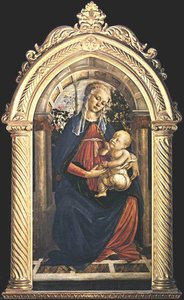
This painting is a prime example of Botticelli's skill in capturing religious scenes with deep emotional resonance. The central figure of Jesus Christ on the cross is surrounded by angels and other figures, all engaged in various activities such as praying or mourning his death. The scene is set against a hillside backdrop, emphasizing the solemnity of the moment.Composition and Symbolism
The composition of the painting is noteworthy for its balance and harmony. Jesus Christ is positioned at the center, drawing the viewer's attention to the crucifixion. The angels surrounding him add a sense of sorrow and reverence, while the other figures in the background contribute to the overall sense of mourning.Historical Context
The Holy Trinity (Pala della Convertite) was painted during a period of significant religious fervor in Italy. Botticelli's work reflects the spiritual and artistic trends of his time, blending traditional Christian themes with Renaissance humanism.Other Works by Sandro Botticelli
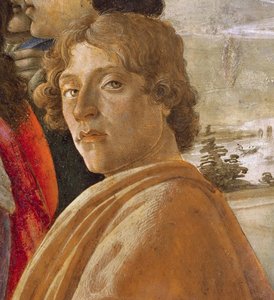
Botticelli is known for several other notable works, including:- Portrait of a Young Man (37 x 28 cm, National Gallery, London)
- Adoration of the Magi (12) (131 x 131 cm, National Gallery, London)
- Adoration of the Magi (11) (50 x 136 cm, National Gallery, London)
Purchase a Handmade Oil Painting Reproduction
At OriginalUniqueArt.com, you can find high-quality, handmade oil painting reproductions of Botticelli's works. Each piece is carefully crafted by skilled artists to capture the essence and beauty of the original paintings. Experience the artistry of Sandro Botticelli in your own home with a reproduction from OriginalUniqueArt.com. For more information on Sandro Botticelli and his works, visit Holy Trinity (Pala della Convertite).Questions et réponses
Que représente «La Sainte Trinité (Pala della Convertite)» de Sandro Botticelli ?
L'œuvre « La Sainte Trinité (Pala della Convertite) » représente religious iconography, christian symbolism, renaissance art, botticelli painting, holy trinity, medieval art influence, florentine school.
L'œuvre «La Sainte Trinité (Pala della Convertite)» de Sandro Botticelli est-elle plutôt claire ou sombre ?
En termes de luminosité perçue, «La Sainte Trinité (Pala della Convertite)» de Sandro Botticelli est ombreux.
Quelle place occupe « La Sainte Trinité (Pala della Convertite) » parmi les thèmes récurrents de Sandro Botticelli ?
«La Sainte Trinité (Pala della Convertite)» dépeint religious iconography, christian symbolism, renaissance art, botticelli painting, holy trinity, medieval art influence, florentine school, tandis que les thèmes récurrents de Sandro Botticelli sont humanist ideals, byzantine legacy, faith, piety, spiritual reflection, medici patronage, florentine prestige, botticelli’s signature style”,. La comparaison des deux montre comment l'œuvre s'inscrit dans la lignée des sujets habituels de l'artiste.
 Aperçu en situation
 Envoyer
 Partager
 Détails de l'œuvre
 Guide
Guide

 Télécharger l'image
 Articles similaires
 Radiographie
 Diaporama
 Questions et réponses
 Statistiques