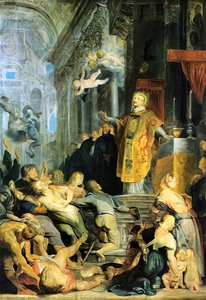
Aperçu en situation
 Partager
 Partager
 Détails
 Guide imprimable

 Télécharger
 Articles similaires
 Radiographie
 Voir le diaporama
 Statistiques
Nymphe et Satyre
 Huile sur toile
- Art mural
- Splendeur baroque
 1700
1700- L'époque moderne
 108.0 x 78.0 cm
 Mauritshuis
 Afficher la suite
Giclées et impressions d'art
Impressions giclées ou sur toile de qualité musée, avec une production rapide et des finitions au choix. ( Acheter la peinture faite à la main Passer au format image numérique)




P118B €10

P118H €10

P118W €10

P438Z €10

P508JH €12

P508YH €12

P805H €10

P805Z €10

P919BZ €10

P919G €10

P919XJ €10

P959ZH €10

P968JZ €12

W106C €8

W218G €10

W218JH €8

W218Y €10

W307PJ €10

W316G €10

W316PJ €8

W316Y €10

W398PJ €8

W4111J €10

W500HY €15

W500JH €15

W692G €12

W849H €8

W940BG €15

W953PJ €8




Choisissez parmi nos formats prédéfinis qui respectent les proportions originales de l’œuvre.

Saisissez la largeur et la hauteur souhaitées pour qu'elles s'adaptent à votre cadre ou à votre mur. Une impression ne peut être que découpée, elle ne peut jamais être agrandie au-delà de l'image originale ; ainsi, un format de forme différente entraînera la perte d'une partie de l'image. Nous vous envoyons une maquette numérique pour approbation avant toute impression. L'image présentée sur cette page ne montre pas le recadrage réel — seule la maquette le permet.
Livraison dans le monde entier () en 2 semaines au lieu des 4/5 semaines habituelles. (22 octobre)

Livraison express gratuite dans le monde entier

Toile de lin de haute qualité

Assurance transport complète

Garantie de remboursement des droits de douane

Garantie de fidélité des couleurs

Garantie de retour de 100 jours (uniquement en cas de défaut)

Garantie de remboursement à 100%

Tarifs dégressifs sur quantité
 L'option verre n'est disponible que pour les dimensions inférieures à 110 cm.

Nymphe et Satyre
Giclées et impressions d'art
Format de la reproduction
-


Prix total final
€ 70
Une Symphonie de Désir Mythique : La Nymphe et le Satyre de Rubens
Dans la grande tapisserie de l'ère baroque, peu de fils sont aussi vibrants ou palpitants que ceux tissés par Sir Peter Paul Rubens. Son chef-d'œuvre, « La Nymphe et le Satyre », n'est pas seulement une peinture mais une expérience viscérale — une rencontre théâtrale qui invite le spectateur dans un monde où les frontières entre le divin et le terrestre se dissolvent. En son cœur, l'œuvre présente un tableau captivant d'intimité mythologique : une nymphe, incarnant la pureté éthérée de la nature, et un satyre, incarnation de l'impulsion charnelle et indomptée, saisis dans un moment de tension ludique au milieu d'une récolte abondante. La scène est imprégnée du parfum des raisins mûrs et de la chaleur d'un paysage pastoral baigné de soleil, créant une atmosphère à la fois légère et profondément sensuelle.
Le génie technique de Rubens s'exprime pleinement à travers sa maîtrise magistrale du clair-obscur. Il orchestre un jeu dramatique entre l'ombre et la lumière qui insuffle la vie aux personnages, rendant la peau de la nymphe presque lumineuse face aux recoins plus profonds et ombragés de la forêt. Sa touche est tout simplement énergique ; on peut ressentir le mouvement dans les draperies tourbillonnantes et l'agencement rythmique de la composition. En employant une structure pyramidale, Rubens apporte un sentiment de stabilité classique à une scène par ailleurs chaotique et exubérante, guidant l'œil avec une grâce naturelle des textures luisantes des fruits jusqu'aux visages expressifs et émotifs de ses sujets. La palette est un triomphe de l'opulence baroque, utilisant des crimsons profonds, des ors éclatants et des verts luxuriants pour évoquer une vitalité qui semble prête à déborder de la toile.
Grandeur Historique et Profondeur Symbolique
Pour comprendre « La Nymphe et le Satyre », il faut se tourner vers l'ère de la splendeur des Habsbourg dans laquelle il a été conçu. Créée durant une période d'immense ferveur politique et artistique, la peinture reflète le désir de la cour pour des œuvres projetant à la fois une magnificence royale et une érudition classique. La juxtaposition de la nymphe et du satyre sert d'allégorie profonde à la lutte éternelle et à l'harmonie finale entre l'innocence et l'instinct. L'abondance de la récolte — les paniers débordants de raisins — agit comme un symbole de fertilité, de prospérité et des dons généreux de la terre, thèmes qui résonnaient profondément auprès des mécènes aristocratiques du XVIIe siècle, lesquels cherchaient à célébrer la richesse de leur propre époque à travers le prisme de l'antiquité.
Pour le collectionneur averti ou le décorateur d'intérieur, cette œuvre offre bien plus qu'une simple beauté esthétique ; elle constitue un point focal d'une profonde résonance émotionnelle. Une reproduction de haute qualité de cette pièce apporte avec elle un air de sophistication historique et un sentiment de drame intemporel. Qu'elle soit placée dans une galerie baignée de lumière ou dans un cabinet d'étude à l'ambiance feutrée et classique, la capacité du tableau à captiver l'attention par ses textures riches et sa profondeur narrative en fait un ajout incomparable à tout espace soigneusement aménagé. C'est une invitation à contempler la beauté de la condition humaine — l'équilibre délicat entre nos idéaux les plus élevés et nos désirs les plus primaires — enveloppée dans la splendeur inégalée de la main légendaire de Rubens.
Questions et réponses
L'œuvre « Nymphe et Satyre » de Pierre Paul Rubens est-elle dans le domaine public, et pourquoi ?
«Nymphe et Satyre» de Pierre Paul Rubens est dans le dans le domaine public - ses droits d'auteur ont expiré. La durée du droit d'auteur court à partir du décès de l'artiste, survenu en 1640.
Existe-t-il un diaporama pour «Nymphe et Satyre» de Pierre Paul Rubens ?
Le diaporama de « Nymphe et Satyre » peut être visionné sur la page Diaporama de l'œuvre.
À quel artiste est attribuée l'œuvre "Nymphe et Satyre" ?
L'artiste à l'origine de « Nymphe et Satyre » est Pierre Paul Rubens. L'œuvre est répertoriée sous le nom de Pierre Paul Rubens.
Biographie de l'artiste
A Life Forged in Baroque Splendor
Sir Peter Paul Rubens, a name synonymous with the very essence of Baroque dynamism, was far more than simply a painter; he was a diplomat, a scholar, and a cultural architect who fundamentally reshaped the artistic landscape of 17th-century Europe. Born in Siegen, Germany, in 1577, his early life was marked by displacement—a formative experience that subtly permeated his later work with an undercurrent of drama and emotional depth. His father, Jan Rubens, a lawyer fleeing religious persecution for his Calvinist beliefs, uprooted the family from their native Antwerp, then under Spanish rule. This initial exile instilled in young Peter Paul a profound sense of resilience and adaptability—qualities that would serve him remarkably well throughout his multifaceted career. Following his father’s death in 1587, the family returned to Antwerp, where he received a humanist education before embarking on his artistic training around 1590, apprenticing under Tobias Verhaecht and Adam van Noort, honing foundational skills in drawing and painting techniques. However, it was his time with Otto van Veen that proved pivotal, exposing him to the rich legacy of Italian Renaissance art—a world he would soon embrace wholeheartedly. This early exposure to the works of Michelangelo, Raphael, and Titian laid the groundwork for his distinctive style, a synthesis of classical ideals and vibrant Baroque expression.The Italian Awakening and Artistic Synthesis
In 1600, Rubens embarked on a transformative journey to Italy—a pilgrimage that irrevocably shaped his artistic vision. For eight years, he immersed himself in the masterpieces of Michelangelo, Raphael, and Titian, absorbing their mastery of form, color, and composition with an almost obsessive dedication. The influence of these Renaissance giants is readily apparent in his early Italian works, characterized by classical themes—mythological narratives, allegorical scenes—and idealized figures rendered with a breathtaking sense of beauty and grace. Yet, Rubens didn’t merely imitate; he synthesized these influences with his own innate talent, developing a distinctive style marked by vibrant hues, dynamic compositions, and a sensuous depiction of the human form. He studied anatomy meticulously, resulting in figures that possessed both physical realism and emotional power—robust bodies imbued with life and movement. His palette exploded with color – deep reds, rich blues, and luminous yellows creating an intense visual experience. He wasn’t simply copying; he was translating the spirit of the Renaissance into a distinctly Flemish idiom. This period wasn't solely about artistic development; it was a profound intellectual awakening, fostering a deep appreciation for classical mythology and literature which would become recurring motifs throughout his oeuvre. Upon returning to Antwerp in 1608, Rubens swiftly established himself as the leading artist of his time, receiving a flood of commissions that testified to his burgeoning reputation and solidifying his position at the forefront of Flemish art.A Master of Many Forms: Painting Beyond Boundaries
Rubens’s artistic output was astonishingly diverse and prolific. He didn't confine himself to a single genre; instead, he excelled in history paintings—grand narratives depicting significant events from classical antiquity and biblical stories—mythological scenes brimming with fantastical creatures and dramatic action, portraits capturing the elegance and power of nobility, landscapes offering breathtaking vistas, and religious works imbued with profound spiritual meaning. His large-scale canvases, often intended for churches, palaces, and public spaces, were breathtaking displays of technical virtuosity and dramatic storytelling. The Descent from the Cross (c. 1616-1617), a monumental triptych housed in the Alte Pinakothek in Munich, exemplifies his masterful use of light and shadow to create a scene of profound emotional intensity—the grief and despair of Mary Magdalene contrasted with the stoic acceptance of Christ. The Raising of the Cross (1610-1611), with its swirling figures and dynamic composition, showcases his ability to convey movement and energy—a hallmark of his Baroque style. Even in seemingly static subjects like The Judgement of Paris (c. 1636), Rubens infused a sense of life and vitality through his vibrant color palette and sensual depiction of the human form. His technique was equally remarkable – a masterful command of oil painting, employing impasto to create texture and depth, alongside delicate glazing techniques to achieve luminous effects. He frequently employed allegorical figures and symbolic imagery, layering narratives with complex meanings that invited contemplation and interpretation.Diplomacy, Legacy, and Enduring Influence
Rubens’s influence extended far beyond the realm of art. His diplomatic skills were highly sought after by the Southern Netherlands (modern-day Belgium), and he undertook numerous missions to England, France, and Spain, negotiating treaties and fostering political alliances—a unique dual role that afforded him a nuanced perspective on European affairs and further enhanced his reputation as a man of intellect and influence. He was known for his charisma, his generosity, and his ability to navigate the complex world of courtly politics. In 1630, he married Hélène Fourment, who became both his muse and frequent subject in his paintings – her youthful beauty gracing many of his later works, embodying the sensuality and vitality that characterized his style. He continued to paint prolifically until his death in Antwerp in 1640, leaving behind a vast legacy that continues to inspire awe and admiration. His impact on subsequent generations of artists is immeasurable; painters like Anthony van Dyck, Jacob Jordaens, and Eugène Delacroix all drew inspiration from his dynamic compositions, vibrant colors, and sensuous figures. Rubens didn’t just define the Baroque style—he elevated painting to a new level of prestige and influence, solidifying Antwerp as a major center of artistic production during the 17th century. He remains, centuries later, a towering figure in the history of art, a testament to the power of human creativity and the enduring allure of Baroque splendor.Key Characteristics of Rubens’s Style
- Dynamic Composition: Rubens' paintings are known for their energetic and dramatic arrangements of figures.
- Vibrant Color Palette: He employed a rich, warm color scheme that brought his canvases to life.
- Sensuous Figures: His depictions of the human form were characterized by fullness, vitality, and often, overt sensuality.
- Masterful Use of Light and Shadow: Rubens skillfully manipulated light and shadow to create depth, drama, and emotional impact.
- Allegorical Symbolism: His works frequently incorporated allegorical figures and symbolic imagery, adding layers of meaning and complexity.

Pierre Paul Rubens
1577 - 1640 , Allemagne
En bref
- Artistic Movement Or Style: Baroque
- Artists Or Movements Influenced By This Artist: ['Anthony van Dyck']
- Artists Who Influenced This Artist:
- Michelangelo
- Titian
- Date Of Birth: 1577
- Date Of Death: 1640
- Full Name: Sir Peter Paul Rubens
- Nationality: Flemish
- Notable Artworks:
- La Descente de la Croix
- Massacre des Innocents
- Place Of Birth: Siegen, Allemagne
Articles connexes

Mastering Drama and Light: A Definitive Guide to the Flemish Baroque Art Movement
Explore the dramatic brilliance of the Flemish Baroque movement. Discover how masters like Peter Paul Rubens utilized chiaroscuro and dynamic composition to redefine art history through light, shadow, and unparalleled emotion.

Les 10 Chefs-d'œuvre Baroques qui ont Révolutionné l'Art |
Plongez au cœur du baroque avec les 10 chefs-d'œuvre de Caravaggio, Rembrandt et Rubens. Découvrez l'histoire fascinante de ces artistes et leurs tableaux célèbres. Reproductions d'art de qualité muséale sur – Explorez la collection !

Flemish Baroque: The Ultimate Masterclass in Dramatic Light, Opulent Detail, and Visual Impact
Discover the breathtaking drama of Flemish Baroque art. Explore the mastery of Rubens and Van Dyck through an expert lens, focusing on chiaroscuro, opulent detail, and the emotional intensity that defines this legendary era of visual impact.

Pierre Paul Rubens : Vie, Œuvre et Influence Durable du Maître Baroque
Découvrez la vie et l'œuvre de Pierre Paul Rubens, maître du baroque flamand. Explorez son style unique, ses chefs-d'œuvre emblématiques et son influence durable sur l'art européen. Analyse approfondie et informations clés.
Alte Pinakothek : 25 Chefs-d'œuvre pour Embellir Votre Intérieur
Plongez au cœur de l'Alte Pinakothek, Munich ! Découvrez 25 chefs-d'œuvre de Dürer à Rembrandt. Explorez l'art Renaissance et baroque, leurs couleurs & histoires fascinantes. Reproductions de qualité sur OriginalUniqueArt.com.