Format du texte

() ·

Une peinture faite pour vous, à la main

Prométhée Ligé

Reproduction à l'huile faite à la main

Huile sur toile peinte à la main, avec cadre et dimensions personnalisés, réalisée sur commande par nos artistes. ( Passer au format impression Passer au format numérique)

Description de la pièce

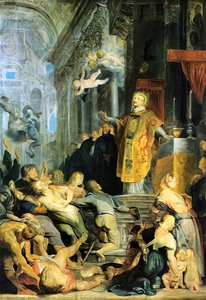
L'expérience de 'Prométhée Ligé' de Peter Paul Rubens ! Une œuvre baroque dramatique représentant la souffrance et la defiance mythique. Détail époustouflant, couleurs riches - un investissement artistique captivant.

Biographie de l'artiste

Sir Peter Paul Rubens : Maître baroque ! Compositions dynamiques, couleurs éclatantes & œuvres iconiques comme 'La Massacre des Innocents'. Découvrez sa vie et son art.

à partir du ·

Chapitre 1

Quelle dimension choisir ?

Faites glisser pour modifier la taille ; l'image de gauche présente le cadre à sa largeur réelle. Les proportions de l'original sont conservées.

Format standard
sur mesure
CM
INCH

Choisissez parmi nos formats prédéfinis qui respectent les proportions originales de l’œuvre.

largeur
hauteur

Saisissez la largeur et la hauteur souhaitées, pour s'adapter à votre cadre ou à votre mur. Cette œuvre est peinte à la main ; ainsi, pour un format de forme différente, l'artiste peut peindre un peu plus autour du tableau ou réduire légèrement les bords — c'est vous qui choisissez. Nous vous envoyons une maquette numérique pour approbation avant que la peinture ne commence. L'image présentée sur cette page ne reflète pas le résultat réel — seule la maquette le fait.

Chapitre 2

Comment souhaitez-vous qu'il vous soit livré ?

Choisissez le type de bordure pour votre toile tendue

Choisissez votre cadre

Corner sample of the WhiteWrap canvas edge finish, stretched on bois massif bars
Bords blancs €1
Corner sample of the BlurSideWrap canvas edge finish, stretched on bois massif bars
Bords estompés €1
Corner sample of the ExtendedWrap canvas edge finish, stretched on bois massif bars
Bords imprimés €1
Corner sample of the P118B picture frame: polystyrène moulé, 5 cm wide and 3 cm thick
P118B €10
Corner sample of the P118H picture frame: polystyrène moulé, 5 cm wide and 3 cm thick
P118H €10
Corner sample of the P118W picture frame: polystyrène moulé, 5 cm wide and 3 cm thick
P118W €10
Corner sample of the P438Z picture frame: polystyrène moulé, 5.5 cm wide and 3.5 cm thick
P438Z €10
Corner sample of the P508JH picture frame: polystyrène moulé, 7 cm wide and 3.5 cm thick
P508JH €12
Corner sample of the P508YH picture frame: polystyrène moulé, 7 cm wide and 3.5 cm thick
P508YH €12
Corner sample of the P805H picture frame: polystyrène moulé, 5 cm wide and 3.5 cm thick
P805H €10
Corner sample of the P805Z picture frame: polystyrène moulé, 5 cm wide and 3.5 cm thick
P805Z €10
Corner sample of the P919BZ picture frame: polystyrène moulé, 7 cm wide and 3.5 cm thick
P919BZ €10
Corner sample of the P919G picture frame: polystyrène moulé, 7 cm wide and 3.5 cm thick
P919G €10
Corner sample of the P919XJ picture frame: polystyrène moulé, 7 cm wide and 3.5 cm thick
P919XJ €10
Corner sample of the P959ZH picture frame: polystyrène moulé, 5 cm wide and 3 cm thick
P959ZH €10
Corner sample of the P968JZ picture frame: polystyrène moulé, 6 cm wide and 4 cm thick
P968JZ €12
Corner sample of the W106C picture frame: bois massif, 5 cm wide and 3 cm thick
W106C €8
Corner sample of the W218G picture frame: bois massif, 5 cm wide and 3 cm thick
W218G €10
Corner sample of the W218JH picture frame: bois massif, 5 cm wide and 3 cm thick
W218JH €8
Corner sample of the W218Y picture frame: bois massif, 5 cm wide and 3 cm thick
W218Y €10
Corner sample of the W307PJ picture frame: bois massif, 6 cm wide and 3 cm thick
W307PJ €10
Corner sample of the W316G picture frame: bois massif, 6 cm wide and 3 cm thick
W316G €10
Corner sample of the W316PJ picture frame: bois massif, 6 cm wide and 3 cm thick
W316PJ €8
Corner sample of the W316Y picture frame: bois massif, 6 cm wide and 3 cm thick
W316Y €10
Corner sample of the W398PJ picture frame: bois massif, 5 cm wide and 3 cm thick
W398PJ €8
Corner sample of the W4111J picture frame: bois massif, 6.5 cm wide and 3.5 cm thick
W4111J €10
Corner sample of the W500HY picture frame: bois massif, 7 cm wide and 5 cm thick
W500HY €15
Corner sample of the W500JH picture frame: bois massif, 7 cm wide and 5 cm thick
W500JH €15
Corner sample of the W692G picture frame: bois massif, 8 cm wide and 4 cm thick
W692G €12
Corner sample of the W849H picture frame: bois massif, 5 cm wide and 3 cm thick
W849H €8
Corner sample of the W940BG picture frame: bois massif, 7.5 cm wide and 4.5 cm thick
W940BG €15
Corner sample of the W953PJ picture frame: bois massif, 6 cm wide and 3.5 cm thick
W953PJ €8
Corner sample of the H24-GOLD picture frame: bois sculpté et apprêté au gesso, 10 cm wide and 6 cm thick
H24-GOLD €30
Corner sample of the H24-SILVER picture frame: bois sculpté et apprêté au gesso, 10 cm wide and 6 cm thick
H24-SILVER €30
Corner sample of the H36-GOLD picture frame: bois sculpté et apprêté au gesso, 15 cm wide and 6.5 cm thick
H36-GOLD €45
Corner sample of the H36-SILVER picture frame: bois sculpté et apprêté au gesso, 15 cm wide and 6.5 cm thick
H36-SILVER €45
Aperçu du cadre
Sous cadre

Baguette : . Dimensions hors tout avec le cadre : .

Chapitre 3

Qui le peint, et y a-t-il des modifications à apporter ?

Exemples de personnalisation possibles : Remplacer le visage par la photo du client ; Ajouter un animal (ex: remplacer le chat par un chien) ; Inclure un message caché en arrière-plan ; Modifier le paysage ou les éléments de l'arrière-plan.
Après la commande, l'équipe de OriginalUniqueArt.com contactera le client par e-mail pour obtenir ses instructions et lui fournir un aperçu de la maquette

Livraison dans le monde entier () en 3 à 4 semaines au lieu des 5 semaines habituelles. (5 novembre). Aucun compromis sur la qualité.

Chapitre 4

Les dernières touches

Une plaque nominative, comme au musée ?

Détails de la plaque en bronze gravée

This elegant plaque features the artist's name and the title of the artwork, finely engraved for a timeless presentation.

It is made from bronze with a refined, elegant finish. The text is precisely laser-engraved for a sharp and permanent result. Measuring 9x2 cm, the plaque is compact yet easy to read. It's built to be durable and scratch-resistant, offering a professional, museum-quality look. Mounting is simple thanks to the included adhesive backing.

Détails de la plaque en acrylique transparent

The plaque includes essential engraved details such as the artist's name, the title of the artwork, the date it was created, the type of media used-like oil on canvas or watercolor-a brief description of the piece, and a QR code that links to the complete artwork information.

It is crafted from clear acrylic, offering a sleek, modern appearance. The text is UV-engraved in black to ensure strong visual contrast. With a size of 10x15 cm, it ensures optimal readability. It comes equipped with two metal hooks for secure wall mounting. The plaque is designed to be weather-resistant, making it suitable for various environments, and it includes interactive features that work seamlessly with smartphone scanning.

Détails de la plaque en acrylique noir

This elegant plaque includes engraved information such as the artist's name, the title of the artwork, the date it was created, the type of media used (like oil on canvas or watercolor), a short description of the artwork, and a QR code for quick access to more information.

The plaque itself is made from refined black acrylic with a premium finish. The text is laser-engraved in white for high contrast and readability. Its size is 10x15 cm, designed to be easy to read. It comes with two metal hooks for professional mounting. The design is sleek and fits any interior style. It is also weather-resistant and durable, with built-in digital integration for mobile compatibility.

Un vernis protecteur ?

Pour quand en avez-vous besoin ?

Chapitre 5

Votre tableau, tel que vous l'avez commandé

Prométhée Ligé

Technique de reproduction

Format de la reproduction

-

Artiste de prestige

Plus de détails, de finesse et un temps de production accru

-

Cadre de reproduction

-

-

Pour les œuvres ou reproductions dont un côté mesure plus de 105 cm (environ 41 pouces), le cadre sera expédié sous forme de kit démonté. Cette méthode garantit une livraison sécurisée et prévient tout dommage pendant le transport.

Assemblage professionnel requis - ce produit n'est pas destiné au bricolage (DIY).
Le kit doit être assemblé et la toile tendue par un encadreur professionnel expérimenté, en utilisant de la colle à bois (non fournie), une pince à tendre la toile et des serre-joints pour maintenir les traverses d'équerre pendant le séchage de la colle. Un assemblage incorrect ou une tension inégale de la toile peut endommager l'œuvre de manière irréversible et n'est pas couvert par notre garantie.

  • Toutes les baguettes en bois massif sont incluses, découpées avec précision à la taille requise.

  • À assembler avec les vis fournies, ainsi qu'avec de la colle à bois pour les assemblages d'angles (non fournie), à prévoir par votre encadreur.

  • L'utilisation d'outils professionnels est requise et non incluse : une pince à tendre la toile (tendeur) et des serre-joints pour maintenir les baguettes bien d'équerre pendant le séchage de la colle.

Important :
L'assemblage des angles nécessite de la colle à bois, les barres doivent être maintenues avec des serre-joints jusqu'au séchage complet de la colle, et le tendage de la toile sur le châssis assemblé nécessite une pince à tendre la toile. Aucun de ces éléments n'est inclus dans le kit. Veuillez consulter un encadreur professionnel expérimenté avant de commander ce format.

Cartel

-

-

Vernis de protection

Vernis brillant (intensifie les couleurs, protège de la lumière et de l'humidité)

-

Personnaliser mon œuvre

Exemples de personnalisation : remplacer le visage par une photo du client ; ajouter un animal de compagnie (par exemple, remplacer un chat par un chien) ; inclure un message caché en arrière-plan ; modifier le paysage ou les éléments d'arrière-plan.

-

Livraison urgente

Livraison dans le monde entier () en 3 à 4 semaines au lieu des 5 semaines habituelles. (5 novembre). Aucune concession sur la qualité.

-

Livraison express

Livraison dans le monde entier () sous 5 semaines. (12 novembre).

Inclus

Prix total

€ 268

Prix total € 268

L'option verre n'est disponible que pour les dimensions inférieures à 110 cm.

Inclus avec chaque commande

  • Livraison express gratuite dans le monde entier

  • Toile de lin de qualité supérieure
  • Assurance transport complète
  • Garantie de remboursement des droits de douane
  • Garantie de fidélité des couleurs
  • Politique de retour de 100 jours (uniquement en cas de défaut)
  • Garantie de remboursement à 100%
  • Offre de tarifs dégressifs

Sujet Mythologique Captivant dans un Style Dramatique

Cette puissante peinture à l'huile dépeint avec vivacité la scène légendaire de la mythologie grecque où Prométhée, le Titan de la prévoyance et de la rébellion, est éternellement puni pour avoir offert le feu et la connaissance à l'humanité. La composition capture Prométhée attaché à une montagne rocailleuse, sa forme musclée tendue par la souffrance, tandis qu’un énorme aigle déchire son abdomen. La scène est chargée d'émotion, incarnant des thèmes de défi, de résilience et de vengeance divine. Le sujet mythologique résonne profondément, symbolisant la résistance humaine face à la tyrannie divine et l'esprit indomptable de la rébellion.

Maîtrise de la Technique Baroque et Palette Riche

Réalisée dans le style baroque, cette œuvre d’art présente une habile maîtrise technique caractérisée par une composition dynamique, un éclairage dramatique et une attention méticuleuse aux détails. L'artiste utilise une palette de couleurs riches et sombres contrastées avec des points lumineux, créant ainsi un effet de clair-obscur saisissant qui renforce la tridimensionnalité des figures. Les textures sont rendues avec précision – de la rugosité du paysage rocheux aux plumes de l’aigle et à la peau lisse et tendue de Prométhée – ajoutant un réalisme tactile qui attire les spectateurs dans la scène tumultueuse. Le travail de pinceau capture l'intensité brute du moment, évoquant une réponse émotionnelle viscérale.

Contexte Historique et Symbolisme

Créée en 1611, pendant le sommet de l’époque baroque, cette peinture reflète la fascination de la période pour l'émotion intense, le mouvement et les récits dramatiques. Inspirée de la mythologie grecque et des thèmes classiques, elle s'aligne également sur l'accent mis par la Contre-Réforme sur les luttes spirituelles et morales. L’aigle, symbole de punition divine, incarne le tourment implacable infligé à Prométhée, tandis que sa souffrance signale la condition humaine plus large – endurance, sacrifice et espoir au milieu des difficultés. La perspective inclinée de la composition amplifie le chaos et la tension, plongeant les spectateurs dans le symbolisme profond du mythe.

Impact Émotionnel et Importance Artistique

L'intensité émotionnelle de cette œuvre est palpable ; elle capture l’agonie et le défi de Prométhée avec une honnêteté brute. Les poings serrés, les membres tordus et les cheveux ébouriffés communiquent un profond sentiment de douleur et de résilience. L'utilisation puissante de la lumière et de l'ombre augmente le drame, en faisant une pièce idéale pour les espaces cherchant à inspirer la force et la contemplation. En tant que reproduction de haute qualité, elle offre aux amateurs d’art et aux collectionneurs l’opportunité de posséder un chef-d’œuvre qui incarne la grandeur de l'art baroque et le charme intemporel des récits mythologiques.

Une Ajout Éblouissant pour les Collectionneurs et la Décoration Intérieure

Parfait pour les connaisseurs d'art, les décorateurs d'intérieur et ceux qui recherchent une pièce maîtresse, cette peinture apporte un sentiment d'histoire, de drame et de sophistication à tout environnement. Sa présence imposante et sa riche narration en font un point focal idéal dans les salons, les galeries ou les bureaux. Qu’elle soit exposée sous forme de reproduction de qualité musée ou en tant qu'élément décoratif saisissant, cette œuvre d'art invite les spectateurs à réfléchir sur des thèmes de sacrifice, de résilience et du pouvoir durable du mythe – une addition inspirante à toute collection d'art ou espace intérieur.

Questions et réponses

Quelle est la luminance de «Prométhée Ligé» de Pierre Paul Rubens ?

«Prométhée Ligé» de Pierre Paul Rubens présente une luminance de Sombre. La luminance décrit la quantité de lumière que les couleurs semblent réfléchir.

Quelle est l'harmonie des couleurs de «Prométhée Ligé» de Pierre Paul Rubens ?

«Prométhée Ligé» de Pierre Paul Rubens présente une harmonie de couleurs Forte unité chromatique.

Existe-t-il des œuvres similaires à « Prométhée Ligé » ?

Les œuvres similaires à « Prométhée Ligé » sont répertoriées sur la page Œuvres similaires de l'œuvre.

En savoir plus sur cette peinture

Aperçu en situation Visualiser en RA Passer au format impression Passer au format numérique Envoyer
Détails de l'œuvre Guide Ajouter aux favoris Télécharger l'image Articles similaires Radiographie Diaporama Questions et réponses Statistiques

En chiffres

  • 1611l'année de création
  • 29cadres au choix
  • formats standards, dans leurs propres proportions
  • 5semaines de travail et de livraison
Pierre Paul Rubens

Pierre Paul Rubens

1577 - 1640, Allemagne

Informations clés sur Pierre Paul Rubens

  • Artistic Movement Or Style: Baroque
  • Artists Or Movements Influenced By This Artist: ['Anthony van Dyck']
  • Artists Who Influenced This Artist:
    • Michelangelo
    • Titian
  • Date Of Birth: 1577
  • Date Of Death: 1640
  • Full Name: Sir Peter Paul Rubens
  • Nationality: Flemish
  • Notable Artworks:
    • La Descente de la Croix
    • Massacre des Innocents
  • Place Of Birth: Siegen, Allemagne

Biographie de l'artiste

A Life Forged in Baroque Splendor

Sir Peter Paul Rubens, a name synonymous with the very essence of Baroque dynamism, was far more than simply a painter; he was a diplomat, a scholar, and a cultural architect who fundamentally reshaped the artistic landscape of 17th-century Europe. Born in Siegen, Germany, in 1577, his early life was marked by displacement—a formative experience that subtly permeated his later work with an undercurrent of drama and emotional depth. His father, Jan Rubens, a lawyer fleeing religious persecution for his Calvinist beliefs, uprooted the family from their native Antwerp, then under Spanish rule. This initial exile instilled in young Peter Paul a profound sense of resilience and adaptability—qualities that would serve him remarkably well throughout his multifaceted career. Following his father’s death in 1587, the family returned to Antwerp, where he received a humanist education before embarking on his artistic training around 1590, apprenticing under Tobias Verhaecht and Adam van Noort, honing foundational skills in drawing and painting techniques. However, it was his time with Otto van Veen that proved pivotal, exposing him to the rich legacy of Italian Renaissance art—a world he would soon embrace wholeheartedly. This early exposure to the works of Michelangelo, Raphael, and Titian laid the groundwork for his distinctive style, a synthesis of classical ideals and vibrant Baroque expression.

The Italian Awakening and Artistic Synthesis

In 1600, Rubens embarked on a transformative journey to Italy—a pilgrimage that irrevocably shaped his artistic vision. For eight years, he immersed himself in the masterpieces of Michelangelo, Raphael, and Titian, absorbing their mastery of form, color, and composition with an almost obsessive dedication. The influence of these Renaissance giants is readily apparent in his early Italian works, characterized by classical themes—mythological narratives, allegorical scenes—and idealized figures rendered with a breathtaking sense of beauty and grace. Yet, Rubens didn’t merely imitate; he synthesized these influences with his own innate talent, developing a distinctive style marked by vibrant hues, dynamic compositions, and a sensuous depiction of the human form. He studied anatomy meticulously, resulting in figures that possessed both physical realism and emotional power—robust bodies imbued with life and movement. His palette exploded with color – deep reds, rich blues, and luminous yellows creating an intense visual experience. He wasn’t simply copying; he was translating the spirit of the Renaissance into a distinctly Flemish idiom. This period wasn't solely about artistic development; it was a profound intellectual awakening, fostering a deep appreciation for classical mythology and literature which would become recurring motifs throughout his oeuvre. Upon returning to Antwerp in 1608, Rubens swiftly established himself as the leading artist of his time, receiving a flood of commissions that testified to his burgeoning reputation and solidifying his position at the forefront of Flemish art.

A Master of Many Forms: Painting Beyond Boundaries

Rubens’s artistic output was astonishingly diverse and prolific. He didn't confine himself to a single genre; instead, he excelled in history paintings—grand narratives depicting significant events from classical antiquity and biblical stories—mythological scenes brimming with fantastical creatures and dramatic action, portraits capturing the elegance and power of nobility, landscapes offering breathtaking vistas, and religious works imbued with profound spiritual meaning. His large-scale canvases, often intended for churches, palaces, and public spaces, were breathtaking displays of technical virtuosity and dramatic storytelling. The Descent from the Cross (c. 1616-1617), a monumental triptych housed in the Alte Pinakothek in Munich, exemplifies his masterful use of light and shadow to create a scene of profound emotional intensity—the grief and despair of Mary Magdalene contrasted with the stoic acceptance of Christ. The Raising of the Cross (1610-1611), with its swirling figures and dynamic composition, showcases his ability to convey movement and energy—a hallmark of his Baroque style. Even in seemingly static subjects like The Judgement of Paris (c. 1636), Rubens infused a sense of life and vitality through his vibrant color palette and sensual depiction of the human form. His technique was equally remarkable – a masterful command of oil painting, employing impasto to create texture and depth, alongside delicate glazing techniques to achieve luminous effects. He frequently employed allegorical figures and symbolic imagery, layering narratives with complex meanings that invited contemplation and interpretation.

Diplomacy, Legacy, and Enduring Influence

Rubens’s influence extended far beyond the realm of art. His diplomatic skills were highly sought after by the Southern Netherlands (modern-day Belgium), and he undertook numerous missions to England, France, and Spain, negotiating treaties and fostering political alliances—a unique dual role that afforded him a nuanced perspective on European affairs and further enhanced his reputation as a man of intellect and influence. He was known for his charisma, his generosity, and his ability to navigate the complex world of courtly politics. In 1630, he married Hélène Fourment, who became both his muse and frequent subject in his paintings – her youthful beauty gracing many of his later works, embodying the sensuality and vitality that characterized his style. He continued to paint prolifically until his death in Antwerp in 1640, leaving behind a vast legacy that continues to inspire awe and admiration. His impact on subsequent generations of artists is immeasurable; painters like Anthony van Dyck, Jacob Jordaens, and Eugène Delacroix all drew inspiration from his dynamic compositions, vibrant colors, and sensuous figures. Rubens didn’t just define the Baroque style—he elevated painting to a new level of prestige and influence, solidifying Antwerp as a major center of artistic production during the 17th century. He remains, centuries later, a towering figure in the history of art, a testament to the power of human creativity and the enduring allure of Baroque splendor.

Key Characteristics of Rubens’s Style

  • Dynamic Composition: Rubens' paintings are known for their energetic and dramatic arrangements of figures.
  • Vibrant Color Palette: He employed a rich, warm color scheme that brought his canvases to life.
  • Sensuous Figures: His depictions of the human form were characterized by fullness, vitality, and often, overt sensuality.
  • Masterful Use of Light and Shadow: Rubens skillfully manipulated light and shadow to create depth, drama, and emotional impact.
  • Allegorical Symbolism: His works frequently incorporated allegorical figures and symbolic imagery, adding layers of meaning and complexity.

Informations clés

  • Medium: Huile sur toile
  • Dimensions: 243 x 210 cm
  • Subject or theme: Mythologie grecque
  • Year: 1611
  • Notable elements or techniques: Chiaroscuro, Composition dynamique
  • Title: Prométhée lié

Quiz d'art

Chaque question ne comporte qu'une seule bonne réponse.

Question 1:
Qui est l'artiste du tableau de 1611 'Prométhée lié'?
Question 2:
Quelle scène mythologique est représentée dans 'Prométhée lié'?
Question 3:
Quel style artistique caractérise 'Prométhée lié' de Rubens?
Question 4:
Quelle technique est utilisée de manière prédominante dans 'Prométhée lié' pour créer de la profondeur et du drame?
Question 5:
Que symbolise l'aigle dans le tableau ?