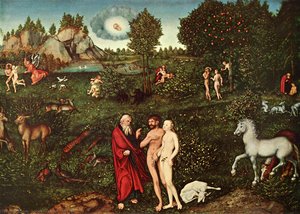
Aperçu en situation
 Partager
 Partager
 Détails

 Télécharger
 Articles similaires
 Radiographie
 Voir le diaporama
 Statistiques
The Crucifixion with the Converted Centurion
 Acrylic On Canvas
- WallArt
- Baroque
 1536
1536 68.0 x 52.0 cm
 Afficher la suite
Giclées et impressions d'art
Impressions giclées ou sur toile de qualité musée, avec une production rapide et des finitions au choix. ( Acheter la peinture faite à la main Passer au format image numérique)




P118B $10

P118H $10

P118W $10

P438Z $10

P508JH $12

P508YH $12

P805H $10

P805Z $10

P919BZ $10

P919G $10

P919XJ $10

P959ZH $10

P968JZ $12

W106C $8

W218G $10

W218JH $8

W218Y $10

W307PJ $10

W316G $10

W316PJ $8

W316Y $10

W398PJ $8

W4111J $10

W500HY $15

W500JH $15

W692G $12

W849H $8

W940BG $15

W953PJ $8




Choisissez parmi nos formats prédéfinis qui respectent les proportions originales de l’œuvre.

Vous pouvez saisir vos propres dimensions pour vous adapter à un cadre ou à un espace spécifique. Si la taille sélectionnée ne correspond pas aux proportions de l'image originale, nous recadrerons l'œuvre ou étendrons l'image avec une bordure en miroir ou une couleur unie. Une maquette numérique vous sera envoyée pour approbation avant le début de la production.
Veuillez noter que l'aperçu à l'écran ne reflète pas le recadrage ou l'extension réelle. Seule la maquette montrera avec précision la composition finale.
Bien que des tailles personnalisées soient disponibles, nous vous recommandons de choisir une dimension dans la liste prédéfinie afin de préserver les proportions originales.
Livraison dans le monde entier () en 2 semaines au lieu des 4/5 semaines habituelles. (19 septembre)

Livraison express gratuite dans le monde entier

Toile de lin de haute qualité

Assurance transport complète

Garantie de remboursement des droits de douane

Garantie de fidélité des couleurs

Garantie de retour de 100 jours (uniquement en cas de défaut)

Garantie de remboursement à 100%

Tarifs dégressifs sur quantité
 L'option verre n'est disponible que pour les dimensions inférieures à 110 cm.

The Crucifixion with the Converted Centurion
Giclées et impressions d'art
Format de la reproduction
-


Prix total final
$ 80
A Dramatic Tableau of Faith and Doubt: Lucas Cranach’s ‘The Crucifixion with the Converted Centurion’
Lucas Cranach the Elder's “The Crucifixion with the Converted Centurion,” painted in 1536, is a profoundly unsettling masterpiece that transcends the conventional iconography of the crucifixion. Executed during a period of intense religious and social transformation – the heart of the German Reformation – this vertical composition confronts viewers with a raw depiction of suffering, doubt, and the agonizing process of conversion. Cranach’s skill lies not merely in his technical mastery but in his ability to imbue the scene with psychological complexity, capturing the emotional turmoil of both the divine figure and those witnessing his sacrifice.
- Subject Matter: The painting depicts a pivotal moment within the Passion narrative – the crucifixion of Christ alongside two other men. However, Cranach introduces a crucial element: a heavily armored centurion, transformed through faith, standing as a witness to the event.
- Composition & Technique: Cranach’s meticulous technique is immediately apparent in the rendering of textures – the rough-hewn wood of the crosses, the gleaming pewter armor, the flowing fabric, and the detailed depiction of skin tones. His use of oil paint allows for subtle gradations of color, particularly in the dramatic sky, which shifts from buttery yellow to deep indigo, mirroring the emotional intensity of the scene.
- Color Palette: The painting’s palette is deliberately somber, dominated by earthy browns, grays, and whites, punctuated by flashes of crimson – the hat of the rider, the fabric draped over his hip, and the thorns in Christ's crown. These vibrant hues serve to draw attention to key elements and heighten the emotional impact.
Symbolism and Religious Context
“The Converted Centurion” is rich with symbolic meaning, reflecting the anxieties and theological debates of the Reformation era. The centurion’s armor represents his former status as a soldier of Rome, a symbol of earthly power and violence. His conversion signifies a rejection of this worldliness and an acceptance of Christ's sacrifice. The inscription “WARLICH DISER MENSCH IST GOT” (This man is God) etched onto the horseman’s garment underscores this pivotal moment of faith. The inclusion of three crosses, rather than the traditional single cross, may allude to the broader theological debates surrounding salvation and the nature of Christ's suffering.
- The Rider: The armored rider, with his raised hand and open mouth, embodies both awe and despair. His posture suggests a profound emotional response to witnessing the crucifixion – a mixture of reverence and anguish.
- Jesus’s Figure: Cranach's depiction of Christ is deliberately unflinching. The slumped figure, the tilted head, and the intense gaze convey the physical agony of his ordeal while simultaneously projecting an aura of serene acceptance.
Historical Significance & Artistic Legacy
Painted in 1536, “The Crucifixion with the Converted Centurion” stands as a testament to Lucas Cranach the Elder’s artistic prowess and his engagement with the turbulent religious landscape of his time. Cranach was one of the most important artists of the German Renaissance, known for his portraits of prominent figures like Martin Luther and Philip Melanchthon. This painting exemplifies his ability to blend religious subject matter with psychological realism, creating a work that continues to resonate with viewers centuries later. The piece’s dramatic composition, masterful technique, and profound symbolism ensure its place as a cornerstone of Northern Renaissance art.
This meticulously crafted reproduction captures the essence of Cranach's original vision, offering an exceptional opportunity to own a stunning artwork that embodies both historical significance and enduring artistic beauty. Its dimensions (68 x 52 cm) make it suitable for a variety of interior spaces, while its evocative imagery will undoubtedly serve as a powerful focal point within any setting.
Biographie de l'artiste
Première vie et formation
Lucas Cranach l’Ancien, peintre et graveur allemand de la Renaissance, est né vers 1472 à Kronach, en Franconie supérieure. Sa date exacte de naissance reste inconnue. Il apprit l’art du dessin auprès de son père, Hans Maler, et développa ses compétences sous l'influence des maîtres allemands du sud.Carrière et réalisations
Lucas Cranach l’Ancien attira l’attention de Friedrich III, électeur de Saxe, également connu sous le nom de Frédéric le Sage. En 1504, il devint peintre de cour des électeurs de Saxe à Wittenberg, fonction qu'il occupa pendant la majeure partie de sa carrière.- Il est surtout connu pour ses portraits de princes allemands et des figures clés de la Réforme protestante, dont Martin Luther.
- Cranach peignit également des sujets religieux, initialement dans la tradition catholique, puis explorant de nouvelles façons d'exprimer les préoccupations religieuses luthériennes à travers son art.
- Son atelier produisit de nombreuses œuvres, dont des versions continuées par son fils Lucas Cranach le Jeune et d'autres artistes, même après sa mort.
Œuvres notables et collaborations
Parmi les œuvres les plus importantes de Lucas Cranach l’Ancien figurent :- La chasse à l’orignal, portrait de l’électeur Friedrich le Sage (1529), un chef-d'œuvre illustrant son talent pour capturer l'essence du style de la Renaissance du Nord.
- Autoportrait, une représentation saisissante de l'artiste lui-même, mettant en valeur sa maîtrise de la lumière et de l’ombre.
- L’annonciation à Joachim (1516-18), une scène empreinte d’une joie spirituelle, actuellement au musée des beaux-arts de Budapest.
Influence et héritage
Lucas Cranach l’Ancien a laissé un héritage marquant grâce à ses contributions significatives au mouvement artistique de la Renaissance allemande. En tant que figure emblématique de la Renaissance du Nord, son œuvre continue d'inspirer les artistes et les amateurs d'art aujourd'hui. Note importante : Pour plus d’informations sur la vie et l’œuvre de Lucas Cranach l’Ancien, visitez [https://OriginalUniqueArt.com](https://OriginalUniqueArt.com) ou consultez la page Wikipédia consacrée à Maximilien Ier, empereur du Saint-Empire romain germanique, qui mentionne brièvement ses interactions avec Cranach.
Lucas Cranach l'Ancien
1472 - 1553 , Allemagne
En bref
- Artistic Movement Or Style: Renaissance allemande
- Date Of Birth: 1472
- Date Of Death: 1553
- Full Name: Lucas Cranach l'Ancien
- Nationality: Allemand
- Notable Artworks:
- Christian II du Danemark
- Adam et Ève
- Place Of Birth (City And Country): Kronach, Allemagne
Articles similaires

Andy Warhol : Les 25 Œuvres Incontournables du Roi du Pop Art | OriginalUniqueArt
Plongez dans l'univers vibrant d'Andy Warhol ! Découvrez les 25 œuvres incontournables du roi du Pop Art : Marilyn, Campbell’s Soup et plus. Sérigraphies iconiques, histoires fascinantes & reproductions de qualité musée sur OriginalUniqueArt.com.

Giclée Prints: Archival Quality & Aesthetic Nuances for the Discerning Collector
Explore the world of giclée prints with OriginalUniqueArt. Learn about archival quality, aesthetic nuances & investment potential. Expert guidance for discerning art collectors seeking museum-quality reproductions and lasting value.

Hokusai : Les 25 Œuvres Maîtresses d'un Génie Japonais | OriginalUniqueArt
Plongez dans l'univers de Katsushika Hokusai avec les 25 œuvres incontournables du maître japonais. Découvrez l'histoire, les techniques d'ukiyo-e et la beauté intemporelle de 'La Grande Vague'. Reproductions tableaux de qualité muséale sur OriginalUniqueArt.com.
Alte Pinakothek : 25 Chefs-d'œuvre pour Embellir Votre Intérieur
Plongez au cœur de l'Alte Pinakothek, Munich ! Découvrez 25 chefs-d'œuvre de Dürer à Rembrandt. Explorez l'art Renaissance et baroque, leurs couleurs & histoires fascinantes. Reproductions de qualité sur OriginalUniqueArt.com.

The Enduring Legacy of Fine Art Prints: Technique, History & Aesthetic Impact
Explore the rich history & techniques of fine art prints. Discover investment potential, assess authenticity, and learn how to preserve your collection with expert guidance. Trusted insights for discerning collectors.