 Aperçu en situation
 Envoyer
 Partager
 Détails de l'œuvre

 Télécharger
 Articles similaires
 Radiographie
 Diaporama
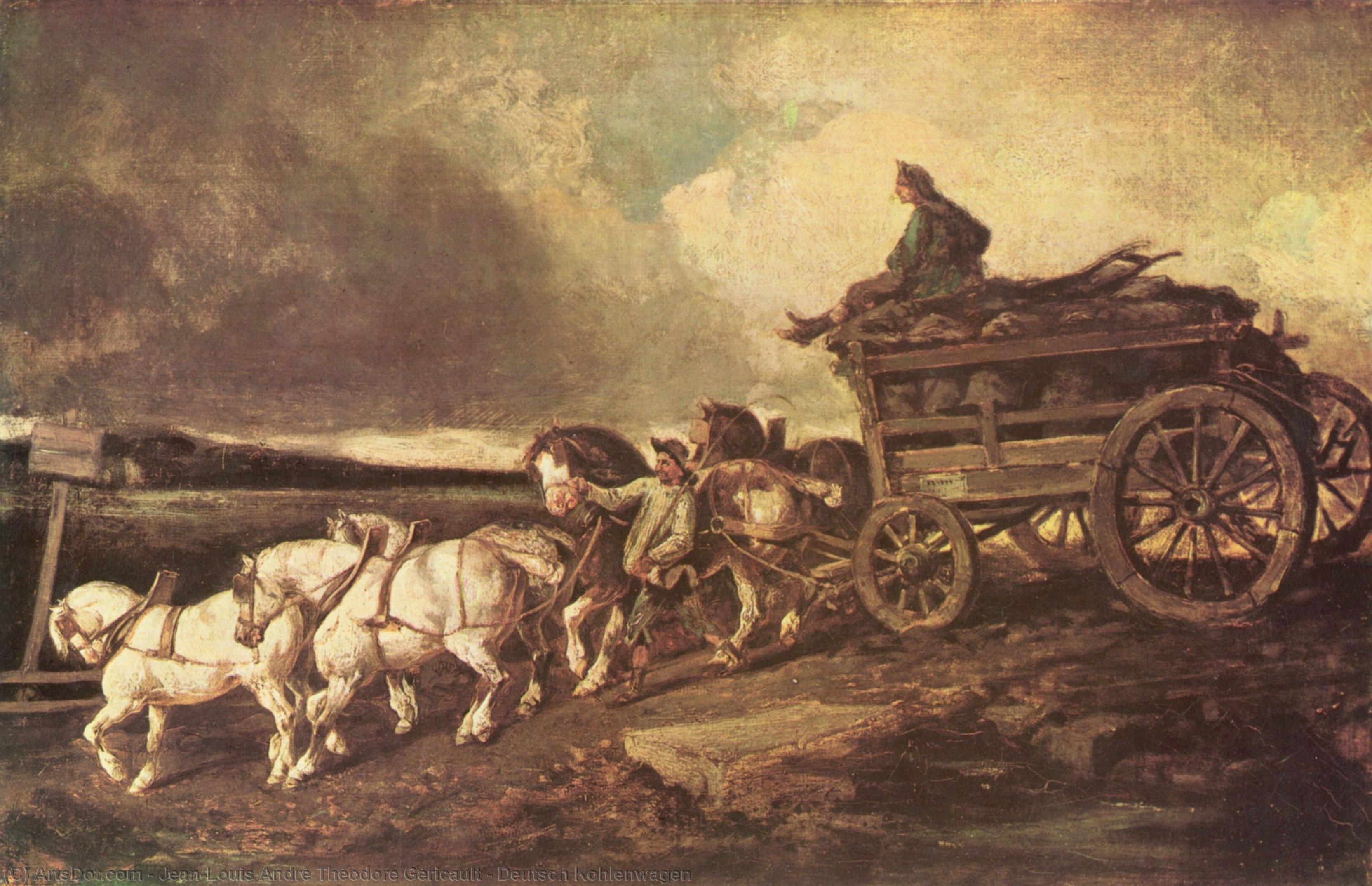
Le Wagon à Charbon
 Acrylique sur toile
- Art mural
- Romantic Painting
 1822
1822 42.0 x 66.0 cm
 Kunsthalle Mannheim
 Lire la suite
Reproduction à l'huile faite à la main
Huile sur toile peinte à la main, avec cadre et dimensions personnalisés, réalisée sur commande par nos artistes. ( Commander l'impression Télécharger l'image haute résolution)




P118B $10

P118H $10

P118W $10

P438Z $10

P508JH $12

P508YH $12

P805H $10

P805Z $10

P919BZ $10

P919G $10

P919XJ $10

P959ZH $10

P968JZ $12

W106C $8

W218G $10

W218JH $8

W218Y $10

W307PJ $10

W316G $10

W316PJ $8

W316Y $10

W398PJ $8

W4111J $10

W500HY $15

W500JH $15

W692G $12

W849H $8

W940BG $15

W953PJ $8




Choisissez parmi nos formats prédéfinis qui respectent les proportions originales de l’œuvre.

Vous pouvez saisir vos propres dimensions pour l'adapter à un cadre ou à un espace spécifique. Si la taille sélectionnée ne correspond pas aux proportions de l'image d'origine, nous recadrerons l'œuvre ou prolongerons la peinture avec des éléments peints à la main supplémentaires. Une maquette numérique vous sera envoyée pour approbation avant le début de la production.
Veuillez noter que l'aperçu à l'écran ne reflète pas le recadrage ou l'extension réels. Seule la maquette montrera fidèlement la composition finale.
Bien que des tailles personnalisées soient disponibles, nous vous recommandons de sélectionner une dimension dans la liste prédéfinie afin de préserver les proportions d'origine.
Après la commande, l’équipe OriginalUniqueArt.com contactera le client par e-mail pour recueillir ses instructions et lui fournira une maquette d’aperçu
Livraison dans le monde entier () en 3 à 4 semaines au lieu des 5 semaines habituelles. (20 août). Aucun compromis sur la qualité.

Livraison express gratuite dans le monde entier

Toile de lin de qualité supérieure

Assurance transport complète

Garantie de remboursement des droits de douane

Garantie de fidélité des couleurs

Politique de retour de 60 jours (uniquement en cas de défaut)

Garantie de remboursement à 100%

Offre de tarifs dégressifs
 L'option verre n'est disponible que pour les dimensions inférieures à 110 cm.

Le Wagon à Charbon
Technique de reproduction
Format de la reproduction
-


Prix total
$ 300
Description de l'œuvre
Deutsch Kohlenwagen : Une Énigme Romantique au Service du Voyage
La peinture, intitulée « Deutsch Kohlenwagen », offre une scène saisissante capturée en noir et blanc par Jean-Louis André Théodore Géricault, artiste dont la vie fut marquée par une passion pour le mouvement et une sensibilité aiguë aux drames de son époque. Datant de 1822, cette œuvre témoigne d’une période clé du romantisme français où les artistes cherchaient à exprimer les profondeurs émotionnelles humaines et à représenter les défis rencontrés dans la vie quotidienne.
- Le Sujet : Une scène simple mais riche en détails : un homme conduisant une voiture tirée par deux chevaux sur une route poussiéreuse. Plusieurs personnes sont présentes, ajoutant à l’atmosphère de mouvement et d’aventure.
- Le Style Romantique : Géricault embrasse pleinement les principes du romantisme avec une composition dynamique et une attention particulière aux effets atmosphériques. La lumière douce et diffuse contribue à créer une ambiance contemplative tout en accentuant les contours des personnages et des chevaux.
- La Technique : Utilisant la peinture à l’huile sur toile, Géricault maîtrise parfaitement les effets de couleur et de texture pour donner vie à sa scène. Les coups de pinceau sont énergiques et précis, capturant avec une remarquable fidélité les mouvements des chevaux et les expressions des hommes.
Au-delà de la beauté esthétique, « Deutsch Kohlenwagen » porte en lui un poids émotionnel considérable. La peinture évoque le désir d’exploration, la camaraderie humaine et la lutte pour survivre dans des circonstances difficiles. Elle rappelle les préoccupations philosophiques du romantisme concernant l’individu confronté aux forces naturelles et sociales.
- Symbolisme : Les chevaux représentent la puissance brute et la liberté, tandis que la voiture symbolise le progrès et le voyage vers l'inconnu. La route poussiéreuse représente les défis rencontrés dans la vie quotidienne et souligne la vulnérabilité humaine face aux éléments.
- Impact Emotionnel : Cette œuvre incite à la réflexion sur la beauté fugace de la jeunesse et la nécessité de saisir les opportunités offertes par la vie. Elle rappelle également l'importance des liens humains et la valeur de partager les expériences avec ceux qu’on aime.
Une reproduction haute qualité de « Deutsch Kohlenwagen » apporterait une touche d’élégance classique à tout intérieur contemporain, offrant un hommage subtil à l'esprit artistique du XIXe siècle.
Biographie de l'artiste
Jean-Louis André Théodore Géricault (1791 - 1824): A Pioneer of Romantic Art
Théodore Géricault, born September 26, 1791, in Rouen, France, stands as a monumental figure in the history of French art—a testament to Romantic fervor and an uncompromising commitment to portraying human suffering with unparalleled dramatic intensity. His life was tragically curtailed by illness at just thirty-two, yet his artistic legacy continues to inspire awe and admiration for its boldness and emotional depth. From humble beginnings within a family steeped in legal tradition, Géricault’s path toward artistic greatness was marked by intellectual curiosity and an early fascination with the equestrian arts—a passion nurtured under the tutelage of Carle Vernet, a celebrated painter known for his depictions of English sporting events. This formative influence instilled in him a meticulous attention to detail and a profound understanding of anatomy and movement, qualities that would become hallmarks of his distinctive style.Early Training & Influences: The Crucible of Classical Tradition
Géricault’s formal education commenced at the Lycée Impérial in Paris, where he studied under Pierre Bouillon—a staunch defender of classical ideals who nevertheless recognized Géricault's innate talent for capturing emotion and conveying profound psychological insight. Bouillon’s rigorous instruction shaped Géricault’s artistic sensibilities, grounding him in the traditions of Greco-Roman sculpture and fostering a disciplined approach to composition. Simultaneously, he pursued independent study at the Louvre—the epicenter of artistic discourse during his time—immersing himself in the works of titans like Rubens, Titian, Velázquez, Rembrandt, and Michelangelo. This exposure ignited within him an ardent desire to emulate their mastery of light, shadow, and expressive brushwork—a pursuit that would propel him toward a singular vision of art as a vehicle for confronting uncomfortable truths and eliciting visceral emotional responses.The Louvre & The Birth of Romantic Expression
Unlike many of his contemporaries who adhered rigidly to Neoclassical conventions, Géricault rejected the stylized elegance favored by the Académie Française. Instead, he embraced the dynamism and psychological complexity championed by Romantic artists—a movement that sought to liberate art from formal constraints and explore the depths of human emotion. His formative years at the Louvre fostered a rebellious spirit—one that would soon challenge established artistic norms and propel him toward groundbreaking innovations. He meticulously copied masterpieces by Rubens and Rembrandt, absorbing their techniques for conveying profound emotional resonance and mastering the subtleties of chiaroscuro—a dramatic interplay of light and shadow that became an indispensable element of his artistic vocabulary. This dedication to observation and experimentation cemented Géricault’s position as a visionary artist—one who dared to confront societal injustices and depict human suffering with unflinching honesty.The Raft of the Méduse: A Masterpiece of Dramatic Intensity
Géricault's magnum opus, *The Raft of the Medusa* (1818-1819), stands as an unparalleled achievement in Romantic art—a monumental canvas that transcends mere historical narrative and becomes a searing indictment of human folly and governmental negligence. Inspired by the harrowing true story of the shipwreck of the French frigate Méduse in 1816, where incompetence and callous disregard for human life resulted in unimaginable suffering for its passengers, Géricault undertook exhaustive research—interviewing survivors, studying corpses at hospitals, and constructing a scale model of the raft itself—to ensure meticulous accuracy and maximize emotional impact. The resulting painting is not merely a depiction of tragedy; it’s an immersive experience that confronts viewers with the raw horror of abandonment, desperation, and impending doom. Géricault skillfully employed pyramidal composition—drawing inspiration from Michelangelo—to create a dynamic tension that draws the eye across the canvas and underscores the profound psychological drama unfolding before its gaze. The painting's controversial reception at the Salon of 1819 solidified Géricault’s reputation as a daring innovator—a courageous artist who defied artistic conventions and championed an uncompromising commitment to portraying human suffering with unflinching honesty.Legacy & Influence: Shaping the Course of Romantic Art
Théodore Géricault's influence on subsequent generations of artists is undeniable—particularly Eugène Delacroix, whom he mentored and whose own paintings bear the indelible stamp of Géricault’s stylistic vision. His unwavering belief in realism—combined with his masterful command of dramatic composition and expressive brushwork—established him as a cornerstone of Romantic art—a movement that prioritized emotional intensity over formal elegance and sought to capture the turbulent spirit of its time. Beyond his artistic achievements, Géricault remains an enduring symbol of artistic integrity—a testament to the transformative power of observation, research, and unwavering dedication to conveying profound psychological insight. His bronze figure reclines on his tomb at Père Lachaise Cemetery in Paris—a poignant reminder of a life tragically cut short but indelibly etched into the annals of art history—forever enshrined as one of France’s most visionary and influential painters.
Théodore Géricault
1791 - 1824 , France
L'essentiel de l'artiste
- Artistic Movement Or Style: Romanticisme
- Artists Or Movements Influenced By This Artist: ['Eugène Delacroix']
- Artists Who Influenced This Artist:
- Rubens
- Titian
- Velázquez
- Date Of Birth: 26 septembre 1791
- Full Name: Jean-Louis André Théodore Géricault
- Nationality: Francais
- Notable Artworks:
- Le Naufrage de la Méduse
- Cheval effrayé par l'orage
- Wounded Cuirassier
- Place Of Birth: Rouen, France
Articles connexes

Les 10 Chefs-d'œuvre du Paysage Romantique : Artistes et Décor d'Intérieur
Plongez dans l'émotion du Romantisme avec les 10 plus beaux paysages de Friedrich, Turner & Delacroix. Découvrez leur histoire et trouvez l'inspiration déco idéale sur OriginalUniqueArt.com !

Constable : Les 25 Chefs-d'Œuvre du Maître Anglais | OriginalUniqueArt
Plongez dans l'univers de John Constable avec les 25 œuvres incontournables du maître anglais. Découvrez l'histoire, la technique et l'émotion derrière ses paysages romantiques. Reproductions de qualité muséale sur OriginalUniqueArt.com.
Top 10 Paysages Iconiques : Voyage Artistique & Décoration d'Intérieur
Découvrez les 10 plus beaux paysages de l'histoire de l'art : Monet, Van Gogh et bien d'autres. Explorez leur technique unique et trouvez l'inspiration pour votre décoration intérieure avec OriginalUniqueArt.com. Œuvres exceptionnelles à découvrir !

Évocations de lieux : Un voyage historique à travers l'art du paysage
Explorez l'histoire fascinante de la peinture de paysage à travers les chefs-d'œuvre du Romantisme. Découvrez Friedrich, Turner et Aivazovski et laissez-vous inspirer par la beauté sauvage et le sublime. Reproduction d'art de qualité chez OriginalUniqueArt.

Les 10 Chefs-d'œuvre Noirs : Peintures Célèbres et Décoration d'Intérieur
Plongez dans l'univers fascinant des 10 plus beaux tableaux noirs de l'histoire de l'art. Découvrez les secrets de Goya, Manet, Rothko et autres maîtres. Inspirez votre décoration intérieure avec !