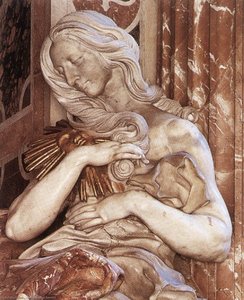
Aperçu en situation
 Partager
 Partager
 Détails
 Guide imprimable

 Télécharger
 Articles similaires
 Radiographie
 Voir le diaporama
 Statistiques
David (detail)


 Afficher la suite
Giclées et impressions d'art
Impressions giclées ou sur toile de qualité musée, avec une production rapide et des finitions au choix. ( Acheter la peinture faite à la main Passer au format image numérique)




P118B €10

P118H €10

P118W €10

P438Z €10

P508JH €12

P508YH €12

P805H €10

P805Z €10

P919BZ €10

P919G €10

P919XJ €10

P959ZH €10

P968JZ €12

W106C €8

W218G €10

W218JH €8

W218Y €10

W307PJ €10

W316G €10

W316PJ €8

W316Y €10

W398PJ €8

W4111J €10

W500HY €15

W500JH €15

W692G €12

W849H €8

W940BG €15

W953PJ €8




Choisissez parmi nos formats prédéfinis qui respectent les proportions originales de l’œuvre.

Saisissez la largeur et la hauteur souhaitées pour qu'elles s'adaptent à votre cadre ou à votre mur. Une impression ne peut être que découpée, elle ne peut jamais être agrandie au-delà de l'image originale ; ainsi, un format de forme différente entraînera la perte d'une partie de l'image. Nous vous envoyons une maquette numérique pour approbation avant toute impression. L'image présentée sur cette page ne montre pas le recadrage réel — seule la maquette le permet.
Livraison dans le monde entier () en 2 semaines au lieu des 4/5 semaines habituelles. (15 octobre)

Livraison express gratuite dans le monde entier

Toile de lin de haute qualité

Assurance transport complète

Garantie de remboursement des droits de douane

Garantie de fidélité des couleurs

Garantie de retour de 100 jours (uniquement en cas de défaut)

Garantie de remboursement à 100%

Tarifs dégressifs sur quantité
 L'option verre n'est disponible que pour les dimensions inférieures à 110 cm.

David (detail)
Giclées et impressions d'art
Format de la reproduction
-


Prix total final
€ 70
The Genesis of a Hero: Bernini’s David
Gian Lorenzo Bernini's 1623 sculpture, “David,” residing within the opulent Galleria Borghese in Rome, isn’t merely a depiction of the biblical hero; it’s a visceral embodiment of youthful defiance and impending triumph. Commissioned by Cardinal Scipione Borghese, a fervent admirer of classical antiquity, this masterpiece transcends simple narrative illustration, becoming a profound meditation on courage, vulnerability, and the very essence of human potential. Bernini, already establishing himself as the leading sculptor of his age, seized upon the story of David and Goliath not just to recreate a biblical scene but to capture an intensely personal moment – the decisive seconds before action, pregnant with anticipation.

A Masterclass in Marble: Technique and Innovation
Bernini’s genius lies not just in his subject matter but in the revolutionary techniques he employed to render it. Carved from a single block of Carrara marble, “David” exemplifies Bernini's mastery of *subdolitas*, a term describing a delicate, almost hesitant grace that was highly prized during the Baroque period. The surface is astonishingly smooth, achieved through an intricate process of grinding and polishing – a testament to Bernini’s relentless dedication and his understanding of marble’s inherent qualities. Notice how he captures the subtle texture of David's hair, the delicate veins in his hands, and the tautness of his muscles. Crucially, Bernini didn’t simply sculpt a static figure; he imbued it with dynamic movement. The slight tilt of his head, the furrowed brow, and the outstretched hand all suggest an internal struggle – a moment of intense concentration before unleashing a decisive blow. This sense of kinetic energy was groundbreaking for its time, moving away from the more rigid poses favored in earlier Renaissance sculpture.
- Subdolitas: Bernini’s signature style emphasizing delicate grace and movement.
- Carrara Marble: The finest white marble sourced from Italy, prized for its purity and workability.
- Dynamic Composition: Bernini captures a fleeting moment of intense anticipation, conveying the hero's inner turmoil.
Symbolism and Context: A Renaissance Vision
“David” is deeply rooted in the classical ideals of heroism and civic virtue that were prevalent during the Renaissance. The story of David slaying Goliath served as a potent metaphor for the triumph of the underdog, the defense of justice against tyranny, and the importance of courage in the face of overwhelming odds. Bernini cleverly incorporates these themes into his sculpture. David’s youthful appearance symbolizes innocence and potential, while the giant Goliath represents established power and corruption. The sling, held loosely in David's hand, is not a weapon of brute force but a symbol of faith and strategic intelligence – highlighting the importance of wit over strength. Furthermore, the setting within the Borghese Gallery itself—a lavishly decorated villa reflecting the wealth and influence of Cardinal Borghese—underscores the sculpture’s role as a display of power and patronage.
Emotional Resonance: A Timeless Appeal
Despite being created over four centuries ago, “David” continues to resonate deeply with viewers. Bernini masterfully captures not just the physical likeness of the biblical hero but also his emotional state – a potent blend of determination, vulnerability, and quiet confidence. The sculpture invites us to contemplate our own struggles against adversity, reminding us that even in moments of uncertainty, courage and faith can prevail. It’s a testament to Bernini's ability to transform a historical narrative into a profoundly human experience, securing his place as one of the greatest sculptors of all time. The reproduction captures this essence beautifully, offering a window into the heart of Baroque artistry.
Questions et réponses
Qui est l'artiste derrière « David (detail) » ?
« David (detail) » a été créé par Gian Lorenzo Bernini. Les informations présentes sur cette page décrivent l'œuvre originale de Gian Lorenzo Bernini.
L'œuvre «David (detail)» de Gian Lorenzo Bernini est-elle conservée dans le pays d'origine de l'artiste ?
Non - l'œuvre est conservée à l'étranger. Le pays de naissance de Gian Lorenzo Bernini est Italie, et le musée qui détient l'original de « David (detail) » se trouve en Italy.
Où devrait être accrochée une reproduction de «David (detail)» de Gian Lorenzo Bernini ?
Avec sa forme Format portrait, une reproduction de « David (detail) » est idéale pour un(e) Salon.
Biographie de l'artiste
Gian Lorenzo Bernini : Une Vie Dédicée à l'Art
- Né: 7 décembre 1598, Naples, Italie
- Décédé: 28 novembre 1680, Rome, États pontificaux (à l’âge de 81 ans)
- Connu pour : Sculpture baroque, architecture, peinture et urbanisme.
Premières Années et Formation
Le parcours artistique de Bernini a commencé sous la tutelle de son père, Pietro Bernini, lui-même sculpteur. Reconnaissant le talent prodigieux de Gian Lorenzo dès son plus jeune âge, Pietro lui a offert une formation rigoureuse dans diverses disciplines artistiques. Le jeune Bernini a rapidement dépassé les capacités de son père, démontrant une compétence exceptionnelle même à un âge tendre. Il a étudié les sculptures grecques et romaines classiques au sein des collections du Vatican, absorbant leurs formes et principes. Ses premières œuvres ont déjà affiché une remarquable maîtrise technique et une approche innovante de la sculpture, attirant l'attention de figures importantes comme le cardinal Maffeo Barberini, qui deviendrait plus tard le pape Urbain VIII – le mécène le plus significatif de Bernini.Style Artistique et Œuvres Majeures
Bernini est considéré comme le sculpteur éminent de la période baroque, un style caractérisé par le drame, l'émotion, le mouvement et la grandeur. Son travail a dépassé les qualités statiques de la sculpture Renaissance, embrassant le dynamisme et le théâtralité. Les éléments clés de son style comprennent :- Narration Dramatique: Les sculptures de Bernini représentent souvent des moments d'action intense ou de climax émotionnel.
- Profondeur Psychologique: Il a habilement exprimé des émotions complexes à travers les expressions faciales et le langage corporel.
- Maîtrise Technique: Sa capacité à rendre les textures – telles que les cheveux flottants, les tissus délicats et la peau lisse – dans le marbre était inégalée.
- L’Extase de Sainte Thérèse (1647-1652) : Un chef-d'œuvre situé dans la chapelle Cornaro, à Rome, représentant une expérience mystique avec une intensité émotionnelle profonde.
- Apollon et Daphné (1622-1625) : Capture la transformation mythologique de Daphné en laurier avec un réalisme et un dynamisme époustouflants.
- David (1623-1624) : Une représentation dynamique de David sur le point de frapper, mettant en valeur la capacité de Bernini à transmettre la tension et le mouvement dans le marbre.
- Le Baldacchino (1624-1633) : Un canopée monumental en bronze érigé au-dessus de l'autel principal de la basilique Saint-Pierre, à Rome, démontrant son talent architectural.
- Fontaine des Quatre Fleuves (1648-1651) : Située sur la Piazza Navona, à Rome, cette fontaine élaborée présente des figures allégoriques représentant les principaux fleuves de différents continents.
Contributions Architecturales et Urbanisme
Au-delà de la sculpture, Bernini a apporté des contributions significatives à l'architecture et à l'urbanisme. Il a conçu de nombreux églises, chapelles et bâtiments séculiers, intégrant souvent ses œuvres sculptées dans le tissu architectural. Son travail sur la basilique Saint-Pierre, notamment le Baldacchino et le colonnade de la place Saint-Pierre, a transformé radicalement l'apparence de la basilique et créé un espace cérémoniel grandiose. Il a également joué un rôle crucial dans la redessine de plusieurs places romaines, créant des espaces publics vibrants qui ont amélioré l'attrait esthétique de la ville.Héritage et Importance Historique
Gian Lorenzo Bernini a profondément façonné le cours de l'art occidental. Son approche innovante de la sculpture a établi le style baroque comme une force dominante dans l'art européen pendant plus d'un siècle. Il a influencé des générations d'artistes par ses compositions dramatiques, sa virtuosité technique et sa capacité à exprimer des émotions profondes. L’intégration par Bernini de la sculpture, de l’architecture et de la peinture en expériences artistiques unifiées a établi une nouvelle norme pour l’expression artistique. Comme l'a noté Howard Hibbard, l'impact de Bernini était si significatif qu'il se présente comme le « plus grand sculpteur du XVIIe siècle ». Ses œuvres continuent d'inspirer l'admiration et la fascination, consolidant sa place parmi les artistes les plus importants de l'histoire.
Gian Lorenzo Bernini
1598 - 1680 , Italie
En bref
- Artistes Influents: ['Michel-Ange']
- Date De Décès: 28 novembre 1680
- Date De Naissance: 7 décembre 1598
- Influences Artistiques: ["Artistes ultérieurs (jusqu'au modernisme)"]
- Lieu De Naissance: Naples, Italie
- Mouvement Artistique: Baroque
- Nationalité: Italienne
- Nom Complet: Gian Lorenzo Bernini
- Œuvres Notables:
- Extase de Sainte Thérèse
- Apollon et Daphné
- David
- Le Baldacchino
- Fontaine des Quatre Fleuves
Articles similaires

The Enduring Form: Sculpture Across History, Technique & Emotional Resonance
Explore the rich history of sculpture with OriginalUniqueArt. Discover key techniques, influential artists & investment potential for discerning collectors. Expert insights into valuing and collecting timeless masterpieces.

Les 10 Chefs-d'œuvre Bronzes Qui Ont Révolutionné la Sculpture | OriginalUniqueArt
Plongez dans l'univers fascinant des 10 sculptures en bronze les plus emblématiques de l'histoire de l'art. Rodin, Degas et autres maîtres révélés ! Découvrez leur histoire, leurs techniques et trouvez l'œuvre parfaite pour sublimer votre intérieur sur OriginalUniqueArt.com.

The Enduring Form: Exploring Themes & Techniques in Sculpture Across Historical Periods
Explore the rich history of sculpture from ancient masterpieces to contemporary innovations. Discover key techniques, influential artists & investment potential for discerning art collectors.

The Enduring Allure of Marble in Art History: From Classical Sculpture to Modern Abstraction
Explore the captivating history of marble sculpture from ancient Greece to modern art. Discover renowned artists like Canova & Michelangelo, carving techniques, and investment insights at OriginalUniqueArt.
Gian Lorenzo Bernini: Sculpting Baroque Emotion & the Roman Imagination
Explore the life & revolutionary art of Gian Lorenzo Bernini, the master sculptor of the Baroque era. Discover his iconic works like David and Ecstasy of Saint Teresa – a journey into Roman artistic genius.