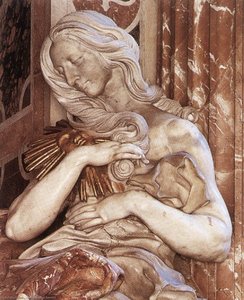
Aperçu en situation
 Envoyer
 Partager
 Détails de l'œuvre
 Guide
Guide

 Télécharger l'image
 Articles similaires
 Radiographie
 Diaporama
 Q&A
Q&A Statistiques
Apollo and Daphne


 Lire la suite
Giclées et impressions d'art
Impressions giclées ou sur toile de qualité musée, avec une production rapide et des finitions au choix. ( Commander la reproduction peinte à la main Passer au format numérique)




P118B €10

P118H €10

P118W €10

P438Z €10

P508JH €12

P508YH €12

P805H €10

P805Z €10

P919BZ €10

P919G €10

P919XJ €10

P959ZH €10

P968JZ €12

W106C €8

W218G €10

W218JH €8

W218Y €10

W307PJ €10

W316G €10

W316PJ €8

W316Y €10

W398PJ €8

W4111J €10

W500HY €15

W500JH €15

W692G €12

W849H €8

W940BG €15

W953PJ €8




Choisissez parmi nos formats prédéfinis qui respectent les proportions originales de l’œuvre.

Saisissez la largeur et la hauteur souhaitées pour qu'elles s'adaptent à votre cadre ou à votre mur. Une impression peut être recadrée, mais jamais agrandie au-delà de l'image originale ; ainsi, un format de forme différente entraînera la perte d'une partie de l'image. Nous vous envoyons une maquette numérique pour approbation avant toute impression. L'image présentée sur cette page ne montre pas le recadrage réel — seule la maquette le permet.
Livraison dans le monde entier () en 2 semaines au lieu des 4/5 semaines habituelles. (30 octobre)

Livraison express gratuite dans le monde entier

Toile de lin de qualité supérieure

Assurance transport complète

Garantie de remboursement des droits de douane

Garantie de fidélité des couleurs

Politique de retour de 100 jours (uniquement en cas de défaut)

Garantie de remboursement à 100%

Offre de tarifs dégressifs
 L'option verre n'est disponible que pour les dimensions inférieures à 110 cm.

Apollo and Daphne
Giclées et impressions d'art
Format de la reproduction
-


Prix total
€ 71
The Myth Made Manifest: Gian Lorenzo Bernini’s “Apollo and Daphne”
Gian Lorenzo Bernini's "Apollo and Daphne," housed within the opulent Galleria Borghese in Rome, isn’t merely a sculpture; it’s a visceral embodiment of Ovid’s timeless tale. Completed between 1622 and 1625, this monumental work transcends its marble materiality to capture a fleeting, dramatic moment – the precipice of transformation where the god Apollo, consumed by desire, attempts to seize the nymph Daphne, who desperately flees into becoming a laurel tree. Bernini’s genius lies not just in his technical mastery but in his ability to infuse stone with an astonishing sense of movement and emotional intensity, creating a scene that feels perpetually caught in the throes of action.

Baroque Drama: Sculpture as Living Motion
Bernini, a pivotal figure in the transition from Renaissance to Baroque art, rejected the static formality of earlier sculpture. Instead, he embraced dynamism, capturing figures in mid-gesture, imbued with palpable emotion. “Apollo and Daphne” exemplifies this approach perfectly. The sculptor masterfully manipulates marble to convey an astonishing sense of movement – Apollo’s outstretched hand, poised to grasp Daphne; her fleeing form, limbs transforming into branches; the billowing drapery that seems to ripple around them both. The sculpture isn't a depiction of a static event but rather a frozen moment of intense pursuit and desperate escape. The use of *contrapposto*, where Apollo’s weight shifts slightly to one leg, adds further to the illusion of movement.
Bernini’s technique is breathtakingly sophisticated. He employed a complex system of scaffolding and supports within the marble itself, allowing him to create an outward appearance of lightness and fluidity. The surface of the stone is polished to a luminous sheen, reflecting light and enhancing the sense of volume and depth. The details are exquisite – the delicate texture of Daphne’s hair transforming into leaves, the intricate folds of her drapery, the subtle expression of panic on her face.
Mythic Symbolism: Love, Flight, and Transformation
The story of Apollo and Daphne is rich in symbolic meaning. Apollo, representing divine power and beauty, embodies relentless pursuit and unyielding desire. Daphne, a symbol of innocence and resistance, represents the preservation of virtue and the rejection of worldly temptations. Her transformation into a laurel tree – a plant closely associated with Apollo himself – signifies her ultimate victory over his advances, becoming a symbol of both beauty and resilience. The myth itself explores themes of love, loss, and the conflict between desire and freedom.
The sculpture’s placement within the Borghese Gallery is also significant. Originally intended to be viewed from a specific angle, it highlights the dramatic interplay between Apollo's forceful pursuit and Daphne's desperate flight. The surrounding architecture of the gallery further enhances this effect, creating an immersive experience for the viewer.
A Legacy of Emotion: Bernini’s Enduring Impact
“Apollo and Daphne” stands as a testament to Bernini’s unparalleled skill and his profound understanding of human emotion. It is not simply a representation of a classical myth but a powerful exploration of the human condition – the struggle between desire and resistance, the triumph of virtue over temptation, and the enduring power of transformation. Bernini's work continues to captivate audiences centuries later, demonstrating the timeless appeal of this dramatic narrative and solidifying his place as one of art history’s greatest masters. Reproductions of this masterpiece offer a remarkable opportunity to bring this extraordinary sculpture into any space, evoking the drama and emotion of Bernini’s original vision.
Questions et réponses
À quelle étape de la carrière de Gian Lorenzo Bernini appartient « Apollo and Daphne » (1622) ?
Datée de 1622, l'œuvre « Apollo and Daphne » appartient à la période Early Baroque de Gian Lorenzo Bernini.
Comment le style de « Apollo and Daphne » s'inscrit-il dans l'époque de son créateur ?
Dans «Apollo and Daphne» de Gian Lorenzo Bernini, le mouvement Baroque Sculpture rencontre l'époque L'époque moderne.
Où devrait être accrochée une reproduction de «Apollo and Daphne» de Gian Lorenzo Bernini ?
Le format (Tall) et l'espace recommandé (Living Room) sont les deux caractéristiques de disposition enregistrées pour «Apollo and Daphne» de Gian Lorenzo Bernini.
Biographie de l'artiste
Gian Lorenzo Bernini : Une Vie Dédicée à l'Art
- Né: 7 décembre 1598, Naples, Italie
- Décédé: 28 novembre 1680, Rome, États pontificaux (à l’âge de 81 ans)
- Connu pour : Sculpture baroque, architecture, peinture et urbanisme.
Premières Années et Formation
Le parcours artistique de Bernini a commencé sous la tutelle de son père, Pietro Bernini, lui-même sculpteur. Reconnaissant le talent prodigieux de Gian Lorenzo dès son plus jeune âge, Pietro lui a offert une formation rigoureuse dans diverses disciplines artistiques. Le jeune Bernini a rapidement dépassé les capacités de son père, démontrant une compétence exceptionnelle même à un âge tendre. Il a étudié les sculptures grecques et romaines classiques au sein des collections du Vatican, absorbant leurs formes et principes. Ses premières œuvres ont déjà affiché une remarquable maîtrise technique et une approche innovante de la sculpture, attirant l'attention de figures importantes comme le cardinal Maffeo Barberini, qui deviendrait plus tard le pape Urbain VIII – le mécène le plus significatif de Bernini.Style Artistique et Œuvres Majeures
Bernini est considéré comme le sculpteur éminent de la période baroque, un style caractérisé par le drame, l'émotion, le mouvement et la grandeur. Son travail a dépassé les qualités statiques de la sculpture Renaissance, embrassant le dynamisme et le théâtralité. Les éléments clés de son style comprennent :- Narration Dramatique: Les sculptures de Bernini représentent souvent des moments d'action intense ou de climax émotionnel.
- Profondeur Psychologique: Il a habilement exprimé des émotions complexes à travers les expressions faciales et le langage corporel.
- Maîtrise Technique: Sa capacité à rendre les textures – telles que les cheveux flottants, les tissus délicats et la peau lisse – dans le marbre était inégalée.
- L’Extase de Sainte Thérèse (1647-1652) : Un chef-d'œuvre situé dans la chapelle Cornaro, à Rome, représentant une expérience mystique avec une intensité émotionnelle profonde.
- Apollon et Daphné (1622-1625) : Capture la transformation mythologique de Daphné en laurier avec un réalisme et un dynamisme époustouflants.
- David (1623-1624) : Une représentation dynamique de David sur le point de frapper, mettant en valeur la capacité de Bernini à transmettre la tension et le mouvement dans le marbre.
- Le Baldacchino (1624-1633) : Un canopée monumental en bronze érigé au-dessus de l'autel principal de la basilique Saint-Pierre, à Rome, démontrant son talent architectural.
- Fontaine des Quatre Fleuves (1648-1651) : Située sur la Piazza Navona, à Rome, cette fontaine élaborée présente des figures allégoriques représentant les principaux fleuves de différents continents.
Contributions Architecturales et Urbanisme
Au-delà de la sculpture, Bernini a apporté des contributions significatives à l'architecture et à l'urbanisme. Il a conçu de nombreux églises, chapelles et bâtiments séculiers, intégrant souvent ses œuvres sculptées dans le tissu architectural. Son travail sur la basilique Saint-Pierre, notamment le Baldacchino et le colonnade de la place Saint-Pierre, a transformé radicalement l'apparence de la basilique et créé un espace cérémoniel grandiose. Il a également joué un rôle crucial dans la redessine de plusieurs places romaines, créant des espaces publics vibrants qui ont amélioré l'attrait esthétique de la ville.Héritage et Importance Historique
Gian Lorenzo Bernini a profondément façonné le cours de l'art occidental. Son approche innovante de la sculpture a établi le style baroque comme une force dominante dans l'art européen pendant plus d'un siècle. Il a influencé des générations d'artistes par ses compositions dramatiques, sa virtuosité technique et sa capacité à exprimer des émotions profondes. L’intégration par Bernini de la sculpture, de l’architecture et de la peinture en expériences artistiques unifiées a établi une nouvelle norme pour l’expression artistique. Comme l'a noté Howard Hibbard, l'impact de Bernini était si significatif qu'il se présente comme le « plus grand sculpteur du XVIIe siècle ». Ses œuvres continuent d'inspirer l'admiration et la fascination, consolidant sa place parmi les artistes les plus importants de l'histoire.
Gian Lorenzo Bernini
1598 - 1680 , Italie
L'essentiel de l'artiste
- Artistes Influents: ['Michel-Ange']
- Date De Décès: 28 novembre 1680
- Date De Naissance: 7 décembre 1598
- Influences Artistiques: ["Artistes ultérieurs (jusqu'au modernisme)"]
- Lieu De Naissance: Naples, Italie
- Mouvement Artistique: Baroque
- Nationalité: Italienne
- Nom Complet: Gian Lorenzo Bernini
- Œuvres Notables:
- Extase de Sainte Thérèse
- Apollon et Daphné
- David
- Le Baldacchino
- Fontaine des Quatre Fleuves
Articles connexes
Gian Lorenzo Bernini: Sculpting Baroque Emotion & the Roman Imagination
Explore the life & revolutionary art of Gian Lorenzo Bernini, the master sculptor of the Baroque era. Discover his iconic works like David and Ecstasy of Saint Teresa – a journey into Roman artistic genius.

The Enduring Allure of Marble in Art History: From Classical Sculpture to Modern Abstraction
Explore the captivating history of marble sculpture from ancient Greece to modern art. Discover renowned artists like Canova & Michelangelo, carving techniques, and investment insights at OriginalUniqueArt.

The Enduring Form: Exploring Themes & Techniques in Sculpture Across Historical Periods
Explore the rich history of sculpture from ancient masterpieces to contemporary innovations. Discover key techniques, influential artists & investment potential for discerning art collectors.

The Enduring Form: Sculpture Across History, Technique & Emotional Resonance
Explore the rich history of sculpture with OriginalUniqueArt. Discover key techniques, influential artists & investment potential for discerning collectors. Expert insights into valuing and collecting timeless masterpieces.

Les 10 Chefs-d'œuvre Bronzes Qui Ont Révolutionné la Sculpture | OriginalUniqueArt
Plongez dans l'univers fascinant des 10 sculptures en bronze les plus emblématiques de l'histoire de l'art. Rodin, Degas et autres maîtres révélés ! Découvrez leur histoire, leurs techniques et trouvez l'œuvre parfaite pour sublimer votre intérieur sur OriginalUniqueArt.com.