
 Aperçu en situation
 Envoyer
 Partager
 Détails de l'œuvre

 Télécharger
 Articles similaires
 Radiographie
 Diaporama
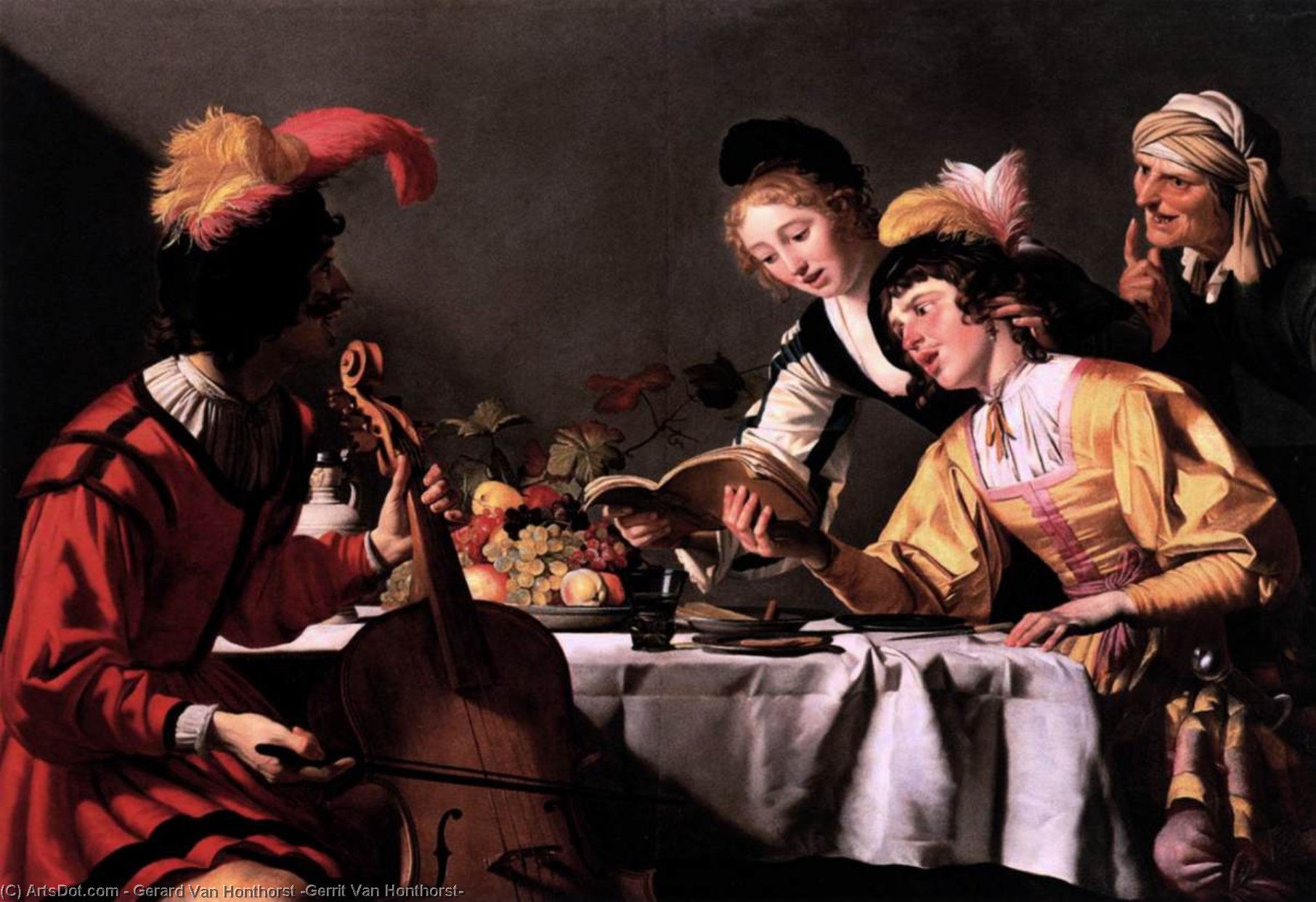
The Concert
 Oil
Oil- WallArt
- Baroque
 1626
1626 168.0 x 202.0 cm
 Galleria Borghese
 Lire la suite
Acquérez une image numérique haute résolution et optimisée, d'une qualité bien supérieure à l'aperçu en ligne.
Chaque fichier est méticuleusement préparé par nos spécialistes internes à l'aide d'outils avancés et d'une retouche manuelle experte. Nous garantissons que chaque image possède une clarté exceptionnelle, une précision des couleurs irréprochable et un niveau de détail fin.
Le fichier final est livré par e-mail sous 72 heures, optimisé pour une utilisation immédiate dans des contextes professionnels, éditoriaux et d'impression. Il offre la même qualité de confiance que celle utilisée par les plus grands studios de création, éditeurs et galeries.
Image numérique
Téléchargez un fichier haute résolution pour votre usage personnel, l'impression et vos projets créatifs. ( Commander l'impression Commander la reproduction peinte à la main)
Inclus avec chaque commande d'image numérique
Livraison numérique experte, garantie.
En choisissant OriginalUniqueArt.com, vous n'obtenez pas seulement une simple image : vous recevez une œuvre numérique sublimée avec professionnalisme, conçue avec précision et accompagnée d'une garantie de satisfaction. Voici tout ce qui accompagne automatiquement votre commande :

Envoi rapide par e-mail
Votre fichier d'image numérique haute résolution vous sera envoyé par e-mail sous 72 heures après votre commande — prêt à un usage immédiat.

Fichier numérique optimisé par l'IA
Votre œuvre d'art bénéficie d'une optimisation professionnelle grâce à des outils d'IA avancés et une retouche manuelle, garantissant un niveau maximal de détail, de clarté et de fidélité chromatique.

Réexpédition gratuite à vie
Vous avez accidentellement supprimé ou perdu votre fichier ? Pas d'inquiétude — nous vous le renverrons gratuitement, quand vous le souhaitez.

Aucuns frais de douane — À jamais
Profitez de votre œuvre d'art instantanément sans frais de douane ni de livraison — les téléchargements numériques sont toujours exonérés de taxes.

Garantie de fidélité des couleurs
Nous garantissons que votre image numérique reproduit les couleurs de l'original aussi fidèlement que possible grâce à des outils professionnels et une gestion rigoureuse des couleurs.

Garantie satisfaction 60 jours
Si vous n'êtes pas satisfait de votre image numérique, nous la retoucherons ou vous rembourserons 100% sous 60 jours — sans poser de questions.

Garantie de remboursement à 100%
Pas satisfait ? Obtenez un remboursement intégral dans les 60 jours suivant la réception de votre fichier numérique — sans aucune question posée.

Réductions sur les commandes groupées
Achetez 3 images, économisez 10% - Achetez 5, économisez 15% - Achetez 10+, économisez 20%. Idéal pour les projets créatifs, les galeries et les agences.
The Concert: A Baroque Tableau of Musical Rapture
Gerard van Honthorst’s “The Concert,” painted in 1626 and currently residing within the Galleria Borghese in Rome, is more than just a depiction of musicians; it's a meticulously crafted distillation of the vibrant energy and social grace of the Dutch Golden Age. This oil on canvas masterpiece transcends mere representation, offering a glimpse into a world where music, fashion, and conversation intertwine—a microcosm of courtly life rendered with astonishing skill and dramatic flair. The painting immediately captivates with its dynamic composition, pulling the viewer into a scene brimming with movement and animated dialogue.
Honthorst’s signature style, deeply rooted in Caravaggism, is powerfully evident here. He masterfully employs *tenebrism*, a technique characterized by stark contrasts between light and shadow, to sculpt forms and direct our gaze. The brightly illuminated figures – particularly the woman at the cello – stand out against the enveloping darkness of the background, creating an immediate sense of drama and intimacy. This strategic use of light not only highlights the performers but also subtly suggests a narrative unfolding within the scene: a moment of shared enjoyment, perhaps even a flirtatious exchange between the musicians.
A Symphony of Detail and Symbolism
The painting’s details are remarkably rich and layered with symbolic meaning. The central figure, seated at the cello, is dressed in a vibrant red gown—a color associated with passion, energy, and leadership within the Baroque era. Her posture exudes confidence and enthusiasm as she commands the ensemble. To her right, another woman holds a book, likely sheet music or lyrics, subtly suggesting the intellectual underpinning of the performance. The two men flanking her are equally compelling; one sports a flamboyant yellow hat adorned with feathers—a symbol of status and perhaps even playful vanity – while the other is clad in a striking red and white striped outfit, holding a lute, an instrument traditionally linked to courtly entertainment.
Beyond the individual figures, the setting itself contributes significantly to the painting’s narrative. The dark room behind the musicians creates a sense of enclosure and intimacy, drawing attention to the performers as if they were trapped within a private world of music and merriment. The strategically placed window on the right side allows natural light to flood the scene, further emphasizing the figures' presence and adding a touch of warmth and vitality.
Historical Context and Artistic Influence
Gerard van Honthorst’s “The Concert” emerged during a period of immense artistic innovation in Europe. Following his transformative journey to Rome, where he encountered the revolutionary work of Caravaggio, Honthorst embraced *tenebrism* as his signature style. This technique, characterized by dramatic contrasts between light and dark, became a hallmark of Baroque art across the continent. His ability to capture fleeting moments of human interaction with such intensity and realism cemented his reputation as one of the most influential painters of the Dutch Golden Age.
The painting’s subject matter—a musical performance—was particularly popular during this era, reflecting a growing appreciation for music within aristocratic circles. “The Concert” offers a rare glimpse into the social rituals and cultural values of 17th-century Holland, where music played a vital role in shaping identity and fostering social connections.
Bringing "The Concert" to Life: Reproductions and Beyond
OriginalUniqueArt.com is proud to offer meticulously crafted, hand-painted oil painting reproductions of Gerard van Honthorst’s “The Concert.” These reproductions capture the essence of the original artwork—the dramatic lighting, the intricate details, and the palpable sense of energy—with unparalleled accuracy. Whether you are an art collector, interior designer seeking a statement piece, or simply an admirer of Baroque artistry, our reproductions provide a beautiful and authentic way to experience this iconic masterpiece.
Explore further by visiting our online gallery or contacting us directly to discuss your specific needs. You can also delve deeper into Honthorst’s life and work by visiting the National Gallery of Art's page on “The Concert” or exploring related resources such as Google Arts & Culture’s entry and the Wikipedia article on Gerard van Honthorst.
Biographie de l'artiste
Première jeunesse et formation
Gérard van Honthorst, peintre néerlandais important de l'âge d'or néerlandais, est né le 4 novembre 1590 à Utrecht. Il était le fils d’un peintre décorateur et a initialement été formé sous la direction de son père. Plus tard, il a poursuivi sa formation artistique sous Abraham Bloemaert.Carrière et influences
La carrière précoce de van Honthorst a impliqué une visite à Rome, où il a été fortement influencé par le style de Caravage. Cette influence se manifeste dans ses œuvres ultérieures, en particulier dans son utilisation de scènes éclairées artificiellement, ce qui lui a valu le surnom de « Gherardo delle Notti » ou « Gérard des nuits ». À son retour aux Pays-Bas, van Honthorst est devenu un peintre portraitiste de premier plan.Commandes notables et mécénat
Le travail de van Honthorst était très demandé, avec des mécènes notables tels que Vincenzo Giustiniani, qui l’a chargé de peindre « Christ devant le grand prêtre », exposé à la National Gallery de Londres. Il a également travaillé pour Cosme II de Médicis, grand-duc de Toscane, et était un favori auprès de la République néerlandaise et à l’étranger.Héritage et vie ultérieure
En 1620, van Honthorst est retourné à Utrecht, où il a bâti une réputation considérable. En 1623, année de son mariage, il était devenu président de la guilde Saint-Luc d’Utrecht. Son succès a conduit à des recommandations par Sir Dudley Carleton pour l'Earl of Arundel et Lord Dorchester.Œuvres clés et collaborations
- La prise du Christ, une œuvre collaborative initialement attribuée à van Honthorst, aujourd'hui reconnue comme l’œuvre d’un autre artiste.
- Christ devant le grand prêtre, commandée par Vincenzo Giustiniani, met en valeur la capacité de van Honthorst à capturer des scènes éclairées artificiellement.
- Des collaborations avec d’autres artistes, tels que Peter Paul Rubens, démontrent son influence sur le style baroque flamand.
Mouvement artistique et style
Van Honthorst faisait partie du mouvement des Utrecht Caravaggistes, caractérisé par l’utilisation d’un éclairage dramatique et d’une profondeur émotionnelle intense. Son travail reflète l’influence de la baroque italienne, tout en contribuant au développement de l'âge d'or néerlandais. Principaux liens :
Gérard van Honthorst
1590 - 1656 , Pays-Bas
En bref
- Artistic Movement Or Style: Caravagisme d'Utrecht, Baroque
- Artists Or Movements Influenced By This Artist:
- Rembrandt van Rijn
- Georges de la Tour
- Artists Who Influenced This Artist:
- Caravage
- Abraham Bloemaert
- Date Of Birth: 4 novembre 1590
- Date Of Death: 27 avril 1656
- Full Name: Gérard van Honthorst
- Nationality: Néerlandais
- Notable Artworks:
- Christ avant le grand prêtre
- La Prise du Christ
- Place Of Birth (City And Country): Utrecht, Pays-Bas

