

 Aperçu en situation
 Partager
 Partager
 Détails
 Guide imprimable

 Télécharger
 Articles similaires
 Radiographie
 Voir le diaporama
 Statistiques
Suicide
 Acrylic On Canvas
- WallArt
- Expressionist Satire
 1916
1916- 19th Century
 100.0 x 77.0 cm
 Afficher la suite
L’œuvre d'art présentée sur cette page est protégée par le droit d'auteur, ce qui signifie que nous ne pouvons légalement créer ou vendre de reproduction identique. Cette protection est appliquée en vertu d'accords internationaux tels que la Convention de Berne et par les lois nationales, notamment celles énoncées par le Loi américaine sur le droit d'auteur - Titre 17.
Cette méthode est pleinement conforme aux réglementations sur le droit d'auteur car elle ne repose pas sur la copie ou la duplication de l'œuvre protégée. Il s'agit plutôt d'une réinterprétation créative — une nouvelle peinture qui s'inspire de l'original sans pour autant lui être identique.
Giclées et impressions d'art
Impressions giclées ou sur toile de qualité musée, avec une production rapide et des finitions au choix. ( Acheter la peinture faite à la main Passer au format image numérique)




P118B €10

P118H €10

P118W €10

P438Z €10

P508JH €12

P508YH €12

P805H €10

P805Z €10

P919BZ €10

P919G €10

P919XJ €10

P959ZH €10

P968JZ €12

W106C €8

W218G €10

W218JH €8

W218Y €10

W307PJ €10

W316G €10

W316PJ €8

W316Y €10

W398PJ €8

W4111J €10

W500HY €15

W500JH €15

W692G €12

W849H €8

W940BG €15

W953PJ €8




Choisissez parmi nos formats prédéfinis qui respectent les proportions originales de l’œuvre.

Saisissez la largeur et la hauteur souhaitées pour qu'elles s'adaptent à votre cadre ou à votre mur. Une impression ne peut être que découpée, elle ne peut jamais être agrandie au-delà de l'image originale ; ainsi, un format de forme différente entraînera la perte d'une partie de l'image. Nous vous envoyons une maquette numérique pour approbation avant toute impression. L'image présentée sur cette page ne montre pas le recadrage réel — seule la maquette le permet.
Livraison dans le monde entier () en 2 semaines au lieu des 4/5 semaines habituelles. (22 octobre)

Livraison express gratuite dans le monde entier

Toile de lin de haute qualité

Assurance transport complète

Garantie de remboursement des droits de douane

Garantie de fidélité des couleurs

Garantie de retour de 100 jours (uniquement en cas de défaut)

Garantie de remboursement à 100%

Tarifs dégressifs sur quantité
 L'option verre n'est disponible que pour les dimensions inférieures à 110 cm.

Suicide
Giclées et impressions d'art
Format de la reproduction
-


Prix total final
€ 70
A Descent into Despair: George Grosz's "Suicide"
George Grosz’s “Suicide,” painted in 1916, is not merely a depiction of death; it’s a raw, unflinching scream against the moral and societal collapse engulfing Germany during the tumultuous years preceding World War I. Executed on canvas measuring 100 x 77 cm, this work embodies Grosz's signature style – a brutal synthesis of social satire and Expressionist fervor. The scene unfolds with a chilling realism: a man lies prone, head buried in his hands, suggesting an act of self-destruction, while surrounding figures react with varying degrees of apathy, grief, or morbid curiosity. This isn’t a romanticized tragedy; it's a stark confrontation with the anxieties and disillusionment that permeated Weimar Berlin.
The Anatomy of Disillusionment: Style and Technique
Grosz’s technique is immediately recognizable – characterized by jagged lines, distorted forms, and a deliberately unsettling palette dominated by somber browns, greys, and muted reds. He employs a heavily textured surface, achieved through thick impasto application of paint, which adds to the painting's visceral impact. The figures are rendered with an almost caricature-like quality, exaggerating features to amplify their emotional states. Notice the meticulous detail in the open umbrella held by one figure – a seemingly insignificant element that subtly underscores the scene’s bleakness and perhaps hints at a futile attempt to shield oneself from the storm of despair. The use of strong diagonals creates a sense of unease and instability, mirroring the fractured state of society depicted.
Historical Context: Weimar Berlin and the Seeds of Destruction
"Suicide" was created during a period of profound social and political upheaval in Germany. The Weimar Republic, born from the ashes of the German Empire, struggled to establish itself amidst economic instability, hyperinflation, and rampant political extremism. Grosz’s art served as a scathing critique of this era, exposing the corruption, moral decay, and disillusionment that fueled the rise of fascism. The presence of the two dogs adds another layer of interpretation – perhaps symbolizing loyalty betrayed or the primal instincts unleashed by societal breakdown. The year 1916 was particularly fraught with tension, marked by ongoing war efforts and growing social unrest, making this painting a potent reflection of the anxieties of the time.
Symbolism and Emotional Resonance
Beyond its immediate depiction of suicide, “Suicide” is laden with symbolic weight. The figures represent not just individuals but broader societal forces – the indifference of the wealthy, the paralysis of bureaucracy, and the destructive consequences of unchecked ambition. The overall atmosphere is one of profound sadness and hopelessness, a feeling intensified by Grosz’s masterful use of light and shadow. This artwork continues to resonate with viewers today, serving as a timeless reminder of the fragility of human existence and the enduring power of art to confront uncomfortable truths. It's a powerful statement on the human condition, rendered with unflinching honesty and artistic brilliance.
Questions et réponses
À quel point la palette de "Suicide" est-elle saturée ?
La palette de « Suicide » présente une saturation Balanced Soft.
Quelle technique a été utilisée pour «Suicide» de George Grosz ?
« Suicide » est réalisé en Acrylic On Canvas.
Existe-t-il une fiche informative sur «Suicide» de George Grosz destinée aux étudiants ?
La page Guide de «Suicide» de George Grosz propose une fiche pédagogique imprimable en deux volets : l'œuvre accompagnée de sa fiche d'identité, une frise chronologique la situant dans la vie de l'artiste, d'autres œuvres de l'artiste, la palette de couleurs mesurée, ainsi que des citations prêtes à être copiées en quatre styles différents.
Biographie de l'artiste
Première Vie et Influences
George Grosz, figure marquante du groupe Berlin Dada et de la Nouvelle Objectivité pendant la République de Weimar, est né le 26 juillet 1893 à Berlin, en Allemagne. En tant que Georg Ehrenfried Gross, il a grandi dans une famille luthérienne fervente, son père étant propriétaire d'un pub. La vie précoce de Grosz a été marquée par la mort de son père en 1901, après laquelle sa mère est devenue la gardienne du mess des officiers hussards locaux.Développement Artistique
Grosz a commencé son parcours artistique sous la tutelle d'un peintre local nommé Grot, développant davantage ses compétences grâce à de méticuleuses copies des scènes de boisson et des scènes de bataille imaginaires d’Eduard von Grützner. Il a ensuite étudié à l'Académie des beaux-arts de Dresde (1909-1911) puis au Collège des arts et métiers de Berlin.Œuvres Notables et Style
- La Fosse, une peinture présentant le style dadaïste de Grosz, est un exemple notable de son œuvre.
- Ce tableau, ainsi que d'autres comme L’Agitateur et Les Piliers de la Société, démontrent sa critique satirique de la communauté bourgeoise allemande.
- Ces œuvres se caractérisent par leur nature caricaturale, présentant souvent des images morbides et grotesques qui symbolisaient les forces fascistes en Allemagne.
- Cain ou Hitler en Enfer est une œuvre puissante anti-fasciste.
- L'Éclipse du Soleil dépeint le chaos de l’Allemagne de Weimar.
Collections de Musées et Expositions
Les œuvres de Grosz se trouvent dans divers musées, notamment les Kunstsammlungen und Museen Augsburg et la Kunsthalle Bielefeld, tous deux réputés pour leurs vastes collections d'art allemand.Vie Ultérieure et Héritage
Grosz a émigré aux États-Unis en 1933, devenant citoyen naturalisé en 1938. Il a enseigné à l'Art Students League de New York et a continué à exposer son travail jusqu’à son retour à Berlin, où il est décédé le 6 juillet 1959. Points Clés :- Grosz était un membre important du groupe Berlin Dada et de la Nouvelle Objectivité.
- Son œuvre se caractérise par des critiques satiriques de la communauté bourgeoise allemande.
- Il a émigré aux États-Unis en 1933 et est devenu citoyen naturalisé en 1938.
- L'héritage de Grosz continue d’être célébré à travers ses œuvres, qui peuvent être trouvées dans divers musées à travers l'Allemagne.
Références :
Liste de personnalités américaines d'origine allemande (Wikipédia)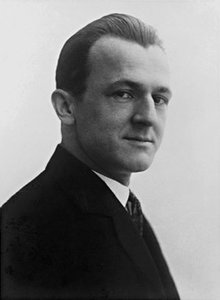
George Grosz
1893 - 1959 , Allemagne
En bref
- Artistes Influents: ['Édouard von Grützner']
- Date De Décès: 6 juillet 1959
- Date De Naissance: 26 juillet 1893
- Lieu De Naissance: Berlin, Allemagne
- Mouvement Artistique: Dadaïsme, Nouvelle Objectivité
- Nationalité: Allemand, Américain
- Nom Complet: George Grosz
- Oeuvres Notables:
- La Fosse
- L'Agitateur
- Les Piliers de la Société
- Cain ou Hitler en Enfer
Articles connexes

OriginalUniqueArt.com F.A.Q.: Elevate Your Decor with Premium Textured Giclée Prints
Discover the distinction of OriginalUniqueArt.com premium textured Giclée prints. Expertly crafted with archival 12-color pigments and museum-grade substrates, our prints offer unparalleled vividness for the discerning collector seeking luxury, durability, and timeless elegance.


