Contemporary Art · 1985
People (Yi Eungro, 1985)
Yi Eungro (1904–1989) on luonut teoksen People. Se on peräisin vuodelta 1985. Se kuuluu Contemporary Art-liikkeeseen. Se on valmistettu materiaalilla Ink On Paper. Teos sijaitsee Lee Ungno Museum -museossa paikassa Daegu, Etelä-Korea. Mitat ovat 268 × 223 cm.
- 1985
- Ink On Paper
- 268 × 223 cm
- Lee Ungno Museum, Daegu

 Esikatselu

 Käsinmaalattu öljymaalaus
 Jaa teos
 Jaa
 Teostiedot


 Lataa kuva
 Samanlaisia kohteita
 Röntgenkuvaus
 Diaesitys
 Kysymykset ja vastaukset

 Tilastot
People lyhyesti
- Teoksen nimi
- People
- Taiteilija
- Yi Eungro (1904–1989)
- Taiteilijan syntymäpaikka
- Soul, Etelä-Korea
- Päivämäärä
- 1985
- Tekniikka
- Ink On Paper
- Mitat
- 268 × 223 cm
- Missä teos on nähtävissä
- Lee Ungno Museum, Daegu, Etelä-Korea
- Taidesuuntaus
- Contemporary Art
- Aikakausi
- Modern
- Aihe
- people, silhouettes, human figures, abstract ink, movement, crowd painting
Mitä People esittää?
The Pulse of Humanity: A Symphony of Silhouettes
In the vast, evocative expanse of Yi Eungro’s 1985 masterpiece, "People," we are invited into a profound meditation on the collective human experience. This monumental work, measuring an imposing 268 x 223 cm, transcends mere portraiture to capture the very essence of movement and existence. Through a mesmerizing array of silhouettes, the artist orchestrates a dance of shadows that feels both deeply personal and universally shared. Each figure, though stripped of individual facial features, possesses a distinct vitality; some appear caught in mid-stride, while others linger in moments of quiet contemplation. The composition breathes with a rhythmic energy, as if the paper itself is vibrating with the silent whispers of a crowd gathered in a timeless, ethereal space.
The technique employed in "People" is a masterful bridge between Eastern tradition and Western abstraction. Utilizing the delicate yet powerful medium of ink on paper, Yi Eungro utilizes the fluid properties of the ink to create varying depths of tone. This creates a sense of atmospheric perspective where certain figures emerge from the void with striking clarity, while others recede into a misty, dreamlike background. The stark contrast of the black and white palette strips away the distractions of color, forcing the viewer to focus on the raw geometry of form and the emotional weight of the silhouettes. It is a sophisticated interplay of light and shadow that demands attention, making it an extraordinary focal point for any curated collection or high-end interior space.
A Legacy of Modernity and Emotion
To understand the profound impact of this work, one must look to the life of Yi Eungro himself. A pioneer who navigated the complex intersection of Korean heritage and French modernism, his journey was one of constant evolution. Having mastered the classical "four gentlemen" style of Korean inkwash painting, he eventually sought to modernize these traditions, infusing them with the expressive freedom of Western abstraction. "People" stands as a testament to this late-career mastery, where the calligraphic precision of his youth meets a mature, soulful exploration of social connectivity. The piece does not merely depict individuals; it symbolizes the interconnectedness of humanity, reflecting a world that is simultaneously fragmented and unified.
For the discerning collector or interior designer, a reproduction of "People" offers more than just aesthetic beauty; it brings an intellectual and emotional depth to a room. The artwork’s large-scale presence and dynamic composition provide a sense of movement that can transform a static environment into one of inspiration and thought. Whether placed in a minimalist contemporary gallery setting or as a sophisticated anchor in a grand living space, the painting serves as a window into the human soul. It invites onlookers to pause, to observe the dance of the shadows, and to find their own reflection within the beautiful, swirling crowd of Yi Eungro’s vision.
Missä museossa teos People sijaitsee?
Lee Ungno Museum
Daegu, Etelä-Korea
Musteen ja modernismin sinfonia: Lee Ungnon perintö Daejeonin kulttuurimaiseman sydämessä Lee Ungno Museum seisoo syvällisenä todistuksena taiteellisen vision muuntautumisesta. Tämä instituutti toimii siltana aikakausien välillä tarjoten harvinaisen näkymän miehen sieluun, joka onnistui yhdistämään itämaisen tusimallimaalauksen meditatiivisen painon länsimaisen modernismin rohkeisiin ja kokeellisiin rajoihin. Musealiin astuminen on siirtymistä tilaan, jossa korealaisen kalligrafian muinaiset perinteet kohtaavat eurooppalaisen abstraktin ekspressionismin sähköisen energian, luoden vuoropuhelun, joka resonoi sukupolvien yli.
People korkearesoluutioiset kuvat

Tekijänoikeudet suojattu: nämä tiedostot on tarkoitettu vain henkilökohtaiseen käyttöön, eivätkä ne sisällä julkaisuoikeutta.
Yi Eungro, People (1985).
Yi Eungro (1904–1989), People, 1985, ink on paper, Lee Ungno Museum, Daegu, Etelä-Korea. Kuva: OriginalUniqueArt.com.
Kysymyksiä teoksesta People ja vastauksia niihin
Missä teosta Yi Eungro:n "People" voidaan tällä hetkellä nähdä?
Teos Yi Eungro:n "People" on esillä Lee Ungno Museum, Daegu, Etelä-Korea-museossa. Museoluettelo viittaa alkuperäisteokseen, ei jäljennöksiin.
Millä tekniikalla "People" on tehty?
Mikä on Yi Eungro:n "People" todellinen koko?
Mitä "People" esittää?
Onko teos "People" tekijänoikeusvapaa?
Kenen teokseksi "People" on merkitty?
Mihin taidesuuntaukseen Yi Eungro:n "People" kuuluu?
"People" on Contemporary Art-tyylisuuntaan kuuluva teos. Tyylisuunta ilmaisee taiteellisen perinteen, johon teos kuuluu.
Tietoa taiteilijasta, Yi Eungro

1904–1989, Etelä-Korea
Yi Eungro
**nuoruus ja koulutus** lee ungno, joka tunnetaan myös nimellä yi eungro, oli korealaisittain syntynyt ranskalainen taidemaalari ja grafiikan taiteilija, joka syntyi Soulissa, Etelä-Koreassa vuonna 1904. Hänen varhaisvuosiaan leimasi lyhyt opiskelujakso Hongseong Botong Hakyossa (홍성보통학교, 홍城초등학교, 洪城普通學校), minkä jälkeen hän omistautui maalaustaiteen opiskelulle yeomjae song tae-hoen johdolla vuodesta 1920 alkaen. **taiteellinen ura Koreassa ja Japanissa** Lee ungnon taiteellinen matka sai todellisen alkunsa, kun hän muutti Seuliin vuonna 1922 ja ryhtyi oppipojaksi kuuluisan kalligrafin, maalarin ja valokuvaajan haegang kim gyu-jin työhön. Hän oppi ensisijaisesti maalaamaan "neljä herrasmiestä" niin kutsutulla "haegang-tyylillä".
Tietoa taiteilijasta Yi Eungro Yi Eungron merkittävimmät teokset
Myös Yi Eungro -teoksia
 Untitled1969
 Composition1970
 I Ching 64 Hexagrams Sequence (火風鼎)1974
 The travels of Marco Polo Series1980
Esseitä teoksesta People
 Spontaneity and Matter: Distinguishing CoBrA from Art InformelJean Dubuffet mixed sand, tar, and gravel into his 1947 works to create sculptural surfaces. Why did post-war artists reject traditional or…
 25 Masterpieces by Egon Schiele: The Raw Power of Expressionism1890s Vienna was a city caught between decadent splendor and the shadows of a fractured era. How did Schiele use jagged lines to map the so…
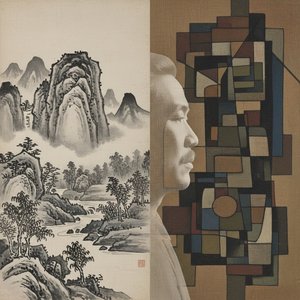 Yi Eungro: Bridging East & West in the Landscape of Korean ModernismExplore the captivating world of Yi Eungro (Lee Ungno), a pivotal figure in Korean modernism. Discover his unique fusion of Eastern and Wes…