Neoclassicism
Cupid Bound To A Tree (Thomas Stothard)
Thomas Stothard (1755–1834) on luonut teoksen Cupid Bound To A Tree. Se kuuluu Neoclassicism-liikkeeseen. Se on valmistettu materiaalilla Oil On Canvas.
- Oil On Canvas

 Esikatselu

 Käsinmaalattu öljymaalaus
 Jaa teos
 Jaa
 Teostiedot


 Lataa kuva
 Samanlaisia kohteita
 Röntgenkuvaus
 Diaesitys
 Kysymykset ja vastaukset

 Tilastot
Cupid Bound To A Tree lyhyesti
- Teoksen nimi
- Cupid Bound To A Tree
- Taiteilija
- Thomas Stothard (1755–1834)
- Taiteilijan syntymäpaikka
- Lontoo, Yhdistynyt kuningaskunta
- Tekniikka
- Oil On Canvas
- Taidesuuntaus
- Neoclassicism
- Aikakausi
- 19th Century
- Aihe
- mythological scene, romantic imagery, childhood innocence, forest setting, classical figures, love & devotion
Mitä Cupid Bound To A Tree esittää?
Identification of the Artwork and Artist
We are looking at Cupid Bound To A Tree, an oil painting by Thomas Stothard. This work belongs to a period when the artist was establishing his presence within the London art scene. Stothard, who was born in London in 1755, possessed a particular sensitivity to the nuances of narrative and form that defined much of his output. He remained a significant figure in the British artistic landscape until his death in 1834.
The artist's background as a draughtsman of patterns for brocaded silks is often felt in the way he handles texture and detail. In this specific piece, his ability to translate classical and mythological themes into a structured arrangement is quite apparent. It is a work that reflects the grace and elegance often associated with his hand, focusing on the interplay of light and the human form within a natural setting.
Visual Composition and Subject Matter
The scene unfolds within the quiet seclusion of a dense forest, where the arrangement of figures creates a sense of intimate enclosure. At the heart of this woodland gathering, a central group of cherubic infants draws the eye, surrounded by women, children, and angelic beings. This layered composition provides a palpable sense of depth, drawing the viewer into a private, sheltered space where the natural world and the mythological realm meet. The figures are positioned to suggest a gentle, perhaps even melancholic, assembly, focused on the innocence of the central infants.
The subject matter explores the delicate intersection of love and innocence. Through the presence of these celestial and maternal figures, the work touches upon themes of purity and the soft weight of nostalgia. The color palette remains restrained, relying on muted earth tones that ground the mythological figures within their organic setting. These subtle shades are punctuated by intentional highlights of white and gold, which catch the light and provide a luminous quality to the skin tones and fabrics of the central group.
Artistic Style and Visual Impression
The composition leans toward Neoclassicism, favoring idealized forms and a structured narrative. Rather than sharp edges, the work relies on predominantly soft and flowing lines that guide the eye through the woodland setting. These organic shapes—the curves of the figures, the reach of the trees, and the surrounding foliage—blend together to create a sense of natural enclosure. The perspective is somewhat flattened, a choice that directs our attention toward the emotional weight of the scene rather than a strict, realistic depth.
Lighting is used with a certain dramatic intent. An unseen source positioned above and behind the central group casts deep shadows while highlighting the key figures, creating a sense of atmospheric tension. This interplay of light and shadow contributes to an overall mood of quiet contemplation. There is a palpable sense of gentle sadness within the gathering, a subtle melancholy that permeates the intimate scene.
Technique and Material Details
Executed in oil paints on canvas, this work possesses a certain luminous quality that draws the eye inward. The artist employs a method where the brushstrokes remain visible to the viewer, yet they are carefully blended to achieve a sense of seamlessness. This approach allows for smooth transitions between light and shadow, particularly across the skin tones and the folds of the drapery. Such control over the medium creates a subtle tonal variation that gives the figures a soft, organic presence within the woodland setting.
The application of the paint results in a layered texture that adds a physical depth to the surface. By manipulating the thickness of the oil, the artist has managed to capture a sense of atmosphere, where the light seems to emanate from within the pigment itself. The interplay of these textures and the muted earth tones creates a quiet, steady visual rhythm. It is a delicate balance of precision and softness, where the material itself supports the narrative without drawing undue attention to the hand of the maker.
Related Works by Thomas Stothard
In examining the breadth of Stothard's output, one finds a consistent interest in translating narrative and classical themes into structured, graceful arrangements. His oil pictures are usually small in size, a characteristic that lends an intimate quality to his various compositions. This preference for a more contained scale allows for a focused study of light and human form, a trait evident across his diverse subject matter.
His engagement with dramatic tension is seen in works such as The Return of Othello, created around 1799. This piece utilizes a restrained palette of ochre, brown, and black tones, punctuated by highlights of white and subtle red, to focus the viewer on the central interaction between the figures. Such works reflect his ability to balance small-scale historical subjects with decorative designs, maintaining a steady interest in the interplay of light and the human figure.
Other compositions by the artist include Tam O' Shanter and A gun crew. These works, alongside his various illustrations, demonstrate a versatility in handling different genres, from the sentimental to the historical. His ability to capture the essence of a scene remains a constant thread throughout his various artistic endeavors.
Cupid Bound To A Tree korkearesoluutioiset kuvat
Tekijänoikeudet: teos on vapaasti käytettävissä, taiteilija kuoli vuonna 1834.
Thomas Stothard, Cupid Bound To A Tree. Tekijänoikeudet vapaat.
Kysymyksiä teoksesta Cupid Bound To A Tree ja vastauksia niihin
Mitä tekniikkaa Thomas Stothard:n "Cupid Bound To A Tree" on käytetty?
Teoksen Thomas Stothard:n "Cupid Bound To A Tree" tekniikka on Oil On Canvas. Vedosten tavoitteena on jäljitellä tämän tekniikan ulkoasua.
Mitä aiheita teoksessa Thomas Stothard:n "Cupid Bound To A Tree" esiintyy?
Thomas Stothard:n "Cupid Bound To A Tree" esittää: mythological scene, romantic imagery, childhood innocence, forest setting, classical figures, love & devotion, melancholy mood.
Onko Thomas Stothard:n "Cupid Bound To A Tree" vapaasti käytettävissä oleva teos?
Tekijänoikeustiedot teokselle Thomas Stothard:n "Cupid Bound To A Tree": teos on vapaasti käytettävissä – tekijänoikeussuoja on päättynyt. Tämä määrittää, voidaanko kuvasta tehdä vapaasti jäljennöksiä.
Kuka on teoksen "Cupid Bound To A Tree" taiteilija?
"Cupid Bound To A Tree" on Thomas Stothard:n luoma teos. Tällä sivulla olevat tiedot kuvaavat Thomas Stothard:n alkuperäistä työtä.
Mihin tyylisuuntaan "Cupid Bound To A Tree" kuuluu?
Teoksen Thomas Stothard:n "Cupid Bound To A Tree" tyylisuunta on Neoclassicism. Tämä luokittelu sijoittaa teoksen muiden samankaltaisten taiteilijoiden ja teosten joukkoon.
Mihin vaiheeseen Thomas Stothardin kehityksestä "Cupid Bound To A Tree" edustaa?
"Cupid Bound To A Tree" edustaa taiteilijan Thomas Stothard tuotantokautta Mature Period."
Miksi teoksen "Cupid Bound To A Tree" tekijänoikeustila on sellainen kuin se on?
Teoksen "Cupid Bound To A Tree" tekijänoikeustilanne (vapaasti käytettävissä – tekijänoikeussuoja on päättynyt) määräytyy taiteilijan kuolinvuoden 1834 perusteella.
Miten "Cupid Bound To A Tree" asettuu osaksi Thomas Stothard'n teemoja ja tyyliä?
"Cupid Bound To A Tree" jakaa Thomas Stothard'n muiden teosten kanssa Neoclassicism-tyylin sekä toistuvat teemat: sentimental narrative, book illustration style, domestic themes, classical mythology, neoclassical tradition, romantic sentimentality, love & family values, moral innocence.
Miten teoksen "Cupid Bound To A Tree" aihe liittyy Thomas Stothard'n tavallisiin teemoihin?
"Cupid Bound To A Tree" esittää aiheita mythological scene, romantic imagery, childhood innocence, forest setting, classical figures, love & devotion, melancholy mood, kun taas Thomas Stothard tunnetaan teemoistaan sentimental narrative, book illustration style, domestic themes, classical mythology, neoclassical tradition, romantic sentimentality, love & family values, moral innocence. Näiden kahden vertaaminen osoittaa, miten teos liittyy taiteilijan tavallisiin aiheisiin.
Tietoa taiteilijasta, Thomas Stothard

1755–1834, Yhdistynyt kuningaskunta
Thomas Stothard
Thomas Stothard: Unelmien ja historiallisten kaiujen kutojan Vuonna 1755 Lontoon vilkkaassa sydämessä syntyneen Thomas Stothardin elämä oli kuin taidokas kudelma, joka oli tehty herkän kauneuden, taiteellisen oppipoikavuuden ja tarinankerronnan ikuisen lumon säikeistä. Hänen varhaisia vuosia leimasi hauras terveys – lapsuus viettiin pitkältan poissa kotoa hänen alttiutensa vuoksi – mutta tämä ajanjakso kasvatti hänessä syvän arvostuksen hiljaista pohdiskelua kohtaan, mikä myöhemmin antoi sielun hänen taiteelleen. Hän aloitti taiteellisen matkansa brokadisilkki-kuvioiden piirtäjänä, taito, joka opetti hänelle tarkkanäköisyyden yksityiskohtiin sekä syvän ymmärryksen tekstuureista ja väreistä – ominaisuuksia, jotka hän myöhemmin siirsi kuuluisille kuvituksilleen. Stothardin virallinen koulutus alkoi Royal Academyssa vuonna 1778, mikä oli käännekohta, joka työnsi hänet visuaalisen kerronnan uralle.
Tietoa taiteilijasta Thomas Stothard Thomas Stothardn merkittävimmät teokset
Myös Thomas Stothard -teoksia
 The Supper by the Fountain1820
 Portrait Of General Francis Marion )1732
 The Return of Othello, 'Othello,' Act II, Scene II1799
 Prospero, Miranda and Ariel, from "The Tempest," Act I, scene ii1799
Esseitä teoksesta Cupid Bound To A Tree
 British Romantic paintersMasterpieces by Turner, Constable, and Blake define British Romanticism. Explore the full collection online at OriginalUniqueArt.com.
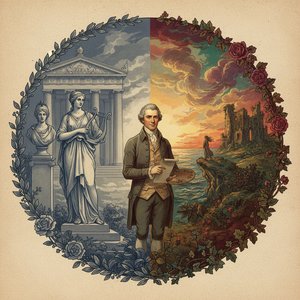 Thomas Stothard: Bridging Neoclassical Ideals with Romantic Sensibility – A ReassessmentExplore the life & art of Thomas Stothard (1755-1834), a pivotal figure bridging Neoclassicism and Romanticism. Discover his exquisite book…
 25 Iconic Piero di Cosimo Paintings: A Visual Journey Through His Mythical and Realistic ArtExplore 25 iconic Piero di Cosimo paintings from the Florentine Renaissance. Discover the full collection online at OriginalUniqueArt.com.