Gongbi Landscape · 1530
Handscroll (Qiu Ying, 1530)
Qiu Ying (1494–1552) on luonut teoksen Handscroll. Se on peräisin vuodelta 1530. Se kuuluu Gongbi Landscape-liikkeeseen. Se on valmistettu materiaalilla Acrylic On Canvas. Teos sijaitsee Metropolitan Museum of Art -museossa paikassa New York, Yhdysvallat.
- 1530
- Acrylic On Canvas
- Metropolitan Museum of Art, New York

 Esikatselu

 Käsinmaalattu öljymaalaus
 Jaa teos
 Jaa
 Teostiedot


 Lataa kuva
 Samanlaisia kohteita
 Röntgenkuvaus
 Diaesitys
 Kysymykset ja vastaukset

 Tilastot
Handscroll lyhyesti
- Teoksen nimi
- Handscroll
- Taiteilija
- Qiu Ying (1494–1552)
- Taiteilijan syntymäpaikka
- Taicang, Kiinan kansantasavalta
- Päivämäärä
- 1530
- Tekniikka
- Acrylic On Canvas
- Missä teos on nähtävissä
- Metropolitan Museum of Art, New York, Yhdysvallat
- Taidesuuntaus
- Gongbi Landscape
- Aikakausi
- Late Medieval
- Aihe
- ming dynasty, landscape, scroll, qiu ying, luohans, chinese art
Mitä Handscroll esittää?
Qiu Ying’s “Up the River During Qingming”: A Masterpiece of Ming Dynasty Serenity
“Up the River During Qingming,” painted by Qiu Ying during the mid-16th century, is more than just a landscape; it's a carefully constructed meditation on harmony, leisure, and the enduring beauty of nature. Attributed to one of China’s Four Masters of the Ming Dynasty – alongside Shen Zhou, Tang Yin, and Wen Zhengming – this exquisite handscroll offers a rare glimpse into the refined aesthetic sensibilities of Suzhou during that era. The work, currently residing in the collection of the National Gallery of Canada, invites viewers into a tranquil scene brimming with subtle symbolism and masterful brushwork.
Qiu Ying’s artistic journey was remarkably unconventional for his time. Rather than pursuing formal training within established art circles, he began as a lacquer artisan, honing his skills in meticulous detail – a foundation that profoundly influenced the precision and control evident throughout “Up the River During Qingming.” This early experience instilled in him an unparalleled understanding of line and color, qualities he would later translate into his celebrated landscape paintings. His apprenticeship with Zhou Chen in Suzhou further solidified his technical abilities, exposing him to the techniques of the Wu School, known for its emphasis on ink washes and a more expressive approach to nature.
A Symphony of Detail: Technique and Style
The painting’s remarkable quality stems from Qiu Ying's mastery of the gongbi technique – a highly detailed, realistic style that was favored by court painters. Each element—from the meticulously rendered bamboo stalks to the delicate folds of the pavilions—is executed with painstaking precision, creating an illusion of incredible depth and texture. Notice the subtle gradations of color achieved through layering washes of ink and pigment; this creates a luminous quality that brings the scene to life. The composition is carefully balanced, drawing the eye across the landscape in a deliberate and engaging manner. The artist’s use of loose brushwork, particularly in depicting the distant mountains and flowing river, contrasts beautifully with the tightly controlled detail of the foreground elements, demonstrating Qiu Ying's versatility and his ability to seamlessly blend different artistic approaches.
Symbolism Woven into the Landscape
“Up the River During Qingming” is rich in symbolic meaning. The scene depicts a scholar leisurely enjoying a day by the river, surrounded by carefully arranged pavilions and gardens. This imagery reflects the Confucian ideals of scholarly pursuits, contemplation, and harmony with nature – values highly esteemed during the Ming Dynasty. The presence of the tavern and the farmer gathering water vegetables adds a touch of everyday life to the scene, reminding us that even amidst beauty and tranquility, human activity continues. The bamboo grove, a recurring motif in Chinese art, symbolizes resilience, integrity, and longevity—qualities admired in virtuous individuals. The distant mountains represent permanence and stability, while the flowing river embodies fluidity and change.
A Window into Ming Dynasty Culture
Beyond its aesthetic beauty, “Up the River During Qingming” offers a valuable insight into Ming Dynasty culture. It reflects the importance of gardens as spaces for contemplation, artistic expression, and social interaction. The lavish furnishings within the pavilions—including the exquisite celadon vase—demonstrate the wealth and sophistication of the era’s elite. The painting also reveals the influence of philosophical ideas, particularly those associated with Zhou Dunyi, whose “On the Love for the Lotus” inspired the scene's composition and symbolism. Qiu Ying’s ability to seamlessly integrate these diverse elements into a cohesive and harmonious whole is a testament to his artistic skill and cultural awareness.
Collecting a Legacy: Reproduction and Inspiration
Reproductions of “Up the River During Qingming” capture only a fraction of the painting's original impact. The subtle nuances of color, texture, and brushwork are difficult to replicate fully, but high-quality reproductions offer an accessible way to appreciate Qiu Ying’s artistry. This work serves as a powerful reminder of the enduring appeal of Chinese landscape painting—a genre that continues to inspire artists and captivate viewers with its beauty, symbolism, and profound sense of serenity.
Missä museossa teos Handscroll sijaitsee?
Metropolitan Museum of Art
New York, Yhdysvallat
Metropolitan Museum of Art: Alkuperä ja historia Metropolitan Museum of Art sai alkunsa visioista, joita kohtasivat joukko liikemiehiä, rahoittajia sekä johtavia taiteilijoita ja ajattelijoita. Perustamisensa jälkeen vuonna 1870 instituutio alkoi etsiä pysyvää kotia kasvavalle kokoelmalleen. Ennen nykyiselle paikalleen asettumista museo majoittui lyhyen aikaa West 14th Streetillä sijaitsevassa Douglas Mansion -kartanossa.


Handscroll korkearesoluutioiset kuvat

Tekijänoikeudet: teos on vapaasti käytettävissä, taiteilija kuoli vuonna 1552.
Muut koot, rajaukset ja viittaukset →Qiu Ying, Handscroll (1530), Metropolitan Museum of Art. Tekijänoikeudet vapaat.
Kysymyksiä teoksesta Handscroll ja vastauksia niihin
Missä teosta Qiu Ying:n "Handscroll" voidaan tällä hetkellä nähdä?
Teos Qiu Ying:n "Handscroll" on esillä Metropolitan Museum of Art, New York, Yhdysvallat-museossa. Museoluettelo viittaa alkuperäisteokseen, ei jäljennöksiin.
Milloin "Handscroll" on tehty?
Qiu Ying:n "Handscroll" on luotu vuonna 1530.
Mitä tekniikkaa Qiu Ying:n "Handscroll" on käytetty?
Qiu Ying käytti teoksessa "Handscroll" Acrylic On Canvas-tekniikkaa. Tekniikka määrittelee alkuperäisen teoksen materiaalisen luonteen.
Mitä aiheita teoksessa Qiu Ying:n "Handscroll" esiintyy?
Teoksen Qiu Ying:n "Handscroll" teemoihin kuuluvat ming dynasty, landscape, scroll, qiu ying, luohans, chinese art, gongbi. Yhdessä ne tiivistävät teoksen aiheen.
Onko teos "Handscroll" tekijänoikeusvapaa?
Tekijänoikeustiedot teokselle Qiu Ying:n "Handscroll": teos on vapaasti käytettävissä – tekijänoikeussuoja on päättynyt. Tämä määrittää, voidaanko kuvasta tehdä vapaasti jäljennöksiä.
Kuka on luonut teoksen "Handscroll"?
"Handscroll" on Qiu Ying:n luoma teos. Tällä sivulla olevat tiedot kuvaavat Qiu Ying:n alkuperäistä työtä.
Mihin taidesuuntaukseen Qiu Ying:n "Handscroll" kuuluu?
Qiu Ying:n "Handscroll" kuuluu Gongbi Landscape-suuntaukseen. Tämä tyylisuunta antaa teokselle sen tyylillisen kontekstin.
Mihin kohtaan Qiu Ying uraa teos "Handscroll" sijoittuu?
Qiu Ying'n uralla teos "Handscroll" sijoittuu aikakaudelle Mid-16th Century. Tämä vaihe auttaa vertaamaan sitä taiteilijan muihin teoksiin.
Kuinka vanha Qiu Ying oli tehdessään "Handscroll"?
Qiu Ying oli 36 vuotias luodessaan teoksen "Handscroll" vuonna 1530. Ikä on laskettu taiteilijan syntymävuodesta 1494.
Tietoa taiteilijasta, Qiu Ying
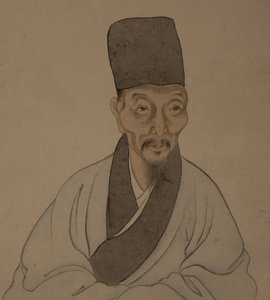
1494–1552, Kiinan kansantasavalta
Qiu Ying
Siveltimen vedoissa muovattu elämä: Qiu Yingin maailma Syntyen vaatimattomiin oloihin vuonna 1494 Taicangin kaupungissa, nykyisen Jiangsu-provinssin läheisyydessä, Qiu Ying nousi yhdeksi Ming-dynastian arvostetuimmista maalaajista. Toisin kuin monet aikansa taiteilijat, jotka nauttivat oppineesta kasvatuksesta ja muodollisesta koulutuksesta vakiintuneissa taidepiireissä, Qiu Yingin polku oli poikkeuksellisen itse luotu. Hän aloitti taiteellisen matkansa ei perinteitä seuraavien kanavien kautta, vaan lakkimestarin oppipoikana, hioen taitojaan yksityiskohtaisessa koristelutyössä – perusta, joka vaikuttaisi syvästi hänen myöhempien maalaustensa tunnusomaiselle tarkkuudelle. Tämä varhainen kokemus antoi hänelle hallinnan viivasta ja väristä, ominaisuuksia, joita hän hioi Zhou Chenin johdolla Suzhoussa, joka oli Ming-kauden eläväinen kulttuurikeskus.
Tietoa taiteilijasta Qiu Ying Qiu Yingn merkittävimmät teokset
Myös Qiu Ying -teoksia
 Up the River During Qingming1644
 Zhao Mengfu Writing the Heart (Hridaya) Sutra in Exchange for Tea1542
 Lady Su Hui and Her Verse Puzzle501
 The Seven sages of the bamboo grove1552

Esseitä teoksesta Handscroll
 Understanding Chinese Painting: A Comparison of Gongbi and XieyiMaster the differences between Gongbi and Xieyi styles. Discover the history and techniques of Chinese ink painting now.
 25 Must-See Masterpieces at Berlin's Alte NationalgalerieExplore 25 iconic masterpieces from Berlin's Alte Nationalgalerie. From Romanticism to Impressionism, discover them all on OriginalUniqueAr…
 Understanding Chinese Art: Literati Painting and Song Academy PaintingMaster the distinction between Song Academy and Literati painting styles. Explore Chinese art history through expert analysis today.