() ·

A painting made for you, by hand

The Window

Käsinmaalattu öljyvärinen jäljennös

Käsinmaalattu öljyväri kankaalle haluamassasi koossa ja kehyksissä, taiteilijoidemme valmistamana tilauksesta. ( Vaihda tulosteeseen Siirry digitaaliseen kuvaan)

Keräilykohteen kuvaus

Discover 'The Window' by Pierre Bonnard – a serene oil painting capturing domestic intimacy and light. Explore its artistic context, key features, and the legacy of this iconic Intimist masterpiece.

Taiteilijan elämäkerta

Pierre Bonnardin intiimien kotielämää ja värien lumoa kuvaavat maalaukset ovat modernin taiteen klassikoita. Koe 'Intimist' -tyylin mestari, jonka teoksia kuten 'Nainen ruudullisessa mekossa' ihaillaan ympäri maailmaa.

from ·

Chapter 1

How large should it be?

Slide to change the size; the picture on the left shows the frame at its real width. The proportions of the original are kept.

Vakiokoko
räätälöity
CM
INCH

Valitse valmiista mitoistamme sellaiset, jotka vastaavat teoksen alkuperäisiä mittasuhteita.

leveys
korkeus

Kirjoita tarvitsemasi leveys ja korkeus, jotta teos sopii kehyksiisi tai seinällesi. Koska kyseessä on käsinmaalattu teos, taiteilija voi maalata hieman enemmän kuvan ympärille tai rajata sitä hieman, jos haluat eri muotoisen koon — valinta on sinun. Lähetämme sinulle digitaalisen mallikuvan hyväksyttäväksi ennen kuin maalaus alkaa. Tällä sivulla näkyvä kuva ei vastaa lopullista tulosta — vain mallikuva näyttää sen.

Chapter 2

How should it arrive?

Choose the edges of the stretched canvas

Choose your frame

Corner sample of the WhiteWrap canvas edge finish, stretched on massiivipuu bars
White €1
Corner sample of the BlurSideWrap canvas edge finish, stretched on massiivipuu bars
Blurside €1
Corner sample of the ExtendedWrap canvas edge finish, stretched on massiivipuu bars
Extended €1
Corner sample of the P118B picture frame: valettu polystyreeni, 5 cm wide and 3 cm thick
P118B €10
Corner sample of the P118H picture frame: valettu polystyreeni, 5 cm wide and 3 cm thick
P118H €10
Corner sample of the P118W picture frame: valettu polystyreeni, 5 cm wide and 3 cm thick
P118W €10
Corner sample of the P438Z picture frame: valettu polystyreeni, 5.5 cm wide and 3.5 cm thick
P438Z €10
Corner sample of the P508JH picture frame: valettu polystyreeni, 7 cm wide and 3.5 cm thick
P508JH €12
Corner sample of the P508YH picture frame: valettu polystyreeni, 7 cm wide and 3.5 cm thick
P508YH €12
Corner sample of the P805H picture frame: valettu polystyreeni, 5 cm wide and 3.5 cm thick
P805H €10
Corner sample of the P805Z picture frame: valettu polystyreeni, 5 cm wide and 3.5 cm thick
P805Z €10
Corner sample of the P919BZ picture frame: valettu polystyreeni, 7 cm wide and 3.5 cm thick
P919BZ €10
Corner sample of the P919G picture frame: valettu polystyreeni, 7 cm wide and 3.5 cm thick
P919G €10
Corner sample of the P919XJ picture frame: valettu polystyreeni, 7 cm wide and 3.5 cm thick
P919XJ €10
Corner sample of the P959ZH picture frame: valettu polystyreeni, 5 cm wide and 3 cm thick
P959ZH €10
Corner sample of the P968JZ picture frame: valettu polystyreeni, 6 cm wide and 4 cm thick
P968JZ €12
Corner sample of the W106C picture frame: massiivipuu, 5 cm wide and 3 cm thick
W106C €8
Corner sample of the W218G picture frame: massiivipuu, 5 cm wide and 3 cm thick
W218G €10
Corner sample of the W218JH picture frame: massiivipuu, 5 cm wide and 3 cm thick
W218JH €8
Corner sample of the W218Y picture frame: massiivipuu, 5 cm wide and 3 cm thick
W218Y €10
Corner sample of the W307PJ picture frame: massiivipuu, 6 cm wide and 3 cm thick
W307PJ €10
Corner sample of the W316G picture frame: massiivipuu, 6 cm wide and 3 cm thick
W316G €10
Corner sample of the W316PJ picture frame: massiivipuu, 6 cm wide and 3 cm thick
W316PJ €8
Corner sample of the W316Y picture frame: massiivipuu, 6 cm wide and 3 cm thick
W316Y €10
Corner sample of the W398PJ picture frame: massiivipuu, 5 cm wide and 3 cm thick
W398PJ €8
Corner sample of the W4111J picture frame: massiivipuu, 6.5 cm wide and 3.5 cm thick
W4111J €10
Corner sample of the W500HY picture frame: massiivipuu, 7 cm wide and 5 cm thick
W500HY €15
Corner sample of the W500JH picture frame: massiivipuu, 7 cm wide and 5 cm thick
W500JH €15
Corner sample of the W692G picture frame: massiivipuu, 8 cm wide and 4 cm thick
W692G €12
Corner sample of the W849H picture frame: massiivipuu, 5 cm wide and 3 cm thick
W849H €8
Corner sample of the W940BG picture frame: massiivipuu, 7.5 cm wide and 4.5 cm thick
W940BG €15
Corner sample of the W953PJ picture frame: massiivipuu, 6 cm wide and 3.5 cm thick
W953PJ €8
Corner sample of the H24-GOLD picture frame: kaiverrettua puuta ja gessoa, 10 cm wide and 6 cm thick
H24-GOLD €30
Corner sample of the H24-SILVER picture frame: kaiverrettua puuta ja gessoa, 10 cm wide and 6 cm thick
H24-SILVER €30
Corner sample of the H36-GOLD picture frame: kaiverrettua puuta ja gessoa, 15 cm wide and 6.5 cm thick
H36-GOLD €45
Corner sample of the H36-SILVER picture frame: kaiverrettua puuta ja gessoa, 15 cm wide and 6.5 cm thick
H36-SILVER €45
Kehyksen esikatselu
Kehystetty

Moulding: . Overall size with the frame: .

Chapter 3

Who paints it, and should anything change?

Examples of what can be changed: Replace face with customer photo; Add pet (e.g., replace cat with dog); Include hidden message in background; Change background landscape or elements.
After order, OriginalUniqueArt.com team will email client for instructions and provide a mockup preview

Maailmanlaajuinen toimitus () 3–4 viikossa tavallisen 5 viikon sijaan. (2 marraskuu). Laadusta ei tingitä.

Chapter 4

The finishing touches

A nameplate, as in a museum?

Kaiverretun pronssilaatan tiedot

This elegant plaque features the artist's name and the title of the artwork, finely engraved for a timeless presentation.

It is made from bronze with a refined, elegant finish. The text is precisely laser-engraved for a sharp and permanent result. Measuring 9x2 cm, the plaque is compact yet easy to read. It's built to be durable and scratch-resistant, offering a professional, museum-quality look. Mounting is simple thanks to the included adhesive backing.

Läpinäkyvän akryylilaatan tiedot

The plaque includes essential engraved details such as the artist's name, the title of the artwork, the date it was created, the type of media used-like oil on canvas or watercolor-a brief description of the piece, and a QR code that links to the complete artwork information.

It is crafted from clear acrylic, offering a sleek, modern appearance. The text is UV-engraved in black to ensure strong visual contrast. With a size of 10x15 cm, it ensures optimal readability. It comes equipped with two metal hooks for secure wall mounting. The plaque is designed to be weather-resistant, making it suitable for various environments, and it includes interactive features that work seamlessly with smartphone scanning.

Mustan akryylilaatan tiedot

This elegant plaque includes engraved information such as the artist's name, the title of the artwork, the date it was created, the type of media used (like oil on canvas or watercolor), a short description of the artwork, and a QR code for quick access to more information.

The plaque itself is made from refined black acrylic with a premium finish. The text is laser-engraved in white for high contrast and readability. Its size is 10x15 cm, designed to be easy to read. It comes with two metal hooks for professional mounting. The design is sleek and fits any interior style. It is also weather-resistant and durable, with built-in digital integration for mobile compatibility.

A protective varnish?

When do you need it?

Chapter 5

Your painting, as you ordered it

The Window

Reproduktiotekniikka

Replikaatin koko

-

Kokenut huipputaiteilija

Lisää yksityiskohtia, hienostuneisuutta ja enemmän aikaa tuotantoon

-

Reproduktion kehystysvaihtoehdot

-

-

Teoksille tai reproduktioille, joiden mikä tahansa sivu on suurempi kuin 105 cm (noin 41 tuumaa), kehys toimitetaan osina purettuna sarjana. Tämä menetelmä varmistaa turvallisen toimituksen ja ehkäisee vaurioita kuljetuksen aikana.

Vaatii ammattimaista kokoamista – kyseessä ei ole tee-se-itse-tuote.
Sarja on koottava ja kangas kiristettävä kokeneen kehystysammattilaisen toimesta käyttäen puuliimaa (ei sisälly pakkaukseen), kangaspinnetteitä ja puristimia, jotta kehyksen kulmat pysyvät suorina liiman kuivuessa. Virheellinen kokoaminen tai epätasainen kankaan kiristys voi vaurioittaa teosta pysyvästi, eikä tällaiset vauriot ala takuun piiriin.

  • Kaikki massiivipuupalat sisältyvät, tarkasti mittojen mukaan leikattuina.

  • Kootaan mukana tulevilla ruuveilla sekä kulmaliitoksia varten tarvittavalla puuliimalla, jota ei toimiteta, joten se on hankittava kehystäjältä.

  • Vaatii ammattilaisvälineitä, jotka eivät sisälly pakkaukseen: kankaan venytyspihdit (kiristin) ja puristimet, joilla pidetään kehyksen puut suorassa liiman kuivuessa.

Tärkeää:
Kulmaliitoksissa tarvitaan puuliimaa, kehyksien osat on pidettävä puristimilla, kunnes liima on täysin kuivunut, ja koottuun kehykseen jännitettävän kankaan kiristämiseen tarvitaan kangaspenssipihti. Mikään näistä ei sisälly pakkaukseen. Suosittelemme varmistamaan kokeneen kehystäjän saatavuuden ennen tämän kokoisen kehyksen tilaamista.

Nimilaatta

-

-

Suojalakkaus

Kiiltävä lakka (syventää värejä, suojaa valolta ja kosteudelta)

-

Mukauta taideteokseni

Esimerkkejä muokattavista asioista: Vaihda kasvot asiakkaan omaan valokuvaan; Lisää lemmikki (esim. vaihda kissa koiraan); Lisää taustalle piilotettu viesti; Muuta taustan maisemaa tai elementtejä.

-

Pikatoimitus

Maailmanlaajuinen toimitus () 3–4 viikossa tavallisen 5 viikon sijaan. (2 marraskuu). Laadusta ei tingitä.

-

Pikatoimitus

Maailmanlaajuinen toimitus () 5 viikon kuluessa. (9 marraskuu).

Sisältyy hintaan

Kokonaishinta

€ 267

Kokonaishinta € 267

Lasivaihtoehto on saatavilla vain alle 110 cm kokoisille teoksille

Included with every order

  • Ilmainen pikatoimitus ympäri maailman
  • Korkealaatuinen pellavakangas
  • Kattava kuljetusvakuutus
  • Tulliveron palautustakuu
  • Takuu täydellisestä värien vastaavuudesta
  • 100 päivän palautusoikeus (vain valmistusvirheet)
  • 100% rahat takaisin -takuu
  • Määräalennus tarjolla

The Window by Pierre Bonnard: A Study in Light, Memory, and Intimacy

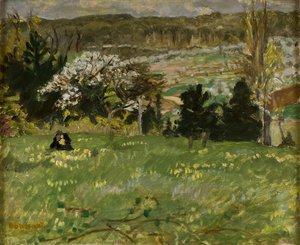
Pierre Bonnard’s “The Window,” painted in 1925, isn't merely a depiction of a domestic scene; it’s an exquisitely rendered meditation on light, memory, and the quiet beauty of everyday life. Housed within the Tate Gallery in London, this oil-on-canvas masterpiece invites us into a world of muted colors, subtle shifts in tone, and a profound sense of contemplative stillness. Bonnard, a key figure in the Nabis movement—a group of artists who sought to break from academic traditions and explore subjective experience—crafted “The Window” with a deliberate focus on capturing the *feeling* of a moment rather than a photographic representation.

Bonnard’s artistic journey was marked by a constant exploration of color and form. Initially influenced by Paul Gauguin's bold use of pigment and Japanese prints, he gradually developed his own distinctive style—characterized by flattened perspectives, simplified forms, and an almost obsessive attention to the interplay of light and shadow. “The Window” exemplifies this approach perfectly. The scene unfolds within a modestly furnished room, dominated by a large window that serves as both a visual anchor and a source of profound atmospheric effect. Notice how Bonnard doesn’t strive for realistic representation; instead, he uses color—a delicate blend of blues, greens, yellows, and browns—to evoke the *impression* of light filtering through the glass, casting soft shadows across the table and illuminating the objects within.

A Symphony of Color and Light

Bonnard’s technique is remarkably subtle yet powerfully effective. He employs a broken brushstroke, layering colors in thin washes to create a sense of depth and luminosity. The light itself isn't sharply defined; it’s diffused and atmospheric, suggesting a hazy afternoon or the gentle glow of twilight. Observe how he uses complementary colors—such as blue and orange—to heighten the visual impact and create a dynamic tension within the composition. The arrangement of objects on the table – books, bottles, and a vase – is deliberately understated, serving primarily to frame the window and contribute to the overall sense of tranquility. It’s not about showcasing possessions; it's about capturing the *feeling* of being present in that space.

The painting’s historical context is crucial to understanding its significance. “The Window” was created during a period of personal upheaval for Bonnard, as he and his wife, Marthe de Méligny, were navigating an increasingly complex relationship. Despite the potential for emotional turmoil, Bonnard managed to imbue this scene with a remarkable sense of serenity and intimacy. The woman seated at the window—her face partially obscured by shadow—appears lost in thought, seemingly detached from the world outside. This suggests a state of introspection or perhaps a longing for something beyond the confines of the room.

Symbolism and Emotional Resonance

While Bonnard’s work is often characterized by its apparent simplicity, “The Window” is rich with symbolic meaning. The window itself represents a portal—a connection between the interior world of the subject and the external environment. It also symbolizes memory and reflection, as the woman's gaze seems to be directed inward, contemplating her past or perhaps anticipating the future. The books on the table could represent knowledge, wisdom, or simply the comfort of familiar companions. The bottles might hint at a shared moment of relaxation or contemplation.

Ultimately, “The Window” is more than just a painting; it’s an invitation to slow down and appreciate the beauty of the ordinary. It's a testament to Bonnard’s ability to capture the essence of human experience—the quiet moments of reflection, the subtle shifts in light and color, and the enduring power of memory. Reproductions of this work offer a remarkable opportunity to bring this evocative scene into your own home, allowing you to share in its timeless appeal.

Technical Details & Reproduction Considerations

The original painting measures approximately 73 x 92 cm (28.7 x 36.2 inches). Bonnard’s masterful use of color and texture is particularly evident when viewed at close range, revealing the delicate layering of brushstrokes that create such a luminous effect. When considering reproductions, it's important to select high-quality prints that accurately capture the nuances of Bonnard’s palette and technique. Archival inks and fine art paper are essential for ensuring long-lasting color fidelity and preventing fading or discoloration.

OriginalUniqueArt offers meticulously crafted hand-painted reproductions of “The Window” in a variety of sizes and formats, allowing you to experience the beauty of this iconic artwork in your own space. Our skilled artists carefully replicate Bonnard’s unique style, ensuring that each reproduction is a faithful representation of the original masterpiece.

Kysymykset ja vastaukset

Mihin käyttöön "The Window"-teoksen painos on suositeltava?

Teoksen "The Window" painosteelle suositeltu käyttötapa on Reflective.

Mistä voin löytää tilastoja teoksesta Pierre Bonnard:n "The Window"?

Teoksen Pierre Bonnard:n "The Window" tilastot löytyvät sen Tilastot -sivulta: teoksen kuukausittaiset käynnit, taiteilijan muiden teosten käynnit sekä viimeisimpien kävijöiden maa- ja kielijakauma.

Missä voin nähdä alkuperäisen teoksen Pierre Bonnard:n "The Window"?

Teos Pierre Bonnard:n "The Window" on esillä Tate Gallery, Lontoo, Iso-Britannia-museossa. Museoluettelo viittaa alkuperäisteokseen, ei jäljennöksiin.

More about this painting

Esikatselu Esikatsele AR-tilassa Vaihda tulosteeseen Siirry digitaaliseen kuvaan Jaa teos
Tiedot Opas Lisää suosikkeihin Lataa kuva Samanlaisia kohteita Röntgenkuvaus Diaesitys Q&A Tilastot

In numbers

  • 1925the year it was painted
  • 29frames to choose from
  • standard sizes, in its own proportions
  • 5weeks to paint and deliver it
Pierre Bonnard

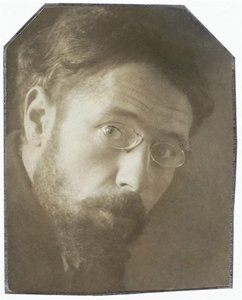
Pierre Bonnard

1867 - 1947, Ranska

Quick facts about Pierre Bonnard

  • Artistic Movement Or Style: Post-impressionismi, Intimisti
  • Artists Or Movements Influenced By This Artist:
    • Paul Gauguin
    • Japani
  • Artists Who Influenced This Artist:
    • Impressionistit
    • Nabis
  • Date Of Birth: 3. lokakuuta 1867
  • Date Of Death: 23. tammikuuta 1947
  • Full Name: Pierre Bonnard
  • Nationality: Ranskalainen
  • Notable Artworks:
    • Naisten ruudullinen mekko
    • Ruokapöytä
    • Hedelmäkulho
  • Place Of Birth: Fontenay-aux-Roses, Ranska

Taiteilijan elämäkerta

A Life Bathed in Light: The World of Pierre Bonnard

Pierre Bonnard, syntynyt 3. lokakuuta 1867 Fontenay-aux-Rosesin maalaukskylässä Pariisin lähiössä, ei ollut määrätty elämään taiteellisen ilmaisun maailmassa. Hänen isänsä, Ranskan sodanministeriön korkea virkamies, näki poikansa uraksi juristin, mutta nuori Pierre löysi sydämensä toisesta – kiehtovan värimaailman ja muodon maailmasta. Tämä dynaaminen kaksinaisuus, tämä jännite odotuksen ja intohimon välillä, vaikutti hienovaraisesti hänen taiteelliseen matkaansa, antaen hänen teoksilleen ainutlaatuisen intiimyyden. Hän alkoi aluksi piirtää karikatyyrejä, hioen havaintokykyään, joka myöhemmin kukoisti huolellisesti renderöityjen kotielämien kuvaamiseksi. Kuitenkin Académie Julianissa Bonnard löysi todellisen polkunsa, kohdaten samoin ajattelevia henkiinjääneitä, jotka jakavat hänen kasvavan hylkäämisensä akateemisista konventioista ja omaksuivat avantgarde-hengen, joka levisi Pariisiin. Tämä kohtaaminen johti Nabis-ryhmään – taiteilijoihin, kuten Maurice Denis, Paul Sérusier ja Édouard Vuillard, jotka pyrkivät sisällyttämään taiteeseen henkistä syvyyttä ja symboliikkaa, ylittämällä pelkän esittämisen pyrkimyksen tutkia sisäistä kokemusta.

The Nabi Years and the Cultivation of Intimacy

Bonnardin Nabis-liiton vaikutus oli ratkaiseva. Ryhmän painotus tasoitetuille muodoille, rohkeille väripaleteille ja perinteisen perspektiivin hylkäämiselle resonoi syvästi hänen taiteellisiin aivonsa kanssa. Inspiroituneena japanilaisista printeistä – niiden elegantista linjasta ja harmonisesta kompositiosta sekä Symbolistiliikkeen pyrkimyksestä tutkia subjektiivisia tunteita, Bonnard alkoi kehittää oman tunnusomaisen tyylinsä. Hän ei ollut kiinnostunut suurista tarinoista tai historiallisista allegorioista; sen sijaan hän kääntyi sisäänpäin, keskittyen hiljaisiin arkielämän hetkiin: nainen kylvyssä, perhe kokoontunut illalliselle, auringonpaisteinen puutarha. Nämä eivät olleet pelkästään kohtauksien esityksiä, vaan tunteiden tiivistelmiä – muistojen ja tunnelmien evästämistä. Tämä intiimin kotielämän keskittyminen ansioitui häneltä...

Color as Emotion: A Master Colorist

Bonnardin värien mestaruus on todennäköisesti hänen määrittävä piirreensä. Hän ei vain *käyttänyt* värejä; hän *tuntia* niitä, antaen niiden ohjata hänen maalauksensa tunnelmaa ja tunnelmaansa. Hänen sävyvalikoimansa oli eloisaa, mutta hienovaraista, käyttäen usein odottamattomia yhdistelmiä, jotka luovat aavemaisen hehkun. Hän palasi jatkuvasti valmiisiin maalauksiin, säätäen värejä hienovaraisesti useissa teoksissa saavuttaakseen täydellisen harmonian – todiste hänen pakkomielestään värin tasapainon saavuttamiseksi. Tämä ei ollut realistista esitystä; se oli tunteiden ilmaiseminen, muistojen herättäminen. Hän siirtyi suorasta havainnosta, mieluummin maalaamalla muistoistaan, mikä mahdollisti hänelle antaa teoksilleen unenomaisen laadun. Hänen maisemansa eivät olleet pelkästään paikkojen esityksiä, vaan tunteiden reaktioita niihin – suodatettuna henkilökohtaisen kokemuksen läpi. Hän ei ollut kiinnostunut suurista tarinoista tai historiallisista allegorioista; sen sijaan hän kääntyi sisäänpäin, keskittyen hiljaisiin arkielämän hetkiin: nainen kylvyssä, perhe kokoontunut illalliselle, auringonpaisteinen puutarha. Nämä eivät olleet pelkästään kohtauksien esityksiä, vaan tunteiden tiivistelmiä – muistojen ja tunnelmien evästämistä. Tämä fokus intiimiin kotielämään ansioitui häneltä...

Later Life and Lasting Legacy

Bonnardin myöhemmässä elämässään hänen taiteellinen keskittymisensä siirtyi entisestään värin ja valon tutkimiseen. Hän vietti yhä enemmän aikaa Etelä-Frankaan, lumoutuneena Välimeren maisemasta ja sen intensiivisestä hehkusta. Hänen suhteensa Marthe de Melignyyn, hänen vaimoonsa ja elämänmuseeksi, pysyi keskeisenä hänen elämässään ja teoksissaan. Hän esiintyy usein maalauksissaan, usein kylvyssä tai osallistuen arkipäivän aktiviteetteihin, hänen läsnäolonsa säteilee hiljaista hienoutta ja intiimiyttä. Vuonna 1912 hän osti "La Roulotte"n Vernonnetissa, lähellä Givernyä, perustamalla läheisen ystävyyssuhteen Claude Moneten kanssa, Impressionismin mestarin kanssa. Tämä läheisyys impressionistimestrin kanssa syvensi Bonnardin tutkimuksia valosta ja väristä, vaikka hän säilytti aina oman taiteellisen näkemyksensä. Hän maalasi edelleen lyhyesti kuolemansa lähestyessä, jättäen jälkeensä teoksen, joka vangitsee hänen elämänsä ja intohimonsa. Bonnardin vaikutus myöhemmän sukupolven taiteilijoihin on kiistaton. Hänen sisäisen kokemuksen korostamisensa, värien mestarillinen käyttö ja arkielämän juhliminen ovat jättäneet pysyvän jäljen moderniin taiteeseen. Hän osoitti, että kauneutta voidaan löytää ei suurista teoksista tai sankareiden tarinoista, vaan hiljaisista elämäntilanteista – valaistuna ja täynnä tunteita.

Notable Works & Collections

  • Woman in Checkered Dress (1890): Varhainen esimerkki hänen Nabis-vaikutteisen tyylinsä teoksesta, joka esittää tasoittuneita muotoja ja rohkeita väripaletteja.
  • The Dining Room (1913): Klassinen Intimist-kohtaus, joka vangitsee kodin lämpöä ja intiimiä tunnelmaa.
  • Bowl of Fruit (c. 1933): Osoittaa hänen mestaruuttaan still life -maalauksissa, eloisilla väreillä ja aavemaisen syvyyden tunteella.
  • The Almond Tree in Blossom (1947): Yksi viimeisistä teoksistaan, joka valmisteettiin kuolemansa lähestyessä, osoittaa hänen jatkuvan tutkimuksensa värin ja valon suhteen.
Bonnardin teokset löytyvät laajalti kansainvälisistä museoista, kuten:
  • Marmottan Monet Museum, Pariisi, Ranska
  • Chicago Art Institute
  • Museum of Modern Art, New York City
  • Tate Modern, Lontoo

Pikaista tietoa

  • Location: Tate Gallery, London
  • Movement: Intimism
  • Medium: Oil on canvas
  • Notable elements: Light & shadow
  • Subject or theme: Domestic scene

Taidevisat

Jokaisessa kysymyksessä on vain yksi oikea vastaus.

Kysymys 1:
What artistic movement is Pierre Bonnard most closely associated with?
Kysymys 2:
In 'The Window,' what is the primary focus of the composition?
Kysymys 3:
Which of the following best describes Pierre Bonnard’s style?
Kysymys 4:
The painting 'The Window' was created in which year?
Kysymys 5:
What role did light play in Bonnard's approach to painting, as exemplified by 'The Window'?