Abstract Expressionism
Untitled 4 (Mark Rothko)
Mark Rothko (1903–1970) on luonut teoksen Untitled 4. Se kuuluu Abstract Expressionism-liikkeeseen. Se on valmistettu materiaalilla Acrylic On Canvas.
- Acrylic On Canvas

 Esikatselu

 Käsinmaalattu öljymaalaus
 Jaa teos
 Jaa
 Teostiedot


 Lataa kuva
 Samanlaisia kohteita
 Röntgenkuvaus
 Diaesitys
 Kysymykset ja vastaukset

 Tilastot
Untitled 4 lyhyesti
- Teoksen nimi
- Untitled 4
- Taiteilija
- Mark Rothko (1903–1970)
- Taiteilijan syntymäpaikka
- Daugavpils, Latvia
- Tekniikka
- Acrylic On Canvas
- Taidesuuntaus
- Abstract Expressionism
- Aihe
- color field painting, geometric abstraction, emotional resonance, red hue, blue tone, texture depth
Mitä Untitled 4 esittää?
A Symphony in Color: Exploring Mark Rothko’s No. 4
The painting known simply as “No. 4” by Mark Rothko is more than just pigment on canvas; it's an invitation into a realm of profound contemplation and emotional resonance. Created in 1964 during his prolific period, this monumental work embodies the core tenets of Rothko’s signature style – Color Field Painting – a movement that revolutionized abstract art and continues to captivate audiences worldwide.- Subject Matter: At first glance, “No. 4” presents itself as deceptively simple. It consists of five rectangular blocks of color—primarily deep crimson, cadmium orange, and slate blue—layered atop one another. These rectangles are not sharply delineated; instead, they bleed into each other subtly, creating an ethereal haze that obscures precise boundaries.
- Style: Rothko’s approach transcends mere representation. He eschewed traditional artistic conventions, rejecting illusionistic depth and perspective altogether. Instead, he sought to convey emotion directly through color alone—a radical departure from the prevailing aesthetic sensibilities of his time.
Historical Context: Minimalism and Existential Anxiety
“No. 4” emerged during a period marked by significant cultural upheaval. The rise of Minimalism in the mid-1960s challenged the dominance of figurative art, advocating for austere compositions and unadorned surfaces as expressions of intellectual seriousness. Simultaneously, anxieties surrounding nuclear proliferation and the Cold War fueled existential concerns about humanity’s place in the cosmos—themes that resonated deeply with Rothko's artistic vision. He wasn’t attempting to depict a specific scene or narrative; rather, he aimed to tap into universal human experiences – grief, joy, transcendence – feelings conveyed through pure color.Symbolism and Emotional Impact
Rothko deliberately avoided explicit symbolism, believing that color itself possessed inherent expressive power. However, scholars have interpreted the hues within “No. 4” as representing a spectrum of emotions—crimson symbolizing passion and vulnerability, orange conveying warmth and optimism, and blue embodying serenity and contemplation. The layering effect contributes to this emotional depth, suggesting an unfolding process of feeling rather than a static depiction. Viewing No. 4 is said to induce a state of calm introspection; it encourages the viewer to surrender to the painting's immersive quality and allow themselves to be carried away by its evocative beauty.A Legacy of Color
“No. 4” stands as a testament to Rothko’s unwavering commitment to exploring the expressive potential of color—a legacy that continues to inspire artists and collectors alike. Its enduring appeal lies in its ability to bypass intellectual analysis altogether, communicating directly with the viewer's subconscious mind. A high-quality reproduction captures not only the visual splendor of this masterpiece but also its profound emotional core – a reminder that art can transcend language and offer access to realms of feeling beyond words.Untitled 4 korkearesoluutioiset kuvat

Tekijänoikeudet suojattu: nämä tiedostot on tarkoitettu vain henkilökohtaiseen käyttöön, eivätkä ne sisällä julkaisuoikeutta.
Mark Rothko, Untitled 4.
Kysymyksiä teoksesta Untitled 4 ja vastauksia niihin
Millä tekniikalla "Untitled 4" on tehty?
Mark Rothko käytti teoksessa "Untitled 4" Acrylic On Canvas-tekniikkaa. Tekniikka määrittelee alkuperäisen teoksen materiaalisen luonteen.
Mitä Mark Rothko:n "Untitled 4" esittää?
Teoksen Mark Rothko:n "Untitled 4" teemoihin kuuluvat color field painting, geometric abstraction, emotional resonance, red hue, blue tone, texture depth, minimalist composition. Yhdessä ne tiivistävät teoksen aiheen.
Onko teoksen Mark Rothko:n "Untitled 4" kuva vapaasti käytettävissä?
Tekijänoikeustiedot teokselle Mark Rothko:n "Untitled 4": teos on on edelleen tekijänoikeuden alainen. Tämä määrittää, voidaanko kuvasta tehdä vapaasti jäljennöksiä.
Kuka on luonut teoksen "Untitled 4"?
Teos "Untitled 4" on yhdistetty Mark Rothko.
Mihin taidesuuntaukseen Mark Rothko:n "Untitled 4" kuuluu?
"Untitled 4" on Abstract Expressionism-tyylisuuntaan kuuluva teos. Tyylisuunta ilmaisee taiteellisen perinteen, johon teos kuuluu.
Mihin vaiheeseen Mark Rothkoin kehityksestä "Untitled 4" edustaa?
Mark Rothko'n uralla teos "Untitled 4" sijoittuu aikakaudelle Mature Period. Tämä vaihe auttaa vertaamaan sitä taiteilijan muihin teoksiin.
Onko Mark Rothko teos "Untitled 4" tekijänoikeudeltaan vapaa (public domain), ja miksi?
Mark Rothko:n "Untitled 4" on on edelleen tekijänoikeuden alainen. Tekijänoikeuden voimassaolo lasketaan taiteilijan kuolinvuodesta, joka oli 1970.
Miten "Untitled 4" asettuu osaksi Mark Rothko'n muuta tuotantoa?
Mark Rothko'n tuotannossa "Untitled 4" edustaa Abstract Expressionism-tyyliä ja kytkeytyy color theory, gestalt principles, existential angst, spiritual harmony, rothko legacy teemoihin.
Onko "Untitled 4" tyypillinen esimerkki siitä, mitä Mark Rothko yleensä loi?
Mark Rothko:n toistuvia teemoja ovat color theory, gestalt principles, existential angst, spiritual harmony, rothko legacy; "Untitled 4" keskittyy aiheisiin color field painting, geometric abstraction, emotional resonance, red hue, blue tone, texture depth, minimalist composition.
Tietoa taiteilijasta, Mark Rothko

1903–1970, Latvia
Mark Rothko
Mark Rothkon varhaisvuodet Mark Rothko syntyi nimellä Markus Yakovlevich Rothkowitz vuonna 1903. Hänen syntymäpaikkansa oli Dvinsk, Venäjällä, paikassa, joka tunnetaan nykyään nimellä Daugavpils, Latviassa. Hänen perheensä asui juutalaisessa asutusalueessa, niin kutsutussa juutalaisessa vyöhykkeessä, jota leimasi poliittinen levottomuus ja pogromien jatkuva varjo. Tämä epävakauden ilmapiiri seurasi perhettä, kun he muuttivat Yhdysvaltoihin vuonna 1913.
Tietoa taiteilijasta Mark Rothko Mark Rothkon merkittävimmät teokset
Myös Mark Rothko -teoksia
 Valkea Keskus1950
 Ei. 1
 Nro. 61 (Ruoste ja sininen)1953
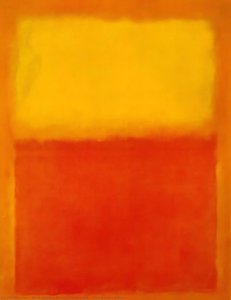 Oranssi ja keltainen1956
Esseitä teoksesta Untitled 4
 Abstract Expressionism vs. Pop Art: Distinguishing Emotion from IconographyMaster the shift from raw emotion to pop iconography with our expert art history guide. Explore the evolution of modern art today.
 The Soul of Color: Exploring the Emotional Depth and Existential Resonance of Mark Rothko's MasterpiecesImmerse yourself in the profound emotional landscapes of Mark Rothko. Explore how his revolutionary Color Field paintings use pure pigment …
 Mark Rothkon 25 mestariteosta: Värien syvyydessä – Taidetta kotiisi OriginalUniqueArtiltaTutustu Mark Rothkon 25 mestariteokseen ja syvälliseen maailmaan abstraktin ekspressionismin parissa. Löydä tunteelliset väritaulut, taideh…