

 Esikatselu
 Jaa
Jaa Jaa
Jaa
 Tarkemmat tiedot

 Lataa
Lataa
 Samanlaisia
 Röntgenkuva
 Diaesitys
 Tilastot
Mr. Oldham and his Friends
 Oil On Canvas
- WallArt
- Rococo Period
 1750
1750- Early Modern
 105.0 x 130.0 cm
 Tate Gallery
 Näytä lisää
Giclée-printit ja taideprintit
Museolaatuisia giclée- tai kankaitaulun tulosteita nopealla tuotannolla ja joustavilla viimeistelyvaihtoehdoilla. ( Osta käsintehty maalaus Siirry digitaaliseen kuvaan)




P118B $10

P118H $10

P118W $10

P438Z $10

P508JH $12

P508YH $12

P805H $10

P805Z $10

P919BZ $10

P919G $10

P919XJ $10

P959ZH $10

P968JZ $12

W106C $8

W218G $10

W218JH $8

W218Y $10

W307PJ $10

W316G $10

W316PJ $8

W316Y $10

W398PJ $8

W4111J $10

W500HY $15

W500JH $15

W692G $12

W849H $8

W940BG $15

W953PJ $8




Valitse valmiista mitoistamme sellaiset, jotka vastaavat teoksen alkuperäisiä mittasuhteita.

Voit syöttää omat mitat sopiaksesi tiettyyn kehykseen tai tilaan. Jos valittu koko ei vastaa alkuperäisen kuvan mittasuhteita, rajaamme teosta tai laajennamme kuvaa peilatulla tai yhtenäisellä reunalla. Digitaalinen mallikuva lähetetään hyväksyttäväksi ennen tuotannon aloittamista.
Huomaathan, että näytöllä näkyvä esikatselu ei vastaa lopullista rajausta tai laajennusta. Vain mallikuva näyttää lopullisen sommittelun tarkasti.
Vaikka räätälöityjä kokoja on saatavilla, suosittelemme valitsemaan mitat valmiista listasta alkuperäisten mittasuhteiden säilyttämiseksi.
Toimitus maailmanlaajuisesti () kahdessa viikossa tavallisen 4–5 viikon sijaan. (17 syyskuu)

Ilmainen pikatoimitus ympäri maailman

Korkealaatuinen pellavakangas

Kattava kuljetusvakuutus

Tulliveron palautustakuu

Täydellinen värien vastaavuustakuu

100 päivän palautusoikeus (vain valmistusvirheet)

100% rahat takaisin -takuu

Määräalennus tarjous
 Lasivaihtoehto on saatavilla vain alle 110 cm kokoisina teoksina

Mr. Oldham and his Friends
Giclée-printit ja taideprintit
Replikaatin koko
-


Kokonaishinta
$ 80
A Glimpse into Georgian Camaraderie
In the soft, amber glow of an imagined mid-eighteenth-century evening, Joseph Highmore’s “Mr. Oldham and his Friends” invites the viewer to step into a world of refined leisure and quiet intellectual intimacy. Painted in 1750, this masterpiece serves as a window into the heart of Georgian England, capturing a moment that transcends mere portraiture to become a celebration of social bond and shared experience. The composition centers on four gentlemen gathered around a mahogany table, their relaxed postures and engaged expressions suggesting a conversation caught mid-sentence. There is an undeniable warmth in the scene; the subtle presence of wine glasses and a communal bowl hints at a ritual of conviviality, where the boundaries between formal status and personal friendship blur under the light of mutual respect.
Highmore, a painter who masterfully navigated the transition from the grandiosity of the Baroque to the delicate grace of the Rococo, utilizes this scene to showcase his profound ability to capture character. One gentleman, distinguished by a hat perched elegantly atop his head, adds a touch of aristocratic flair that anchors the group in their social stratum, yet the overall atmosphere remains remarkably accessible and human. For the collector or interior designer, this piece offers more than just a historical record; it provides an emotional anchor for a room, evoking a sense of timeless stability and the enduring value of companionship.
Mastery of Light and Texture
Technically, the painting is a triumph of chiaroscuro, a technique Highmore adapted from the great Baroque masters like Rembrandt to breathe life into his subjects. By employing dramatic contrasts between deep, velvety shadows and luminous highlights, he sculpts the figures, giving them a three-dimensional presence that feels almost tactile. This play of light does more than define form; it directs the eye through the narrative of the painting, drawing attention to the glint of glass, the rich grain of the wood, and the intricate folds of fine fabrics. The artist’s meticulous attention to detail—the way light catches the rim of a wine glass or the subtle texture of a gentleman's waistcoat—demonstrates a level of craftsmanship that elevates the work from a simple "conversation piece" to a profound study in materiality.
The Rococo influence is felt in the painting’s lighter, more graceful tonal palette, which avoids the heavy somberness of earlier eras in favor of an air of elegance. This delicate balance between shadow and light creates a psychological depth, suggesting that beneath the surface of this pleasant gathering lies a rich inner life and a history of shared secrets and intellectual pursuits. Such technical sophistication makes a high-quality reproduction of this work an exquisite addition to any curated collection, offering a sophisticated interplay of light and shadow that can transform the ambiance of a sophisticated study or a grand dining hall.
Symbolism and the Spirit of an Era
Beyond its aesthetic allure, “Mr. Oldham and his Friends” is steeped in the cultural symbolism of the 1750s. The very act of gathering around wine serves as a metaphor for the era's values: indulgence, pleasure, and the cultivation of taste. In the context of Georgian England, such scenes were not merely decorative but were statements of social identity. The painting subtly underscores the importance of patronage and the role of the landed gentry in fostering a culture of refinement and intellectual curiosity. The presence of the mahogany table—a luxury item of the period—further reinforces the themes of prosperity and the global reach of British commerce during this era.
For those looking to bring a piece of history into their contemporary spaces, this artwork offers a profound sense of continuity. It speaks to the universal human desire for connection and the beauty found in quiet, shared moments. Whether placed in a modern minimalist setting to provide a classical counterpoint or integrated into a traditional period room, Highmore’s work continues to resonate, offering an evocative narrative of friendship that remains as relevant today as it was two and a half centuries ago.
Taiteilijan elämäkerta
A Life Dedicated to Likeness and Narrative
Joseph Highmore, born in London in 1692, emerged as a pivotal figure within the evolving landscape of 18th-century English art. His journey began amidst familial expectations geared towards a legal career—a path he ultimately abandoned at seventeen to wholeheartedly pursue his artistic inclinations. This decisive turn led him to the studios of Sir Godfrey Kneller and anatomy lectures delivered by William Cheselden, foundational experiences that shaped his technical skill and profound understanding of the human form. Initially influenced by the grand Baroque tradition exemplified by Kneller, Highmore’s style would gradually embrace the more delicate aesthetics of the Rococo period, a shift reflective of broader cultural currents sweeping across Europe. He wasn't merely a painter; he was a keen observer of society, and his canvases became mirrors reflecting the lives, manners, and moral concerns of Georgian England.Early Influences and Artistic Training
Highmore’s formative years were marked by rigorous artistic training—a cornerstone of his enduring success. At seventeen, recognizing his innate talent for painting rather than law, he decisively enrolled in Sir Godfrey Kneller's Academy in London, immersing himself in the techniques of portraiture and mastering the art of capturing likeness with unparalleled accuracy. This apprenticeship under Kneller instilled within him a deep appreciation for Baroque composition and anatomical precision—influences that would permeate his subsequent works. Furthermore, Highmore’s attendance at anatomy lectures delivered by William Cheselden provided invaluable insight into human musculature and skeletal structure, bolstering his ability to depict figures realistically and conveying emotion through subtle gestures. These experiences solidified his artistic vision and established him as a student of the highest caliber—a testament to his unwavering dedication to mastering the craft of painting.Royal Patronage and Artistic Flourishing
Highmore’s early career benefited significantly from royal patronage, particularly during the 1730s and 40s. This privileged access afforded him commissions to portray prominent figures such as King George II and General James Wolfe—portraits that transcended mere visual representation; they captured not only physical appearance but also psychological depth and commanding presence. The resulting canvases stand as enduring symbols of Georgian grandeur, demonstrating Highmore’s exceptional skill in conveying character and capturing the spirit of his era. His journey through the Netherlands and France between 1732 and 1734 further broadened his artistic horizons, exposing him to the masterpieces of Rubens and van Dyck—artists whose stylistic innovations profoundly impacted European painting during the Baroque period. These encounters fueled Highmore’s creative imagination and solidified his commitment to exploring diverse artistic traditions.The Rococo Style: Elegance and Sentiment
As the 18th century progressed, Highmore's style underwent a gradual transformation, aligning itself with the burgeoning Rococo aesthetic—a movement characterized by lightness, ornamentation, and an emphasis on sensual beauty. Unlike the solemn grandeur of Baroque art, Rococo embraced pastel hues, flowing drapery, and delicate floral motifs—elements that reflected the aristocratic tastes of the time. Highmore skillfully incorporated these stylistic conventions into his portraits, creating images imbued with grace and refinement. His canvases conveyed a sense of intimacy and emotional nuance—a departure from the formal rigidity of earlier works—demonstrating his adaptability as an artist and his responsiveness to evolving cultural sensibilities. This stylistic evolution underscores Highmore’s ability to synthesize influences from various artistic traditions while maintaining his distinctive artistic voice.Legacy: Conversation Pieces and Enduring Influence
Highmore's contribution to English art extended beyond portraiture into the realm of genre painting, specifically “conversation pieces”—group portraits depicting families or friends engaged in informal gatherings—a genre where he excelled at capturing social dynamics and conveying nuanced emotions. These works served as windows into Georgian domestic life, offering glimpses into family relationships, leisure activities, and intellectual pursuits. Highmore’s meticulous attention to detail—particularly in portraying facial expressions and body postures—elevated conversation pieces to a new level of artistic sophistication. His canvases continue to fascinate viewers today, providing invaluable insights into the social customs and aesthetic ideals of his time. Moreover, Highmore's influence can be discerned in subsequent generations of English painters who adopted Rococo principles and sought to emulate his masterful technique—a testament to his enduring legacy as a pioneer of British art history. He passed away in 1780, aged eighty-seven, leaving behind a remarkable oeuvre that embodies the elegance and intellectual curiosity of the Georgian era.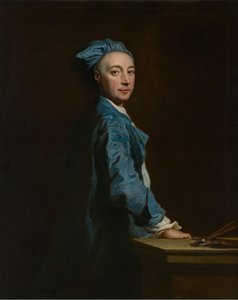
Joseph Highmore
1692 - 1780 , Iso Britannia
Pikatiedot
- Artistic Movement Or Style: Rokoko
- Artists Who Influenced This Artist:
- Kneller
- Rubens
- van Dyck
- Date Of Birth: 1692
- Date Of Death: 1780
- Full Name: Joseph Highmore
- Nationality: Brittiläinen
- Notable Artworks:
- Pamela-kuvat
- Matthew Bellin kuva
- Hagar ja Ishmael
- Place Of Birth: Londoo
Liittyvät artikkelit

The Allure of Elegance in Art: A Historical & Aesthetic Exploration of Refinement & Grace
Explore the exquisite world of Rococo art! Discover its history, masters (Watteau, Boucher & more), and defining elegance. Expert insights for collectors seeking museum-quality reproductions & custom portraits.

Rokokoon mestariteokset: Taidetta ja eleganssia kotiisi – OriginalUniqueArt.com
Uppoudu rokokoon maailmaan! Tutustu 10 mestariteokseen – Fragonard, Watteau ja muut. Taidetta, eleganssia & inspiraatiota kotiisi. Laadukkaat taideprintit OriginalUniqueArt.com:ssa. Explore the full collection online!

The Rococo Aesthetic: Opulence, Rebellion & the Pursuit of Pleasure in 18th-Century Art
Explore the opulent world of Rococo art! Discover its origins, key artists like Watteau & Boucher, and lasting influence on design. Expert insights for collectors & enthusiasts.
Viinin sielu seinillä: Taiteen kuratointi viinikellareissa ja maistohuoneissa – tunnelman luominen maisemien, symboliikan ja sisätilojen harmoniassa
Luo unohtumaton tunnelma viinitilallesi! Asiantuntijoiden vinkit taiteen kuratointiin, symbolismin käyttöön ja kohderyhmän huomioimiseen. Inspiraatiota laadukkaaseen sisustukseen ja brändäykseen.

Joseph Highmore: Moral Tales & Domestic Genre in 18th-Century British Art
Explore the captivating world of Joseph Highmore, a leading British Rococo painter. Discover his elegant portraits, insightful 'Pamela' illustrations & contributions to 18th-century art history. Learn more at OriginalUniqueArt.