
() ·
Sinulle käsin tehty maalaus
Käsinmaalattu öljyvärinen jäljennös
Käsinmaalattu öljyväri kankaalle haluamassasi koossa ja kehyksissä, taiteilijoidemme valmistamana tilauksesta. ( Vaihda tulosteeseen Siirry digitaaliseen kuvaan)
Keräilykohteen kuvaus
Admire 'North Shields' by John Wilson Ewbank (1825). A serene coastal oil painting in Romantic style, featuring sailing ships & atmospheric hues. Discover this captivating 19th-century artwork.
Taiteilijan elämäkerta
Discover John Wilson Ewbank, a Scottish landscape & marine painter (1799-1847). Admired for nature sketches & Edinburgh scenes, his work includes Scott illustrations & historical paintings.
 Lue lisää
alkaen ·
Luku 1
Kuinka suuren sen tulisi olla?
Vedä liukusäädintä vaihtaaksesi kokoa; vasemmalla oleva kuva näyttää kehyksen todellisen leveyden. Alkuperäiset mittasuhteet säilyvät.
Valitse valmiista mitoistamme sellaiset, jotka vastaavat teoksen alkuperäisiä mittasuhteita.

Kirjoita tarvitsemasi leveys ja korkeus, jotta teos sopii kehyksiisi tai seinällesi. Koska kyseessä on käsinmaalattu teos, taiteilija voi maalata hieman enemmän kuvan ympärille tai rajata sitä hieman, jos haluat eri muotoisen koon — valinta on sinun. Lähetämme sinulle digitaalisen mallikuvan hyväksyttäväksi ennen kuin maalaus alkaa. Tällä sivulla näkyvä kuva ei vastaa lopullista tulosta — vain mallikuva näyttää sen.
Luku 2
Miten teoksen tulisi saapua?
Valitse kangaspinnan reunat
Valitse kehys

Valkoinen reuna €1

pehmennetty reuna €1

Jatkuva reuna €1

P118B €10

P118H €10

P118W €10

P438Z €10

P508JH €12

P508YH €12

P805H €10

P805Z €10

P919BZ €10

P919G €10

P919XJ €10

P959ZH €10

P968JZ €12

W106C €8

W218G €10

W218JH €8

W218Y €10

W307PJ €10

W316G €10

W316PJ €8

W316Y €10

W398PJ €8

W4111J €10

W500HY €15

W500JH €15

W692G €12

W849H €8

W940BG €15

W953PJ €8

H24-GOLD €30

H24-SILVER €30

H36-GOLD €45

H36-SILVER €45
Kehystetty
Kehystys: . Kokonaismitat kehyksen kanssa: .
Luku 3
Kuka sen maalaa, ja pitäisikö mitään muuttaa?
Tilauksen jälkeen OriginalUniqueArt.com -tiimi lähettää asiakkaalle sähköpostia ohjeita varten ja toimittaa luonnoksen esikatselun
Maailmanlaajuinen toimitus () 3–4 viikossa tavallisen 5 viikon sijaan. (5 marraskuu). Laadusta ei tingitä.
Luku 4
Viimeiset silaukset
Nimikyltti, kuten museossa?
Kaiverretun pronssilaatan tiedot
This elegant plaque features the artist's name and the title of the artwork, finely engraved for a timeless presentation.
It is made from bronze with a refined, elegant finish. The text is precisely laser-engraved for a sharp and permanent result. Measuring 9x2 cm, the plaque is compact yet easy to read. It's built to be durable and scratch-resistant, offering a professional, museum-quality look. Mounting is simple thanks to the included adhesive backing.
Läpinäkyvän akryylilaatan tiedot
The plaque includes essential engraved details such as the artist's name, the title of the artwork, the date it was created, the type of media used-like oil on canvas or watercolor-a brief description of the piece, and a QR code that links to the complete artwork information.
It is crafted from clear acrylic, offering a sleek, modern appearance. The text is UV-engraved in black to ensure strong visual contrast. With a size of 10x15 cm, it ensures optimal readability. It comes equipped with two metal hooks for secure wall mounting. The plaque is designed to be weather-resistant, making it suitable for various environments, and it includes interactive features that work seamlessly with smartphone scanning.
Mustan akryylilaatan tiedot
This elegant plaque includes engraved information such as the artist's name, the title of the artwork, the date it was created, the type of media used (like oil on canvas or watercolor), a short description of the artwork, and a QR code for quick access to more information.
The plaque itself is made from refined black acrylic with a premium finish. The text is laser-engraved in white for high contrast and readability. Its size is 10x15 cm, designed to be easy to read. It comes with two metal hooks for professional mounting. The design is sleek and fits any interior style. It is also weather-resistant and durable, with built-in digital integration for mobile compatibility.
Suojaava lakka?
Milloin tarvitset sen?
Luku 5
Maalauksesi juuri niin kuin tilasit

North Shields
Reproduktiotekniikka
Replikaatin koko
-

Kokenut huipputaiteilija
Lisää yksityiskohtia, hienostuneisuutta ja enemmän aikaa tuotantoon
-

Reproduktion kehystysvaihtoehdot
-
-
Teoksille tai reproduktioille, joiden mikä tahansa sivu on suurempi kuin 105 cm (noin 41 tuumaa), kehys toimitetaan osina purettuna sarjana. Tämä menetelmä varmistaa turvallisen toimituksen ja ehkäisee vaurioita kuljetuksen aikana.
Vaatii ammattimaista kokoamista – kyseessä ei ole tee-se-itse-tuote.
Sarja on koottava ja kangas kiristettävä kokeneen kehystysammattilaisen toimesta käyttäen puuliimaa (ei sisälly pakkaukseen), kangaspinnetteitä ja puristimia, jotta kehyksen kulmat pysyvät suorina liiman kuivuessa. Virheellinen kokoaminen tai epätasainen kankaan kiristys voi vaurioittaa teosta pysyvästi, eikä tällaiset vauriot ala takuun piiriin.
 Teoksille tai reproduktioille, joiden mikä tahansa sivu on suurempi kuin 105 cm (noin 41 tuumaa), kehys toimitetaan osina purettuna sarjana. Tämä menetelmä varmistaa turvallisen toimituksen ja ehkäisee vaurioita kuljetuksen aikana.
Kaikki massiivipuupalat sisältyvät, tarkasti mittojen mukaan leikattuina.
Kootaan mukana tulevilla ruuveilla sekä kulmaliitoksia varten tarvittavalla puuliimalla, jota ei toimiteta, joten se on hankittava kehystäjältä.
Vaatii ammattilaisvälineitä, jotka eivät sisälly pakkaukseen: kankaan venytyspihdit (kiristin) ja puristimet, joilla pidetään kehyksen puut suorassa liiman kuivuessa.
Tärkeää:
Kulmaliitoksissa tarvitaan puuliimaa, kehyksien osat on pidettävä puristimilla, kunnes liima on täysin kuivunut, ja koottuun kehykseen jännitettävän kankaan kiristämiseen tarvitaan kangaspenssipihti. Mikään näistä ei sisälly pakkaukseen. Suosittelemme varmistamaan kokeneen kehystäjän saatavuuden ennen tämän kokoisen kehyksen tilaamista.

Nimilaatta
-
-

Suojalakkaus
Kiiltävä lakka (syventää värejä, suojaa valolta ja kosteudelta)
-

Mukauta taideteokseni
Esimerkkejä muokattavista asioista: Vaihda kasvot asiakkaan omaan valokuvaan; Lisää lemmikki (esim. vaihda kissa koiraan); Lisää taustalle piilotettu viesti; Muuta taustan maisemaa tai elementtejä.
-

Pikatoimitus
Maailmanlaajuinen toimitus () 3–4 viikossa tavallisen 5 viikon sijaan. (5 marraskuu). Laadusta ei tingitä.
-
Pikatoimitus
Maailmanlaajuinen toimitus () 5 viikon kuluessa. (12 marraskuu).
Sisältyy hintaan
Kokonaishinta
€ 267
Lasivaihtoehto on saatavilla vain alle 110 cm kokoisille teoksille
Sisältyy jokaiseen tilaukseen
- Ilmainen pikatoimitus ympäri maailman
- Korkealaatuinen pellavakangas
- Kattava kuljetusvakuutus
- Tulliveron palautustakuu
- Takuu täydellisestä värien vastaavuudesta
- 100 päivän palautusoikeus (vain valmistusvirheet)
- 100% rahat takaisin -takuu
- Määräalennus tarjolla


 Esikatselu
 Jaa teos
 Jaa
Jaa
 Tiedot
 Opas
Opas

 Lataa kuva
 Samanlaisia kohteita
 Röntgenkuvaus
 Diaesitys
 Kysymykset ja vastaukset
 Tilastot
Lukuina
- 1825teosvuosi
- 29valittavissa olevat kehykset
- standardikoot, omissa mittasuhteissaan
- 5viikkoja maalaamiseen ja toimitukseen
Tietoa alkuperäisteoksesta

- 23.0 x 33.0 cm


John Wilson Ewbank
1799 - 1847
Pikaaakkaukset taiteilijasta John Wilson Ewbank
- Full Name: John Wilson Ewbank
- Nationality: English
- Date Of Birth: 1799
- Date Of Death: 1847
- Place Of Birth: Darlington, England
- Notable Artworks:
- Visit George IV
- Alexander the Great
- Hannibal Alps
- Artistic Movement Or Style: Landscape/Marine
- Artists Who Influenced This Artist: ['Van der Velde']
Taiteilijan elämäkerta
John Wilson Ewbank: A Scottish Master of Light and Water
Born in Darlington, England, in 1799, John Wilson Ewbank’s artistic journey took him from the humble apprenticeship of a house painter to the esteemed ranks of the Royal Scottish Academy. His life, though tragically cut short at the age of forty-nine, was marked by a profound connection with the natural world, particularly the dramatic landscapes and shimmering waters of Scotland. Ewbank wasn't merely a recorder of scenery; he possessed an almost preternatural ability to capture light and atmosphere, imbuing his paintings with a sense of movement, depth, and quiet contemplation – qualities that have secured his place as a significant figure in 19th-century Scottish art.
Ewbank’s early life was shaped by an unexpected shift. Initially destined for the priesthood, he abandoned theological studies to pursue painting, apprenticed to Thomas Coulson in Newcastle. This initial training provided a foundation in ornamental painting, but it was his relocation to Edinburgh and subsequent lessons with Alexander Nasmyth, a renowned landscape painter himself, that truly ignited his artistic passion. Nasmyth’s influence is evident in Ewbank's early works – a deliberate adoption of the Dutch Masters’ techniques, particularly their masterful use of light and color to create atmospheric effects.
Early Works and Influences
Ewbank’s initial style was heavily influenced by the Romantic tradition, drawing inspiration from artists like Jacob van Ruisdael and Jan Vermeer. His early paintings often depicted scenes of coastal landscapes, harbor views, and dramatic skies – characterized by a meticulous attention to detail and a restrained palette. The influence of the Dutch masters is particularly striking in his depictions of light reflecting off water, creating an illusion of shimmering brilliance. He meticulously studied the effects of weather on the sea, capturing the subtle shifts in color and texture that signaled changing conditions.
However, Ewbank’s artistic development wasn't static. As he matured, a shift occurred in his style – a move towards greater expressiveness and a looser brushstroke. This transformation coincided with a period of personal struggle, marked by bouts of drink and financial hardship. Despite these challenges, Ewbank continued to produce remarkable works, often depicting grand historical scenes or dramatic coastal vistas. The Visit of George IV to Edinburgh, the Entry of Alexander the Great into Babylon, and Hannibal crossing the Alps stand as testaments to his versatility and enduring talent.
Notable Works and Techniques
Among Ewbank’s most celebrated paintings are his series of drawings of Edinburgh, commissioned for James Browne's *Picturesque Views of Edinburgh* in 1825. These meticulously rendered sketches capture the city’s architectural grandeur and atmospheric charm with remarkable precision. His cabinet pictures – detailed depictions of riverbanks, coastlines, and marine subjects – also gained considerable recognition. Ewbank was particularly adept at portraying the interplay between light and water, creating a sense of dynamism and movement in his compositions.
A prime example of this skill is “Shipping in the Harbour, South Shields,” a monumental work from 1863 that exemplifies Ewbank’s mastery of atmospheric perspective and color. The painting captures the bustling activity of a busy harbor, with ships of various sizes navigating through the choppy waters. The use of light and shadow creates a dramatic effect, highlighting the movement of the waves and the reflections on the water's surface. This work, now held in private collection, showcases Ewbank’s ability to convey both the grandeur and the inherent drama of the natural world.
Legacy and Historical Significance
Despite his struggles with poverty and alcoholism, John Wilson Ewbank left a lasting legacy as one of Scotland's most accomplished landscape painters. His works are held in prestigious collections worldwide, including the British Museum, the Glasgow School of Art Archives and Collections, the Victoria and Albert Museum, and the Edinburgh Libraries and Museums and Galleries. His paintings offer a valuable glimpse into 19th-century Scottish life and culture, reflecting both the beauty and the challenges of the era.
Ewbank’s influence extends beyond his individual works. He played a significant role in the establishment of the Royal Scottish Academy, becoming one of its founding members in 1830. His dedication to capturing the essence of Scotland's landscapes helped to shape the artistic identity of the nation and inspired generations of artists to come. His work continues to be admired for its technical skill, atmospheric beauty, and profound connection to the natural world.
Aiheeseen liittyvät artikkelit
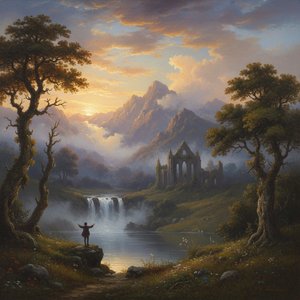
Evoking Emotion & Transcendence: Romantic Landscape Painting (18th-19th Century)
Explore the emotional depth of Romantic landscape painting (18th-19th century). Discover key artists like Friedrich & Cole, and the concepts of the sublime. Expert insights for art lovers & collectors.

Toimitus ja palautukset
APS tarjoaa asiantuntevaa maailmanlaajuista taidekuljetusta museotason huolenpidolla, täydellä seurannalla ja 100 päivän palautustakuulla. Alkaen tullitukipalvelusta Priority Productioniin asti voit luottaa läpinäkyvään palveluun, turvalliseen pakkaamiseen ja luotettavaan toimitukseen keräilijöille, suunnittelijoille ja gallerioille.

Romanttisen maisemamaalauksen mestariteokset: Taidetta ja inspiraatiota kotiin
Uppoudu romanttisen maisemamaalauksen maailmaan! Tutustu Caspar David Friedrichin, Turnerin ja muiden mestareiden ikonisiin teoksiin. Löydä inspiraatiota kotiisi taiteen avulla OriginalUniqueArt.comista – laadukkaat taideprintit ja sisustusideoita.

Evoking Nature's Sublime: A Comprehensive Exploration of 19th-Century Landscape Painting
Explore the captivating world of 19th-century landscape painting! Discover renowned artists like Friedrich & Monet, key movements, and find the perfect artwork to bring nature's serenity into your home. Expert insights at OriginalUniqueArt.