
 Esikatselu
 Jaa teos
 Jaa
Jaa
 Tiedot
 Opas
Opas

 Lataa kuva
 Samanlaisia kohteita
 Röntgenkuvaus
 Diaesitys
 Q&A
Q&A Tilastot
Satyr and Peasant

- 195.0 x 204.0 cm


 Lue lisää
Giclée- ja taideprintit
Museolaatuisia giclée- tai kankaitaulun tulosteita nopealla tuotannolla ja joustavilla viimeistelyvaihtoehdoilla. ( Osta käsinmaalattu taideteos Siirry digitaaliseen kuvaan)




P118B €10

P118H €10

P118W €10

P438Z €10

P508JH €12

P508YH €12

P805H €10

P805Z €10

P919BZ €10

P919G €10

P919XJ €10

P959ZH €10

P968JZ €12

W106C €8

W218G €10

W218JH €8

W218Y €10

W307PJ €10

W316G €10

W316PJ €8

W316Y €10

W398PJ €8

W4111J €10

W500HY €15

W500JH €15

W692G €12

W849H €8

W940BG €15

W953PJ €8




Valitse valmiista mitoistamme sellaiset, jotka vastaavat teoksen alkuperäisiä mittasuhteita.

Syötä tarvitsemasi leveys ja korkeus, jotta tuloste sopii kehyksiisi tai seinällesi. Tulostetta voidaan vain leikata, sitä ei voida koskaan suurentaa alkuperäistä kuvaa suuremmaksi, joten eri muotoinen koko aiheuttaa osan kuvasta katoamisen. Lähetämme sinulle digitaalisen mallikuvan hyväksyttäväksi ennen kuin aloitamme tulostuksen. Tällä sivulla näkyvä kuva ei näytä lopullista rajausta — vain mallikuva näyttää sen.
Maailmanlaajuinen toimitus () 2 viikossa tavallisen 4–5 viikon sijaan. (31 lokakuu)

Ilmainen pikatoimitus ympäri maailman

Korkealaatuinen pellavakangas

Kattava kuljetusvakuutus

Tulliveron palautustakuu

Takuu täydellisestä värien vastaavuudesta

100 päivän palautusoikeus (vain valmistusvirheet)

100% rahat takaisin -takuu

Määräalennus tarjolla
 Lasivaihtoehto on saatavilla vain alle 110 cm kokoisille teoksille

Satyr and Peasant
Giclée- ja taideprintit
Replikaatin koko
-


Kokonaishinta
€ 71
The Satyr and the Peasant: A Flemish Baroque Masterpiece
Jacob Jordaens’ “Satyr and the Peasant,” painted around 1620, isn't merely a depiction of a tavern scene; it’s a vibrant embodiment of Flemish life, a shrewd commentary on human nature, and a testament to the artist’s masterful command of light, color, and storytelling. This monumental work, now housed in the Alte Pinakothek in Munich, immediately draws the viewer into a bustling interior filled with an intoxicating blend of merriment and mischief – a scene that feels both utterly familiar and profoundly captivating.
At first glance, the painting presents a seemingly simple tableau: a satyr, his features delightfully grotesque and adorned with animalistic details, engages in a boisterous feast alongside a peasant family. A young woman, presumably the wife, is feeding her child while a man sits beside her, enjoying the revelry. Yet, beneath this surface lies a complex web of symbolism rooted in Aesop’s fable – “The Satyr and the Traveller” – which serves as the painting's central narrative thread. The fable itself warns against duplicity and inconsistency, highlighting the danger of someone who can offer warmth and kindness one moment while harboring deceitful intentions the next.
A Symphony of Light and Color
Jordaens’ technique is a cornerstone of the painting’s enduring appeal. He employs a dramatic chiaroscuro – a stark contrast between light and shadow – to sculpt the figures and create a palpable sense of depth within the room. The warm, golden light emanating from the hearth and illuminating the table creates an inviting atmosphere, while pockets of darkness suggest hidden corners and unspoken tensions. Notice how Jordaens masterfully uses color; the rich reds and browns of the furniture and clothing contrast sharply with the paler hues of the figures, drawing our attention to key elements within the composition.
The artist’s brushwork is remarkably loose and expressive, characteristic of the Flemish Baroque style. He doesn't meticulously render every detail but instead focuses on capturing the essence of each figure – their gestures, expressions, and interactions. This approach imbues the scene with a sense of immediacy and vitality, as if we are witnessing a spontaneous moment frozen in time.
Symbolism and Social Commentary
Beyond the fable’s warning against duplicity, “The Satyr and the Peasant” offers a subtle critique of social hierarchies. The satyr, representing indulgence and unrestrained pleasure, is positioned at the center of the scene, seemingly in control of the festivities. However, his behavior – blowing on his food, offering it to the peasant family – suggests a playful mockery of those in positions of authority. The peasant family, in contrast, embodies humility and simplicity, accepting the satyr’s generosity with grace.
The inclusion of a dog adds another layer of symbolism, representing loyalty and companionship. It's a small detail that subtly reinforces the painting's message about the importance of genuine connection and trust. The presence of multiple figures – men, women, children – further emphasizes the communal nature of Flemish society and the shared experience of everyday life.
A Timeless Appeal
“The Satyr and the Peasant” remains a powerfully evocative work of art centuries after its creation. Jordaens’ ability to capture the complexities of human interaction, combined with his masterful use of light, color, and symbolism, ensures that this painting continues to resonate with viewers today. It's a celebration of life, laughter, and the enduring power of storytelling – a timeless masterpiece that invites us to contemplate our own relationships and the choices we make.
Consider commissioning a high-quality reproduction to bring this remarkable scene into your home or office. It’s more than just a painting; it's a window into a vibrant past, a reminder of the joys of human connection, and a testament to the enduring legacy of Jacob Jordaens.
Kysymykset ja vastaukset
Mikä on teoksen Jacob Jordaens:n "Satyr and Peasant" luminanssi?
Teoksen Jacob Jordaens:n "Satyr and Peasant" luminanssi on Dark.
Mitä aiheita teoksessa Jacob Jordaens:n "Satyr and Peasant" esiintyy?
Jacob Jordaens:n "Satyr and Peasant" esittää: flemish painting, satyr, peasant, tavern scene, allegory, feast, revelry, jordaens.
Minkälaisen tunnelman Jacob Jordaens:n "Satyr and Peasant" välittää?
"Satyr and Peasant" välittää Nostalgic tunnelman. Emotionaalinen sävy kuvaa teoksen antamaa vaikutelmaa.
Taiteilijan elämäkerta
Jacob Jordaens: Elämän ja juhlan mestari
Jacob Jordaens syntyi Antwerpenin varakkaassa kauppaperheessä vuonna 1593, ja hän nousi merkittäväksi ja eläväksi ääneksi flaamilaisten barokkien keskuudessa. Toisin kuin monet hänen aikansa taiteilijat, jotka etsivät koulutusta Italiasta, Jordaens pysyi uskollisena kotimaalleen, Flämäläisessä, kehittäen ainutlaatuisen vahvan ja maanläheisen tyylin, joka juhli elämän ja arkielämän iloja. Hänen isänsä, menestyvä lankkutukkuliikemies, tarjosi hänelle mukaisen lapsuusympäristön, mahdollistaen koulutuksen, joka sopi hänen sosiaaliseen asemaansa ennen kuin hän aloitti taiteellisen uransa Adam van Noortin johdollaan – myös Peter Paul Rubensin opettajana. Tämä muotoileva koulutus antoi Jordaensille perustan huolelliselle tekniikalle ja syvälliselle komposiitiosuhteelle, mutta hän poikkesi nopeasti luomalla oman ainutlaatuisen polkunsa. Vuonna 1616, vahvistaen yhteyttään Antwerpenin vakiintuneeseen taiteelliseen maailmaan, hän meni naimisiin van Noortin tyttären, Anna Katharinen kanssa.Maalaaja kylän juhlista ja barokki-maailman loistoa
Jordaensin taiteellinen tuotanto oli poikkeuksellisen monipuolista, kattaen uskonnollisia tarinoita, myyttisiä kohtauksia, allegorisia teoksia, elämää tihkuvia genremaalauksia ja jopa portretteja. Hän on kuitenkin parhaiten muistettu boheemisten maalauksensa kylän juhlista ja tavernikohtauksista – työt, jotka säteilevät tuntevaisuutta ja hillittömää iloa maan päälläisistä nautinnoista. Maalaukset kuten *Kuninkaan juominen* (tai Bean Kingin juhla) ovat tästä tyypillisimpiä: ruuhkaiset kompositiot, joissa on vahvoja hahmoja, jotka ovat innokkaasti osallistuneet vilkkaaseen juhlaan, maalattu lämpimin värein ja dramaattisella varjo-valon leikillä. Nämä kohtaukset eivät olleet pelkästään iloisia juhlia; ne heijastivat usein monimutkaista suhdetta nautinnolle ja hillityisyydelle, joka oli vallitseva 1600-luvun yhteiskunnassa. Kuitenkin Jordaens osallistui myös suurempiin, muodollisempiin komissioihin. Hänen roolinsa Huis ten Bosch -palatsin koristelussa Haagissa – yhdessä Rubensin kanssa – osoitti hänen kykyään luoda monumentaalisia allegorisia teoksia, jotka integroivat saumattomasti maalausta ja arkkitehtuuria.Vaikutukset ja ainutlaatuinen taiteellinen ääni
Vaikka Jordaens ei matkannut Italiaan, kuten monet hänen aikansa flaamilaista taiteilijoita tekivät, hän oli syvästi vaikuttanut italialaisten mestareiden, kuten Jacopo Bassanon, Paolon Veronen ja Caravaggion, työhön. Näiden taiteilijoiden teokset saapuivat Flämäläiseen maahan painoksina ja maalauksina muiden taiteilijoiden tuomien kautta. Caravaggion vaikutus on erityisen selvä hänen teoksissaan dramaattisessa valon ja varjon käytössä, tekniikassa, jota kutsutaan *tenebrismiksi*, joka korostaa kohtauksien tunnesyvyyttä. Kuitenkin Jordaens ei vain kopioinut näitä vaikutteita; hän yhdisti ne omaan flaamilaiseen tyyliinsä luoden oman ainutlaatuisen tyylinsä. Hän erosi Rubensin ja Van Dyckin joukosta suosimalla realismia idealismin sijaan, omaksuen suoremman ja raadollisemman lähestymistavan ihmisen muodon kuvaamiseen. Hänen hahmonsa ovat usein vahvoja, jopa lihavia, heidän kasvonsa punaisia ja terveitä. Tämä sitoutuminen realismiin yhdistettynä hänen mestarilliseen värien ja komposiiton hallintaan erotti hänet aikalaistensa joukosta ja vakiinnutti hänen asemansa merkittävänä flaamilaisten barokkiajan taiteilijana.Vaikutukset ja kestävä vaikutus
Pitkän ja tuotteliaan uransa aikana Jordaens koulutti lukuisia oppilaita – viralliset luvut St. Luken liitosta olivat 15 vuotta, 1621–1667 – varmistaen taiteellisen perintönsä jatkumisen. Hänen vaikutuksensa näkyy myöhempien taiteilijoiden työssä, kuten Jan Steenissä, joka jakoi hänen intohimonsa elävien genrekohtausten kuvaamiseen. Jordaensin vaikutus ulottui kuitenkin myös muiden taiteilijoiden ohi; hän oli klassisesti inspiroituneiden kylän juhlatemojen keskeinen henkilö, joka haastoi perinteiset hierarkiat ja juhli arkielämän kunniaa. Jopa nykyään hänen maalauksensa vangitsevat edelleen yleisön huomion energian, eläväisyyden ja aidon ihmiskokemuksen kuvauksellaan. Hänen kyvynsä yhdistää realismia allegoriikkaan, sensualiteettia moraaliin ja loistoa intiimiin luo hänet yhtenä barokin kiehtovimmista ja kestävimmistä hahmoista.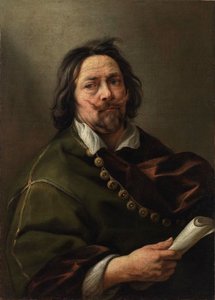
Jacob Jordaens
1593 - 1678 , Belgia
Pähkinänkuoressa
- Artistic Movement Or Style: Barokki
- Artists Or Movements Influenced By This Artist: ['Jan Steen']
- Artists Who Influenced This Artist:
- Rubens
- Van Noort
- Date Of Birth: 1593-05-19
- Date Of Death: 1678-10-18
- Full Name: Jacob Jordaens
- Nationality: Flemish
- Notable Artworks:
- The King Drinks
- Argus ja Mercuri
- Place Of Birth: Antwerpen, Belgia
Aiheeseen liittyvät artikkelit

Barokin loisto: Kuinka tuoda ylellisyyttä ja tunnetta nykyaikaiseen sisustukseen
Tutustu barokki sisustuksen loistoon! Opi luomaan ylellistä ja tunnelmallista kotia historiallisen tyylin inspiroimana. Vinkkejä, esimerkkejä ja in apua.
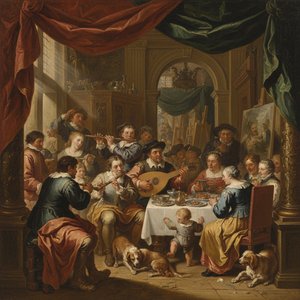
Jacob Jordaens: Baroque Dynamism & Genre Innovation of the Antwerp School
Discover Jacob Jordaens, a leading Flemish Baroque painter renowned for his dynamic compositions & realistic genre scenes. Explore his life, art, and lasting influence with OriginalUniqueArt.

Mastering Drama and Light: A Definitive Guide to the Flemish Baroque Art Movement
Explore the dramatic brilliance of the Flemish Baroque movement. Discover how masters like Peter Paul Rubens utilized chiaroscuro and dynamic composition to redefine art history through light, shadow, and unparalleled emotion.

The Majesty of Flemish Baroque: A Definitive Guide to Drama, Color, and Grandeur in 17th-Century Masterpieces
Explore the grandeur of Flemish Baroque art. Uncover the dramatic legacy of Peter Paul Rubens and the mastery of light and color. Discover museum-grade, hand-painted oil reproductions and custom commissions at OriginalUniqueArt.com—where history meets fine craftsmanship.
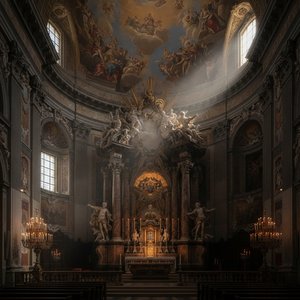
Drama and Light: Discover the Captivating Grandeur of Baroque Art
Immerse yourself in the dramatic splendor of Baroque art. Explore the profound impact of light, shadow, and the Counter-Reformation through an expert historical lens, celebrating the masters who defined an era of unparalleled grandeur and emotional intensity.


