

 Esikatselu
 Jaa
Jaa Jaa
Jaa
 Tarkemmat tiedot

 Lataa
Lataa
 Samanlaisia
 Röntgenkuva
 Diaesitys
Emperor Rudolf II
 Oil On Canvas
- WallArt
- Northern Mannerism
 1607
1607 60.0 x 58.0 cm
 Kunsthistorisches Museum
 Näytä lisää
Giclée-printit ja taideprintit
Museolaatuisia giclée- tai kankaitaulun tulosteita nopealla tuotannolla ja joustavilla viimeistelyvaihtoehdoilla. ( Osta käsintehty maalaus Osta kuva)




P118B $10

P118H $10

P118W $10

P438Z $10

P508JH $12

P508YH $12

P805H $10

P805Z $10

P919BZ $10

P919G $10

P919XJ $10

P959ZH $10

P968JZ $12

W106C $8

W218G $10

W218JH $8

W218Y $10

W307PJ $10

W316G $10

W316PJ $8

W316Y $10

W398PJ $8

W4111J $10

W500HY $15

W500JH $15

W692G $12

W849H $8

W940BG $15

W953PJ $8




Valitse valmiista mitoistamme sellaiset, jotka vastaavat teoksen alkuperäisiä mittasuhteita.

Voit syöttää omat mitat sopiaksesi tiettyyn kehykseen tai tilaan. Jos valittu koko ei vastaa alkuperäisen kuvan mittasuhteita, rajaamme teosta tai laajennamme kuvaa peilatulla tai yhtenäisellä reunalla. Digitaalinen mallikuva lähetetään hyväksyttäväksi ennen tuotannon aloittamista.
Huomaathan, että näytöllä näkyvä esikatselu ei vastaa lopullista rajausta tai laajennusta. Vain mallikuva näyttää lopullisen sommittelun tarkasti.
Vaikka räätälöityjä kokoja on saatavilla, suosittelemme valitsemaan mitat valmiista listasta alkuperäisten mittasuhteiden säilyttämiseksi.
Toimitus maailmanlaajuisesti () kahdessa viikossa tavallisen 4–5 viikon sijaan. (21 elokuu)

Ilmainen pikatoimitus ympäri maailman

Korkealaatuinen pellavakangas

Kattava kuljetusvakuutus

Tulliveron palautustakuu

Täydellinen värien vastaavuustakuu

60 päivän palautusoikeus (vain valmistusvirheet)

100% rahat takaisin -takuu

Määräalennus tarjous
 Lasivaihtoehto on saatavilla vain alle 110 cm kokoisina teoksina

Emperor Rudolf II
Giclée-printit ja taideprintit
Replikaatin koko
-


Kokonaishinta
$ 80
Teoksen kuvaus
The Imperial Gaze: Hans von Aachen’s Portrait of Emperor Rudolf II
Hans von Aachen's “Portrait of Emperor Rudolf II,” painted in 1607, is more than just a likeness; it’s a carefully constructed tableau of power, intellect, and the burgeoning anxieties of a man grappling with his role as Holy Roman Emperor. This oil-on-canvas masterpiece, measuring 60 x 58 cm and currently residing within the Kunsthistorisches Museum in Vienna, offers a rare glimpse into the mind of Rudolf II, a ruler renowned for both his lavish patronage of the arts and his ultimately disastrous handling of European politics.
The painting immediately commands attention with its dramatic use of space and light. The Emperor is positioned centrally within a deep, almost impenetrable black background – a deliberate choice that serves to isolate him, elevating him to an almost mythical status. This darkness isn’t merely decorative; it speaks to the weight of his responsibilities, the isolation inherent in leadership, and perhaps even hints at the melancholy that would later define his reign. The focus is entirely on Rudolf's face – a study in controlled severity. His gaze, direct and unwavering, holds an air of contemplative power, suggesting both wisdom and a certain weariness.
A Mannerist Masterpiece: Style and Technique
Von Aachen’s style firmly places this portrait within the realm of Northern Mannerism, a movement characterized by its meticulous detail, elongated figures, and often unsettling psychological depth. He expertly employs the techniques of oil painting to achieve remarkable realism – the texture of the velvet robes, the intricate folds of the ruff collar, and the subtle nuances of Rudolf’s facial features are rendered with astonishing precision. Notice particularly the rendering of the beard and mustache; each strand appears meticulously painted, contributing to a sense of tangible presence.
The artist's use of glazing – layering thin washes of translucent paint over dried layers – creates an incredible luminosity, particularly in the highlights that catch the light on Rudolf’s face. This technique not only enhances the realism but also imbues the portrait with a subtle, almost ethereal quality. The composition itself is carefully balanced, utilizing strong lines to define the contours of the figure and creating a sense of solidity and structure. The restrained palette – dominated by deep reds, browns, and blacks – further emphasizes the formality and gravitas of the subject.
Rudolf II: A Complex Figure
Understanding the historical context surrounding Rudolf II is crucial to appreciating this portrait fully. He was a man of immense wealth and intellectual curiosity, a passionate collector of art, books, and scientific instruments – a veritable Renaissance man who ruled from Prague. However, his reign was marked by political instability, costly wars, and ultimately, the devastating Thirty Years’ War. His eccentricities and seclusion contributed to his inability to effectively govern, leading to widespread discontent and rebellion.
The portrait captures this duality – the outward appearance of imperial authority juxtaposed with an underlying sense of introspection and perhaps even unease. The elaborate ruff collar, a symbol of status and wealth, is offset by the Emperor’s somber expression. It's a visual representation of a man caught between his responsibilities as ruler and his own internal struggles. Interestingly, Rudolf II was particularly fond of eroticized mythological scenes in art, suggesting a hidden sensuality beneath his formal exterior – a theme subtly echoed in some of von Aachen’s other works.
Symbolism and Legacy
Beyond the immediate depiction of Emperor Rudolf II, the portrait is rich in symbolic meaning. The crown, prominently displayed, represents his authority and divine right to rule. The dark background can be interpreted as a metaphor for the challenges he faced – the shadows of war, political intrigue, and personal anxieties that surrounded him. Von Aachen’s meticulous attention to detail reflects the importance placed on appearances during the Renaissance, highlighting the need for rulers to project an image of strength and stability.
“Portrait of Emperor Rudolf II” remains a significant work of art, offering a compelling glimpse into the life and mind of one of Europe's most enigmatic figures. It’s a testament to Hans von Aachen’s skill as a painter and his ability to capture not just a likeness but also the essence of a complex historical personality. Reproductions of this captivating portrait continue to resonate with art lovers today, inviting us to contemplate the burdens of power and the enduring allure of the Renaissance ideal.
Taiteilijan elämäkerta
nuoruus ja taiteellinen koulutus
hans von aachen, saksalainen mestari, syntyi vuonna 1552 Kölnin kaupungissa. Hänen varhaisista vuosistaan tiedetään vain vähän, mutta uskotaan, että hän sai taiteellisen koulutuksensa paikallisen maalarin, leonardus sievenhovenin, työpajassa.taiteellinen tyyli ja vaikutteet
von aachenin teokset tunnetaan eloisista väreistä ja dramaattisista sommitelmistä, jotka ovat tyypillisiä manieristiselle tyylille. Hänen maalauksissaan esiintyy usein pitkänomaisia hahmoja, monimutkaisia yksityiskohtia ja jännitteistä tunnelmaa, johon vaikutti voimakkaasti el greco (domenikos theotokopoulos). Hänen merkittävimpiin teoksiinsa kuuluvat muun muassa:- ristisaatuna (1585), maalaus, joka ilmentää hänen taitoaan käyttää rohkeita värejä ja dramaattista valoa.
- viimeinen tuomio (1590), teos, joka osoittaa hänen kykynsä tasapainottaa useita hahmoja yhdessä sommitelmassa.
- tuntemattoman naisen muotokuva (1595), joka korostaa hänen kykyään vangita inhimillisen ilmeen hienovaraisuudet.
merkittävät kokoelmat ja näyttelyt
von aachenin teoksia on esillä useissa museoissa, kuten:- Gemäldegalerie Alte Meister, Dresden, Saksa – museo, jossa on laaja kokoelma eurooppalaisia maalauksia 1400-luvulta 1700-luvulle.
- Museum Ostdeutsche Galerie, Regensburg, Saksa – joka esittelee ainutlaatuisen kokoelman itäsaksalaista taidetta.
perintö
hans von aachen kuoli vuonna 1615 jättäen jälkeensä perinnön monimutkaisista ja tunteikkaista maalauksista. Hänen työnsä jatkaa inspiroimista taiteilijoita ja taiteen ystäviä, tarjoten ainutlaatuisen näkymän manieristisen taiteen maailmaan. löydä lisää tietoa hans von aachenin elämästä ja teoksista OriginalUniqueArt.com-sivustolla: [https://OriginalUniqueArt.com/@@/a@d3aquv](https://OriginalUniqueArt.com/@@/a@d3aquv) | tutustuminen Museum Ostdeutsche Galerie -museoon (Saksa)
Hans Von Aachen
1552 - 1615 , Saksa
Pikatiedot
- Artistic Movement Or Style: Manneristinen maalaus
- Artists Or Movements Influenced By This Artist: ['Renessanssitaide']
- Artists Who Influenced This Artist: ['El Greco']
- Date Of Birth: 1552 Köln, Saksa
- Date Of Death: 1615
- Full Name: Hans von Aachen
- Nationality: Saksalainen
- Notable Artworks:
- Ristiinnaulitseminen
- Viimeinen tuomio
- Tuntemattoman naisen muotokuva
- Place Of Birth: Köln
Liittyvät artikkelit
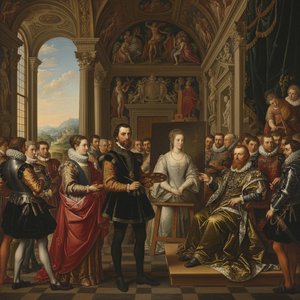
Hans von Aachen: Mannerism's Courtly Visionary & Imperial Portraiture
Explore the captivating world of Hans von Aachen, a leading Mannerist painter renowned for his exquisite imperial portraits & mythological scenes. Discover his legacy and influence on 16th-century European art.
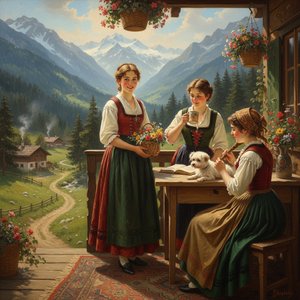
Eugen von Blaas: Capturing Alpine Life & Sentiment in 19th-Century Austrian Painting
Discover the captivating world of Eugen von Blaas! Explore his exquisite 19th-century paintings capturing Venetian life & Alpine beauty. Learn about his Academic Classicism style and find museum-quality reproductions at OriginalUniqueArt.

Anton von Werner: Imperial Painter, Historical Witness & Shifting German Identity
Explore the life & work of Anton von Werner, Imperial Germany's leading painter. Discover his dramatic depictions of war, unification, and court life – a fascinating insight into 19th-century German history & art.

Hans Holbein the Younger: A Renaissance Portraitist's Mastery of Realism & Psychological Insight
Explore the life & art of Hans Holbein the Younger, a Renaissance master renowned for his strikingly realistic portraits and psychological insight. Discover iconic works like 'The Ambassadors' and delve into his lasting legacy.

Friedrich von Amerling: Capturing Viennese Aristocracy & the Biedermeier Spirit
Explore the elegant portraits of Friedrich von Amerling, a master of Viennese Biedermeier art. Discover his life, style, and lasting influence on 19th-century Austrian painting. Find high-quality reproductions at OriginalUniqueArt.

