Esikatselu
 Jaa teos
 Jaa
Jaa
 Tiedot
 Opas
Opas

 Lataa kuva
 Samanlaisia kohteita
 Röntgenkuvaus
 Diaesitys
 Q&A
Q&A Tilastot
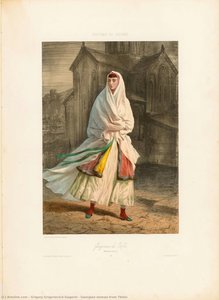
Kurdi Ararat
 Akryyli kankaalle
- Seinätaide
- Romantic realism
 1855
1855 59.0 x 42.0 cm
 Art Palace of Georgia - Museum of Cultural History
 Lue lisää
Giclée- ja taideprintit
Museolaatuisia giclée- tai kankaitaulun tulosteita nopealla tuotannolla ja joustavilla viimeistelyvaihtoehdoilla. ( Osta käsinmaalattu taideteos Siirry digitaaliseen kuvaan)




P118B €10

P118H €10

P118W €10

P438Z €10

P508JH €12

P508YH €12

P805H €10

P805Z €10

P919BZ €10

P919G €10

P919XJ €10

P959ZH €10

P968JZ €12

W106C €8

W218G €10

W218JH €8

W218Y €10

W307PJ €10

W316G €10

W316PJ €8

W316Y €10

W398PJ €8

W4111J €10

W500HY €15

W500JH €15

W692G €12

W849H €8

W940BG €15

W953PJ €8




Valitse valmiista mitoistamme sellaiset, jotka vastaavat teoksen alkuperäisiä mittasuhteita.

Syötä tarvitsemasi leveys ja korkeus, jotta tuloste sopii kehyksiisi tai seinällesi. Tulostetta voidaan vain leikata, sitä ei voida koskaan suurentaa alkuperäistä kuvaa suuremmaksi, joten eri muotoinen koko aiheuttaa osan kuvasta katoamisen. Lähetämme sinulle digitaalisen mallikuvan hyväksyttäväksi ennen kuin aloitamme tulostuksen. Tällä sivulla näkyvä kuva ei näytä lopullista rajausta — vain mallikuva näyttää sen.
Maailmanlaajuinen toimitus () 2 viikossa tavallisen 4–5 viikon sijaan. (28 lokakuu)

Ilmainen pikatoimitus ympäri maailman

Korkealaatuinen pellavakangas

Kattava kuljetusvakuutus

Tulliveron palautustakuu

Takuu täydellisestä värien vastaavuudesta

100 päivän palautusoikeus (vain valmistusvirheet)

100% rahat takaisin -takuu

Määräalennus tarjolla
 Lasivaihtoehto on saatavilla vain alle 110 cm kokoisille teoksille

Kurdi Ararat
Giclée- ja taideprintit
Replikaatin koko
-


Kokonaishinta
€ 71
Grigory Gagarin: A Vision of Caucasian Identity
Grigory Grigorievich Gagarin (1810-1893) stands as a singular figure in 19th-century Russian art, blending aristocratic lineage with artistic ambition and diplomatic service. Born into the noble Rurikid Gagarin family – his father, Prince Grigory Ivanovich Gagarin, served as Russia’s ambassador to Italy – Gagarin's upbringing instilled within him a cosmopolitan outlook that profoundly shaped his creative endeavors. Despite lacking formal artistic training, he benefited from invaluable instruction from Karl Briullov, arguably the most celebrated painter of his era, fostering an understanding of Romantic aesthetics and masterful technique. This confluence of influences propelled Gagarin into a prolific artistic career marked by collaborations with literary giants like Alexander Pushkin and Mikhail Lermontov, cementing his place as a visual interpreter of Russia’s cultural landscape.- Subject Matter: Gagarin's oeuvre centered on capturing the essence of Caucasian peoples—specifically Kurds—a subject that reflects both his fascination with ethnographic observation and his engagement with the burgeoning Romantic interest in exotic cultures. His depictions weren’t merely portraits; they were attempts to distill the spirit of a region undergoing significant transformation during the Crimean War era.
- Style: Gagarin's artistic style aligns closely with Romanticism, characterized by dramatic lighting, expressive brushwork, and an emphasis on conveying emotion rather than strict realism. He skillfully employed chiaroscuro—the interplay of light and shadow—to sculpt form and imbue his subjects with psychological depth.
- Technique: Gagarin predominantly utilized oil paint on canvas, demonstrating exceptional control over texture and color. His meticulous attention to detail is evident in the rendering of fabrics, costumes, and facial expressions, reflecting Briullov’s influence and highlighting a commitment to capturing nuanced visual information.
- Provenance: The artwork is housed at the Art Palace of Georgia – Museum of Cultural History (Tbilisi, Georgia).
- Material: Oil paint on paper
Kysymykset ja vastaukset
Onko Grigori Grigorevitš Gagarin:n "Kurdi Ararat" pysty-, vaaka- vai neliökompositio?
Grigori Grigorevitš Gagarin:n "Kurdi Ararat" on Pystyasento-muotoinen sommitelma. Suhteet kannattaa tarkistaa ennen tulostekoon valitsemista.
Mikä tulostusasetus on suositeltava teokselle Grigori Grigorevitš Gagarin:n "Kurdi Ararat"?
Grigori Grigorevitš Gagarin:n "Kurdi Ararat"-teoksen painattamiseen suositellaan kokoa Suuri ja Pystyasento-suuntausta.
Millaista tunnelmaa Grigori Grigorevitš Gagarin:n "Kurdi Ararat" -teoksen reproduktio toisi huoneeseen?
Grigori Grigorevitš Gagarin:n "Kurdi Ararat" -teoksen Elegantti tunnelma sopii täydellisesti sen suositeltuun tilaan: Hotellin aula.
Taiteilijan elämäkerta
Grigory Gagarin (1810 – 1893): A Painter's Journey Through Caucasus and Literature
Grigory Grigorievich Gagarin (1810 – 1893) stands as a singular figure in Russian art history—a diplomat, administrator, and above all, an artist whose canvases captured the spirit of his era. Born into the noble Rurikid Gagarin family in Saint Petersburg, Gagarin’s artistic path wasn't paved by formal instruction but rather nurtured by the mentorship of Karl Briullov, a titan of Romantic painting who instilled in him a profound appreciation for observation and expressive technique. This formative influence would shape his distinctive style—characterized by meticulous detail and imbued with an emotional resonance that distinguishes it from many contemporaries.- Early Life & Education: Gagarin’s childhood was spent largely in Italy, where he benefited from Briullov's guidance and immersed himself in the artistic milieu of Rome. His studies at Siena’s Collegium Ptolemy solidified his foundational knowledge of art history and broadened his intellectual horizons.
- Literary Connections & Artistic Inspiration: Gagarin’s artistic sensibilities flourished alongside his engagement with Russia’s literary luminaries—Alexander Pushkin and Mikhail Lermontov. He became a devoted illustrator of Pushkin's masterpieces, “The Queen of Spades” and “The Tale of Tsar Saltan,” capturing the dramatic tension and poetic beauty of these narratives with remarkable fidelity.
- Diplomatic Service & Artistic Travels: Gagarin’s career as a diplomat spanned Paris, Rome, Constantinople, and Munich, providing him with invaluable experience in navigating international relations while simultaneously exposing him to diverse cultures and landscapes. Notably, his voyage aboard the brig “Themistocles” from Athens to Constantinople fueled his fascination with the Caucasus region—a subject that would occupy much of his artistic output.
- Caucasus Landscapes & Portraiture: Gagarin’s oeuvre is particularly celebrated for its depictions of Caucasian scenery—lush valleys, towering mountains, and vibrant ethnographic details rendered with breathtaking precision. His portraits, notably “Circassian Woman” and “A Priest from Armenia,” exemplify his skill in capturing the psychological depth and subtle nuances of human expression.
- Legacy & Artistic Style: Gagarin’s artistic style aligns closely with Romanticism—characterized by an emphasis on emotion, imagination, and subjective experience. He skillfully blended meticulous observation with expressive brushwork, creating images that convey both visual splendor and profound emotional impact. His works reside in prominent museums across Russia and beyond, ensuring his enduring contribution to the canon of Russian art.
- Caucasian Prince: (59 x 42 cm) Art Palace of Georgia – Museum of Cultural History, Tbilisi, Georgia
- Circassian Woman: (59 x 42 cm) Art Palace of Georgia – Museum of Cultural History, Tbilisi, Georgia
- A Priest from Armenia: (59 x 42 cm) Art Palace of Georgia – Museum of Cultural History, Tbilisi, Georgia
- Kurds from Ararat: (59 x 42 cm) Art Palace of Georgia – Museum of Cultural History, Tbilisi, Georgia
- Georgian Man: (59 x 42 cm) Art Palace of Georgia – Museum of Cultural History, Tbilisi, Georgia

Grigori Grigorevitš Gagarin
1810 - 1893 , Venäjä
Pähkinänkuoressa
- Artistic Movement Or Style: Romanticism
- Artists Who Influenced This Artist: ['Karl Briullov']
- Date Of Birth: May 29 April 1810
- Date Of Death: January 30 January 1893
- Full Name: Grigory Grigorievich Gagarin
- Nationality: Russian
- Notable Artworks:
- Caucasian Prince
- Circassian Woman
- A Priest from Armenia
- Kurds from Ararat
- Georgian Man
- Place Of Birth: Saint Petersburg, Russia
Aiheeseen liittyvät artikkelit
Iconic Art of the 18th & 19th Centuries: Masterpieces for Your Home | OriginalUniqueArt
Journey through 18th & 19th century art! Explore iconic masterpieces by Monet, Van Gogh & more. Discover the stories behind these timeless paintings and find museum-quality reproductions for your home at OriginalUniqueArt.com.
1800-luvun Taidemestarinäytteet: 10 Teosta, Jotka Määrittelevät Aikakauden
Uppoudu 1800-luvun taiteen maailmaan! Tutustu 10 ikoniseen maalaukseen – impressionismista realismiin. Taiteilijoiden tarinat, tekniikat ja ajattomat mestariteokset odottavat. Löydä inspiraatiota sisustukseesi OriginalUniqueArt.com:ssa.

Reflections of an Era: Identity & Social Commentary in 19th-Century Portraiture
Explore the captivating world of 19th-century portraiture! Discover key artists, movements like Realism & Impressionism, and the powerful social commentary embedded within these iconic artworks. Expert insights at OriginalUniqueArt.
Niko Pirosmani: A Georgian Visionary – Life, Legacy, and the Poetics of Outsider Art
Discover the captivating life & art of Niko Pirosmani, Georgia’s celebrated primitivist painter. Explore his unique oilcloth paintings, lasting influence, and enduring legacy with OriginalUniqueArt.

Echoes of Change: Exploring Themes & Techniques in 19th-Century Art
Explore the captivating world of 19th-century art! Discover Romanticism & Realism's key artists, masterpieces, and social commentary. Expert insights for collectors & enthusiasts.