
 Esikatselu
 Jaa teos
 Jaa
Jaa
 Tiedot
 Opas
Opas

 Lataa kuva
 Samanlaisia kohteita
 Röntgenkuvaus
 Diaesitys
 Kysymykset ja vastaukset
 Tilastot
Untitled

- 142.0 x 122.0 cm

 Lue lisää
Saat tulostusvalmiin tiedoston, jonka laatu ylittää verkkonäkymän huomattavasti. Jokainen myymämme digitaalinen kuva on peräisin arkistomme korkearesoluutioisesta mestariteoksesta — yleensä 5 000–15 000 pikselin levyisenä — joten voit tulostaa suuria kokoja, rajata tiukasti tai toistaa hienovaraiset yksityiskohdat luottavaisin mielin.
Mikään tiedosto ei lähde studiostamme muuttamatta. Digitaalinen asiantuntija vertaa värejä alkuperäiseen maalaukseen ja korjaa niitä tarvittaessa, minkä jälkeen hän parantaa kuvan selkeyttä ja yksityiskohtia ammattimaisilla retusointityökaluilla — säilyttäen aina uskollisena taiteilijan siveltimenjäljen ja tyylin. Lopputuloksena on kuva, joka näyttää maalaukselta, eikä suodatetulta skannaukselta.
Hyväksyt työn ennen valmistumistaan: asiantuntijamme lähettää kuvan tarkistettavaksi sähköpostitse 72 tunnin kuluessa. Etkö ole tyytyväinen? Pyydä parannuksia tai korjauksia, tai pyydä hyvitystä, mikäli laatu ei vastaa odotuksia.
Tämä on laatua, johon kustantamot, design-studiot, galleriat ja painotalot luottavat.
Digitaalinen kuva
Lataa korkearesoluutioinen tiedosto henkilökohtaiseen näyttelyyn, tulostamiseen ja luoviin projekteihin. ( Vaihda tulosteeseen Osta käsinmaalattu taideteos)
Sisältyy jokaiseen digitaalisen kuvan tilaukseen
Asiantunteva digitaalinen toimitus, laatu taattu
Kun valitset OriginalUniqueArt.com-palvelun, et saa vain kuvaa – saat ammattimaisesti viimeistellyn digitaalisen taideteoksen, joka on luotu tarkkuudella ja jonka takaa tulee tyytyväisyystakuu. Tässä on kaikki, mitä tilauksesi sisältää, automaattisesti:

Nopea sähköpostitoimitus
Saat korkearesoluutioisen digitaalisen kuvatiedostosi sähköpostiisi 72 tunnin kuluessa tilauksesta – valmiina käytettäväksi välittömästi.

Tekoälyllä parannettu digitaalinen tiedosto
Teoksesi on optimoitu ammattimaisesti edistyneiden tekoälytyökalujen ja manuaalisen jälkikäsittelyn avulla, mikä takaa maksimaalisen yksityiskohtaisuuden, selkeyden ja väritarkkuuden.

Ilmainen uudelleenlähetys elinikäisesti
Oletko vahingossa poistanut tai kadottanut tiedostosi? Ei hätää – lähetämme sen sinulle uudelleen milloin tahansa täysin maksutta.

Ei tuontimaksuja – koskaan
Nauti taiteestasi välittömästi ilman tullimaksuja, veroja tai toimituskuluja – digitaaliset lataukset ovat aina verovapaita.

Värintoiston tarkkuustakuu
Varmistamme, että digitaalinen kuvasi vastaa alkuperäisiä värejä mahdollisimman tarkasti käyttämällä ammattilaistason työkaluja ja värinhallintaa.

100 päivän tyytyväisyystakuu
Jos et ole tyytyväinen digitaaliseen kuvaasi, muokkaamme sitä tai palautamme 100% hinnan 100 päivän kuluessa – kysymystä ei esitetä.

100% Rahat takaisin -takuu
Et ole tyytyväinen? Saat täyden hyvityksen 100 päivän kuluessa digitaalisen tiedostosi vastaanottamisesta – kysymystä ei esitetä.

Määräalennukset
Osta 3 kuvaa, säästä 10% - Osta 5, säästä 15% - Osta 10+, säästä 20%. Erinomainen valinta luoviin projekteihin, gallerioille ja toimistoille.
Taiteilijan esittely
A Life Bridging Worlds: The Artistic Journey of Giorgio Cavallon
Giorgio Cavallon’s story is one of graceful transition and quiet innovation, a testament to the power of artistic vision shaped by both Old World heritage and New World opportunity. Born in 1904 in the small Italian town of Sori, near Vicenza, his early life was uprooted at age sixteen when he immigrated to the United States with his family. This displacement, coupled with a naturalized citizenship achieved in 1929, instilled within him a unique dual perspective – an Italian sensibility filtered through the burgeoning energy of American modernism. He carried this duality not as a conflict, but as a source of nuanced understanding that would subtly permeate his artistic explorations. His initial years were marked by practical necessity; he worked in factories while pursuing private art instruction, demonstrating a dedication to creative growth even amidst challenging circumstances. This commitment led him to the National Academy of Design in New York City in 1926, and subsequently to Provincetown, Massachusetts, where studying under Charles Hawthorne proved pivotal. Hawthorne’s direct painting approach—a focus on observing and capturing light and color directly onto the canvas—laid a foundational element for Cavallon's future style.Formative Influences and the Rise of Abstraction
The 1930s were a period of crucial development for Cavallon, marked by both economic hardship and artistic awakening. His involvement with the Works Progress Administration’s Federal Art Project (WPA/FAP) provided not only employment but also an invaluable mentorship under Arshile Gorky. This exposure to emerging abstract tendencies was transformative, opening his eyes to new possibilities beyond representational art. Simultaneously, he immersed himself in the teachings of Hans Hofmann, attending evening classes from 1934 onwards. Hofmann’s emphasis on the materiality of paint – its texture, weight, and spatial relationships – profoundly shaped Cavallon's understanding of form and color. It was within this intellectual climate that Cavallon co-founded the American Abstract Artists (AAA) in 1936, a group dedicated to championing abstract art at a time when it faced considerable resistance. The AAA’s core belief, articulated by Juan Gris, centered on achieving poetic effect through “beautiful elements” rather than relying on traditional subject matter. This commitment to structural quality and intellectual beauty became a guiding principle in Cavallon's own artistic practice.A Lyrical Geometry: Defining the Cavallon Style
Cavallon’s artistic style evolved gradually, yet consistently demonstrated a lyrical geometric abstraction. He moved away from purely representational imagery, not towards the explosive energy of some of his Abstract Expressionist contemporaries, but toward a more contemplative exploration of form and color. His paintings are characterized by luminous color fields, delicate spatial relationships, and a subtle interplay of light and shadow. While often described as geometric, his abstractions were never rigid or cold; they possessed an organic quality, evoking landscapes and natural phenomena without directly depicting them. There’s a sense of atmosphere and depth in his work, achieved through carefully layered colors and nuanced tonal variations. This ability to suggest rather than state explicitly became a hallmark of his mature style. He wasn't interested in the purely intellectual exercise of geometric form; instead, he sought to imbue those forms with emotional resonance and poetic suggestion.Integration into the New York School and Lasting Legacy
By the late 1940s, Cavallon was firmly integrated into the vibrant artistic community that would become known as the New York School. He joined the “Artists’ Club” in 1949 and participated in the landmark Ninth Street Show in 1951 – a pivotal event that brought national recognition to this new wave of American art. His consistent inclusion in subsequent invitational annuals solidified his position within the movement, though he maintained a distinct artistic voice separate from the more gestural styles of Pollock or de Kooning. Cavallon’s contribution lies not in initiating a radical break with tradition, but in serving as a crucial bridge between earlier abstraction and the full flowering of Abstract Expressionism. He helped pave the way for the acceptance of American art on an international stage, particularly in Paris during the 1950s. Giorgio Cavallon continued to paint and exhibit his work throughout his life, residing in Manhattan until his death in 1989 at the age of eighty-five. His legacy endures as a significant figure in the development of American abstract art—a quiet innovator who demonstrated an unwavering commitment to formal exploration, intellectual rigor, and the enduring power of lyrical abstraction.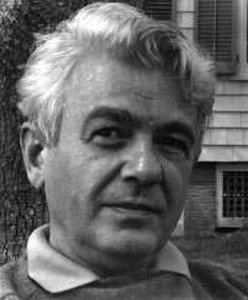
Giorgio Cavallon
1904 - 1989 , Italy
Pähkinänkuoressa
- Full Name: Giorgio Cavallon
- Nationality: Italian-American
- Date Of Birth: 1904
- Date Of Death: 1989
- Place Of Birth: Sori, Italy
- Notable Artworks:
- Country Scene
- Untitled (1958)
- Artistic Movement Or Style: Abstract Expressionism
- Artists Who Influenced This Artist:
- Hans Hofmann
- Arshile Gorky
- Charles Hawthorne
- Artists Or Movements Influenced By This Artist: ['Abstract Expressionism']