
() ·
Sinulle käsin tehty maalaus
Käsinmaalattu öljyvärinen jäljennös
Käsinmaalattu öljyväri kankaalle haluamassasi koossa ja kehyksissä, taiteilijoidemme valmistamana tilauksesta. ( Vaihda tulosteeseen Siirry digitaaliseen kuvaan)
Taiteilijan elämäkerta
Giorgio Cavallon (1904-1989): Pioneer of American Abstraction & founding member of American Abstract Artists. Explore his luminous geometric paintings and pivotal role in the New York School.
 Lue lisää
alkaen ·
Luku 1
Kuinka suuren sen tulisi olla?
Vedä liukusäädintä vaihtaaksesi kokoa; vasemmalla oleva kuva näyttää kehyksen todellisen leveyden. Alkuperäiset mittasuhteet säilyvät.
Valitse valmiista mitoistamme sellaiset, jotka vastaavat teoksen alkuperäisiä mittasuhteita.

Kirjoita tarvitsemasi leveys ja korkeus, jotta teos sopii kehyksiisi tai seinällesi. Koska kyseessä on käsinmaalattu teos, taiteilija voi maalata hieman enemmän kuvan ympärille tai rajata sitä hieman, jos haluat eri muotoisen koon — valinta on sinun. Lähetämme sinulle digitaalisen mallikuvan hyväksyttäväksi ennen kuin maalaus alkaa. Tällä sivulla näkyvä kuva ei vastaa lopullista tulosta — vain mallikuva näyttää sen.
Luku 2
Miten teoksen tulisi saapua?
Valitse kangaspinnan reunat
Valitse kehys

Valkoinen reuna €1

pehmennetty reuna €1

Jatkuva reuna €1

P118B €10

P118H €10

P118W €10

P438Z €10

P508JH €12

P508YH €12

P805H €10

P805Z €10

P919BZ €10

P919G €10

P919XJ €10

P959ZH €10

P968JZ €12

W106C €8

W218G €10

W218JH €8

W218Y €10

W307PJ €10

W316G €10

W316PJ €8

W316Y €10

W398PJ €8

W4111J €10

W500HY €15

W500JH €15

W692G €12

W849H €8

W940BG €15

W953PJ €8

H24-GOLD €30

H24-SILVER €30

H36-GOLD €45

H36-SILVER €45
Kehystetty
Kehystys: . Kokonaismitat kehyksen kanssa: .
Luku 3
Kuka sen maalaa, ja pitäisikö mitään muuttaa?
Tilauksen jälkeen OriginalUniqueArt.com -tiimi lähettää asiakkaalle sähköpostia ohjeita varten ja toimittaa luonnoksen esikatselun
Maailmanlaajuinen toimitus () 3–4 viikossa tavallisen 5 viikon sijaan. (15 marraskuu). Laadusta ei tingitä.
Luku 4
Viimeiset silaukset
Nimikyltti, kuten museossa?
Kaiverretun pronssilaatan tiedot
This elegant plaque features the artist's name and the title of the artwork, finely engraved for a timeless presentation.
It is made from bronze with a refined, elegant finish. The text is precisely laser-engraved for a sharp and permanent result. Measuring 9x2 cm, the plaque is compact yet easy to read. It's built to be durable and scratch-resistant, offering a professional, museum-quality look. Mounting is simple thanks to the included adhesive backing.
Läpinäkyvän akryylilaatan tiedot
The plaque includes essential engraved details such as the artist's name, the title of the artwork, the date it was created, the type of media used-like oil on canvas or watercolor-a brief description of the piece, and a QR code that links to the complete artwork information.
It is crafted from clear acrylic, offering a sleek, modern appearance. The text is UV-engraved in black to ensure strong visual contrast. With a size of 10x15 cm, it ensures optimal readability. It comes equipped with two metal hooks for secure wall mounting. The plaque is designed to be weather-resistant, making it suitable for various environments, and it includes interactive features that work seamlessly with smartphone scanning.
Mustan akryylilaatan tiedot
This elegant plaque includes engraved information such as the artist's name, the title of the artwork, the date it was created, the type of media used (like oil on canvas or watercolor), a short description of the artwork, and a QR code for quick access to more information.
The plaque itself is made from refined black acrylic with a premium finish. The text is laser-engraved in white for high contrast and readability. Its size is 10x15 cm, designed to be easy to read. It comes with two metal hooks for professional mounting. The design is sleek and fits any interior style. It is also weather-resistant and durable, with built-in digital integration for mobile compatibility.
Suojaava lakka?
Milloin tarvitset sen?
Luku 5
Maalauksesi juuri niin kuin tilasit

Untitled
Reproduktiotekniikka
Replikaatin koko
-

Kokenut huipputaiteilija
Lisää yksityiskohtia, hienostuneisuutta ja enemmän aikaa tuotantoon
-

Reproduktion kehystysvaihtoehdot
-
-
Teoksille tai reproduktioille, joiden mikä tahansa sivu on suurempi kuin 105 cm (noin 41 tuumaa), kehys toimitetaan osina purettuna sarjana. Tämä menetelmä varmistaa turvallisen toimituksen ja ehkäisee vaurioita kuljetuksen aikana.
Vaatii ammattimaista kokoamista – kyseessä ei ole tee-se-itse-tuote.
Sarja on koottava ja kangas kiristettävä kokeneen kehystysammattilaisen toimesta käyttäen puuliimaa (ei sisälly pakkaukseen), kangaspinnetteitä ja puristimia, jotta kehyksen kulmat pysyvät suorina liiman kuivuessa. Virheellinen kokoaminen tai epätasainen kankaan kiristys voi vaurioittaa teosta pysyvästi, eikä tällaiset vauriot ala takuun piiriin.
 Teoksille tai reproduktioille, joiden mikä tahansa sivu on suurempi kuin 105 cm (noin 41 tuumaa), kehys toimitetaan osina purettuna sarjana. Tämä menetelmä varmistaa turvallisen toimituksen ja ehkäisee vaurioita kuljetuksen aikana.
Kaikki massiivipuupalat sisältyvät, tarkasti mittojen mukaan leikattuina.
Kootaan mukana tulevilla ruuveilla sekä kulmaliitoksia varten tarvittavalla puuliimalla, jota ei toimiteta, joten se on hankittava kehystäjältä.
Vaatii ammattilaisvälineitä, jotka eivät sisälly pakkaukseen: kankaan venytyspihdit (kiristin) ja puristimet, joilla pidetään kehyksen puut suorassa liiman kuivuessa.
Tärkeää:
Kulmaliitoksissa tarvitaan puuliimaa, kehyksien osat on pidettävä puristimilla, kunnes liima on täysin kuivunut, ja koottuun kehykseen jännitettävän kankaan kiristämiseen tarvitaan kangaspenssipihti. Mikään näistä ei sisälly pakkaukseen. Suosittelemme varmistamaan kokeneen kehystäjän saatavuuden ennen tämän kokoisen kehyksen tilaamista.

Nimilaatta
-
-

Suojalakkaus
Kiiltävä lakka (syventää värejä, suojaa valolta ja kosteudelta)
-

Mukauta taideteokseni
Esimerkkejä muokattavista asioista: Vaihda kasvot asiakkaan omaan valokuvaan; Lisää lemmikki (esim. vaihda kissa koiraan); Lisää taustalle piilotettu viesti; Muuta taustan maisemaa tai elementtejä.
-

Pikatoimitus
Maailmanlaajuinen toimitus () 3–4 viikossa tavallisen 5 viikon sijaan. (15 marraskuu). Laadusta ei tingitä.
-
Pikatoimitus
Maailmanlaajuinen toimitus () 5 viikon kuluessa. (22 marraskuu).
Sisältyy hintaan
Kokonaishinta
€ 267
Lasivaihtoehto on saatavilla vain alle 110 cm kokoisille teoksille
Sisältyy jokaiseen tilaukseen
- Ilmainen pikatoimitus ympäri maailman
- Korkealaatuinen pellavakangas
- Kattava kuljetusvakuutus
- Tulliveron palautustakuu
- Takuu täydellisestä värien vastaavuudesta
- 100 päivän palautusoikeus (vain valmistusvirheet)
- 100% rahat takaisin -takuu
- Määräalennus tarjolla


 Esikatselu
 Jaa teos
 Jaa
Jaa
 Tiedot
 Opas
Opas

 Lataa kuva
 Samanlaisia kohteita
 Röntgenkuvaus
 Diaesitys
 Kysymykset ja vastaukset
 Tilastot
Lukuina
- 1961teosvuosi
- 29valittavissa olevat kehykset
- standardikoot, omissa mittasuhteissaan
- 5viikkoja maalaamiseen ja toimitukseen
Tietoa alkuperäisteoksesta

- 142.0 x 122.0 cm

Tämä teos on tekijänoikeuden suojaama
Tällä sivulla esitettyä taideteosta suojaa tekijänoikeuslaki, mikä tarkoittaa, ettemme voi laillisesti luoda tai myydä täsmälleen samanlaista jäljennöstä. Tämä suoja toteutetaan kansainvälisten sopimusten, kuten esimerkiksi Berne-konventio ja kansallisilla laeilla, mukaan lukien niillä määritellyt Yhdysvaltain tekijänoikeuslaki – Luku 17. Kaikki oikeudet pidätetään. Luvaton kopiointi tai jäljittely on kielletty.
Kunnioittavana ja laillisena vaihtoehtona tarjoamme alkuperäisestä inspiroituneita, yksilöllisiä ja käsinmaalattuja taideteoksia. Taitavat ja ammattimaiset taiteilijamme tutkivat huolellisesti alkuperäisen teoksen tyyliä, tunnelmaa ja taiteellista ydintä luodakseen uuden, ainutlaatuisen teoksen, joka herättää saman tunteen – säilyttäen samalla oman itsenäisen alkuperäisyytensä.
Tämä menetelmä noudattaa täysin tekijänoikeussäännöksiä, sillä se ei sisällä suojatun taideteoksen kopioimista tai jäljentämistä. Sen sijaan kyseessä on luova uudelleentulkinta – uusi maalaus, joka ammentaa vaikutteita alkuperäisestä, mutta ei ole sen identtinen kopio.
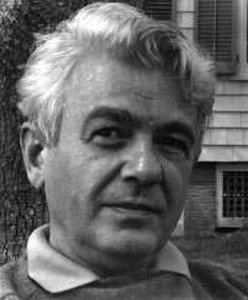
Giorgio Cavallon
1904 - 1989, Italy
Pikaaakkaukset taiteilijasta Giorgio Cavallon
- Full Name: Giorgio Cavallon
- Nationality: Italian-American
- Date Of Birth: 1904
- Date Of Death: 1989
- Place Of Birth: Sori, Italy
- Notable Artworks:
- Country Scene
- Untitled (1958)
- Artistic Movement Or Style: Abstract Expressionism
- Artists Who Influenced This Artist:
- Hans Hofmann
- Arshile Gorky
- Charles Hawthorne
- Artists Or Movements Influenced By This Artist: ['Abstract Expressionism']
Taiteilijan elämäkerta
A Life Bridging Worlds: The Artistic Journey of Giorgio Cavallon
Giorgio Cavallon’s story is one of graceful transition and quiet innovation, a testament to the power of artistic vision shaped by both Old World heritage and New World opportunity. Born in 1904 in the small Italian town of Sori, near Vicenza, his early life was uprooted at age sixteen when he immigrated to the United States with his family. This displacement, coupled with a naturalized citizenship achieved in 1929, instilled within him a unique dual perspective – an Italian sensibility filtered through the burgeoning energy of American modernism. He carried this duality not as a conflict, but as a source of nuanced understanding that would subtly permeate his artistic explorations. His initial years were marked by practical necessity; he worked in factories while pursuing private art instruction, demonstrating a dedication to creative growth even amidst challenging circumstances. This commitment led him to the National Academy of Design in New York City in 1926, and subsequently to Provincetown, Massachusetts, where studying under Charles Hawthorne proved pivotal. Hawthorne’s direct painting approach—a focus on observing and capturing light and color directly onto the canvas—laid a foundational element for Cavallon's future style.Formative Influences and the Rise of Abstraction
The 1930s were a period of crucial development for Cavallon, marked by both economic hardship and artistic awakening. His involvement with the Works Progress Administration’s Federal Art Project (WPA/FAP) provided not only employment but also an invaluable mentorship under Arshile Gorky. This exposure to emerging abstract tendencies was transformative, opening his eyes to new possibilities beyond representational art. Simultaneously, he immersed himself in the teachings of Hans Hofmann, attending evening classes from 1934 onwards. Hofmann’s emphasis on the materiality of paint – its texture, weight, and spatial relationships – profoundly shaped Cavallon's understanding of form and color. It was within this intellectual climate that Cavallon co-founded the American Abstract Artists (AAA) in 1936, a group dedicated to championing abstract art at a time when it faced considerable resistance. The AAA’s core belief, articulated by Juan Gris, centered on achieving poetic effect through “beautiful elements” rather than relying on traditional subject matter. This commitment to structural quality and intellectual beauty became a guiding principle in Cavallon's own artistic practice.A Lyrical Geometry: Defining the Cavallon Style
Cavallon’s artistic style evolved gradually, yet consistently demonstrated a lyrical geometric abstraction. He moved away from purely representational imagery, not towards the explosive energy of some of his Abstract Expressionist contemporaries, but toward a more contemplative exploration of form and color. His paintings are characterized by luminous color fields, delicate spatial relationships, and a subtle interplay of light and shadow. While often described as geometric, his abstractions were never rigid or cold; they possessed an organic quality, evoking landscapes and natural phenomena without directly depicting them. There’s a sense of atmosphere and depth in his work, achieved through carefully layered colors and nuanced tonal variations. This ability to suggest rather than state explicitly became a hallmark of his mature style. He wasn't interested in the purely intellectual exercise of geometric form; instead, he sought to imbue those forms with emotional resonance and poetic suggestion.Integration into the New York School and Lasting Legacy
By the late 1940s, Cavallon was firmly integrated into the vibrant artistic community that would become known as the New York School. He joined the “Artists’ Club” in 1949 and participated in the landmark Ninth Street Show in 1951 – a pivotal event that brought national recognition to this new wave of American art. His consistent inclusion in subsequent invitational annuals solidified his position within the movement, though he maintained a distinct artistic voice separate from the more gestural styles of Pollock or de Kooning. Cavallon’s contribution lies not in initiating a radical break with tradition, but in serving as a crucial bridge between earlier abstraction and the full flowering of Abstract Expressionism. He helped pave the way for the acceptance of American art on an international stage, particularly in Paris during the 1950s. Giorgio Cavallon continued to paint and exhibit his work throughout his life, residing in Manhattan until his death in 1989 at the age of eighty-five. His legacy endures as a significant figure in the development of American abstract art—a quiet innovator who demonstrated an unwavering commitment to formal exploration, intellectual rigor, and the enduring power of lyrical abstraction.Aiheeseen liittyvät artikkelit

10 Iconic Graphite Masterpieces That Redefined the Art World
Explore 10 iconic graphite masterpieces that redefined art history. Discover the full collection online at OriginalUniqueArt.com.

Color & Emotion: The 25 Most Iconic Masterpieces by Mark Rothko
Immerse yourself in the profound emotion of Abstract Expressionism. Explore 25 iconic Mark Rothko masterpieces, from his signature color fields to timeless museum classics. Find inspiration for your collection or decor with OriginalUniqueArt.com’s premium art reproductions. Discover all masterpieces on OriginalUniqueArt.com
Color & Emotion: The Top 25 Masterpieces by Mark Rothko
Immerse yourself in the profound emotion of Mark Rothko's greatest works. Explore 25 iconic Abstract Expressionist masterpieces, from color field textures to legendary canvases. Find inspiration for museum-quality art reproductions and decor. Discover all masterpieces on OriginalUniqueArt.com.

Mastering Emotion: The Top 25 Mark Rothko Artworks to Know
Explore 25 iconic Mark Rothko masterpieces and the soul of Color Field painting. Discover the full collection on OriginalUniqueArt.com.