

 Katso seinällä
 Lähetä
 Jaa
Jaa
 Tarkemmat tiedot
 Opas
Opas

 Lataa kuva
 Samanlaisia kohteita
 Röntgenkuvaus
 Diaesitys
 Tilastot
Lion Devouring a Horse
 Oil On Canvas
- WallArt
- Romantic Realism
 1763
1763 69.0 x 104.0 cm
 Tate Gallery
 Lue lisää
Giclée- ja taideprintit
Museolaatuisia giclée- tai kankaitaulun tulosteita nopealla tuotannolla ja joustavilla viimeistelyvaihtoehdoilla. ( Tilaa käsinmaalattu jäljennös Siirry digitaaliseen kuvaan)




P118B €10

P118H €10

P118W €10

P438Z €10

P508JH €12

P508YH €12

P805H €10

P805Z €10

P919BZ €10

P919G €10

P919XJ €10

P959ZH €10

P968JZ €12

W106C €8

W218G €10

W218JH €8

W218Y €10

W307PJ €10

W316G €10

W316PJ €8

W316Y €10

W398PJ €8

W4111J €10

W500HY €15

W500JH €15

W692G €12

W849H €8

W940BG €15

W953PJ €8




Valitse valmiista mitoistamme sellaiset, jotka vastaavat teoksen alkuperäisiä mittasuhteita.

Voit syöttää omat mitat sopiaksesi tiettyyn kehykseen tai tilaan. Jos valittu koko ei vastaa alkuperäisen kuvan mittasuhteita, rajaamme teosta tai laajennamme kuvaa peilatulla tai yhtenäisellä reunalla. Digitaalinen mallikuva lähetetään hyväksyttäväksi ennen tuotannon aloittamista.
Huomaathan, että näytöllä näkyvä esikatselu ei vastaa lopullista rajausta tai laajennusta. Vain mallikuva näyttää lopullisen sommittelun tarkasti.
Vaikka räätälöityjä kokoja on saatavilla, suosittelemme valitsemaan mitat valmiista listasta alkuperäisten mittasuhteiden säilyttämiseksi.
Maailmanlaajuinen toimitus () 2 viikossa tavallisen 4–5 viikon sijaan. (10 lokakuu)

Ilmainen pikatoimitus ympäri maailman

Korkealaatuinen pellavakangas

Kattava kuljetusvakuutus

Tulliveron palautustakuu

Takuu täydellisestä värien vastaavuudesta

100 päivän palautusoikeus valmistusvirhetapauksissa

100% rahat takaisin -takuu

Määräalennus saatavilla
 Lasivaihtoehto on saatavilla vain alle 110 cm kokoisille teoksille

Lion Devouring a Horse
Giclée- ja taideprintit
Replikaatin koko
-


Kokonaishinta
€ 69
The Drama of Nature Captured: George Stubbs' Lion Devouring a Horse
To stand before George Stubbs’ magnificent "Lion Devouring a Horse" is to be plunged into a moment of raw, untamed drama. This 1763 oil on canvas does more than merely depict an animal encounter; it arrests time itself, freezing the apex of conflict in vivid, masterful strokes. Stubbs, celebrated for his unparalleled anatomical studies of equine life, elevates this scene beyond mere natural history painting into a profound meditation on power dynamics and survival. The sheer energy radiating from the central action—the lion’s powerful jaws closing upon the struggling form of the horse—is breathtaking, inviting the viewer to lean in, breathless, as if they too are witnessing the struggle firsthand.
Mastery of Form and Color
Stubbs' technical brilliance is immediately apparent. The artist possessed an almost scientific understanding of musculature, rendering both creatures with startling verisimilitude. Observe the texture: the lion’s coat, rendered in deep, brooding shades of brown and black, contrasts dramatically against the lighter, more yielding tones used for the horse and the surrounding landscape. This masterful use of color heightens the tension; the rich saturation of the foreground elements pops against the serene, yet dramatic, backdrop of the rocky terrain beneath a clear blue sky. The composition is inherently balanced, guiding the eye inexorably toward the violent nexus at the center, while the scattered trees and open sky provide just enough context to ground this intense spectacle in a believable, if theatrical, outdoor setting.
Historical Echoes and Artistic Lineage
The genesis of this powerful piece is rooted in classical antiquity. Stubbs himself noted that his inspiration stemmed from an antique marble sculpture encountered during his travels to Rome. This connection suggests that the painting is not just a record of wildlife, but a dialogue across centuries—a conversation between Renaissance artistic ideals and the vibrant realism of the Georgian era. By referencing such classical models while executing it in the rich, tactile medium of oil on canvas, Stubbs bridges epochs. It speaks to an enduring human fascination with mythic struggle, making the work timeless regardless of its 18th-century origins.
Symbolism and Emotional Resonance
Beyond the technical prowess lies a deeper symbolic resonance. The confrontation between the lion—often a symbol of raw, untamed masculine power—and the horse, frequently representing nobility, grace, or even humanity itself, creates an immediate tension. The act depicted suggests a brutal assertion of dominance. For the modern collector or decorator, this painting offers more than just decorative flair; it injects a palpable sense of narrative drama into any space. It is a conversation piece that demands attention, suggesting themes of struggle, inevitable change, and the raw beauty found at the precipice of conflict.
Bringing the Drama Home
For those who wish to capture this electrifying moment in their own interiors, acquiring a high-quality reproduction allows one to possess this masterpiece's energy without leaving the comfort of home. The ability of an oil painting medium to retain such depth and vibrancy ensures that the drama—the tension between the predator and the prey—remains immediate and visceral. It is an investment not only in art history but in a continuous source of dramatic, sophisticated inspiration for any discerning eye.
Kysymykset ja vastaukset
Kuinka vanha George Stubbs oli, kun "Lion Devouring a Horse" luotiin?
George Stubbs oli 39 vuotias luodessaan teoksen "Lion Devouring a Horse" vuonna 1763. Ikä on laskettu taiteilijan syntymävuodesta 1724.
Mikä on teoksen George Stubbs:n "Lion Devouring a Horse" valmistumisvuosi?
"Lion Devouring a Horse" on peräisin vuodelta 1763. Teos sijoittuu George Stubbs uran ja aikakauden kontekstiin.
Missä George Stubbs:n "Lion Devouring a Horse" -teoksen reproduktio kannattaisi ripustaa?
Muoto (Landscape) ja suositeltu tila (Living Room) ovat kaksi teokselle George Stubbs:n "Lion Devouring a Horse" kirjattua sijoittelutietoa.
Miten teoksen "Lion Devouring a Horse" tyyli suhteutuu sen tekijän aikakauteen?
George Stubbs:n "Lion Devouring a Horse" kuuluu Romantic Realism-suuntaukseen ja sijoittuu tekijänsä Uusmodernismi (1600–1800) -> 05 aikakaudelle.
Kuka on luonut "Lion Devouring a Horse"?
Teos "Lion Devouring a Horse" on yhdistetty George Stubbs.
Onko teoksesta "Lion Devouring a Horse" saatavilla korkearesoluutioinen lataus?
"Lion Devouring a Horse" on saatavilla muodossa korkearesoluutioinen digitaalinen kuvalataus, ja sen voi ostaa suoraan osoitteesta tämä sivu.
Mikä on teoksen George Stubbs:n "Lion Devouring a Horse" yleinen tunnelma?
Teoksen George Stubbs:n "Lion Devouring a Horse" yleinen tunnelma on Dramatic. Tunnelma kuvaa teoksen yleistä ilmapiiriä.
Taiteilijan elämäkerta
Early Life and Training
George Stubbs, syntynyt Liverpoolissa vuonna 1724, oli brittiläinen taidemaalari, jonka tunnetuin osa on hänen hevosten kuvaamisen taito. Hänen varhaisista elämänsä ajoista tiedetään vähän, sillä suurimman osan tiedoista löytyy hänen taiteilijaystävänsä Ozias Humphryn muistoista, jotka pohjautuvat Stubbsin omiin kertomuksiin vuodelta 1794. Hänen taiteellinen polkunsa alkoi jo nuorena, kun hän työskenteli isänsä, nahkurin, apuna. Myöhemmin hän hakeutui opiskelijaksi Hamlet Winstanleyn johdolle, Lancashiren maalari ja kaivertaja, joka tarjosi lyhyen harjoittelun Knowsley Hallin kokoelmissa. Tämä lyhyt jakso antoi Stubbsille mahdollisuuden tutustua anatomian tutkimukseen, mikä myöhemmin muokkasi hänen työnsä suuntaa. Hänen intohimonsa anatomiasta johti hänet Yorkiin vuonna 1744, jossa hän opiskeli lääkäri Charles Atkinsonin johdolla Yorkin maakuntahoidossa. Tämä aika oli merkittävä Stubbsin kehitykselle, sillä hän alkoi systemaattisesti tutkia ihmisen anatomiaa ja kehittää taitojaan tarkkaan kuvaamaan eläinten rakenteita.Artistic Development and Notable Works
Stubbsin taiteellinen ura kukoisti erityisesti hänen kyvystään kuvata hevosia. Hän ei ainoastaan maalannut niitä, vaan myös tutki niiden anatomiaa syvällisesti ja tarkasti. Vuonna 1756 hän vuokrasi maatilan Horkstowin kylässä, Lincolnshiressa, ja vietti siellä 18 kuukautta, leikellen ja piirtäen hevosia. Tämä aika oli ratkaiseva hänen uransa kannalta, sillä hän julkaisi vuonna 1766 teoksen *The Anatomy of the Horse*, joka sisälsi alkuperäisiä piirustuksia. Kirja oli suuri menestys ja Stubbsin maine kasvoi nopeasti, kun aristokraatit ja taiteen tukijat alkoivat arvostaa hänen tarkkuuttaan ja kykyään vangita hevosten kauneuden ja liikkeen. Hänen tyylinsä poikkesi perinteisistä hevosmaalauksista, sillä hän ei pelkästään kuvannut eläimiä, vaan myös pyrki välittämään niiden tunteita ja persoonallisuutta. Hänen merkittävin saavutuksensa on ehdottomasti *Whistlejacket*, hevosen kuvaus, jonka tilasi Rockinghamin toinen markiisi. Maalaus on edelleen yksi Stubbsin kuuluisimmista teoksista ja se erottuu muista hänen tyylistään sen yksinkertaisen taustan vuoksi. Tämä teos osoittaa Stubbsin kyvyn luoda dramaattisia ja tunteita herättäviä kuvia, jotka ylittävät pelkän realistisen tarkkuuden.Influence and Artistic Style
Stubbs oli vahvasti vaikuttanut moniin taiteilijoihin, mutta hänellä oli myös merkittävä vaikutus muihin taiteilijoihin. Hänen anatomian tutkimuksensa ja hänen kuvaustensa tarkkuus inspiroivat muita taiteilijoita, erityisesti romanttisen liikkeen aikana. Hänen työnsä edusti uutta tapaa kuvata eläimiä, jossa korostettiin niiden kauneutta, voimaa ja tunteita. Stubbsin vaikutus näkyy hänen seuraajissaan, jotka ottivat käyttöön hänen anatomian tutkimustensa ja hänen kuvaustekniikkojensa periaatteet. Stubbs oli myös kiinnostunut materiaaleista, joita hän käytti taiteessaan, ja kokeili erilaisia tekniikoita, kuten lasimaalausta. Hänen työnsä on edelleen arvokas esimerkki 1800-luvun taiteesta ja hänen innovatiivisuudestaan ja kyvystään yhdistää anatomian tarkkuus ja esteettinen kauneus.Legacy and Historical Significance
George Stubbsin perintö elää edelleen, ja hänen teoksiaan arvostetaan yhä maailmanlaajuisesti. Hänen hevosten kuvaamisen taitonsa on vertaansa vailla, ja hänen työnsä on inspiroinut lukemattomia taiteilijoita. Stubbsin vaikutus romanttiseen liikkeeseen oli merkittävä, sillä hän loi uudenlaisia kuvia, jotka korostivat tunteita ja luonnon kauneutta. Hänen teoksensa ovat osa brittiläistä taiteen historiaa ja ne kertovat 1800-luvun elämästä, kulttuurista ja taiteellisesta kehityksestä. Stubbsin teokset ovat edelleen esillä museoissa ympäri maailmaa, ja ne herättävät katsojissa tunteita ja ajatuksia. Hänen vaikutuksensa on nähtävissä myös nykyaikaisessa taiteessa, jossa hänen anatomian tarkkuutensa ja hänen kyvynsä kuvata eläimiä ovat edelleen merkittäviä inspiraation lähteitä.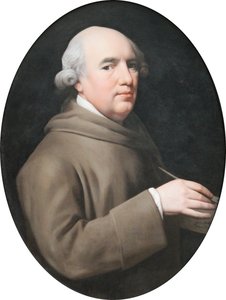
George Stubbs
1724 - 1806 , Iso-Britannia
Tietoa taiteilijasta
- Artistic Movement Or Style: Romantiikka, Hevosmaalaus
- Artists Or Movements Influenced By This Artist: ['Joshua Reynolds']
- Artists Who Influenced This Artist: ['Hamlet Winstanley']
- Date Of Birth: 25. elokuuta 1724
- Date Of Death: 10. heinäkuuta 1806
- Full Name: George Stubbs
- Nationality: Brittiläinen
- Notable Artworks:
- Whistlejacket
- Lohikäärme hevosen kanssa
- A Lion and Tiger
- Place Of Birth: Liverpool, Britannia
Aiheeseen liittyvät artikkelit
George Stubbs: Anatomical Precision & Romantic Vision in 18th-Century British Art
Explore the captivating world of George Stubbs, the 18th-century master renowned for his anatomical precision & Romantic animal paintings. Discover his legacy and investment potential.
The Noble Steed on Canvas: A Historical & Artistic Exploration of Horse Painting Across Cultures
Explore the rich history of horse painting! Discover masterpieces from Stubbs to Munnings & learn about symbolism, techniques & artists. Find museum-quality reproductions at OriginalUniqueArt.

Georges Seurat: 25 mestariteosta – Valon ja värin lumoa taidossa | OriginalUniqueArt
Tutustu Georges Seuratin 25 mestariteokseen! Uppoudu pointillismia, valomaalausta ja väriteoriaa hyödyntävään taidemaailmaan. Löydä A Sunday on La Grande Jatte ja muut ikonit OriginalUniqueArt.comista – korkealaatuiset taidekopiot kotiisi.

Georges Braquen 25 mestariteosta: Taidetta kotiin OriginalUniqueArtilta
Tutustu Georges Braquen 25 mestariteokseen ja kubismin lumoihin! Taidehistoriaa, värejä ja inspiraatiota kotiisi. Laadukkaat taulut OriginalUniqueArtilta – löydä täydellinen seinätaulu nyt!
The Noble Steed: A Historical and Artistic Exploration of Horses in Fine Art
Explore the rich history of horses in fine art! From ancient depictions to Renaissance masterpieces & beyond, discover iconic artworks and artists. Learn about symbolism, techniques, and find museum-quality reproductions at OriginalUniqueArt.


