

 Katso seinällä
 Lähetä
 Jaa
Jaa
 Tarkemmat tiedot
 Opas
Opas

 Lataa kuva
 Samanlaisia kohteita
 Röntgenkuvaus
 Diaesitys
 Tilastot
Horse Devoured by a Lion
 Oil On Canvas
- WallArt
- Romanticism
 1763
1763- Early Modern
 3.0 x 69.0 cm
 Tate Britain
 Lue lisää
Käsinmaalattu öljyvärinen jäljennös
Käsinmaalattu öljyväri kankaalle haluamassasi koossa ja kehyksissä, taiteilijoidemme valmistamana tilauksesta. ( Vaihda tulosteeseen Siirry digitaaliseen kuvaan)




P118B €10

P118H €10

P118W €10

P438Z €10

P508JH €12

P508YH €12

P805H €10

P805Z €10

P919BZ €10

P919G €10

P919XJ €10

P959ZH €10

P968JZ €12

W106C €8

W218G €10

W218JH €8

W218Y €10

W307PJ €10

W316G €10

W316PJ €8

W316Y €10

W398PJ €8

W4111J €10

W500HY €15

W500JH €15

W692G €12

W849H €8

W940BG €15

W953PJ €8




Valitse valmiista mitoistamme sellaiset, jotka vastaavat teoksen alkuperäisiä mittasuhteita.

Kirjoita tarvitsemasi leveys ja korkeus, jotta teos sopii kehyskehyksiisi tai seinällesi. Koska kyseessä on käsinmaalattu teos, taiteilija voi maalata hieman enemmän kuvan ympärille tai rajata sitä hieman, jos haluat eri muotoisen koon — valinta on sinun. Lähetämme sinulle digitaalisen mallikuvan hyväksyttäväksi ennen kuin maalaus alkaa. Tällä sivulla näkyvä kuva ei vastaa lopullista tulosta — vain mallikuva näyttää sen.
Tilauksen jälkeen OriginalUniqueArt.com -tiimi lähettää asiakkaalle sähköpostitse ohjeet ja esikatselukuvan.
Maailmanlaajuinen toimitus () 3–4 viikossa tavallisen 5 viikon sijaan. (26 lokakuu). Laadusta ei tingitä.

Ilmainen pikatoimitus ympäri maailman

Korkealaatuinen pellavakangas

Kattava kuljetusvakuutus

Tulliveron palautustakuu

Takuu täydellisestä värien vastaavuudesta

100 päivän palautusoikeus valmistusvirhetapauksissa

100% rahat takaisin -takuu

Määräalennus saatavilla
 Lasivaihtoehto on saatavilla vain alle 110 cm kokoisille teoksille

Horse Devoured by a Lion
Reproduktiotapa
Replikaatin koko
-


Kokonaishinta
€ 263
The Primal Drama of Survival
To stand before George Stubbs's "Horse Devoured by a Lion" is to be thrust into the very heart of a visceral, untamed struggle. Completed in 1763, this masterpiece transcends mere animal portraiture, capturing a moment of raw, breathtaking violence that freezes time itself. The scene is one of profound tension: a horse, caught in its final, agonizing breaths, is relentlessly overtaken by the predatory force of a lion. There is no escape within this frame, only the inevitable triumph of brute strength over vulnerability. Stubbs does not merely observe this encounter; he orchestrates it, using the rugged, rocky landscape of Creswell Crags to mirror the chaotic and unforgiving nature of the conflict unfolding in the center of the canvas.
The emotional weight of the piece lies in its ability to evoke a sense of the sublime—that specific Romantic era fascination with beauty intertwined with terror. As the viewer, one feels an instinctive pull toward the central struggle, drawn by the sheer energy radiating from the lion’s powerful jaws and the horse's desperate, yielding form. It is a painting that demands attention, making it a commanding focal point for any collection or a sophisticated statement piece in a curated interior designed to provoke thought and conversation.
Mastery of Anatomy and Light
Stubbs’s technical brilliance is rooted in his unique background as an anatomist. His years spent studying dissection under the surgeon Charles Atkinson allowed him to render musculature with a startling, scientific precision that few of his contemporaries could match. In this work, every sinew of the struggling horse and every ripple of the lion's powerful frame is articulated with breathtaking verisimilitude. This anatomical accuracy does not strip the painting of its soul; rather, it grounds the drama in a terrifying reality, making the violence feel palpably real.
The artist employs a dramatic use of light and shadow, reminiscent of the chiaroscuro techniques found in classical masters, to heighten the narrative tension. Strong contrasts illuminate the textures of the scene—the coarse, thick fur of the predator, the smooth, sweating skin of the prey, and the jagged, unforgiving surfaces of the surrounding rocks. The color palette is a sophisticated arrangement of earthy tones, where deep browns, golds, and blacks create a brooding atmosphere, punctuated by highlights that guide the eye through the composition's dynamic movement. For the discerning collector, the depth of texture achieved in this oil on canvas offers a rich, tactile experience that remains captivating even in high-quality reproduction.
A Timeless Allegory of Power
Beyond its surface-level spectacle, "Horse Devoured by a Lion" serves as a profound allegory. While inspired by classical motifs Stubbs encountered during his travels to Rome, the painting speaks to universal themes of mortality and the cyclical nature of life and death. The lion represents an unstoppable, primordial force, while the horse embodies innocence and the fragility of existence when confronted with the overwhelming power of nature. It is a meditation on the loss of control and the inevitable confrontation between strength and weakness.
For interior designers and art enthusiasts alike, this work offers more than just aesthetic beauty; it provides a narrative depth that can transform a space. Whether placed in a grand library or a contemporary gallery setting, the painting’s ability to evoke feelings of awe, horror, and reverence makes it an enduring icon of the Romantic movement. It remains a testament to Stubbs's ability to translate biological reality into a profound exploration of the human condition, making it a timeless acquisition for those who appreciate art that challenges the spirit.
Kysymykset ja vastaukset
Voinko esikatsella teosta George Stubbs:n "Horse Devoured by a Lion" ennen tilaamista?
Esikatselu teoksesta George Stubbs:n "Horse Devoured by a Lion" on saatavilla teoksen Esikatselu -sivulla.
Mistä voin ostaa painoksen teoksesta George Stubbs:n "Horse Devoured by a Lion"?
Teoksen George Stubbs:n "Horse Devoured by a Lion" painos on tilattavissa suoraan sen Taidevedos -sivulta: taideteosvedos puuvillakangas- tai arkistoluokan kankaalle painettuna.
Mistä voin löytää tilastoja teoksesta George Stubbs:n "Horse Devoured by a Lion"?
George Stubbs:n "Horse Devoured by a Lion" -teoksen Tilastot esittää julkiset käyntitilastot: teoksen kuukausittaiset vierailut, vertailun taiteilijan katsotuimpiin teoksiin sekä tiedot siitä, mistä vierailijat ovat kotoisin.
Taiteilijan elämäkerta
Early Life and Training
George Stubbs, syntynyt Liverpoolissa vuonna 1724, oli brittiläinen taidemaalari, jonka tunnetuin osa on hänen hevosten kuvaamisen taito. Hänen varhaisista elämänsä ajoista tiedetään vähän, sillä suurimman osan tiedoista löytyy hänen taiteilijaystävänsä Ozias Humphryn muistoista, jotka pohjautuvat Stubbsin omiin kertomuksiin vuodelta 1794. Hänen taiteellinen polkunsa alkoi jo nuorena, kun hän työskenteli isänsä, nahkurin, apuna. Myöhemmin hän hakeutui opiskelijaksi Hamlet Winstanleyn johdolle, Lancashiren maalari ja kaivertaja, joka tarjosi lyhyen harjoittelun Knowsley Hallin kokoelmissa. Tämä lyhyt jakso antoi Stubbsille mahdollisuuden tutustua anatomian tutkimukseen, mikä myöhemmin muokkasi hänen työnsä suuntaa. Hänen intohimonsa anatomiasta johti hänet Yorkiin vuonna 1744, jossa hän opiskeli lääkäri Charles Atkinsonin johdolla Yorkin maakuntahoidossa. Tämä aika oli merkittävä Stubbsin kehitykselle, sillä hän alkoi systemaattisesti tutkia ihmisen anatomiaa ja kehittää taitojaan tarkkaan kuvaamaan eläinten rakenteita.Artistic Development and Notable Works
Stubbsin taiteellinen ura kukoisti erityisesti hänen kyvystään kuvata hevosia. Hän ei ainoastaan maalannut niitä, vaan myös tutki niiden anatomiaa syvällisesti ja tarkasti. Vuonna 1756 hän vuokrasi maatilan Horkstowin kylässä, Lincolnshiressa, ja vietti siellä 18 kuukautta, leikellen ja piirtäen hevosia. Tämä aika oli ratkaiseva hänen uransa kannalta, sillä hän julkaisi vuonna 1766 teoksen *The Anatomy of the Horse*, joka sisälsi alkuperäisiä piirustuksia. Kirja oli suuri menestys ja Stubbsin maine kasvoi nopeasti, kun aristokraatit ja taiteen tukijat alkoivat arvostaa hänen tarkkuuttaan ja kykyään vangita hevosten kauneuden ja liikkeen. Hänen tyylinsä poikkesi perinteisistä hevosmaalauksista, sillä hän ei pelkästään kuvannut eläimiä, vaan myös pyrki välittämään niiden tunteita ja persoonallisuutta. Hänen merkittävin saavutuksensa on ehdottomasti *Whistlejacket*, hevosen kuvaus, jonka tilasi Rockinghamin toinen markiisi. Maalaus on edelleen yksi Stubbsin kuuluisimmista teoksista ja se erottuu muista hänen tyylistään sen yksinkertaisen taustan vuoksi. Tämä teos osoittaa Stubbsin kyvyn luoda dramaattisia ja tunteita herättäviä kuvia, jotka ylittävät pelkän realistisen tarkkuuden.Influence and Artistic Style
Stubbs oli vahvasti vaikuttanut moniin taiteilijoihin, mutta hänellä oli myös merkittävä vaikutus muihin taiteilijoihin. Hänen anatomian tutkimuksensa ja hänen kuvaustensa tarkkuus inspiroivat muita taiteilijoita, erityisesti romanttisen liikkeen aikana. Hänen työnsä edusti uutta tapaa kuvata eläimiä, jossa korostettiin niiden kauneutta, voimaa ja tunteita. Stubbsin vaikutus näkyy hänen seuraajissaan, jotka ottivat käyttöön hänen anatomian tutkimustensa ja hänen kuvaustekniikkojensa periaatteet. Stubbs oli myös kiinnostunut materiaaleista, joita hän käytti taiteessaan, ja kokeili erilaisia tekniikoita, kuten lasimaalausta. Hänen työnsä on edelleen arvokas esimerkki 1800-luvun taiteesta ja hänen innovatiivisuudestaan ja kyvystään yhdistää anatomian tarkkuus ja esteettinen kauneus.Legacy and Historical Significance
George Stubbsin perintö elää edelleen, ja hänen teoksiaan arvostetaan yhä maailmanlaajuisesti. Hänen hevosten kuvaamisen taitonsa on vertaansa vailla, ja hänen työnsä on inspiroinut lukemattomia taiteilijoita. Stubbsin vaikutus romanttiseen liikkeeseen oli merkittävä, sillä hän loi uudenlaisia kuvia, jotka korostivat tunteita ja luonnon kauneutta. Hänen teoksensa ovat osa brittiläistä taiteen historiaa ja ne kertovat 1800-luvun elämästä, kulttuurista ja taiteellisesta kehityksestä. Stubbsin teokset ovat edelleen esillä museoissa ympäri maailmaa, ja ne herättävät katsojissa tunteita ja ajatuksia. Hänen vaikutuksensa on nähtävissä myös nykyaikaisessa taiteessa, jossa hänen anatomian tarkkuutensa ja hänen kyvynsä kuvata eläimiä ovat edelleen merkittäviä inspiraation lähteitä.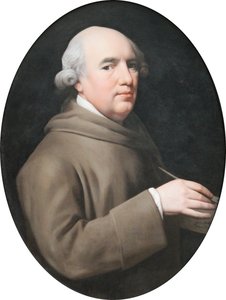
George Stubbs
1724 - 1806 , Iso-Britannia
Tietoa taiteilijasta
- Artistic Movement Or Style: Romantiikka, Hevosmaalaus
- Artists Or Movements Influenced By This Artist: ['Joshua Reynolds']
- Artists Who Influenced This Artist: ['Hamlet Winstanley']
- Date Of Birth: 25. elokuuta 1724
- Date Of Death: 10. heinäkuuta 1806
- Full Name: George Stubbs
- Nationality: Brittiläinen
- Notable Artworks:
- Whistlejacket
- Lohikäärme hevosen kanssa
- A Lion and Tiger
- Place Of Birth: Liverpool, Britannia
Aiheeseen liittyvät artikkelit
The Noble Steed: A Historical and Artistic Exploration of Horses in Fine Art
Explore the rich history of horses in fine art! From ancient depictions to Renaissance masterpieces & beyond, discover iconic artworks and artists. Learn about symbolism, techniques, and find museum-quality reproductions at OriginalUniqueArt.
George Stubbs: Anatomical Precision & Romantic Vision in 18th-Century British Art
Explore the captivating world of George Stubbs, the 18th-century master renowned for his anatomical precision & Romantic animal paintings. Discover his legacy and investment potential.

Georges Braquen 25 mestariteosta: Taidetta kotiin OriginalUniqueArtilta
Tutustu Georges Braquen 25 mestariteokseen ja kubismin lumoihin! Taidehistoriaa, värejä ja inspiraatiota kotiisi. Laadukkaat taulut OriginalUniqueArtilta – löydä täydellinen seinätaulu nyt!
The Noble Steed on Canvas: A Historical & Artistic Exploration of Horse Painting Across Cultures
Explore the rich history of horse painting! Discover masterpieces from Stubbs to Munnings & learn about symbolism, techniques & artists. Find museum-quality reproductions at OriginalUniqueArt.

Georges Seurat: 25 mestariteosta – Valon ja värin lumoa taidossa | OriginalUniqueArt
Tutustu Georges Seuratin 25 mestariteokseen! Uppoudu pointillismia, valomaalausta ja väriteoriaa hyödyntävään taidemaailmaan. Löydä A Sunday on La Grande Jatte ja muut ikonit OriginalUniqueArt.comista – korkealaatuiset taidekopiot kotiisi.


